
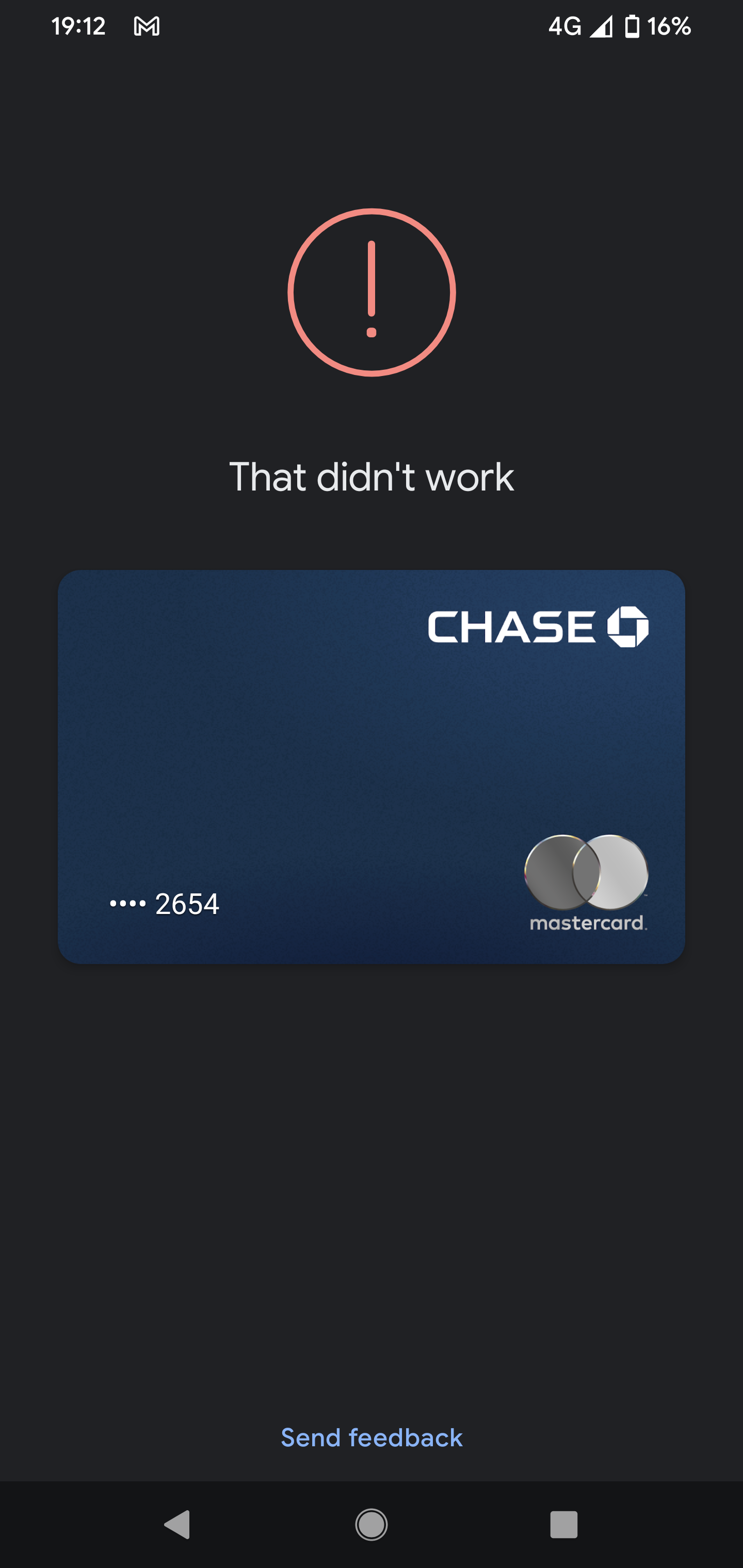
Few financial moments are as jarring as a declined credit or debit card at the point of sale. Whether you are at a crowded grocery store, checking out of a hotel, or attempting to finalize an online purchase, a declined transaction can trigger immediate stress. For Chase cardholders, these declines are rarely arbitrary. They are typically the result of specific financial parameters, security protocols, or administrative requirements built into the Chase banking ecosystem to protect both the consumer and the institution.
Understanding why your Chase card is declining requires a dive into the intersection of personal finance management and automated banking security. By identifying the root cause, you can not only resolve the immediate issue but also optimize your financial habits to prevent future interruptions.
Understanding the Immediate Triggers of a Declined Transaction
The most common reasons for a card decline are often the simplest. Before assuming there is a major security breach or an account closure, it is essential to review the basic status of your credit line or bank balance.
Insufficient Funds and Credit Limit Thresholds
For Chase credit card users, the most frequent culprit is a lack of available credit. It is important to distinguish between your “Total Credit Limit” and your “Available Credit.” If you have a $5,000 limit and have already spent $4,800, a $300 purchase will be declined.
However, transactions can also be blocked by “pending” charges. When you stay at a hotel or rent a car, the merchant often places a “hold” on a specific amount of funds. This hold reduces your available credit even if the transaction hasn’t officially posted to your statement. If you are operating near your limit, these invisible holds can result in a decline for much smaller, subsequent purchases. For Chase debit card users, the logic is the same: if the transaction amount exceeds the current balance in the linked checking account, the system will reject the payment unless you have specifically opted into an overdraft protection program.
Expired Cards and Pending Activations
It sounds elementary, but expired plastic is a leading cause of point-of-sale failures. Chase typically sends out replacement cards weeks before an old one expires. If you have neglected to swap the old card for the new one in your wallet, the EMV chip will signal to the merchant terminal that the card is no longer valid.
Similarly, if you have recently received a new or replacement Chase card, it must be activated before use. Attempting to use a card that hasn’t been verified via the Chase mobile app, website, or over the automated phone line will result in an immediate decline. This is a primary security feature designed to ensure that cards intercepted in the mail cannot be used by unauthorized parties.
Incorrect Payment Information
In the digital marketplace, “declines” are often just data entry errors. A mismatched CVV (the three-digit code on the back), an incorrect expiration date, or a billing zip code that does not match the one on file with Chase will trigger a rejection. Online retailers use Address Verification Systems (AVS) to cross-reference the data you provide with the bank’s records. Even a small typo in the street address can lead to a security flag.
The Role of Chase’s Fraud Prevention and Security Protocols
Chase utilizes some of the most sophisticated AI-driven fraud detection systems in the global banking industry. While these systems are designed to protect your wealth, they can sometimes be overly sensitive, leading to “false positives” where a legitimate transaction is blocked.
Unusual Spending Patterns and Geographic Anomalies
If your typical spending habits involve local grocery stores and monthly utility bills, and suddenly a $2,000 purchase is attempted at a high-end electronics store three states away, Chase’s security algorithm will likely intervene. The system looks for deviations from your established “financial fingerprint.”
Geographic shifts are particularly sensitive. If you are traveling and haven’t notified the bank, a transaction in a foreign country—or even a different domestic region—may be flagged as suspicious. While Chase has moved away from requiring formal travel notices for many users thanks to improved GPS-based mobile app integration, sudden international activity remains a high-risk trigger for an automated freeze.
Large Purchases and Merchant Category Flags
Certain merchant categories are statistically associated with higher rates of fraud. Transactions at jewelry stores, high-end boutiques, or online gaming platforms often undergo more rigorous scrutiny. If you are making a significantly larger-than-normal purchase at one of these retailers, Chase may decline the card as a precautionary measure, expecting you to verify the purchase through a push notification or a text alert.
Managing Travel Notices and Verification Alerts
When a transaction is declined due to security concerns, Chase typically sends an immediate communication via the “Chase Fraud Alerts” system. This usually arrives as a text message or an email asking, “Was this you?” Replying “Yes” to these prompts typically unfreezes the card, allowing you to ask the merchant to run the transaction again. However, if you have not updated your contact information in your Chase profile, you may miss these alerts, leaving you at the register with a non-functioning card.
Administrative and Account-Level Restrictions
Beyond the mechanics of a single transaction, there are broader administrative reasons why a Chase card might stop working. These often relate to the health of your relationship with the bank.
Delinquent Payments and Account Freezes
If you have missed consecutive payments on your Chase credit card, the bank may “restrict” the account. This is different from a fraud block; it is a credit management action. Once an account reaches a certain level of delinquency, the bank’s primary goal shifts from facilitating spending to mitigating risk. In these cases, the card will remain declined for all transactions until the past-due balance is settled and the account is restored to “Good Standing.”
Card Damages and Chip Malfunctions
Sometimes the issue is physical rather than financial. The EMV chips on Chase cards can become scratched, demagnetized, or damaged by heat and moisture. If a card reader cannot communicate with the chip, it may report a “decline” or “read error.” If your card works for online purchases but fails consistently at physical terminals, the hardware of the card itself is likely the problem, necessitating a request for a replacement card.
Identity Verification and Documentation Requests
In compliance with “Know Your Customer” (KYC) regulations, banks occasionally require updated information from their clients. If Chase has reached out requesting updated income information, social security verification, or proof of residency, and those requests have gone unanswered, they may place a temporary hold on the account. This is a regulatory safeguard to ensure the account is being used legitimately and by the person who originally opened it.
Navigating the Chase Ecosystem for Solutions
When a decline happens, the goal is to resolve it as quickly as possible with minimal impact on your credit score or financial access.
Leveraging the Chase Mobile App and Online Banking
The Chase mobile app is the most powerful tool for resolving a decline. Within the app, you can instantly check your available balance, view pending transactions, and see if there are any active “lock” statuses on your card. Many users accidentally toggle the “Lock Card” feature in the app—a security tool that prevents all new purchases—and forget to turn it off. Checking this status should be your first step.
Contacting Customer Support Effectively
If the app does not provide a clear reason for the decline, calling the number on the back of your card is the next logical step. When speaking with a representative, ask specifically for the “decline code.” This code tells the representative exactly why the transaction didn’t go through—whether it was a security block, an incorrect CVV, or a merchant-side error. Being informed about these codes can help you resolve the issue faster than a general inquiry.
Preventive Measures: Setting Up Alerts and Monitoring
To avoid the embarrassment and inconvenience of a decline, proactive management is key. Set up “Low Balance” alerts for your checking account and “Credit Limit” alerts for your credit cards. By receiving a notification when you have reached 80% of your credit limit, you can adjust your spending or make an early payment to free up space. Additionally, ensuring your mobile number is verified for two-factor authentication ensures that you receive the “Fraud Alert” texts that allow for instant, one-tap overrides of security blocks.
Broader Financial Implications of Frequent Declines
While a single decline is usually just a temporary nuisance, frequent declines can be a symptom of deeper financial disorganization. Consistently hitting your credit limit can lead to high credit utilization, which negatively impacts your credit score. Furthermore, if declines are happening because of missed payments, the resulting late fees and interest rate hikes can create a cycle of debt that is difficult to break.
By treating a card decline as a diagnostic tool, you can gain insight into your spending habits and the security measures protecting your assets. Whether the fix is as simple as updating an address or as involved as restructuring a monthly budget, understanding the “why” behind the decline is the first step toward a more secure and seamless financial life. Chase provides the tools for high-level account management; utilizing them effectively ensures that when you reach for your card, it works exactly as intended.
aViewFromTheCave is a participant in the Amazon Services LLC Associates Program, an affiliate advertising program designed to provide a means for sites to earn advertising fees by advertising and linking to Amazon.com. Amazon, the Amazon logo, AmazonSupply, and the AmazonSupply logo are trademarks of Amazon.com, Inc. or its affiliates. As an Amazon Associate we earn affiliate commissions from qualifying purchases.