
Receiving an unexpected deposit from the Social Security Administration (SSA) can trigger a mix of emotions, ranging from relief to confusion. When a specific amount like $135 appears in your bank account labeled as “SSA” or “Soc Sec,” it is rarely a random occurrence. The federal government operates on precise algorithmic calculations, and every dollar distributed is tied to a specific legislative provision, cost-of-living adjustment, or administrative recalculation.
Understanding why you received this specific sum requires a deep dive into the intersection of Social Security benefits, Medicare premiums, and the internal auditing processes of the SSA. Whether it is a retroactive payment, a refund of an overpayment, or a result of the “Hold Harmless” provision, deciphering this financial mystery is essential for accurate personal financial planning.

The Mechanics of Medicare Part B Adjustments
One of the most common reasons for a mid-year or unexpected payment from Social Security involves the fluctuating costs of Medicare Part B. For the vast majority of retirees, Medicare premiums are deducted directly from their Social Security checks. Because these two systems—Social Security and Medicare—are managed by different entities but share a single payment pipeline, adjustments in one often manifest as a change in the other.
The 2023–2024 Premium Shift
In recent years, Medicare Part B premiums have seen unprecedented volatility. For the first time in decades, the standard monthly premium for Medicare Part B actually decreased in 2023. If the SSA continued to deduct the previous year’s higher rate from your check during a transition period, they are legally required to reimburse you the difference. A payment of $135 could represent several months of these over-deductions being returned in a single lump sum.
The “Hold Harmless” Provision
The “Hold Harmless” provision is a critical piece of financial legislation designed to protect seniors from a net decrease in their Social Security benefits. This law stipulates that the increase in Medicare Part B premiums cannot be larger than the dollar amount of an individual’s Social Security Cost-of-Living Adjustment (COLA). If Medicare premiums rise significantly but your COLA is small, the SSA may have to adjust your deductions. If an error was made in these calculations earlier in the year, a corrective payment is issued once the audit is finalized.
Recalculations and Retroactive Earnings Benefits
Social Security is not a static benefit; it is a dynamic calculation based on your lifetime earnings record. The SSA periodically reviews the earnings of beneficiaries who continue to work while receiving benefits. This process, known as the Automatic Earnings Reappraisal Operation (AERO), can result in unexpected “catch-up” payments.
Re-evaluating the Top 35 Years
Your Social Security benefit is calculated based on your highest 35 years of inflation-adjusted earnings. If you are currently working and your current annual income is higher than one of the years used in your initial benefit calculation, the SSA will replace the lower-earning year with the new, higher-earning year. This results in a permanent increase in your monthly benefit. However, the SSA often processes these updates months after the tax year ends. When the recalculation is finalized, they issue a retroactive payment covering the months between the effective date and the processing date. A $135 payment is a common figure for these types of incremental adjustments.
Corrections of Administrative Errors
Despite the high level of automation within the SSA, human error and data entry mistakes can occur. This might involve an employer incorrectly reporting your wages or a glitch in how a spouse’s benefits were coordinated with your own. When the SSA identifies an underpayment, they are mandated to issue a “backpay” check immediately. For many, this arrives without a detailed letter, which usually follows via physical mail 7 to 10 days after the deposit hits the account.
The Role of the Cost-of-Living Adjustment (COLA)

Inflation is the primary driver of change in Social Security payments. The annual COLA is intended to ensure that the purchasing power of Social Security and Supplemental Security Income (SSI) benefits is not eroded by rising prices.
Timing and Implementation Lags
While the COLA is typically announced in October and implemented in January, the administrative rollout can sometimes hit snags. For individuals with complex benefit structures—such as those receiving both disability (SSDI) and retirement benefits, or those with dual-entitlement status—the full COLA might not be applied correctly in the first check of the year. Once the SSA’s systems sync, they issue a corrective payment.
Impact of the Consumer Price Index (CPI-W)
The SSA uses the Consumer Price Index for Urban Wage Earners and Clerical Workers (CPI-W) to determine the COLA. If there was a specific legislative change or a recalculation of how inflation affected a specific subset of beneficiaries, the government may issue a one-time adjustment. While $135 might seem like a random figure, it often aligns with a percentage-based correction tied to these inflation metrics for a specific fiscal quarter.
State-Level Supplements and Special Payments
It is a common misconception that all “Social Security” money comes from the federal government. In reality, many individuals receive Supplemental Security Income (SSI), which is often augmented by state-level funds.
State Supplemental Security Income (SSI)
Many states provide an extra payment on top of the federal SSI benefit. These payments are sometimes administered by the state’s Department of Human Services, but in many cases, the state contracts the SSA to distribute the funds on their behalf. If a state legislature approves a mid-year budget increase for senior or disability assistance, a one-time “bonus” or catch-up payment may be issued.
Tax Rebates and “Stewardship” Payments
Occasionally, state or federal tax credits are distributed through the same channels as Social Security to ensure they reach the most vulnerable populations. During periods of economic volatility, legislative bodies may authorize “stewardship” payments to help retirees offset the rising costs of utilities or healthcare. If you live in a state with a budget surplus, $135 could be your portion of a distributed tax rebate or a specialized “inflation relief” check.
Safeguarding Your Financial Identity and Verifying Payments
While receiving extra money is generally positive, it is vital to approach unexpected deposits with a degree of professional skepticism. Financial security in the digital age requires verifying the source of all funds to avoid potential complications with taxes or overpayment clawbacks.
Using the “my Social Security” Portal
The most effective way to identify the source of a $135 payment is to log in to your “my Social Security” account on the official SSA.gov website. This portal provides a “Benefit and Payment Bridge” where you can view a detailed breakdown of your latest payments. If a one-time adjustment was made, the portal will typically list the reason, such as “Medical Insurance Premium Refund” or “Retroactive Payment.”
The Risk of Overpayment Recapture
If the $135 payment was issued in error, the SSA has the legal authority to “claw back” those funds. This usually happens by deducting the amount from your future monthly checks. Before spending the money, it is wise to wait for the official Notice of Award or Notice of Change in Benefits letter that the SSA sends via the U.S. Postal Service. This letter serves as your legal documentation for the payment and will explain whether the money is yours to keep or if it was an administrative mistake.
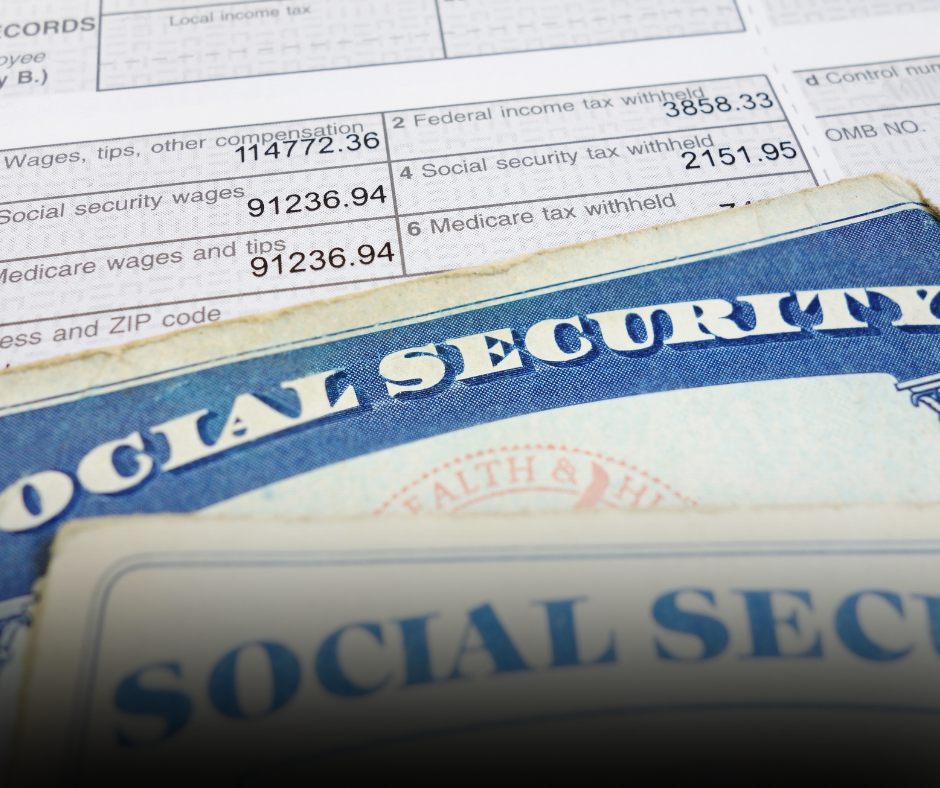
Protecting Against Scams
Finally, be wary of any phone calls, emails, or text messages claiming to be from the SSA regarding this $135 payment. Scammers often use the “unexpected deposit” hook to trick individuals into revealing their Social Security numbers or bank account details. Remember: the SSA will never call you to ask for your bank information to “verify” a deposit they have already made. If the money is in your account, the SSA already has your information. Any request for “return of funds” via wire transfer or gift card is a definitive sign of fraud.
In the complex landscape of personal finance, a $135 payment is rarely a mystery without a solution. By examining Medicare adjustments, earnings recalculations, and state-level supplements, you can gain a clearer understanding of your financial standing and ensure that your retirement strategy remains on solid ground.
aViewFromTheCave is a participant in the Amazon Services LLC Associates Program, an affiliate advertising program designed to provide a means for sites to earn advertising fees by advertising and linking to Amazon.com. Amazon, the Amazon logo, AmazonSupply, and the AmazonSupply logo are trademarks of Amazon.com, Inc. or its affiliates. As an Amazon Associate we earn affiliate commissions from qualifying purchases.