
In the fast-paced world of finance, timing is often just as critical as the assets you choose to hold. For the modern investor, the question “what time do the stocks open?” is rarely a simple one. While a novice might look only at the local clock, a sophisticated trader understands that the global financial ecosystem is a 24-hour machine, powered by different time zones, cultural holidays, and extended trading sessions. Understanding when the bells ring—and what happens in the minutes before and after—is essential for managing risk, capturing liquidity, and executing a sound investment strategy.
Understanding Standard Market Hours: The New York Stock Exchange and Nasdaq
For the vast majority of North American investors, the financial day revolves around Wall Street. The New York Stock Exchange (NYSE) and the Nasdaq are the two largest stock exchanges in the world, and they follow a synchronized schedule that dictates the rhythm of global finance.
The Core Session
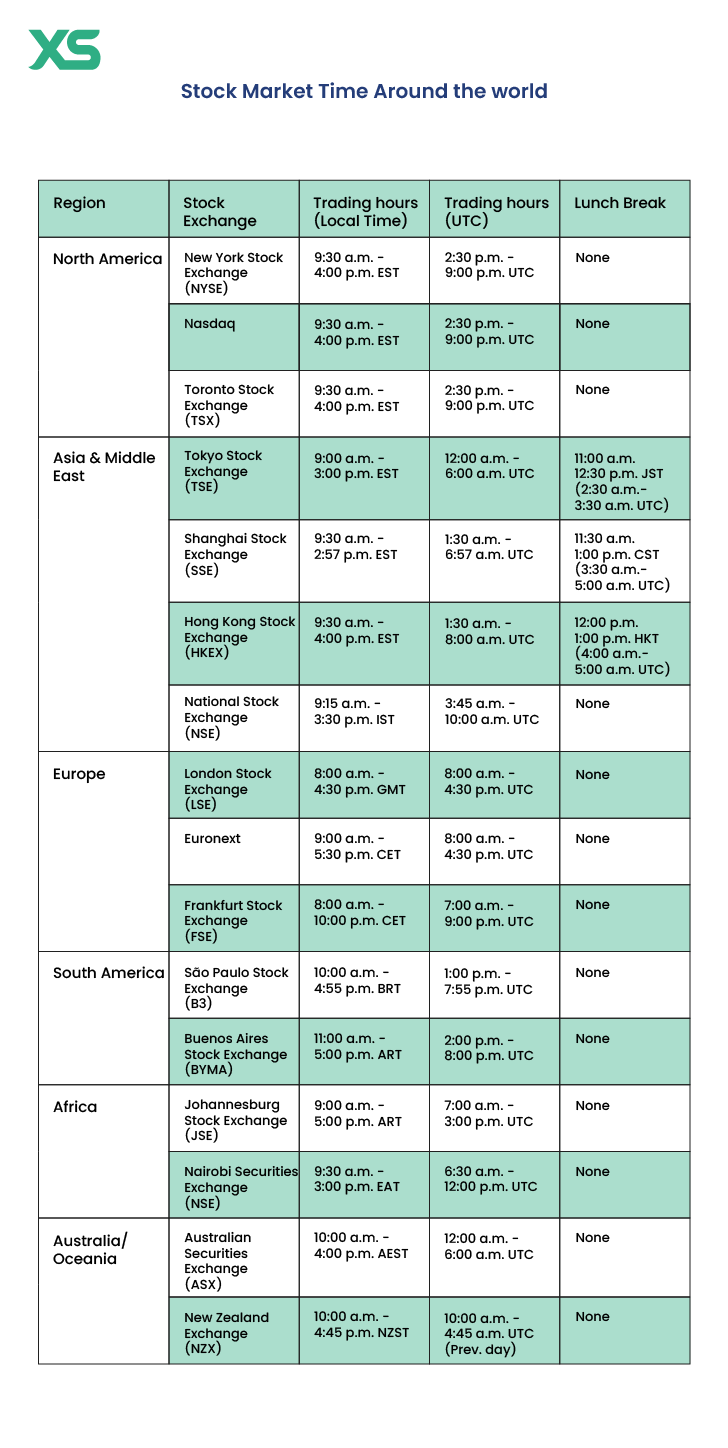
The standard trading hours for the NYSE and the Nasdaq are from 9:30 AM to 4:00 PM Eastern Time (ET), Monday through Friday. This 6.5-hour window is known as the “core session.” During these hours, liquidity is at its peak, bid-ask spreads are generally at their narrowest, and price discovery is most efficient. The “Opening Bell” at 9:30 AM marks the official start of the session, often accompanied by a surge in volume as orders placed overnight are executed.
Pre-Market and After-Hours Trading
While the core session is where the bulk of the action occurs, the markets do not truly sleep. Electronic Communication Networks (ECNs) allow for extended-hours trading.
-
Pre-Market Trading: Most platforms allow trading to begin as early as 4:00 AM ET, though the volume significantly picks up around 8:00 AM ET. This period is crucial for reacting to overnight news, such as international geopolitical shifts or early-morning economic data releases like the Consumer Price Index (CPI).
-
After-Hours Trading: This session begins immediately after the 4:00 PM ET closing bell and can run until 8:00 PM ET. This is often the most volatile time for individual stocks, as companies typically release their quarterly earnings reports shortly after the market closes.
Investors should approach extended hours with caution. Because there are fewer participants, liquidity is lower, meaning a single large trade can cause a significant price swing. Furthermore, the “spread”—the difference between what a buyer is willing to pay and what a seller is willing to accept—tends to widen, increasing the cost of entry and exit.
Going Global: When Do International Markets Open and Close?
In an interconnected global economy, what happens in London or Tokyo can have a profound impact on the U.S. market opening. Diversified investors often keep an eye on international exchanges to gauge global sentiment.
European Markets: The London Stock Exchange and Euronext
Europe serves as a bridge between the Asian and American trading days. The London Stock Exchange (LSE), one of the world’s oldest and most influential markets, opens at 8:00 AM and closes at 4:30 PM Greenwich Mean Time (GMT).
For an investor in New York, the LSE opens at 3:00 AM ET. This means that by the time the U.S. markets open at 9:30 AM, European traders have already been active for several hours. Significant movements in the FTSE 100 (UK) or the DAX (Germany) often set the tone for the S&P 500 opening. Euronext, which operates markets in Paris, Amsterdam, and Brussels, follows a similar schedule, typically opening at 9:00 AM Central European Time (CET).
Asian Markets: Tokyo, Hong Kong, and Shanghai
The Asian trading session kicks off the global financial day. The Tokyo Stock Exchange (TSE) opens at 9:00 AM and closes at 3:00 PM Japan Standard Time (JST). A unique feature of many Asian markets, including Tokyo and the Hong Kong Stock Exchange (HKEX), is the “lunch break.” Unlike Western markets that trade continuously, these exchanges pause for 60 to 90 minutes in the middle of the day, allowing traders to reset before the afternoon session.
For a U.S.-based investor, the Asian markets are “overnight” markets. The Nikkei 225’s performance is often used as a leading indicator for how global risk appetite is shaping up for the day ahead. If the Hang Seng in Hong Kong closes down significantly due to regional regulatory news, U.S. tech stocks often face downward pressure during the pre-market session.
Strategic Timing: Why Market Opening and Closing Hours Matter
Successful investing is not just about knowing when the market opens, but understanding the behavior of the market at specific times. The first and last hours of the trading day are notoriously different from the “mid-day lull.”

The Opening Bell Volatility
The first 30 to 60 minutes of the trading day (9:30 AM – 10:30 AM ET) are often the most volatile. This period represents the market’s reaction to all the news that has accumulated since the previous day’s close. Institutional investors, high-frequency trading algorithms, and retail traders all converge to find a new equilibrium price.
Experienced traders often refer to this as “price discovery.” For long-term investors, the opening volatility can be a trap; prices may spike or dip momentarily before finding a sustainable direction. Many professionals prefer to wait until the “10:00 AM reversal”—a common phenomenon where the initial trend of the morning shifts—before committing to a position.
The “Power Hour” Before the Close
The final hour of trading, from 3:00 PM to 4:00 PM ET, is known as the “Power Hour.” This is when institutional managers rebalance their portfolios and “window dress” their holdings for end-of-month or end-of-quarter reporting. Volume typically surges during this time, often rivaling the opening minutes. The direction of the market during the Power Hour is frequently seen as a signal of conviction; if the market closes at its highs of the day, it suggests bullish sentiment may carry over into the next morning.
Market Holidays and Weekend Trading: When the Floor Goes Dark
While the digital nature of modern finance makes it seem like the markets should never close, the traditional stock market adheres to a strict calendar of federal holidays and weekends.
U.S. Federal Holidays and Market Closures
The NYSE and Nasdaq are closed on several key holidays throughout the year. These include New Year’s Day, Martin Luther King Jr. Day, Washington’s Birthday (Presidents’ Day), Good Friday, Memorial Day, Juneteenth, Independence Day, Labor Day, Thanksgiving Day, and Christmas Day.
On certain days, such as the day after Thanksgiving (Black Friday) and Christmas Eve, the markets may have a “half-day,” closing early at 1:00 PM ET. It is vital for investors to track these dates, as liquidity dries up significantly in the days leading up to a major holiday, which can lead to erratic price movements on low volume.
The Rise of 24/7 Asset Classes
It is important to distinguish between the stock market and other financial instruments. While stocks have set opening and closing times, the Foreign Exchange (Forex) market operates 24 hours a day, five days a week, moving from Sydney to Tokyo to London to New York.
Even more distinct is the Cryptocurrency market. Unlike stocks, Bitcoin, Ethereum, and other digital assets trade 24/7/365. This constant uptime has changed the expectations of many new investors, but for those focused on equities, the structure of the traditional “opening bell” remains the standard for governance, stability, and concentrated liquidity.
Optimizing Your Investment Schedule: Tools and Best Practices
Knowing the clock is the first step; the second is utilizing the right tools to ensure you aren’t caught off guard by a market opening or closing.
Setting Alerts and Automating Trades
Because the market can move significantly during the pre-market or at the opening bell, investors should utilize “limit orders” rather than “market orders.” A market order executes at whatever price is available when the market opens, which can be dangerous during a volatile “gap up” or “gap down.” A limit order ensures you only buy or sell at a specific price, protecting you from opening-bell slippage.
Furthermore, most modern brokerage apps allow you to set alerts for “Market Open” or for specific price movements during extended hours. Staying informed via an economic calendar—which tracks when the Fed speaks or when employment data is released—will help you understand why the market might open with unusual intensity.
Balancing Global Exposure in a 24-Hour Economy
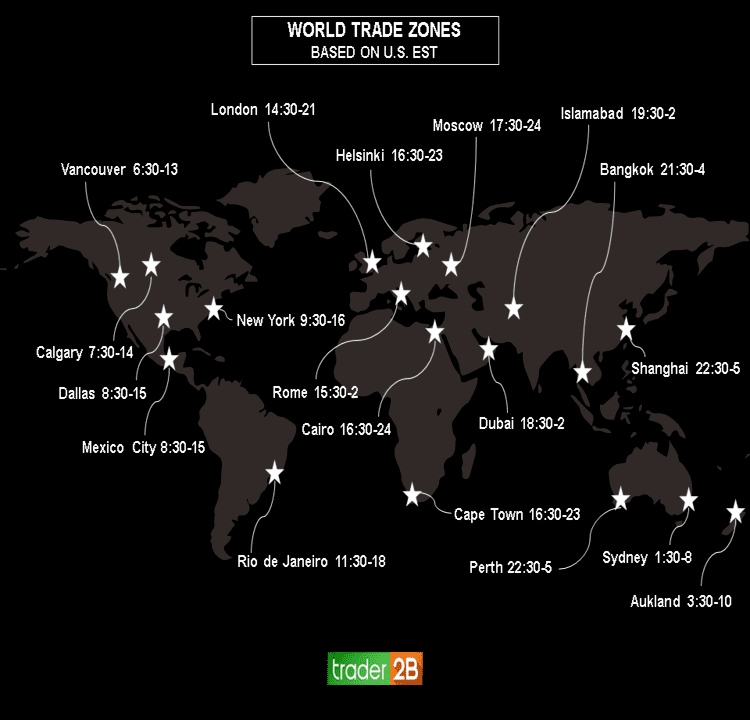
For the retail investor, the best practice is often to avoid the noise of the first and last 15 minutes of the day unless you are a specialized day trader. For those building long-term wealth, the “mid-day” period—between 11:00 AM and 2:00 PM ET—often provides a more stable environment for entering positions.
Ultimately, the question of “what time do the stocks open” is an invitation to look at the broader landscape of global finance. By understanding the core hours of the NYSE, the influence of international exchanges, and the strategic importance of the opening and closing windows, you can move from being a reactive participant to a proactive strategist. In the world of money, those who respect the clock are the ones best positioned to capitalize on the opportunities it creates.
aViewFromTheCave is a participant in the Amazon Services LLC Associates Program, an affiliate advertising program designed to provide a means for sites to earn advertising fees by advertising and linking to Amazon.com. Amazon, the Amazon logo, AmazonSupply, and the AmazonSupply logo are trademarks of Amazon.com, Inc. or its affiliates. As an Amazon Associate we earn affiliate commissions from qualifying purchases.