
The annual emergence of Spirit Halloween is more than just a retail event; it is a cultural phenomenon that signals the transition of seasons for millions of consumers. While the literal answer to “when does Spirit Halloween open” typically falls between late July and early August, the strategic “why” and “how” behind this timeline offer a profound case study in brand management, real estate agility, and consumer psychology. Spirit Halloween has successfully transitioned from a mere costume shop to a powerhouse brand that dominates the seasonal landscape, effectively “owning” a holiday through a business model that many experts once deemed unsustainable.

To understand the opening schedule of Spirit Halloween is to understand the mechanics of the pop-up economy. By examining the brand’s strategy, we can uncover how a temporary retail entity manages to maintain year-round relevance and build a cult-like following that rivals permanent, high-street luxury brands.
The Seasonal Phenomenon: Timing as a Core Brand Identity
For Spirit Halloween, the “opening” is not just a date on a calendar; it is a high-stakes marketing launch. Most locations begin their rollout in early August, with flagship stores often opening in late July. This timing is a deliberate brand move designed to capture the “early adopter” segment of the Halloween market—enthusiasts who begin planning their displays and costumes months in advance.
The Psychology of Early Seasonal Entry
By opening doors while the summer sun is still high, Spirit Halloween creates a psychological shift in the consumer. This “seasonal creep” is a common marketing tactic, but Spirit executes it with a level of immersion that competitors like big-box retailers (Target or Walmart) cannot match. When a consumer asks “is Spirit Halloween open now?” in August, they are seeking an experience, not just a product. The brand leverages this early start to establish itself as the definitive authority on the holiday before the competition has even cleared their back-to-school aisles.
Scarcity and the “Limited Time” Narrative
The temporary nature of the stores—opening for roughly ten to twelve weeks—builds an inherent sense of urgency into the brand identity. This scarcity model ensures that foot traffic remains high throughout the season. Because the brand exists only in a fleeting window, every visit feels like an event. This urgency is a cornerstone of Spirit’s brand strategy, turning a routine shopping trip into a “treasure hunt” for the latest animatronics or licensed costumes that might not be restocked once they are gone.
The “Parasitic” Real Estate Model: Leveraging Brand Flexibility
One of the most fascinating aspects of Spirit Halloween’s brand strategy is its physical footprint. The company does not own its stores; instead, it operates on a sophisticated “parasitic” real estate model, occupying the “corpses” of defunct big-box retailers. This strategy has become so synonymous with the brand that it has entered the realm of internet memes, where any closing business is immediately joked about as a future Spirit Halloween location.
Turning Liability into Brand Equity
Spirit Halloween’s real estate team works year-round to identify vacant storefronts—former Sears, Toys “R” Us, or Bed Bath & Beyond locations. By moving into these spaces, Spirit performs a form of retail alchemy. They take a symbol of economic decline and turn it into a vibrant, high-energy destination. This agility allows the brand to maintain a massive physical presence without the overhead of long-term leases or property maintenance.
From a brand strategy perspective, this is a masterstroke. It positions Spirit Halloween as a resilient, adaptable entity that can thrive where others have failed. The brand is perceived as a “resurrector” of dead spaces, which aligns perfectly with its spooky, supernatural theme.
Logistics as a Competitive Advantage
The logistical feat required to open over 1,400 stores in a matter of weeks is a testament to the brand’s operational excellence. Each location is essentially a kit that can be deployed rapidly. This allows for a consistent brand experience across diverse geographical locations. Whether a shopper enters a Spirit in a suburban mall in Ohio or a repurposed warehouse in Los Angeles, the branding, smell, lighting, and layout remain strikingly consistent. This consistency is vital for building national brand trust in a business that disappears for nine months of the year.
Experience Marketing: Transforming Vacant Spaces into Destinations
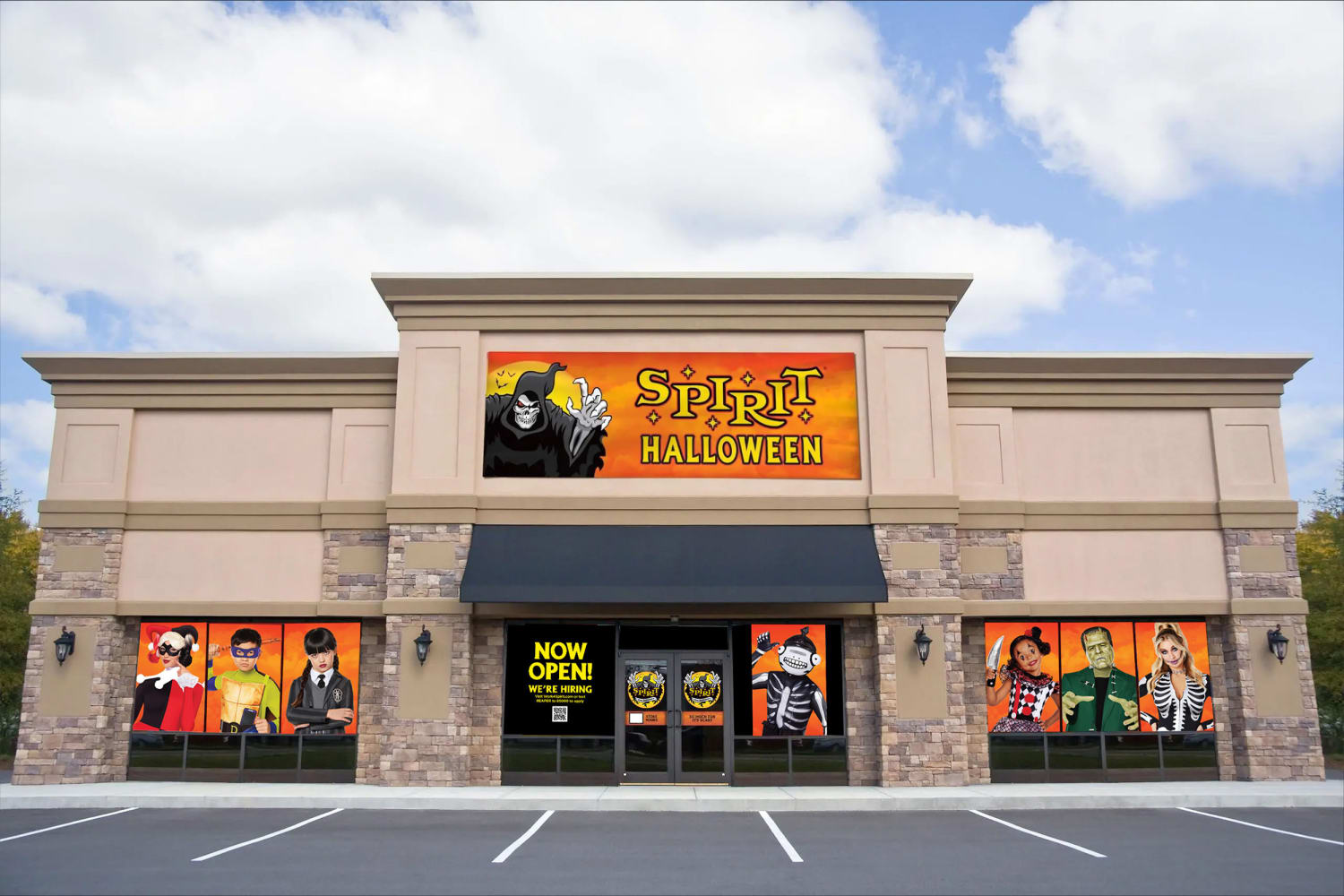
Spirit Halloween does not just sell costumes; it sells an immersive experience. This is what separates it from the Halloween aisle at a grocery store. The brand has mastered “retailtainment,” ensuring that the moment a customer walks through the door, they are transported into a different world.
The Animatronic Attraction
A key element of the Spirit Halloween brand experience is the “ISE” (In-Store Experience). This usually involves elaborate displays of life-sized animatronics that customers can trigger with step pads. These displays serve multiple branding purposes:
-
Dwell Time: They encourage customers to stay in the store longer, increasing the likelihood of impulse purchases.
-
Social Sharing: The displays are highly “Instagrammable,” leading to massive amounts of free user-generated content on platforms like TikTok and Instagram.
-
Brand Authority: By producing their own exclusive, high-end animatronics, Spirit positions itself as a premium hobbyist shop, not just a discount costume outlet.
The Power of Licensed Partnerships
Spirit’s brand strength is bolstered by its extensive portfolio of licensed IP (Intellectual Property). From Stranger Things and Beetlejuice to Hocus Pocus and Ghostbusters, the brand secures exclusive rights to the most trending characters. This makes Spirit the “official” home for fandom-based costumes. For the consumer, the opening of Spirit Halloween represents the only place where they can find high-quality, officially sanctioned merchandise for their favorite media properties. This exclusivity creates a powerful brand moat that protects Spirit from generic competitors.
Brand Loyalty and the “Halloween Enthusiast” Persona
The success of Spirit Halloween is deeply rooted in its understanding of its core audience. The brand does not just target parents looking for toddler outfits; it targets the “Halloween Enthusiast”—a demographic that treats the holiday as a lifestyle.
Cultivating the Super-Fan
Spirit Halloween has nurtured a community of fans who track store openings with the fervor of concert-goers. The brand engages this community through social media countdowns and “sneak peeks” of new products months before the stores open. By treating their product reveals like movie trailers, they build a level of anticipation that sustains the brand during the off-season.
The Spencer’s Connection
Spirit Halloween is a subsidiary of Spencer’s, a brand with a long history of edgy, youth-oriented retail. This lineage is evident in Spirit’s branding. It carries an “edge” that appeals to teenagers and young adults, while still remaining accessible to families. This dual-appeal is difficult to achieve, but Spirit manages it by segmenting its store layout—family-friendly costumes in the front, and more “mature” or high-horror items toward the back. This strategic store mapping ensures that the brand doesn’t alienate any segment of its broad audience.
Memetic Marketing and Cultural Relevance
Perhaps no other brand has embraced its own status as a meme as effectively as Spirit Halloween. The company frequently engages with online jokes about its rapid store setups. By leaning into the “Spirit Halloween is coming for your job/business” memes, the brand stays relevant in the digital conversation without spending millions on traditional advertising. This self-aware branding makes the company feel modern and approachable, fostering a sense of loyalty among Gen Z and Millennial consumers who value brand authenticity and humor.
Future-Proofing the Ghost: Adaptation in the Digital Age
As retail moves increasingly online, many questioned whether a seasonal pop-up could survive. However, Spirit Halloween has proven remarkably resilient by integrating digital strategy into its physical-first model.
The Omnichannel Ghost
While the physical “opening” is the main event, the Spirit Halloween website operates year-round. This allows the brand to capture revenue from “Summerween” parties, theater troupes, and professional haunters during the off-season. The online store serves as a digital catalog that builds excitement for the physical store experience. The brand uses its digital data to determine which licenses are trending, which then informs the inventory levels for the physical pop-ups in the fall.
Sustainability of the Pop-Up Model
In an era of “retail apocalypse,” Spirit Halloween’s model is actually becoming the blueprint for future commerce. Landlords who once scoffed at temporary tenants are now courting Spirit as a way to drive foot traffic to their struggling malls. The brand’s ability to generate massive traffic in a short window provides a “halo effect” for neighboring businesses, making Spirit an essential part of the modern retail ecosystem.
Conclusion: Why the “Open” Matters
When we ask “when does Spirit Halloween open,” we are really asking when the “Halloween Season” officially begins. Spirit Halloween has successfully tied its brand identity to the season itself. It is no longer just a store; it is a harbinger of autumn, a curator of pop culture, and a master of real estate logistics. Through clever branding, immersive experiences, and a deep understanding of consumer psychology, Spirit Halloween has created a business model that is as enduring as the ghosts it sells. Its opening isn’t just a retail event—it is the triumphant return of a brand that has mastered the art of the temporary.
aViewFromTheCave is a participant in the Amazon Services LLC Associates Program, an affiliate advertising program designed to provide a means for sites to earn advertising fees by advertising and linking to Amazon.com. Amazon, the Amazon logo, AmazonSupply, and the AmazonSupply logo are trademarks of Amazon.com, Inc. or its affiliates. As an Amazon Associate we earn affiliate commissions from qualifying purchases.