
Bitcoin, the pioneering cryptocurrency, has carved out a unique and often enigmatic position in the global financial landscape. Its meteoric rise from a niche digital experiment to a trillion-dollar asset class has consistently captured headlines and sparked intense debate among investors, economists, and the general public. The question “why are Bitcoins so high?” is more than just about a fluctuating price; it delves into fundamental economic principles, market psychology, technological innovation, and evolving global financial narratives. This article aims to unpack the multifaceted drivers behind Bitcoin’s elevated valuation, strictly from a financial and investment perspective, offering a professional and insightful exploration into what makes this digital asset so valuable.

The Fundamentals of Scarcity and Demand
At its core, Bitcoin’s value proposition is heavily influenced by classic economic principles of supply and demand, amplified by its unique digital architecture. Understanding these foundational elements is crucial to grasping its price dynamics.
Capped Supply and Halving Events
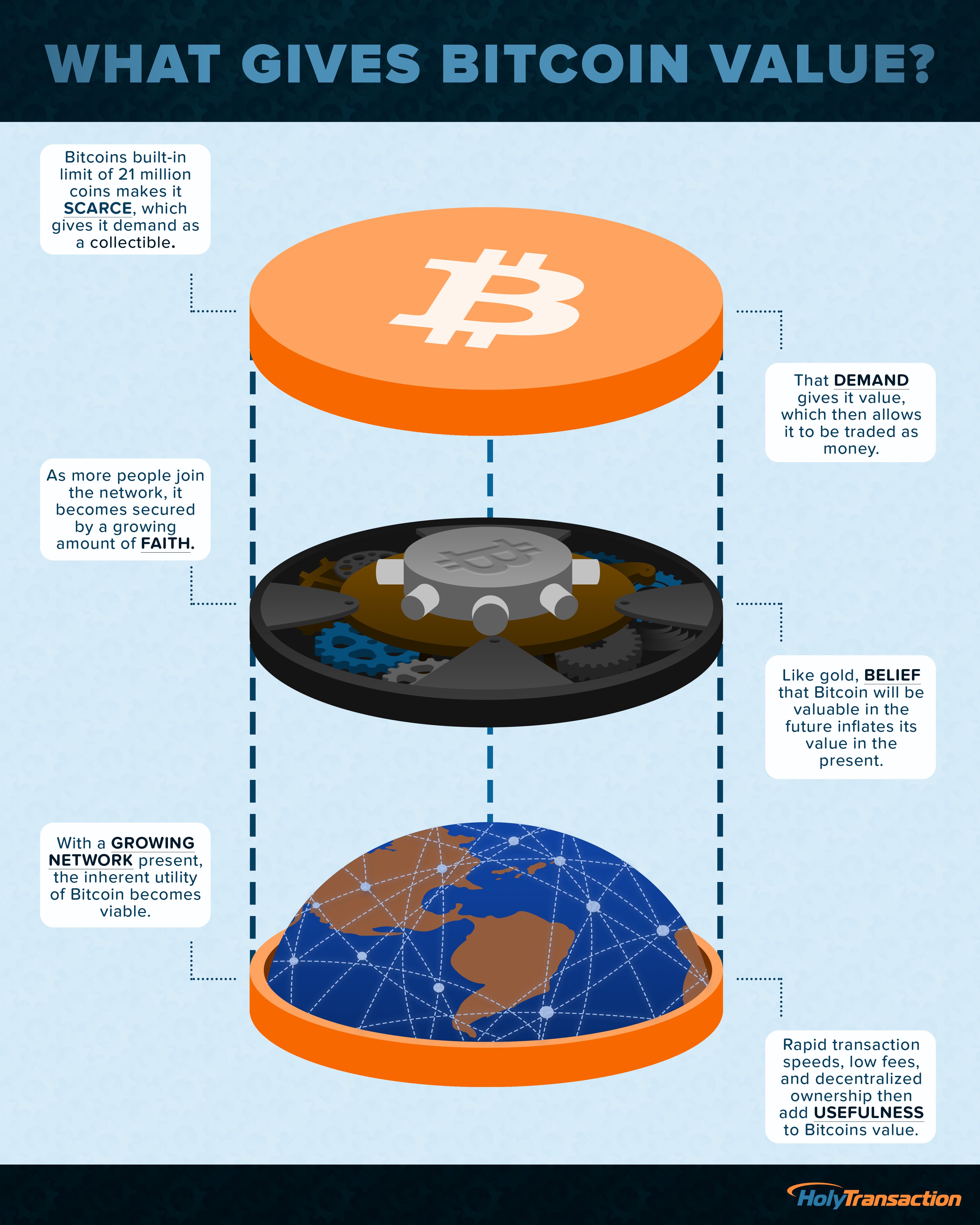
One of Bitcoin’s most defining characteristics is its absolute scarcity. Unlike fiat currencies that can be printed infinitely by central banks, Bitcoin has a hard cap of 21 million coins that will ever be created. This predetermined, finite supply stands in stark contrast to traditional monetary systems and positions Bitcoin as a truly scarce asset.
Furthermore, the rate at which new Bitcoins are introduced into circulation is programmatically reduced over time through a mechanism known as “halving.” Approximately every four years (or every 210,000 blocks), the reward miners receive for validating transactions is cut in half. This process steadily decreases the new supply entering the market, creating predictable supply shocks. Each halving event historically precedes a significant price rally, as the reduced issuance rate clashes with sustained or increasing demand, further cementing Bitcoin’s appeal as a deflationary asset in a world grappling with inflation. This predictable scarcity, built directly into its code, is a powerful driver of its long-term value appreciation.
Growing Adoption and Network Effects
Beyond scarcity, the utility and acceptance of Bitcoin have been steadily expanding, feeding a powerful network effect. As more individuals, businesses, and institutions adopt Bitcoin for various purposes—from payments and remittances to a store of value and collateral—its perceived value and practical utility increase.
Initially dismissed as a tool for illicit activities, Bitcoin has matured into a legitimate asset class. Payment processors are integrating it, major corporations are adding it to their balance sheets, and mainstream financial services are offering Bitcoin-related products. This growing acceptance, combined with its accessibility globally, means that the more people use and hold Bitcoin, the more valuable it becomes to each participant in the network. This reinforcing loop, where utility begets adoption, and adoption begets value, is a critical component of its “high” price. Each new user or institution legitimizes the asset further, attracting more capital and solidifying its position within the global financial system.
Macroeconomic Tailwinds and Investor Sentiment
Bitcoin’s ascent cannot be fully understood without acknowledging the broader macroeconomic environment and the evolving sentiment among investors seeking alternative financial instruments.
Inflation Hedging and Store of Value Narrative
In an era characterized by unprecedented levels of quantitative easing and rising inflation concerns across major economies, Bitcoin has increasingly been embraced as a potential hedge against currency debasement. Traditional safe-haven assets like gold have historically fulfilled this role, but Bitcoin’s “digital gold” narrative has gained significant traction. Its decentralized nature, finite supply, and resistance to censorship make it an attractive alternative for investors worried about governments devaluing fiat currencies through excessive money printing.
When the purchasing power of traditional currencies erodes, investors seek assets that can preserve or grow their wealth. Bitcoin’s programmatic scarcity and growing liquidity position it as a viable candidate for this role. The narrative that Bitcoin is “sound money” in a world of increasingly unsound fiat currencies resonates deeply with a growing segment of investors, driving substantial capital into the asset and contributing significantly to its elevated price.
Institutional Influx and Regulatory Clarity
A pivotal shift in Bitcoin’s valuation trajectory has been the increasing participation of institutional investors. What was once the domain of retail speculators and tech enthusiasts has now drawn the attention of hedge funds, asset managers, corporate treasuries, and even sovereign wealth funds. The introduction of regulated financial products, such as Bitcoin Exchange Traded Funds (ETFs) in various jurisdictions, has opened the floodgates for a broader range of traditional investors to gain exposure to Bitcoin without directly holding the underlying asset.
This institutional influx provides massive liquidity and legitimacy to the market. When large financial entities allocate even a small percentage of their vast portfolios to Bitcoin, the sheer volume of capital can dramatically impact its price. Coupled with gradually improving regulatory frameworks in many parts of the world, which offer greater clarity and reduce perceived risks for institutional players, this trend has transformed Bitcoin from a fringe asset into a recognized, albeit volatile, component of diversified investment portfolios.
Global Economic Uncertainty
Periods of geopolitical instability, economic crises, and uncertainty often lead investors to seek safe havens or uncorrelated assets. Bitcoin, with its global accessibility and decentralized nature, has sometimes acted as a flight-to-safety asset during such times. While its volatility can be high, its ability to transcend national borders and political interference makes it appealing to those looking to diversify away from traditional financial systems or protect wealth in unstable regions. The perception that Bitcoin is “outside the system” can be a powerful draw during times of systemic doubt, channeling capital into the asset and bolstering its price.
Market Dynamics and Speculative Factors

While fundamental drivers are crucial, market dynamics and speculative forces undeniably play a significant role in Bitcoin’s rapid price movements and high valuations.
Supply-Demand Imbalances on Exchanges
The relatively small order books on cryptocurrency exchanges, compared to traditional markets, mean that even moderately large buy or sell orders can have a disproportionate impact on Bitcoin’s price. When there’s a surge of buying pressure, the limited liquidity at certain price levels can cause the price to “gap up” quickly as buyers sweep through available sell orders. Conversely, a concentrated selling event can lead to rapid price declines. This imbalance, especially during periods of heightened interest, can create swift, dramatic price swings that push Bitcoin’s valuation higher in bull markets.
Derivatives Markets and Leverage
The maturation of Bitcoin’s derivatives markets, including futures, options, and perpetual swaps, has introduced complex financial instruments that amplify price movements. These products allow traders to speculate on Bitcoin’s future price without owning the underlying asset, often utilizing significant leverage. While leverage can magnify gains, it also increases risk. During strong upward trends, leveraged long positions can create a cascading effect: rising prices trigger liquidations of short positions, further fueling the rally, and vice-versa in downtrends. This intricate interplay between spot markets and derivatives can accelerate price discovery and contribute to Bitcoin’s often explosive upward (and downward) trajectories.
Retail FOMO (Fear Of Missing Out)
Human psychology, particularly the “Fear Of Missing Out” (FOMO), is a powerful speculative driver in rapidly appreciating markets. When Bitcoin experiences significant price rallies, mainstream media attention intensifies, attracting a wave of retail investors who do not want to be left behind. This influx of new capital, often driven by emotion rather than fundamental analysis, can create a self-fulfilling prophecy, pushing prices even higher in the short term. While this can lead to speculative bubbles, it also demonstrates the power of collective market sentiment in influencing asset valuations.
Technological Evolution and Ecosystem Growth (from a Money perspective)
Beyond its initial design, Bitcoin’s ecosystem continues to evolve, adding layers of utility and integration that enhance its financial value proposition.
Improving Scalability and Utility
While Bitcoin’s base layer is designed for security and decentralization, not speed or cheap transactions, innovations built on top of Bitcoin are enhancing its utility as a monetary network. The Lightning Network, for instance, offers a second layer solution that enables near-instant, low-cost Bitcoin transactions, making it more viable for micro-payments and everyday commerce. From a financial perspective, increasing Bitcoin’s practical utility for transactions makes it a more versatile form of “digital money,” thereby increasing its demand and value. Enhanced scalability and utility make Bitcoin a more compelling asset for diverse financial applications, moving beyond just a store of value.
DeFi Integration and Interoperability
Bitcoin’s integration into the broader Decentralized Finance (DeFi) ecosystem, primarily through Wrapped Bitcoin (WBTC) and other bridging solutions, has opened up new avenues for its financial utility. Bitcoin can now be used as collateral in lending protocols, participate in yield-generating strategies, and be traded on decentralized exchanges. This interoperability increases the demand for Bitcoin within the burgeoning DeFi space, adding new use cases beyond simple HODLing. By becoming a foundational asset within the innovative DeFi landscape, Bitcoin’s overall financial ecosystem grows, contributing to its sustained high valuation.
The Future Outlook and Potential Headwinds
Bitcoin’s journey is far from over, and its future valuation will continue to be shaped by a complex interplay of forces.
Continued Mainstream Integration
The trend of mainstream integration is likely to continue. Further regulatory clarity, the potential for more spot Bitcoin ETFs globally, and increasing corporate and even national treasury adoption could inject vast amounts of new capital into the market. As financial infrastructure around Bitcoin matures, it becomes easier and safer for a wider array of investors to participate.
Regulatory Risks and Geopolitical Shifts
However, potential headwinds exist. Governments worldwide are still grappling with how to regulate cryptocurrencies, and overly restrictive policies could stifle innovation or make Bitcoin less attractive. Geopolitical shifts, such as the emergence of central bank digital currencies (CBDCs) or coordinated international efforts to curb decentralized assets, could also pose challenges to Bitcoin’s growth.
Market Volatility and Risk Management
Despite its high valuation, Bitcoin remains a highly volatile asset. Its price is subject to dramatic swings, driven by market sentiment, macroeconomic news, and regulatory developments. Investors approaching Bitcoin must do so with a clear understanding of these risks, emphasizing diversification and a long-term perspective. While the reasons for its high price are numerous and compelling, judicious risk management remains paramount.
In conclusion, Bitcoin’s “high” valuation is not a simple phenomenon but the result of a powerful confluence of factors. Its programmed scarcity and deflationary economics underpin its value, while increasing global adoption and network effects build a robust demand side. Macroeconomic trends, particularly concerns about inflation and currency debasement, have positioned Bitcoin as a viable alternative asset. Simultaneously, the legitimization brought by institutional investors, coupled with the speculative dynamics of modern financial markets, fuels its price surges. As its technological utility expands and its integration into the broader financial ecosystem deepens, Bitcoin continues to solidify its position as a significant and transformative asset class in the 21st century.
aViewFromTheCave is a participant in the Amazon Services LLC Associates Program, an affiliate advertising program designed to provide a means for sites to earn advertising fees by advertising and linking to Amazon.com. Amazon, the Amazon logo, AmazonSupply, and the AmazonSupply logo are trademarks of Amazon.com, Inc. or its affiliates. As an Amazon Associate we earn affiliate commissions from qualifying purchases.