
Car insurance is a mandatory financial commitment for nearly every driver, yet its cost can vary dramatically from one individual to another. For many, it represents a significant recurring expense, making the quest for the cheapest possible premium a perpetual goal. Understanding who typically qualifies for lower rates isn’t about finding a magic bullet, but rather about dissecting the myriad factors that insurance companies use to assess risk and price their policies. From demographic details to driving habits, vehicle specifications, and even geographical location, a complex algorithm determines your annual or monthly outlay. This article delves into the various elements that influence car insurance costs, identifying the profiles that typically secure the most affordable coverage, and providing actionable insights for all drivers seeking to minimize their premiums. In the realm of personal finance, optimizing car insurance costs is a critical step towards better budgeting and financial health, transforming a seemingly unavoidable expense into an area ripe for strategic savings.
Decoding the Driver Profile: Demographic and Personal Factors
Insurance companies are essentially in the business of risk assessment. The more likely you are to file a claim, the higher your premium. Consequently, certain demographic and personal characteristics, statistically linked to lower risk, translate into cheaper car insurance.
The Age Variable: Youth, Experience, and Seniority
Age is arguably one of the most significant determinants of car insurance costs.
- Young Drivers (Under 25): Statistically, this group faces the highest premiums. Teenagers and drivers in their early twenties are considered high-risk due to a lack of driving experience, higher rates of accidents, and often, a propensity for risky driving behaviors. Premiums typically begin to decrease significantly once a driver turns 25, assuming a clean driving record.
- Experienced Drivers (25-65): This demographic usually enjoys the most favorable rates. Drivers in this age range are perceived as mature, experienced, and less prone to accidents. Their rates tend to stabilize or even decrease over time, especially if they maintain a spotless driving history. This period represents the sweet spot for affordable coverage.
- Seniors (65+): As drivers age into their late 60s and 70s, premiums can sometimes begin to rise again, though typically not to the levels seen by young drivers. This increase is often due to age-related factors such as slower reaction times, vision impairment, and increased likelihood of injuries in an accident. However, many senior drivers benefit from discounts for safe driving courses or low mileage.
Marital Status and Credit Score: Unexpected Influencers
Beyond age, other personal details play a subtle yet impactful role in premium calculation.
- Marital Status: Married individuals often receive lower insurance rates than single, divorced, or widowed drivers. Actuarial data suggests that married drivers are statistically less likely to be involved in accidents and file claims. They are perceived as more stable and responsible, leading to a small but noticeable discount.
- Credit Score (Credit-Based Insurance Score): In most states (excluding a few that prohibit its use, like California, Hawaii, and Massachusetts), an individual’s credit score significantly influences car insurance premiums. Insurers use “credit-based insurance scores,” which are similar to standard credit scores but tailored to predict insurance claim likelihood. People with excellent credit scores are statistically less likely to file claims, making them lower risk and therefore eligible for cheaper rates. Conversely, a poor credit score can lead to substantially higher premiums, sometimes even doubling the cost for an otherwise identical driver. Maintaining good financial health through diligent credit management is thus a direct pathway to lower insurance costs.
Your Driving Record: The Ultimate Premium Predictor
No factor weighs more heavily on your insurance premium than your driving record. It’s the most direct indicator of your risk level.
- Clean Driving Record: Drivers with no accidents, traffic violations (speeding tickets, reckless driving), or DUIs (Driving Under the Influence) on their record consistently qualify for the cheapest rates. A clean slate demonstrates responsibility and low risk.
- Accidents and Violations: Even a single at-fault accident or a minor speeding ticket can cause premiums to jump, sometimes by 20% to 50% or more, for several years. Major violations like DUIs, reckless driving, or multiple serious offenses can make finding affordable insurance extremely challenging, often requiring high-risk policies at exorbitant prices, or even leading to policy cancellation.
- Annual Mileage: The less you drive, the less exposure you have to potential accidents. Drivers with low annual mileage (e.g., less than 7,500 miles per year) often qualify for “low-mileage” discounts, as they are on the road less frequently than the average commuter.
Vehicle Characteristics and Geographical Impact
The car you drive and where you drive it are equally pivotal in determining your insurance costs. These factors dictate the potential cost of repairs, theft risk, and overall accident likelihood.
Car Type and Features: More Than Just Aesthetics
The make, model, and specific features of your vehicle significantly impact how much you pay.
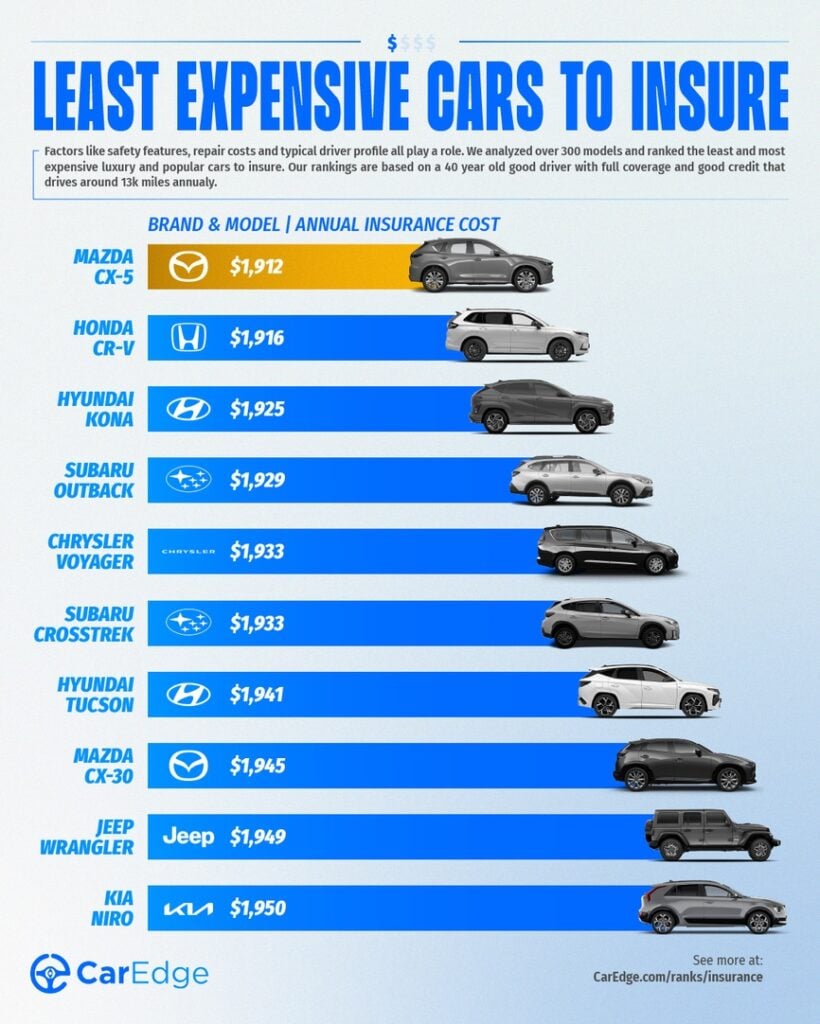
- Safety Ratings: Cars with high safety ratings tend to have lower premiums for personal injury protection and medical payments coverage, as occupants are less likely to be severely injured in an accident. Features like automatic emergency braking, lane-keeping assist, and blind-spot monitoring can also lead to discounts.
- Theft Rates: Vehicles that are popular targets for theft often come with higher comprehensive insurance premiums. Insurance companies track theft statistics by make and model, and if your car is frequently stolen, you’ll pay more to cover that risk.
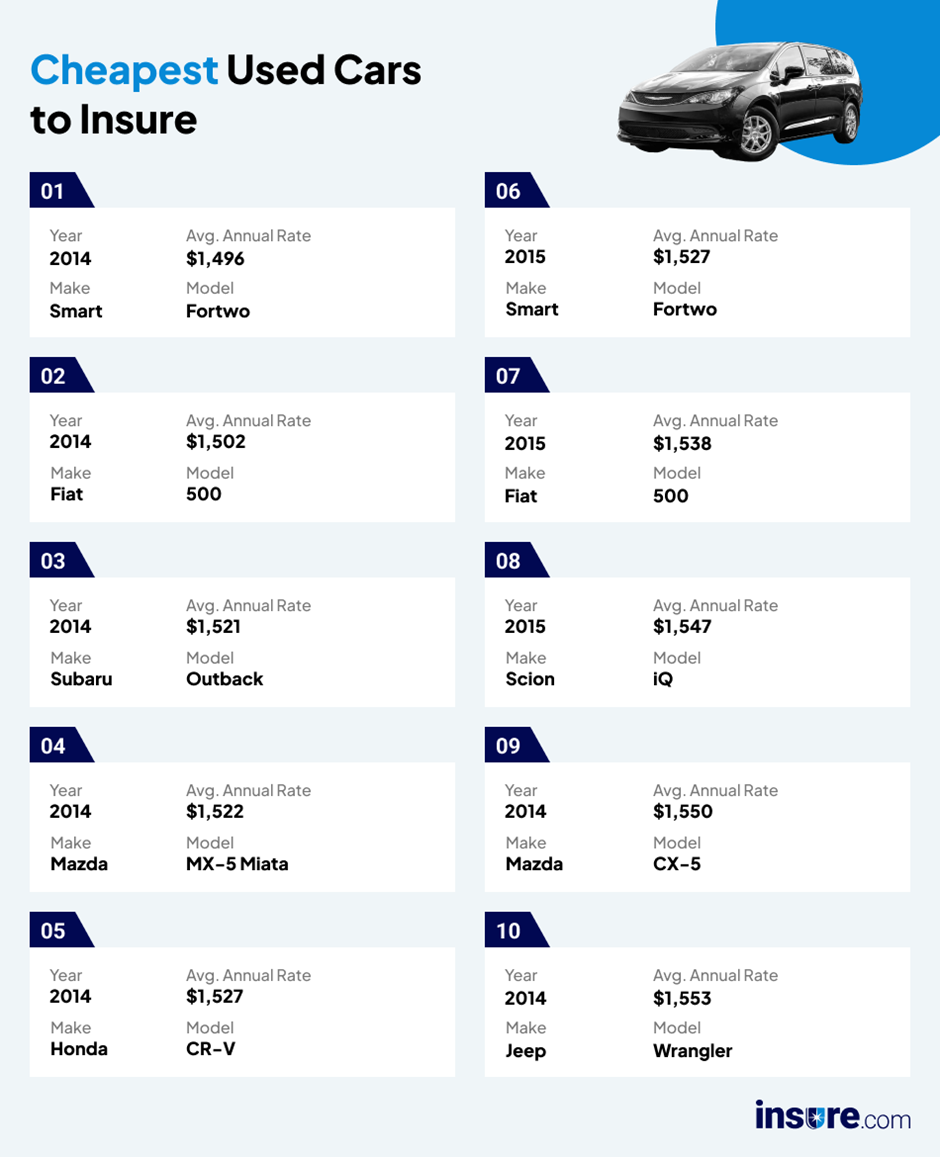
- Repair Costs: Luxury vehicles, sports cars, and cars with expensive, specialized parts typically cost more to repair after an accident. This drives up collision and comprehensive premiums. Conversely, common sedans or older, more standard models with readily available, cheaper parts often have lower repair-related insurance costs.
- Horsepower and Performance: High-performance vehicles, especially sports cars with powerful engines, are associated with higher risk due as they are statistically more likely to be driven aggressively and involved in high-speed accidents. This translates to higher premiums for both collision and liability coverage.
- Age of Vehicle: While newer cars often have advanced safety features that can lower some aspects of insurance, their higher value means comprehensive and collision coverage can be more expensive. Older cars, especially those with minimal market value, might be cheaper to insure for comprehensive and collision (or you might opt to drop these coverages altogether), but liability remains a constant.
Location, Location, Location: Urban vs. Rural Rates
Where you live and park your car has a substantial impact on your insurance premiums, sometimes even more than your individual driving habits.
- Population Density: Urban areas typically have higher accident rates, more traffic, and increased risks of theft and vandalism. Drivers in densely populated cities nearly always pay more for car insurance than those in suburban or rural areas.
- Local Accident and Crime Rates: Insurers analyze historical data for specific zip codes, considering the frequency of accidents, car thefts, and vandalism. If your neighborhood has a high rate of these incidents, your premiums will reflect that elevated risk, even if you’ve never been involved in one.
- Weather Patterns: Regions prone to severe weather events (e.g., hurricanes, hailstorms, floods) may see higher comprehensive coverage costs due to increased claims for weather-related damage.
- Commute Distance: Even within a given location, a longer daily commute can increase your premiums because it means more time spent on the road and thus greater exposure to risk.
Navigating Coverage Options and Policy Choices
Beyond personal profiles and vehicle details, the choices you make about your actual insurance policy – what types of coverage you select and how much of it – directly dictate your premium. This is an area where informed financial decisions can lead to significant savings.
The Spectrum of Coverage: Liability to Comprehensive
Understanding the different types of car insurance is crucial for tailoring a policy that meets your needs without overspending.
- Liability Coverage: This is the foundational and often legally required type of insurance. It covers damages (bodily injury and property damage) you cause to other people if you are at fault in an accident. Choosing higher liability limits beyond the state minimum, while increasing premiums slightly, is often a wise financial decision, as it protects your assets from large lawsuits. However, opting for only the state minimum (if financially viable to absorb greater personal risk) will yield the cheapest initial premium.
- Collision Coverage: This pays for damages to your car resulting from an accident with another vehicle or object, regardless of who is at fault. It’s often required if you have a car loan or lease. Dropping collision coverage on older, lower-value vehicles is a common strategy to reduce premiums, as the cost of the coverage might outweigh the car’s actual worth.
- Comprehensive Coverage: This covers damages to your car from non-collision events, such as theft, vandalism, fire, natural disasters (hail, floods), and hitting an animal. Like collision, it’s typically required for financed or leased vehicles. The same principle applies: consider dropping it for very old, low-value cars.
- Uninsured/Underinsured Motorist (UM/UIM): This protects you if you’re hit by a driver who has no insurance or insufficient insurance to cover your damages. It’s a crucial but optional coverage in many states.
- Personal Injury Protection (PIP) or Medical Payments (MedPay): These cover medical expenses for you and your passengers after an accident, regardless of fault. PIP is more extensive and includes lost wages.
Drivers who opt for only the legally mandated minimum liability coverage will inherently have the cheapest policies. However, this is often a financially risky decision, leaving individuals vulnerable to substantial out-of-pocket expenses in the event of a serious accident. The truly cheapest car insurance balances minimum requirements with adequate protection.
Deductibles and Limits: Balancing Risk and Cost
Two key financial levers within your policy are deductibles and policy limits.
- Deductibles: This is the amount you agree to pay out-of-pocket for a covered claim before your insurance kicks in (for collision and comprehensive). Choosing a higher deductible (e.g., $1,000 instead of $250 or $500) will significantly lower your premium. This strategy is ideal for financially stable individuals who have an emergency fund capable of covering the deductible, as it means you are taking on more of the initial risk yourself.
- Policy Limits: These define the maximum amount your insurer will pay for a covered loss. While lower liability limits mean cheaper premiums, they also expose you to greater personal financial risk if you cause a serious accident that exceeds those limits. Generally, increasing your liability limits offers substantial additional protection for a relatively small increase in premium. For the absolute cheapest stated premium, opting for the lowest legal limits is the path, but again, with significant financial peril.
Smart Strategies for Reducing Your Premiums
Even if you don’t fit the “perfect driver” profile, there are numerous proactive steps and financial strategies you can employ to significantly reduce your car insurance costs. These actions empower you to take control of your spending in the “Money” niche.
Unlocking Discounts: From Bundling to Good Grades
Insurance companies offer a wide array of discounts designed to reward certain behaviors or customer profiles. Leveraging these can be a powerful way to cut costs.
- Multi-Policy/Bundling Discount: One of the most common and effective discounts, this applies when you purchase multiple insurance policies (e.g., car and home insurance) from the same provider. Insurers often provide substantial savings (sometimes 10-25%) for bundled policies, as it increases customer loyalty.
- Good Student Discount: Students who maintain a B average (or 3.0 GPA) or higher can often qualify for discounts, recognizing that academic responsibility often correlates with responsible driving. This is particularly valuable for young drivers facing high premiums.
- Defensive Driving Course Discount: Completing an approved defensive driving course can not only refresh your skills but also earn you a discount, especially if you are an older driver or have minor infractions on your record.
- Low Mileage Discount: As mentioned, if you drive fewer miles than the average person, inquire about a low mileage discount. This is common for remote workers, retirees, or those who primarily use public transport.
- Safety Feature Discounts: Cars equipped with anti-lock brakes, airbags, anti-theft devices, GPS tracking systems, or advanced driver-assistance systems (ADAS) often qualify for various discounts, recognizing their role in preventing accidents or theft.
- Loyalty Discounts: Some insurers reward long-term customers with loyalty discounts. It’s always worth asking if your current provider offers this.
Leveraging Technology and Loyalty
Modern technology offers new avenues for personalized pricing and potential savings.
- Telematics/Usage-Based Insurance (UBI): Many insurers now offer programs where a device (or smartphone app) monitors your driving habits (speeding, hard braking, rapid acceleration, mileage, time of day driven). Safe drivers who enroll in these programs can earn significant discounts based on their actual driving behavior rather than just statistical averages. This is an excellent option for those confident in their cautious driving.
- Paying in Full: If you have the financial means, paying your annual premium upfront instead of in monthly installments can often save you money, as insurers typically add administrative fees for monthly billing.
- Automatic Payments/Paperless Billing: Setting up automatic payments or opting for paperless statements can sometimes net you a small discount, as it reduces administrative costs for the insurer.
The Power of Comparison and Regular Review
Perhaps the most critical financial strategy for cheap car insurance is diligent market research and regular policy review.
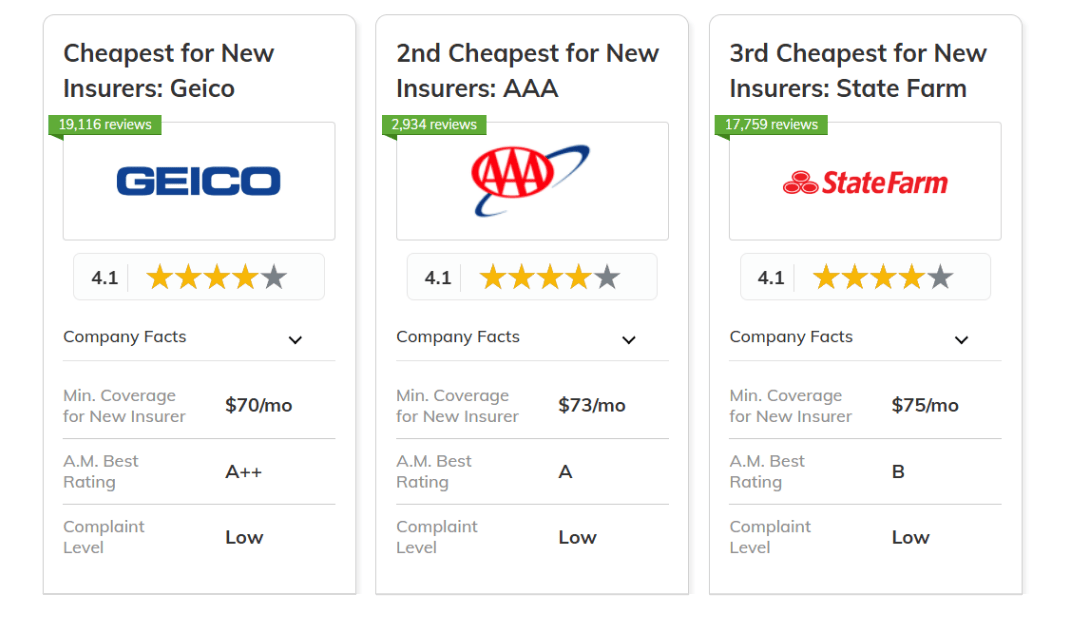
- Shop Around and Compare Quotes: Never settle for the first quote you receive, or simply renew with your existing provider without checking alternatives. Car insurance rates are highly competitive and can vary by hundreds or even thousands of dollars between companies for identical coverage. Use online comparison tools or work with an independent agent to get quotes from multiple insurers (national brands, regional providers, and direct-to-consumer options) at least once a year, or whenever a major life event occurs (new car, move, marriage, new driver in household).
- Review Your Policy Annually: Your insurance needs and circumstances change over time. Annually review your policy to ensure your coverage is still appropriate. You might be able to drop comprehensive or collision on an aging car, or remove a driver no longer living in your household.
- Understand Your Needs: Avoid being “under-insured” but also avoid being “over-insured.” Evaluate your assets and risk tolerance to select appropriate liability limits and deductibles. Don’t pay for coverage you genuinely don’t need, but ensure you have enough to protect your financial well-being.
Conclusion: A Holistic Approach to Affordable Car Insurance
The quest for the cheapest car insurance is not about a single factor, but rather a synergistic interplay of personal responsibility, informed choices, and diligent financial management. While certain demographics – notably experienced, married drivers with clean records, good credit, and standard vehicles – typically secure the lowest base rates, the landscape of car insurance is dynamic. Every driver, regardless of their starting profile, possesses the agency to influence their premiums.
By understanding how age, driving history, vehicle type, and location interact, and by proactively leveraging discounts, adopting smart coverage choices, and consistently shopping for the best rates, individuals can significantly reduce this essential financial obligation. It requires a professional, insightful approach to one’s personal finance strategy, treating car insurance not just as a necessary evil, but as an adjustable expense where strategic decisions can lead to substantial long-term savings. The truly cheapest car insurance is found by those who combine a low-risk profile with active engagement in optimizing their policy and maintaining a keen eye on the competitive market.
aViewFromTheCave is a participant in the Amazon Services LLC Associates Program, an affiliate advertising program designed to provide a means for sites to earn advertising fees by advertising and linking to Amazon.com. Amazon, the Amazon logo, AmazonSupply, and the AmazonSupply logo are trademarks of Amazon.com, Inc. or its affiliates. As an Amazon Associate we earn affiliate commissions from qualifying purchases.