
The share market, often perceived as a complex and intimidating realm, is in essence a global marketplace where individuals and institutions buy and sell ownership stakes in publicly traded companies. For many, it represents a potent avenue for wealth creation, a tool to combat inflation, and a means to participate in the growth of leading enterprises. However, navigating this dynamic environment requires a foundational understanding of its mechanics, risks, and opportunities. This comprehensive guide aims to demystify the share market, offering insights that empower aspiring and current investors to approach it with confidence and informed decision-making.
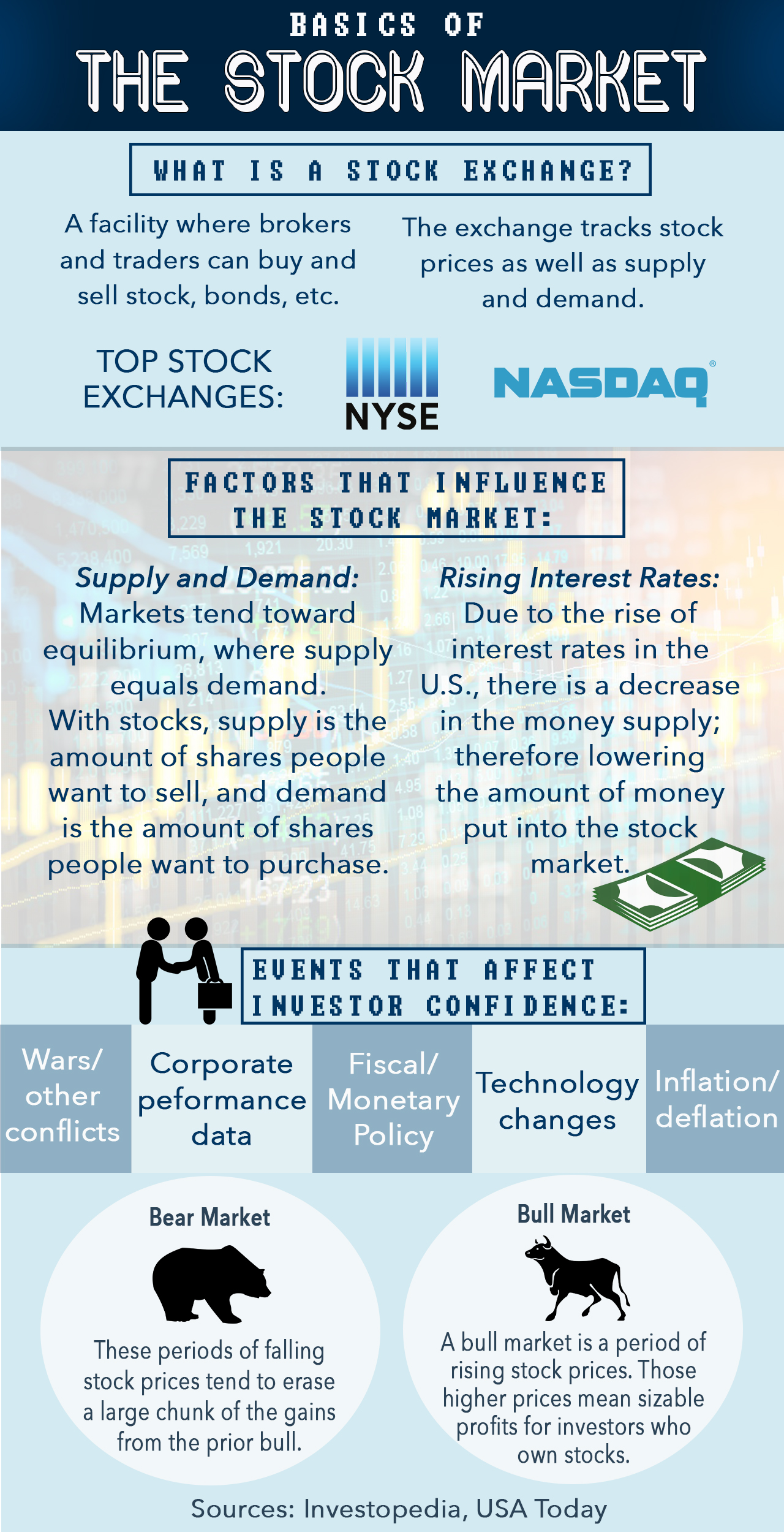
The Foundation: What is the Share Market?
At its core, the share market facilitates the exchange of financial instruments, primarily shares (also known as stocks). Understanding this fundamental concept is the first step towards grasping the broader ecosystem.
Defining Shares and Stocks
A share represents a single unit of ownership in a company. When you buy a share, you become a part-owner, a shareholder, and gain a proportionate claim on the company’s assets and earnings. The terms “share” and “stock” are often used interchangeably, particularly in American English, to refer to these ownership units. Companies issue shares to raise capital for various purposes, such as expanding operations, research and development, or debt repayment. In return, shareholders may benefit from the company’s success through capital appreciation (the increase in the share’s price) and/or dividends (a portion of the company’s profits distributed to shareholders).
Primary vs. Secondary Markets
The share market is broadly divided into two main segments:
- Primary Market: This is where new securities are issued for the first time. When a company decides to go public, it offers shares to investors through an Initial Public Offering (IPO). This process is how companies raise capital directly from the public. Once these shares are sold, the transaction moves to the secondary market.
- Secondary Market: This is where previously issued securities are traded among investors. Stock exchanges like the New York Stock Exchange (NYSE), NASDAQ, London Stock Exchange (LSE), or Bombay Stock Exchange (BSE) are examples of secondary markets. The vast majority of share market activity occurs in the secondary market, where prices fluctuate based on supply and demand, company performance, economic indicators, and investor sentiment.
Key Players and Market Structure
The share market is a complex web of participants, each playing a crucial role. Key players include:
- Issuers: Companies that issue shares to raise capital.
- Investors: Individuals (retail investors) and institutions (mutual funds, pension funds, hedge funds, insurance companies) who buy and sell shares.
- Brokers: Intermediaries who execute buy and sell orders on behalf of investors. They provide access to the exchanges.
- Exchanges: Regulated marketplaces where shares are traded. They provide the infrastructure and rules for trading.
- Regulators: Government bodies (like the SEC in the U.S. or SEBI in India) that oversee the market to ensure fairness, transparency, and protect investors.
Understanding these roles helps to appreciate the intricate mechanisms that govern how shares are bought, sold, and priced.
Why Invest in the Share Market?
Investing in the share market is not merely about speculation; it’s a strategic financial decision driven by several compelling benefits that can significantly contribute to long-term financial well-being.
Potential for Wealth Creation
Historically, the share market has outperformed most other asset classes over extended periods. While past performance is not indicative of future results, the compounding effect of returns—where earnings from your investments generate further earnings—can lead to substantial wealth accumulation over decades. Companies that grow their earnings and expand their businesses tend to see their share prices appreciate, directly benefiting their shareholders.
Beating Inflation
Inflation erodes the purchasing power of money over time. Holding cash or investing in low-yield savings accounts often means your money is losing value in real terms. The share market, with its potential for higher returns, offers one of the most effective hedges against inflation. By investing in companies whose products and services can adapt to rising costs, your portfolio has a better chance of not just keeping pace with inflation but also generating real growth.
Diversification and Income Streams (Dividends)
Investing in shares allows for portfolio diversification, meaning you can spread your investments across various industries, company sizes, and geographies. This helps mitigate risk, as a downturn in one sector might be offset by growth in another. Furthermore, many companies distribute a portion of their profits to shareholders in the form of dividends. These regular payouts can provide a steady stream of income, especially for retirees or those seeking supplemental cash flow, adding another dimension to your investment returns.
Essential Concepts for Aspiring Investors
Before diving into trading, it’s crucial to grasp several core concepts that govern market behavior and investment success. These principles form the bedrock of informed decision-making.
Market Volatility and Risk Management
The share market is inherently volatile, meaning prices can fluctuate significantly over short periods. This volatility is driven by a myriad of factors, including economic news, company-specific announcements, geopolitical events, and investor sentiment. While volatility presents opportunities, it also introduces risk. Effective risk management involves:
- Diversification: Not putting all your eggs in one basket by investing across different companies, industries, and asset classes.
- Asset Allocation: Strategically distributing your investments among various asset types (stocks, bonds, real estate) based on your risk tolerance and financial goals.
- Understanding Your Risk Tolerance: Knowing how much risk you are comfortable taking without losing sleep.
- Stop-Loss Orders: Using automated orders to sell a security if it drops to a certain price, limiting potential losses.
Fundamental vs. Technical Analysis
These are the two primary methodologies investors use to analyze shares:
- Fundamental Analysis: This involves evaluating a company’s intrinsic value by examining its financial statements (balance sheet, income statement, cash flow statement), management quality, industry trends, competitive landscape, and economic outlook. The goal is to determine if a share is undervalued or overvalued compared to its true worth.
- Technical Analysis: This involves studying historical price charts and trading volumes to identify patterns and predict future price movements. Technical analysts believe that all relevant information is already reflected in the share price and that past price behavior can indicate future trends. They use indicators like moving averages, relative strength index (RSI), and MACD to make trading decisions.
A balanced approach often involves using elements of both analyses.

Investment Strategies: Long-Term vs. Short-Term
Investors typically adopt strategies based on their investment horizon and objectives:
- Long-Term Investing (Buy and Hold): This strategy involves buying shares of fundamentally strong companies and holding them for several years, even decades, to benefit from compounding returns and company growth. It often requires patience and resilience during market downturns.
- Short-Term Investing/Trading: This involves buying and selling shares within shorter periods (days, weeks, or months) to capitalize on short-term price fluctuations. Examples include day trading, swing trading, and momentum trading. This strategy typically involves higher risk, requires more active monitoring, and often relies heavily on technical analysis.
Understanding Key Financial Ratios
Several financial ratios are crucial for evaluating a company’s health and investment potential:
- Price-to-Earnings (P/E) Ratio: Compares a company’s share price to its earnings per share, indicating how much investors are willing to pay for each dollar of earnings.
- Earnings Per Share (EPS): A company’s net profit divided by the number of outstanding shares, showing profitability on a per-share basis.
- Debt-to-Equity Ratio: Measures a company’s financial leverage, indicating how much debt it uses to finance its assets relative to shareholder equity.
- Return on Equity (ROE): Shows how much profit a company generates for each dollar of shareholders’ equity.
- Dividend Yield: The annual dividend per share divided by the share price, indicating the return an investor gets from dividends relative to the share’s cost.
Familiarity with these ratios empowers investors to make more informed decisions about a company’s financial standing and valuation.
Getting Started: Practical Steps
Embarking on your share market journey requires a structured approach. These practical steps will guide you from theoretical understanding to actual investment.
Setting Investment Goals and Risk Tolerance
Before placing your first trade, define what you want to achieve. Are you saving for retirement, a down payment, or a child’s education? Your goals will influence your investment horizon and asset allocation. Equally important is assessing your risk tolerance—your psychological and financial capacity to handle potential losses. A younger investor with a long time horizon might tolerate more risk than someone nearing retirement.
Choosing a Brokerage Account
To buy and sell shares, you’ll need an investment account with a reputable brokerage firm. Consider factors such as:
- Fees and Commissions: Look for competitive trading fees and annual account maintenance charges. Many brokers now offer commission-free trading for stocks and ETFs.
- Platform Features: Evaluate the user-friendliness of their trading platform, research tools, mobile app, and educational resources.
- Customer Service: Good customer support can be invaluable, especially for new investors.
- Investment Options: Ensure the broker offers access to the types of shares and markets you’re interested in.
Researching and Selecting Companies
This is arguably the most critical step. Don’t invest in a company just because you’ve heard a “hot tip.” Conduct your own due diligence:
- Understand the Business: Invest in companies whose business models you can comprehend. What do they do? How do they make money?
- Analyze Fundamentals: Review financial statements, growth prospects, competitive advantages, and management quality.
- Stay Informed: Follow industry news, company announcements, and economic developments that could impact your investments.
- Start Small: Begin with a small portion of your investable capital and gradually increase as you gain experience and confidence.
The Importance of Continuous Learning
The share market is constantly evolving. Successful investors are perpetual students. Dedicate time to reading financial news, books, and analytical reports. Attend webinars, listen to podcasts, and follow reputable financial experts. The more you learn, the better equipped you’ll be to adapt to changing market conditions and make sound decisions.
Common Pitfalls and How to Avoid Them
The path to share market success is fraught with potential missteps. Being aware of these common pitfalls can help you navigate the market more effectively and protect your capital.
Emotional Trading
One of the biggest enemies of an investor is emotion. Fear often leads to selling during market downturns, locking in losses, while greed can drive irrational buying during speculative bubbles. Successful investing requires discipline and a rational, long-term perspective. Develop a well-thought-out investment plan and stick to it, rather than making impulsive decisions based on market hype or panic.
Chasing Hot Tips
Relying on “hot tips” from friends, online forums, or unsubstantiated sources is a recipe for disaster. These tips often lack fundamental analysis and are usually too late to benefit from by the time you hear them. Always conduct your own research and make decisions based on verifiable information, not speculative rumors. If an investment sounds too good to be true, it probably is.
Lack of Diversification
Putting all your investment capital into a single share or a handful of shares from the same industry exposes you to significant risk. If that company or sector experiences a downturn, your entire portfolio could suffer. Diversification across different companies, industries, and asset classes helps spread risk and smooth out returns over time. Even within the share market, consider investing in exchange-traded funds (ETFs) or mutual funds that offer instant diversification across many companies.

Not Understanding What You Own
Many investors buy shares without truly understanding the underlying business. They might be drawn in by a trending stock or a compelling narrative without grasping the company’s financials, competitive landscape, or growth drivers. It’s crucial to invest only in businesses you understand and believe have sustainable long-term prospects. If you can’t articulate how the company makes money or what its competitive advantages are, it’s best to reconsider your investment.
In conclusion, understanding the share market is a journey, not a destination. It requires continuous learning, disciplined execution, and a patient mindset. By building a solid foundation of knowledge, setting clear goals, managing risk effectively, and avoiding common pitfalls, you can unlock the immense potential the share market offers for long-term financial growth and wealth creation.
aViewFromTheCave is a participant in the Amazon Services LLC Associates Program, an affiliate advertising program designed to provide a means for sites to earn advertising fees by advertising and linking to Amazon.com. Amazon, the Amazon logo, AmazonSupply, and the AmazonSupply logo are trademarks of Amazon.com, Inc. or its affiliates. As an Amazon Associate we earn affiliate commissions from qualifying purchases.