
In an era defined by a burgeoning “subscription economy,” consumers are often inundated with recurring charges for various services, from streaming platforms to productivity software and, indeed, satellite radio. While services like XM Radio offer unparalleled entertainment and utility, there comes a point for many when the value proposition diminishes, or personal financial priorities shift. Deciding to cancel an XM Radio subscription isn’t merely about ending a service; it’s a strategic move in personal finance, reflecting a conscious effort to optimize spending and reclaim budgetary control. This guide delves into how to approach the cancellation process not just as a task, but as an integral part of sound financial management, helping you free up funds and ensure every dollar aligns with your current priorities.

Understanding the Financial Implications of Unused Subscriptions
Before diving into the mechanics of cancellation, it’s crucial to appreciate why scrutinizing and potentially eliminating subscriptions like XM Radio is a powerful financial discipline. Recurring charges, especially for services that are underutilized, can silently erode your financial well-being.
The Drip-Drip Effect on Your Budget
Individually, an XM Radio subscription might seem like a minor expense. Perhaps it’s $10, $15, or $20 a month. However, when aggregated with other similar “small” subscriptions—a streaming service here, a fitness app there, a cloud storage plan—these figures quickly accumulate. This “drip-drip” effect can amount to hundreds, if not thousands, of dollars annually. For instance, a $15 monthly subscription totals $180 over a year. Multiply this by several such services, and you’re looking at a significant portion of your disposable income flowing out, often without conscious awareness or a thorough assessment of the value received. Recognizing this cumulative impact is the first step towards taking control.
Opportunity Cost of Unmanaged Expenses
Every dollar spent on an unused or underutilized subscription represents an opportunity cost. That $180 a year from an XM Radio subscription could instead contribute to an emergency fund, accelerate debt repayment, fund a small investment, or be allocated towards a meaningful experience. When subscriptions linger on your bank statement without providing commensurate value, you are essentially foregoing potential financial gains or missing out on funds that could better serve your short-term needs or long-term goals. A proactive review of your subscriptions compels you to consider these opportunity costs, pushing you to reallocate funds where they can generate greater personal or financial returns.
When Value No Longer Aligns with Cost
The initial decision to subscribe to XM Radio likely stemmed from a clear perception of value—perhaps for long commutes, specific programming, or an extensive music library. Over time, however, circumstances change. Your commute might shorten, your music tastes evolve, or free alternatives might satisfy your needs. When the utility or enjoyment derived from the service no longer justifies its recurring cost, it’s a clear signal for a financial reassessment. Regularly evaluating the return on investment (ROI) for each subscription is a hallmark of diligent personal finance. If XM Radio is now merely background noise or a service you rarely tune into, its cost represents an inefficient allocation of your financial resources.
Navigating the Cancellation Process with Financial Savvy
Cancelling a subscription, especially one from a well-established company, can sometimes feel daunting due to perceived complexity or potential retention efforts. However, approaching it with a clear financial objective can streamline the process and ensure a successful outcome.
Preparing for the Conversation (or Digital Steps)
Before you initiate contact, gather all pertinent account information: your account number, the email associated with the subscription, and perhaps your most recent bill. This preparation not only speeds up the process but also demonstrates your seriousness. Furthermore, be clear about your financial reasoning for canceling. Is it due to cost? Lack of use? A desire to save money for a specific goal? Having a concise, firm reason, rooted in your personal finance strategy, will empower you to navigate any retention efforts effectively. Remember, your goal is to cease a recurring expense that no longer serves your financial best interest.
The Direct Approach: Phone Call Tactics
For many services, including XM Radio, a phone call remains the most common and often most effective method for cancellation. When you call, you’ll likely speak to a customer service representative who might be trained in retention. Your objective is not to be swayed but to firmly state your intention to cancel. Be polite yet resolute. If offered discounted rates or promotional packages, evaluate them strictly through a financial lens: Does this offer genuinely restore the value proposition for your current needs, or is it merely delaying an inevitable cancellation? If your primary goal is to cut costs and the service is truly no longer needed, politely decline and reiterate your request to cancel. Focus on the ultimate financial freedom that comes with removing the recurring charge.
Digital Pathways and Self-Service Portals
Some companies are making it easier to manage subscriptions online, including cancellation. Check the XM Radio website for an account management section. Look for options like “Manage Subscription,” “Cancel Service,” or similar phrases. While often more straightforward, ensure you follow all steps to completion. A common pitfall is stopping short, thinking the cancellation is complete, only to find charges still appear. Screenshotting confirmation pages or saving cancellation confirmation emails is a crucial financial safeguard, providing proof should any discrepancies arise later. Leveraging these digital tools efficiently for financial administration is a key skill in modern personal finance.
Verifying Cancellation for Peace of Mind
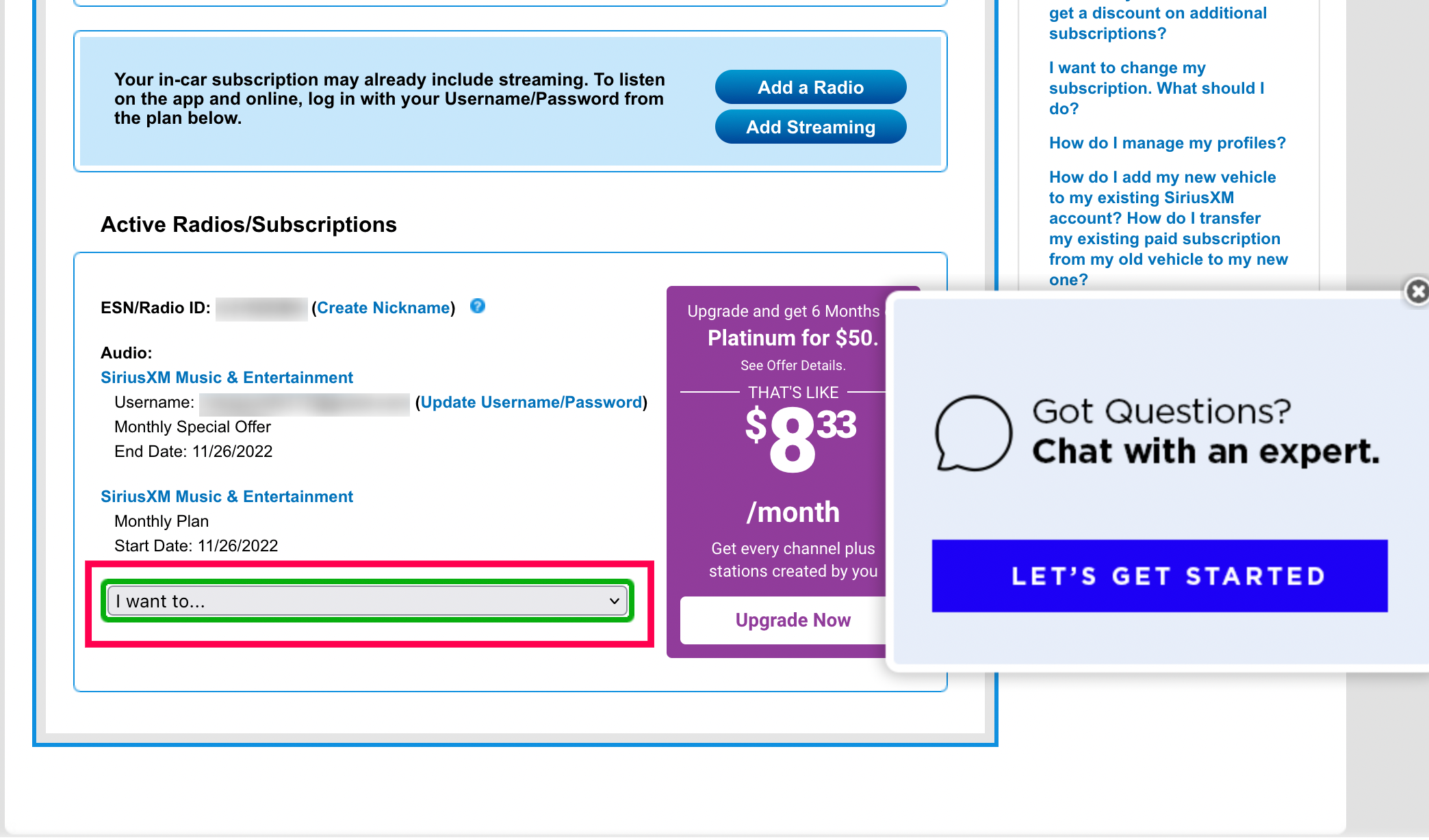
The final, critical step in the cancellation process is verification. After completing the cancellation via phone or online, you should receive a confirmation number or email. Keep this record. More importantly, check your bank statements or credit card bills for the next one to two billing cycles. Ensure that the XM Radio charge no longer appears. If it does, contact customer service immediately with your proof of cancellation. This diligent follow-up prevents erroneous charges and ensures your financial records accurately reflect your intentions, securing your budgetary savings.
Post-Cancellation: Reclaiming Your Financial Control
Successfully canceling a subscription like XM Radio is more than just stopping a payment; it’s an opportunity to actively reallocate funds and reinforce responsible spending habits.
Budgetary Freedom and Reallocation
Once the XM Radio subscription is off your ledger, you’ve effectively created new budgetary room. This is where financial discipline truly shines. Instead of allowing that money to passively disappear into general spending, proactively decide where it should go. Redirect it to:
- Savings: Bolster your emergency fund, contribute to a down payment, or fund a vacation.
- Debt Repayment: Apply it to a high-interest credit card, personal loan, or student loan to reduce interest accrual and accelerate your path to debt freedom.
- Investments: Start or increase contributions to a retirement account (401k, IRA), a brokerage account, or even a college savings plan.
- Other Essential Needs: Reallocate to groceries, utilities, or transportation, especially if you’re working on a tight budget.
This intentional reallocation maximizes the financial benefit of your cancellation, transforming a simple act into a powerful step towards your financial goals.
Pro-Rata Refunds and Final Statements
Understand how XM Radio handles partial billing cycles. If you cancel mid-month, you might be eligible for a pro-rata refund for the unused portion of your subscription. Confirm this policy during your cancellation call or by reviewing their terms of service. Keep an eye on your final statement for any last charges or credits. Ensuring you receive any due refunds is another critical aspect of meticulous financial management, preventing companies from holding onto funds for services you will no longer receive.
Dealing with Retention Offers Strategically
It’s common for companies to make “win-back” offers even after cancellation. These might include deeply discounted rates for several months or bundled services. As a financially astute consumer, approach these offers with skepticism and a critical eye. Ask yourself:
- Is the service genuinely needed now, or would it be a “nice to have”?
- Does the new price offer true, long-term value, or is it merely a temporary lure?
- Have my circumstances changed to warrant resubscribing?
Often, these offers are designed to reactivate an account, and while they might seem attractive, they can pull you back into recurring expenses that you previously deemed unnecessary. Stick to your original financial rationale for canceling unless there’s a compelling and sustainable reason to re-engage.
Broader Financial Habits: Lessons from XM Radio
The process of canceling an XM Radio subscription offers valuable lessons that can be applied to your entire financial landscape, fostering more robust money management habits.
Auditing Your Subscription Landscape
Use this experience as a catalyst for a comprehensive audit of all your recurring subscriptions. Go through your bank statements and credit card bills for the past 6-12 months. List every recurring charge, no matter how small. For each one, ask:
- Do I still use this service regularly?
- Does it provide substantial value relative to its cost?
- Are there cheaper or free alternatives available?
- Could this money be better spent or saved elsewhere?
This regular “subscription detox” is a powerful habit that ensures your money is always working for you, not against you, aligning your spending with your evolving financial goals and lifestyle.
Setting Financial Alerts and Reminders
Many financial apps and banking services allow you to set alerts for recurring charges or for transactions above a certain amount. Implement these to stay informed about your spending. Additionally, create calendar reminders for subscription renewal dates, especially for annual subscriptions that might auto-renew at a higher rate. This proactive approach helps you avoid being surprised by unexpected charges and provides an opportunity to review the subscription’s value before another billing cycle begins. Consider using dedicated subscription management apps that can track all your recurring payments in one place.
Mindful Subscription Practices
Finally, adopt a mindful approach to signing up for new subscriptions. Before committing, consider:
- Trial Periods: Use them fully to assess value, and set a reminder to cancel before the trial converts to a paid subscription if you decide against it.
- Annual vs. Monthly: While annual plans often offer a discount, they lock you in for a longer period. For services you might only use sporadically, a monthly option, even if slightly more expensive per month, offers greater flexibility to cancel when no longer needed, saving more money in the long run.
- The “Need vs. Want” Test: Apply this fundamental personal finance principle. Is this subscription a true need, or merely a want that could strain your budget?
By cultivating these habits, you move from reactively canceling subscriptions to proactively managing your financial ecosystem, ensuring every dollar is intentionally spent or saved.

Conclusion
Canceling your XM Radio subscription, while seemingly a small administrative task, is a significant financial action that embodies principles of prudent personal finance. It’s an opportunity to consciously evaluate value, identify and eliminate unnecessary expenditures, and actively reallocate funds toward more impactful financial goals. By approaching the process with preparation, firm resolve, and diligent follow-up, you not only sever an unwanted recurring charge but also reinforce critical habits of budgetary control and mindful spending. Let this experience be a stepping stone towards a broader commitment to auditing your financial landscape, ensuring that your money consistently serves your aspirations and contributes to a more secure and prosperous financial future.
aViewFromTheCave is a participant in the Amazon Services LLC Associates Program, an affiliate advertising program designed to provide a means for sites to earn advertising fees by advertising and linking to Amazon.com. Amazon, the Amazon logo, AmazonSupply, and the AmazonSupply logo are trademarks of Amazon.com, Inc. or its affiliates. As an Amazon Associate we earn affiliate commissions from qualifying purchases.