
When travelers see the bright yellow livery of a Spirit Airlines jet, the question of ownership often arises. Is there a singular tycoon behind the scenes, or is it a subsidiary of a larger legacy carrier? In the complex world of aviation finance, the answer is rarely simple. Unlike private entities, Spirit Airlines (NYSE: SAVE) is a publicly traded corporation, meaning its “owners” are a diverse group of individual and institutional investors.
Understanding who owns Spirit Airlines requires a deep dive into the mechanics of the stock market, the shifting landscape of airline mergers, and the financial pressures that define the Ultra-Low-Cost Carrier (ULCC) sector. For investors and business enthusiasts, Spirit represents a fascinating case study in market volatility, regulatory intervention, and corporate resilience.

The Structure of Public Ownership
Spirit Airlines is incorporated in Delaware and headquartered in Miramar, Florida. As a publicly traded company on the New York Stock Exchange under the ticker symbol SAVE, ownership is distributed among millions of shares. This means that anyone with a brokerage account can technically own a piece of the airline. However, the true influence over the company’s direction lies in the hands of major institutional shareholders.
The Role of Institutional Investors
Institutional investors—such as mutual funds, pension funds, and investment banks—hold the vast majority of Spirit’s equity. As of recent filings, firms like The Vanguard Group, BlackRock, and State Street Corporation are typically among the top shareholders. These entities do not “run” the airline in a day-to-day sense, but they exercise significant power through voting rights on board members and major corporate actions.
For a financial strategist, the high percentage of institutional ownership indicates that Spirit is a staple in many diversified portfolios. These firms invest in Spirit not necessarily because they believe in the “Spirit brand,” but because they see a mathematical place for a ULCC in a balanced transportation sector allocation. When these giants buy or sell large blocks of SAVE stock, it sends ripples through the market, directly impacting the company’s valuation.
Retail Investors and Insider Holdings
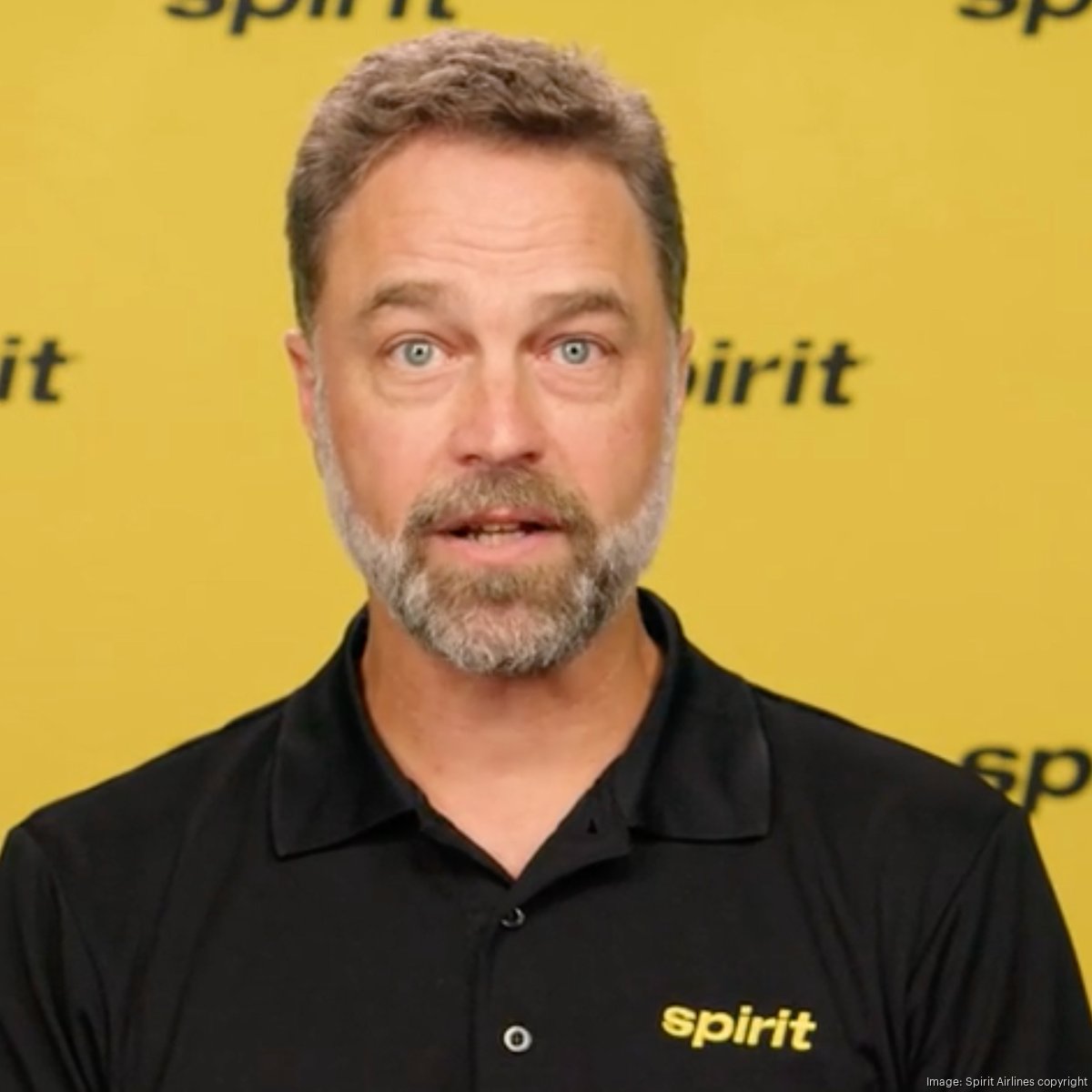
Beyond the institutional giants, a portion of Spirit is owned by retail investors—individual people trading on platforms like Schwab or Robinhood. While their individual influence is small, collectively, they represent the public sentiment toward the airline’s financial health. Additionally, company insiders, including CEO Ted Christie and members of the Board of Directors, hold shares. Insider ownership is often viewed by the market as a sign of confidence; when executives own a significant stake, their personal wealth is tied to the company’s success, theoretically aligning their interests with those of the external shareholders.
The High-Stakes World of Airline Mergers
The question of “who owns Spirit” became a central theme in financial news throughout 2022 and 2023 due to a fierce bidding war. Ownership of an airline isn’t just about stocks; it’s about market share and consolidation. The battle for Spirit Airlines highlighted the intense financial pressures within the industry.
The Failed Frontier Merger
In early 2022, Spirit and Frontier Airlines announced a definitive merger agreement. The deal was structured as a “merger of equals,” aimed at creating a dominant ULCC that could compete with the “Big Four” (American, Delta, United, and Southwest). From a financial perspective, this would have created a massive synergy, reducing overhead costs and streamlining operations. However, the deal was complicated by a surprise “hostile” intervention.
The JetBlue Acquisition Attempt and DOJ Intervention
JetBlue Airways entered the fray with a significantly higher cash offer, eventually convincing Spirit shareholders to pivot away from Frontier. JetBlue’s intent was to acquire 100% of Spirit, effectively making Spirit a subsidiary before eventually absorbing it entirely. This would have fundamentally changed the ownership structure from a widely held public company to a component of the JetBlue corporate umbrella.
However, in early 2024, a federal judge blocked the $3.8 billion acquisition following a lawsuit from the Department of Justice (DOJ). The court ruled that the merger would stifle competition and lead to higher prices for budget-conscious travelers. This landmark decision left Spirit in a precarious financial position, forced to navigate a post-merger-failure landscape with significant debt and an aging fleet strategy. For investors, this was a stark reminder of how “regulatory risk” can instantly devalue an ownership stake.
Understanding the Ultra-Low-Cost Carrier (ULCC) Business Model
To understand why Spirit is an attractive (or risky) asset for owners, one must understand its financial engine. Spirit operates on the ULCC model, which differs vastly from traditional airlines. The “owner” of Spirit is essentially investing in a high-volume, low-margin business that relies on “unbundled” pricing.
Ancillary Revenue: The Profit Driver
Spirit’s base fares are often sold at or below the cost of operation. The real “ownership value” comes from ancillary revenue—fees for bags, seat assignments, refreshments, and boarding priorities. From a business finance perspective, Spirit is more of a retail and logistics company than a traditional service provider.
Investors analyze Spirit’s “Revenue per Available Seat Mile” (RASM) and “Cost per Available Seat Mile” (CASM). The goal of Spirit’s management is to keep CASM as low as possible through high aircraft utilization and a single-type fleet (Airbus A320 family), which reduces maintenance and training costs. When this model works, it generates significant cash flow; when fuel prices rise or labor costs spike, the thin margins can disappear quickly, putting the company’s solvency at risk.
Debt Management and Capital Structure
Ownership in the airline industry is also a study in debt. Airlines are capital-intensive businesses. Spirit finances its fleet through a combination of direct ownership, mortgage debt, and operating leases. For an investor, Spirit’s balance sheet is just as important as its flight map. Following the blocked JetBlue merger, Spirit has had to address significant debt maturities. The way the company manages its “liquidity”—the cash on hand to pay its bills—determines whether the current shareholders will retain their value or if the company will eventually require a restructuring that could dilute their ownership.
Financial Stability and Future Outlook
As of the current market cycle, Spirit Airlines faces a “test of fire.” The ownership structure remains public, but the narrative has shifted from growth to stabilization. The company’s leadership is tasked with proving that Spirit can survive as a standalone entity in an environment of rising costs and intense competition.
Strategic Pivots and Market Position
To protect shareholder value, Spirit has recently begun experimenting with its business model. This includes introducing “premium” travel options and bundles that move away from the “bare fare” philosophy. For the owners of the company, this represents a strategic pivot aimed at capturing a higher-yielding segment of the market. If successful, this could lead to a re-rating of the stock and a recovery in market capitalization.
The Specter of Restructuring
In the financial world, “ownership” can shift during times of distress. If an airline cannot meet its debt obligations, bondholders and creditors can become the “new owners” through a Chapter 11 reorganization process. While Spirit has taken steps to shore up its finances—including selling aircraft and deferring new deliveries—the market remains cautious. Investors are watching the company’s quarterly earnings reports with a microscope, looking for signs that the ULCC model is still viable in a post-pandemic economy.

Conclusion: A Distributed Ownership in a Volatile Sky
In summary, there is no single “owner” of Spirit Airlines. It is a company owned by the public, steered by institutional giants like Vanguard and BlackRock, and managed by a professional executive team. Its ownership history is marked by the tension between the desire for consolidation (the Frontier and JetBlue deals) and the strictures of federal antitrust law.
For the individual investor, owning Spirit Airlines is a high-reward, high-risk proposition. It is a bet on the continued demand for budget travel and the company’s ability to manage its complex balance sheet. As the aviation industry continues to evolve, the stakeholders of Spirit Airlines—from the boardrooms of Wall Street to the retail traders on their phones—will determine the ultimate trajectory of this yellow-tailed carrier. Whether it remains an independent player or eventually finds a new corporate home, Spirit Airlines remains one of the most watched financial entities in the American sky.
aViewFromTheCave is a participant in the Amazon Services LLC Associates Program, an affiliate advertising program designed to provide a means for sites to earn advertising fees by advertising and linking to Amazon.com. Amazon, the Amazon logo, AmazonSupply, and the AmazonSupply logo are trademarks of Amazon.com, Inc. or its affiliates. As an Amazon Associate we earn affiliate commissions from qualifying purchases.