
The landscape of retail investing underwent a seismic shift in 2013 with the launch of Robinhood. Before its arrival, the barrier to entry for the stock market was high, characterized by clunky software, minimum balance requirements, and, most notably, per-trade commissions that often exceeded $10. Robinhood’s “democratization of finance” mantra was not just a marketing slogan; it was a fundamental change in the financial plumbing of how everyday individuals interact with Wall Street.
To understand how Robinhood works, one must look beyond the sleek interface of the mobile app and examine the complex financial mechanisms, revenue models, and asset classes that power the platform. In the modern era of personal finance, Robinhood functions as a multi-faceted financial tool that bridges the gap between traditional brokerage services and the high-speed world of digital assets.

The Mechanics of Accessible Investing
At its core, Robinhood is a discount brokerage that provides a platform for buying and selling stocks, exchange-traded funds (ETFs), options, and cryptocurrencies. However, its operation differs significantly from the traditional brokerages that preceded it. By focusing on a “mobile-first” philosophy, Robinhood stripped away the institutional complexity that often intimidated novice investors.
Fractional Shares and Market Entry
One of the most significant ways Robinhood functions as a financial tool is through the facilitation of fractional shares. Historically, if an investor wanted to own a piece of a high-priced company like Berkshire Hathaway or Amazon, they would need thousands of dollars to purchase a single share. Robinhood’s system allows users to buy stocks in dollar amounts rather than share amounts.
This is achieved through a process where the brokerage purchases the full share and divides the ownership internally among its users. From a wealth-building perspective, this allows for “dollar-cost averaging” regardless of the stock’s price, enabling users to invest as little as $1 into diversified portfolios.
The Trade Execution Process
When a user swipes up to “buy” a stock on the app, Robinhood does not typically execute that trade on a public exchange like the New York Stock Exchange (NYSE) directly. Instead, the platform acts as an intermediary. It routes the order to a third-party “market maker”—large financial institutions that provide liquidity to the markets. These market makers execute the trade, ensuring the user gets a price at or near the current market quote. This high-speed routing is what allows for the “instant” execution that users experience on their screens.
The Revenue Model: How Robinhood Makes Money Without Commissions
The most common question asked by skeptics is: “If the trades are free, how does Robinhood stay in business?” In the financial world, there is no such thing as a free lunch, and Robinhood’s business model is built on several sophisticated revenue streams that replace the traditional commission fee.
Payment for Order Flow (PFOF)
The primary engine of Robinhood’s revenue is Payment for Order Flow (PFOF). When Robinhood routes your trade to a market maker, that market maker pays Robinhood a small fee for the privilege of executing the trade. Market makers are willing to pay for this because they profit from the “bid-ask spread”—the tiny difference between the price at which a stock is bought and sold.
While PFOF is a common practice among modern brokerages, Robinhood’s reliance on it is central to its “Money” niche. Critics argue that this creates a conflict of interest, while proponents point out that it is the very mechanism that allowed the industry to move to $0 commissions, saving retail investors billions in upfront costs.
Robinhood Gold and Subscription Services
To diversify its income away from market volatility, Robinhood offers a premium subscription service known as Robinhood Gold. For a monthly fee, users gain access to enhanced financial tools, including:
- Professional Research: Access to Morningstar reports.
- Level II Market Data: Showing the “depth” of the market (bids and asks).
- Higher Interest on Cash: A competitive APY on uninvested cash held in the brokerage account.
- Margin Investing: The ability to borrow money from the brokerage to buy more securities (leveraging existing assets).
Net Interest Margin and Securities Lending
Robinhood also functions like a traditional bank in some respects. When users leave uninvested cash in their accounts, Robinhood can earn interest on those funds by depositing them into segregated bank accounts or investing them in low-risk government securities.

Additionally, Robinhood engages in “securities lending.” If a user holds a stock that a hedge fund or another investor wants to “short” (bet against), Robinhood can lend those shares to the short-seller for a fee. This is a common institutional practice that generates passive revenue for the brokerage based on the assets held by its user base.
Expanding the Portfolio: Crypto, IRAs, and Cash Management
Robinhood has evolved from a simple stock-trading app into a comprehensive financial ecosystem. By integrating various asset classes and retirement tools, it seeks to capture the “full wallet” of the modern investor.
The Integration of Robinhood Crypto
Robinhood was among the first major brokerages to integrate cryptocurrency trading alongside traditional stocks. How this works is slightly different from stock trading: Robinhood Crypto acts as the principal in the trade. They aggregate liquidity from various crypto exchanges to provide users with competitive pricing. Unlike specialized crypto exchanges that charge 1% to 4% in fees, Robinhood offers “commission-free” crypto trading, though they still earn revenue through the volume-based rebates and the spread.
Long-term Wealth and Retirement Accounts
In a bid to attract more stable, long-term capital, Robinhood introduced Individual Retirement Accounts (IRAs). To compete with legacy firms like Vanguard or Fidelity, Robinhood implemented an “IRA Match” program, where they contribute a percentage (usually 1% to 3% for Gold members) to the user’s retirement account. This is a strategic move to transition from a “trading” platform to a “wealth management” platform, encouraging users to keep their money on the platform for decades rather than days.
Cash Management and Spending
The Robinhood Cash Card further blurs the line between a brokerage and a bank. By offering a debit card that rounds up purchases to invest spare change, the platform integrates daily spending with long-term investing. This creates a circular economy where a user’s paycheck is deposited, their bills are paid, and their investments are managed all within a single digital ledger.
Risk Management and Financial Safety
For any individual entrusting their money to a digital platform, understanding the safety protocols and inherent risks is paramount. Robinhood operates under the same regulatory umbrella as the giants of Wall Street, but the nature of digital investing introduces unique considerations.
Regulatory Oversight and SIPC Insurance
Robinhood Financial LLC is a registered broker-dealer and a member of the Financial Industry Regulatory Authority (FINRA) and the Securities Investor Protection Corporation (SIPC). This is a critical distinction in the “Money” niche. SIPC protection means that if Robinhood were to fail financially, users’ assets (stocks and cash) are protected up to $500,000 (including a $250,000 limit for cash).
It is important to note, however, that SIPC insurance does not protect against market loss. If a stock you bought for $100 drops to $10, that is an investment risk, not a brokerage failure. Furthermore, cryptocurrency held on Robinhood is not covered by SIPC or FDIC insurance, reflecting the higher risk profile of that specific asset class.
The Risks of Margin and Options Trading
While Robinhood makes trading easy, the financial risks remain significant, particularly regarding margin and options. Margin trading involves borrowing money from the brokerage to buy stocks. If the value of those stocks falls significantly, the user may face a “margin call,” requiring them to deposit more cash immediately or have their positions liquidated at a loss.
Similarly, Robinhood provides access to the options market—a complex area of finance where investors can bet on the price movement of stocks. While highly lucrative, options can expire worthless, leading to a 100% loss of the principal investment. Part of “how Robinhood works” involves the platform’s responsibility to vet users for these advanced strategies, though the ease of access remains a point of intense discussion in the financial community.
Conclusion: The New Standard for Personal Finance
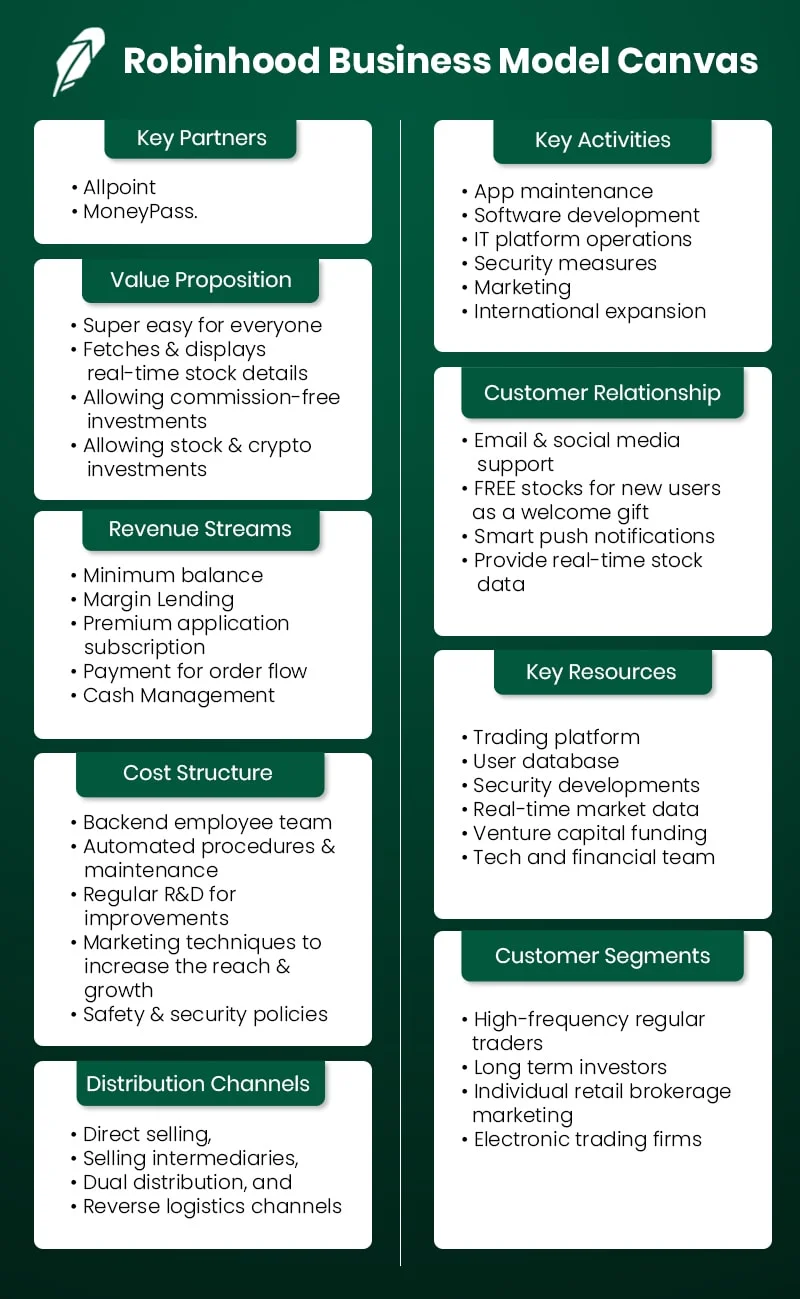
Robinhood works by utilizing a “high-volume, low-margin” business model. By removing the friction of commissions and minimums, it has attracted millions of users who were previously excluded from the financial markets. It generates revenue through the back-end infrastructure of the financial system—PFOF, interest, and subscriptions—rather than charging the user directly for every click.
As the platform continues to mature, moving into retirement accounts and advanced credit services, it represents a new era of personal finance where the brokerage is no longer a distant institution, but a constant, mobile companion. For the modern investor, Robinhood provides the tools to build wealth, but the responsibility of managing the inherent risks of the market remains, as always, with the individual.
aViewFromTheCave is a participant in the Amazon Services LLC Associates Program, an affiliate advertising program designed to provide a means for sites to earn advertising fees by advertising and linking to Amazon.com. Amazon, the Amazon logo, AmazonSupply, and the AmazonSupply logo are trademarks of Amazon.com, Inc. or its affiliates. As an Amazon Associate we earn affiliate commissions from qualifying purchases.