
The name Wells Fargo is synonymous with the American West, the iconic image of the stagecoach, and the foundational structures of modern global banking. However, the origin of this financial titan is not merely a tale of westward expansion; it is a masterclass in business finance, risk management, and strategic market identification. To understand who founded Wells Fargo is to understand the partnership between two of the most influential figures in 19th-century commerce: Henry Wells and William G. Fargo.
Their collaboration didn’t just create a bank; it established a logistical and financial framework that allowed the burgeoning United States economy to bridge the gap between the industrialized East and the gold-rich, lawless West. Today, as we analyze Wells Fargo through the lens of business finance and institutional investing, its origins offer profound insights into how a brand can survive centuries of economic volatility.

The Visionaries: Henry Wells and William G. Fargo
The story of Wells Fargo begins long before the first stagecoach rolled across the California plains. It began in the fiercely competitive express mail industry of the 1840s. At the time, the United States Post Office was often criticized for being slow and expensive. This created a massive opportunity for private “express” companies to move documents, gold, and valuables across the country.
The Early Career of Henry Wells
Henry Wells was a man of quiet determination and sharp business acumen. Born in New Hampshire in 1805, he started his career in the freight business on the Erie Canal. Wells recognized early on that the movement of information was just as valuable as the movement of goods. He was instrumental in lowering the cost of mail delivery, famously challenging the federal government’s monopoly by offering cheaper rates, which eventually forced the U.S. Post Office to lower its own prices.
William G. Fargo’s Ambition
William G. Fargo, born in New York in 1818, was the perfect complement to Wells. If Wells was the strategist, Fargo was the operational engine. He began as a freight agent and quickly rose through the ranks due to his organizational genius. Fargo possessed a relentless drive and a keen eye for untapped markets. Together, they understood that the true potential of the American economy lay in connecting disparate regions through a reliable financial network.
The Formation of American Express
Before Wells Fargo became a household name, the two men founded the American Express Company in 1850. This was a merger of several smaller express firms. While American Express was successful, a rift soon developed regarding the company’s expansion. Wells and Fargo wanted to expand their services to California to capitalize on the Gold Rush. However, the other directors of American Express were hesitant, viewing the West as too risky and unstable for a serious financial enterprise.
Undeterred by the board’s refusal, Henry Wells and William G. Fargo decided to strike out on their own. On March 18, 1852, they organized a joint-stock association in New York City. This new entity was Wells, Fargo & Co.
1852: The Strategic Pivot to the California Gold Rush
The timing of Wells Fargo’s founding was no accident. By 1852, the California Gold Rush was in full swing. Thousands of prospectors were pulling millions of dollars worth of gold out of the Sierra Nevada foothills, but they lacked a safe way to store their wealth or send it home to their families in the East.
Identifying the Market Gap in the West
In the early 1850s, California was a financial vacuum. There was no paper currency, and the “banks” that did exist were often fly-by-night operations with little capital. Wells and Fargo identified a two-fold need: the miners needed an “express” service to transport gold and a “banking” service to buy that gold and provide credit.
By offering both services under one roof, Wells Fargo created a vertical integration model that was revolutionary for its time. They didn’t just move the gold; they appraised it, bought it, and provided the financial instruments—such as bills of exchange—that allowed that wealth to be utilized across the globe.
Building a Brand on Reliability and Security
In the frontier economy, trust was the most valuable currency. Wells Fargo invested heavily in “treasure boxes” and high-security transport to ensure that the gold they carried reached its destination. This commitment to security became the cornerstone of their corporate identity. While other companies struggled with stagecoach robberies and internal fraud, Wells Fargo’s reputation for reliability made them the preferred partner for both individual miners and large-scale commercial interests.
The Stagecoach Era: Revolutionizing Business Finance and Transport
While the stagecoach is now a nostalgic symbol, in the 1850s and 60s, it was the peak of logistical technology. For Wells Fargo, the stagecoach was a mobile financial tool that allowed the company to penetrate deep into the interior of the continent where railroads had yet to reach.
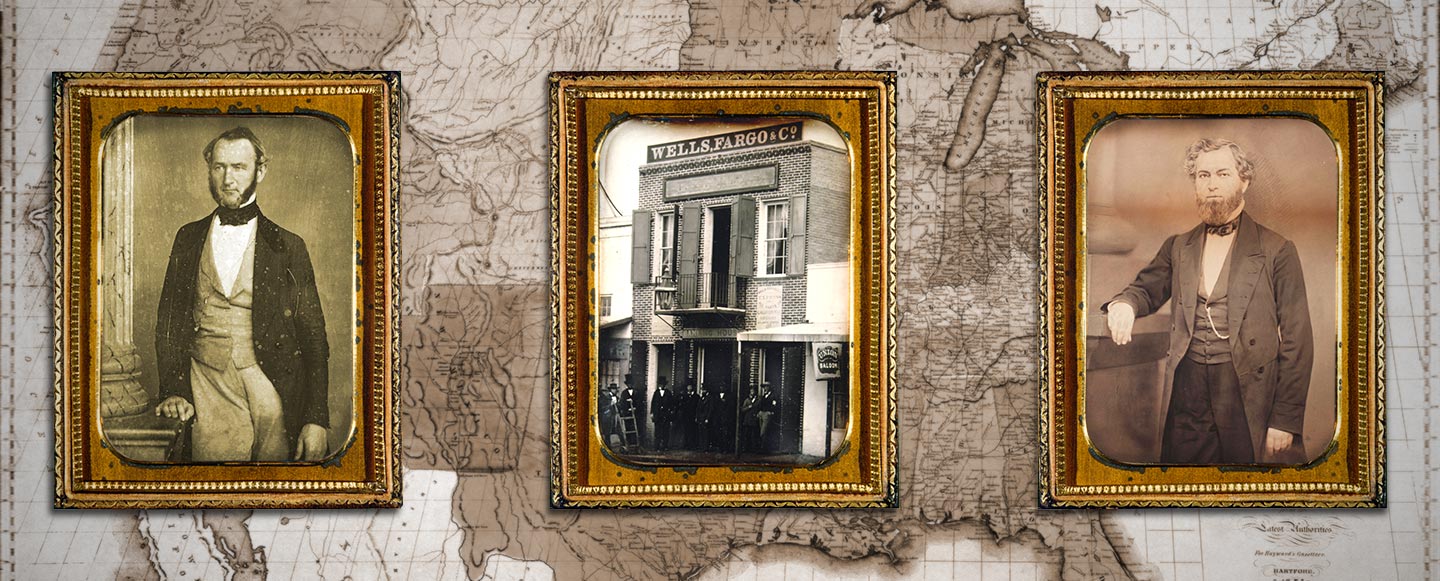
Integrating Banking with Express Delivery
The genius of the Wells Fargo model was the synergy between its two divisions. The express side of the business generated consistent cash flow through delivery fees, while the banking side generated profits through the spread on gold purchases and interest on loans. This diversified revenue stream provided a level of stability that few other frontier businesses could match.
The company’s agents were often the most influential people in small mining towns. They acted as postmasters, bankers, and gold appraisers. This localized presence allowed the company to gather unique market intelligence, enabling them to make informed lending decisions in an environment where traditional credit scores and financial statements did not exist.
Risk Management in the Frontier Economy
Managing a business that stretched across thousands of miles of wilderness required sophisticated risk management. Wells Fargo had to account for physical risks (theft and weather) and financial risks (fluctuations in the price of gold and bank runs). They pioneered the use of “detectives”—the most famous being James B. Hume—to track down stagecoach robbers, sending a clear message that the company would protect its assets at all costs. This proactive approach to risk was essential for maintaining the solvency of their banking operations.
Weathering Financial Storms: A Legacy of Resilience
The true test of a financial institution is not how it performs in a boom, but how it survives a bust. The mid-19th century was marked by extreme volatility, and Wells Fargo’s survival during these periods solidified its status as a pillar of the American financial system.
Surviving the Panic of 1855
In 1855, a massive financial panic swept through California, leading to the collapse of Page, Bacon & Co., the state’s largest bank. This triggered a widespread run on banks across the West. While most of its competitors were forced to close their doors, Wells Fargo remained open. By maintaining high liquidity and demonstrating calm in the face of crisis, they gained the public’s total confidence. When the dust settled, Wells Fargo emerged as the dominant financial force in the region.
The Civil War and the Transcontinental Railroad
The 1860s brought the dual challenges of the American Civil War and the construction of the Transcontinental Railroad. During the war, Wells Fargo played a crucial role in shipping California gold to the East, which helped fund the Union war effort. As the railroad began to replace the stagecoach, the company’s leadership showed remarkable adaptability. They shifted their focus from owning the means of transport to managing the logistics and financial services that utilized the new rail networks.
The Modern Merger and Contemporary Business Finance
The Wells Fargo we recognize today is the result of a significant evolution in the late 20th century. While the name remains the same, the corporate structure underwent a transformative shift in 1998 through a “merger of equals” with Norwest Corporation.
The Norwest Merger and Strategic Growth
Based in Minneapolis, Norwest was a highly successful diversified financial services company. Although Norwest was technically the acquirer, the leadership recognized that the Wells Fargo brand—with its deep historical roots and association with American grit—was far more valuable. They chose to keep the Wells Fargo name and move the headquarters to San Francisco.
This merger combined Norwest’s strength in consumer finance and mortgages with Wells Fargo’s dominance in commercial banking and the Western markets. It created a diversified financial powerhouse with a footprint that spanned the entire country, mirroring the original founders’ vision of a cross-continental network.
Wells Fargo’s Role in the Contemporary Financial Toolset
Today, Wells Fargo is one of the “Big Four” banks in the United States. For modern investors and business owners, the institution provides a comprehensive suite of financial tools, including commercial lending, investment banking, and wealth management. The company’s focus on “cross-selling”—a strategy where a customer is encouraged to use multiple products—was a hallmark of its growth strategy for decades, reflecting the founders’ original model of being a one-stop-shop for financial needs.
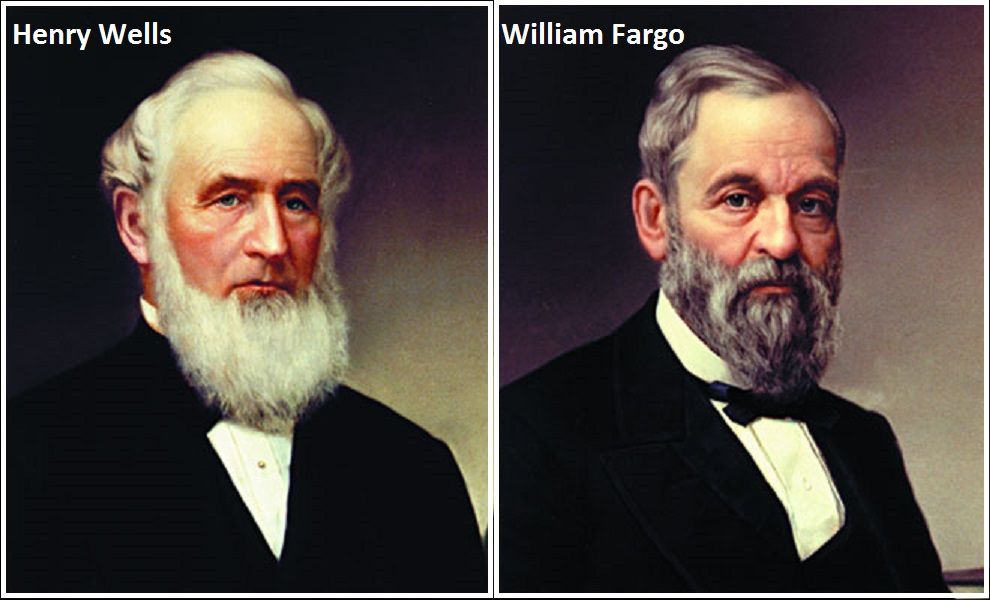
The Enduring Legacy of Henry Wells and William G. Fargo
Henry Wells and William G. Fargo were more than just the names on a building; they were architects of the American economy. Their ability to see the financial potential of the Western frontier, combined with their commitment to security and operational excellence, created an institution that has survived for over 170 years.
From a business finance perspective, the story of Wells Fargo illustrates the importance of:
-
Market Timing: Capitalizing on the rapid expansion of the 1850s.
-
Product Integration: Merging logistics (express) with finance (banking) to create a resilient business model.
-
Brand Integrity: Building a reputation for safety and reliability that can weather economic panics.
While the stagecoaches have long since been retired to museums, the spirit of the founders remains embedded in the DNA of global finance. Henry Wells and William G. Fargo proved that with the right combination of vision and operational discipline, a business can not only follow the path of progress but also help pave it. For the modern student of money and business, their legacy remains a definitive example of how to build a lasting financial empire from the ground up.
aViewFromTheCave is a participant in the Amazon Services LLC Associates Program, an affiliate advertising program designed to provide a means for sites to earn advertising fees by advertising and linking to Amazon.com. Amazon, the Amazon logo, AmazonSupply, and the AmazonSupply logo are trademarks of Amazon.com, Inc. or its affiliates. As an Amazon Associate we earn affiliate commissions from qualifying purchases.