
The story of Microsoft is not merely a tale of a successful corporation; it is the narrative of the birth of the modern computing era. When we ask who founded the company Microsoft, the names Bill Gates and Paul Allen immediately come to the forefront. However, understanding their contribution requires more than just knowing their names. It requires an exploration into how two childhood friends recognized a technological shift before the rest of the world and leveraged that foresight to put a “computer on every desk and in every home.”
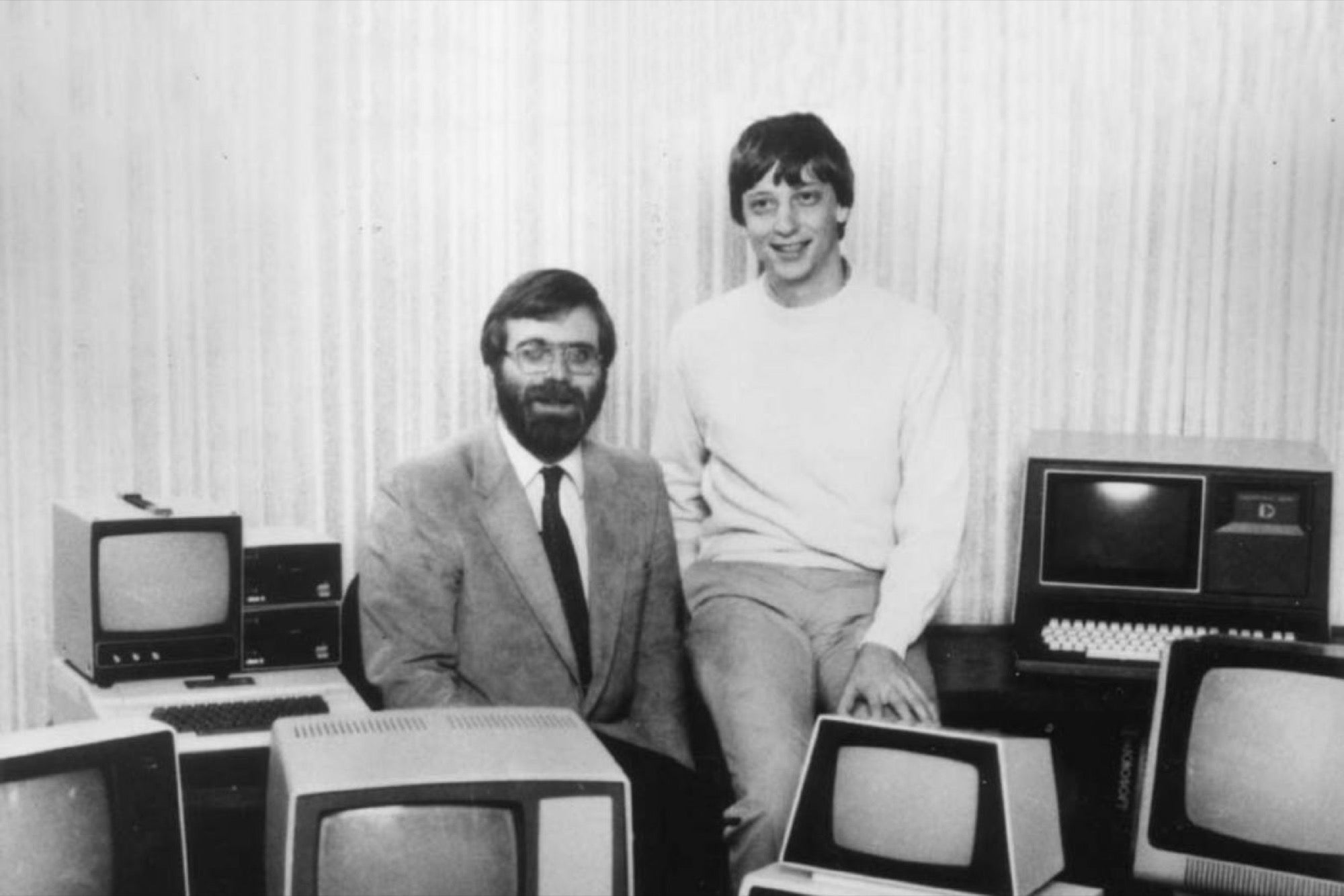
From the early days of microprocessors to the current explosion of Artificial Intelligence (AI), Microsoft’s founders established a framework for software development that continues to dictate how we interact with technology today.
The Genesis of Microsoft: Bill Gates, Paul Allen, and the Altair 8800
The foundation of Microsoft was laid long before the company was officially incorporated in 1975. The partnership between William Henry Gates III and Paul Gardner Allen began at Lakeside School in Seattle. In an era where computers were massive mainframes locked in climate-controlled rooms, these two teenagers spent their nights and weekends exploring the intricacies of the school’s Teletype terminal.
The Lakeside Connection: A Shared Vision for Software
At Lakeside, Gates and Allen weren’t just users; they were hackers in the classical sense. They were obsessed with understanding how code interacted with hardware. This period was crucial because it allowed them to witness the transition from massive, centralized computing to the possibility of decentralized, personal systems. While many of their peers saw computers as calculators for math problems, Gates and Allen saw them as platforms for limitless software possibilities. They formed the “Lakeside Programmers Group” and even made money automating the school’s scheduling system—a precursor to the commercial software mindset that would define Microsoft.
The Spark: Coding for the MITS Altair 8800
The “eureka” moment for the founders occurred in late 1974. Paul Allen saw the cover of Popular Electronics magazine featuring the MITS Altair 8800, the world’s first commercially successful microcomputer. Allen realized that the hardware era was beginning, but the hardware was useless without software. He rushed to show Gates the magazine, and they immediately contacted MITS, claiming they had a version of the BASIC programming language for the Altair.
In reality, they hadn’t written a single line of code for the Altair’s Intel 8080 chip. Working feverishly at Harvard, where Gates was a student, they used a simulator to write the code. When Allen flew to Albuquerque to demonstrate it, the software worked perfectly. This success led to the formation of “Micro-soft” (the hyphen was later dropped) on April 4, 1975, in Albuquerque, New Mexico.
Building the Software Empire: From MS-DOS to Windows
If the founding was about BASIC, the growth of Microsoft was about the realization that software should be an independent, scalable product. Gates and Allen pioneered the “software as a license” model, which decoupled the intelligence of the computer from the physical box.
The IBM Deal and the Rise of MS-DOS
The most significant turning point in the company’s history came in 1980. IBM, the hardware titan of the age, was looking to enter the personal computer market and needed an operating system. Microsoft did not actually have an operating system at the time; instead, they purchased “86-DOS” from Seattle Computer Products, refined it, and renamed it MS-DOS (Microsoft Disk Operating System).
The genius of the founders, particularly Gates, was not just in the software itself but in the licensing agreement. Microsoft retained the right to license MS-DOS to other hardware manufacturers. As “IBM-compatible” clones flooded the market, Microsoft’s software became the universal standard. This created a network effect that made Microsoft the gatekeeper of the PC industry.
Graphical User Interfaces: The Windows Revolution
As technology progressed from command-line interfaces to graphical user interfaces (GUI), Microsoft faced its next big challenge. Drawing inspiration from the work done at Xerox PARC and the early Macintosh, Gates and Allen pushed for a layer of software that used icons, folders, and a mouse pointer.
Windows 1.0 was released in 1985, but it wasn’t until the release of Windows 3.0 and later Windows 95 that the company truly revolutionized the consumer experience. Windows 95, in particular, was a landmark in tech history, introducing the “Start” button and plug-and-play hardware support, making the computer accessible to the average person, not just tech enthusiasts.
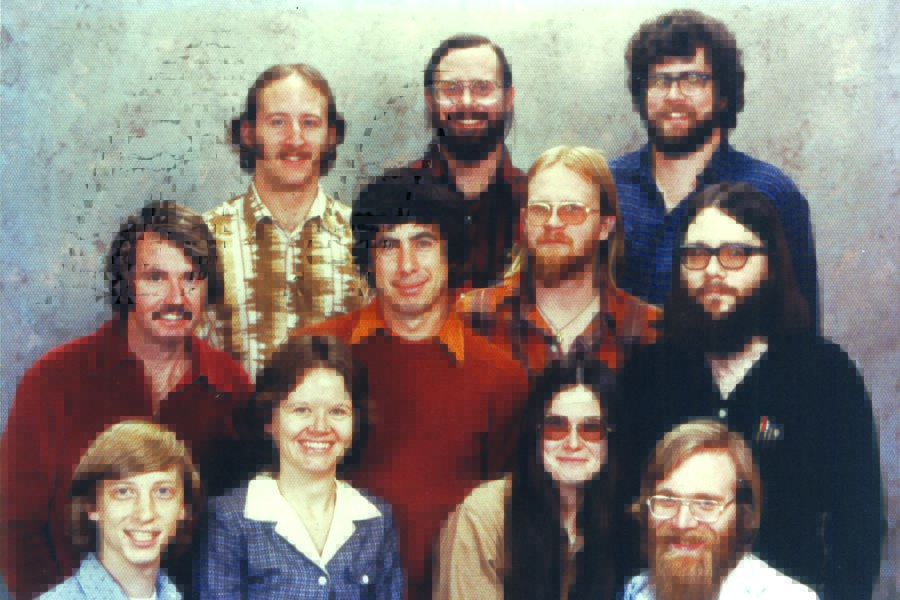
The Evolution of Personal Computing and Productivity Software
While the operating system was the foundation, Microsoft’s founders understood that users needed tools to perform actual work. This led to the creation of the world’s most dominant productivity suite: Microsoft Office.
Microsoft Office: Defining Professional Standards
In the late 1980s, Microsoft began bundling its individual applications—Word, Excel, and PowerPoint—into a single suite. This was a strategic masterstroke. By ensuring these tools worked seamlessly together, Microsoft created an ecosystem. Excel became the gold standard for financial modeling, while Word redefined document processing. The interoperability of these tools meant that once a business adopted one Microsoft product, it was incentivized to adopt them all. This “suite” approach is a strategy still used today by almost every major Software-as-a-Service (SaaS) company.
The Internet Explorer Era and the Browser Wars
As the mid-1990s arrived, the technological landscape shifted toward the World Wide Web. Although Paul Allen had left day-to-day operations in the early 80s due to health reasons (though he remained on the board), the foundational drive he and Gates established remained. Microsoft recognized that the browser would become the new “operating system” for the internet.
The inclusion of Internet Explorer as a default feature in Windows led to the famous “Browser Wars” against Netscape. While this period brought about significant legal scrutiny and antitrust lawsuits, it also accelerated the adoption of web technologies. Microsoft’s focus on integrating the browser into the OS paved the way for the modern, web-centric computing environment we use today.
Modern Microsoft: Pivoting to Cloud and Artificial Intelligence
The legacy of Gates and Allen is most visible in how Microsoft has transitioned into the 21st century. While the founders moved on to other ventures—Gates to philanthropy and Allen to diverse tech and sports investments—the culture of innovation they built allowed the company to pivot when the “mobile-first, cloud-first” era arrived.
Satya Nadella’s Cloud-First Strategy with Azure
Under the leadership of current CEO Satya Nadella, Microsoft underwent a massive transformation that echoed the vision of its founders. Instead of being tied purely to the Windows desktop, the company pivoted to the cloud. Microsoft Azure has become a cornerstone of global tech infrastructure, providing the backbone for everything from web hosting to data analytics. This move proved that Microsoft was not just a “Windows company” but a foundational technology provider capable of scaling with the needs of the modern enterprise.
The AI Frontier: OpenAI and the Copilot Ecosystem
The most recent evolution in the Microsoft saga is its aggressive move into Artificial Intelligence. By partnering with and investing heavily in OpenAI, the creators of ChatGPT, Microsoft has positioned itself at the vanguard of the AI revolution. The integration of “Copilot” across its software stack—from Windows to Office 365—represents a return to the founders’ original dream: making technology a powerful, intuitive assistant to human creativity. AI is the new “BASIC,” a fundamental building block that will define the next fifty years of technology.
The Lasting Legacy of Microsoft’s Founders in Today’s Tech Landscape
The impact of Bill Gates and Paul Allen extends far beyond the code they wrote in Albuquerque. They established the blueprint for what a “Big Tech” company looks like: a focus on platforms, a commitment to developer ecosystems, and an obsession with scalability.
Philanthropy through Technology
Even in their post-Microsoft lives, the founders used their tech-driven mindsets to solve global problems. Bill Gates, through the Bill & Melinda Gates Foundation, has applied data-driven, engineering-style approaches to global health and education. Paul Allen invested in “frontier technology,” from space exploration (Vulcan Aerospace) to brain science. Their belief that technology is the primary lever for human progress remains a guiding principle for the entire industry.
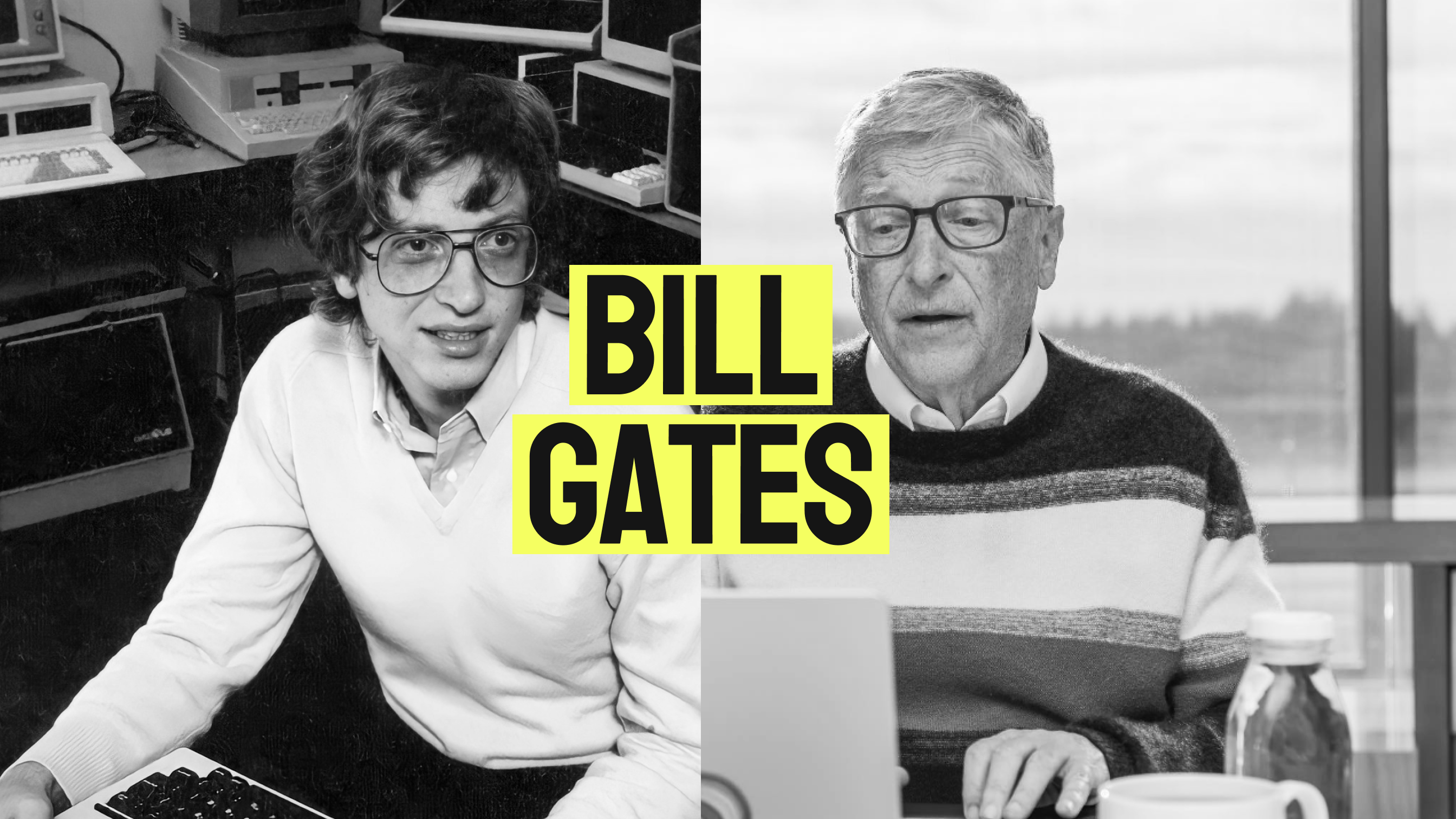
Lessons in Software Scalability and Innovation
When we look at the tech landscape today, we see the fingerprints of Microsoft’s founding philosophy everywhere. The concept of the “platform” (where others build their success on top of your technology) is the core of the App Store, the Google Cloud, and AWS. Gates and Allen proved that in the world of technology, the greatest value isn’t in the hardware—it’s in the software that makes the hardware meaningful.
As Microsoft nears its 50th anniversary, the question of who founded the company remains a vital piece of tech history. Bill Gates and Paul Allen didn’t just build a company; they architected the digital world. Their journey from a small office in New Mexico to a global powerhouse is a testament to the power of software to reshape reality. Through their vision, they transformed the computer from a niche tool into the most essential instrument of the modern age.
aViewFromTheCave is a participant in the Amazon Services LLC Associates Program, an affiliate advertising program designed to provide a means for sites to earn advertising fees by advertising and linking to Amazon.com. Amazon, the Amazon logo, AmazonSupply, and the AmazonSupply logo are trademarks of Amazon.com, Inc. or its affiliates. As an Amazon Associate we earn affiliate commissions from qualifying purchases.