
In the world of modern finance, few symbols carry as much weight and recognition as “SPY.” For the novice investor, it often appears as a recommendation in almost every “how to start investing” guide. For the institutional titan, it is a primary vehicle for moving billions of dollars in liquidity. But what exactly is SPY stock?
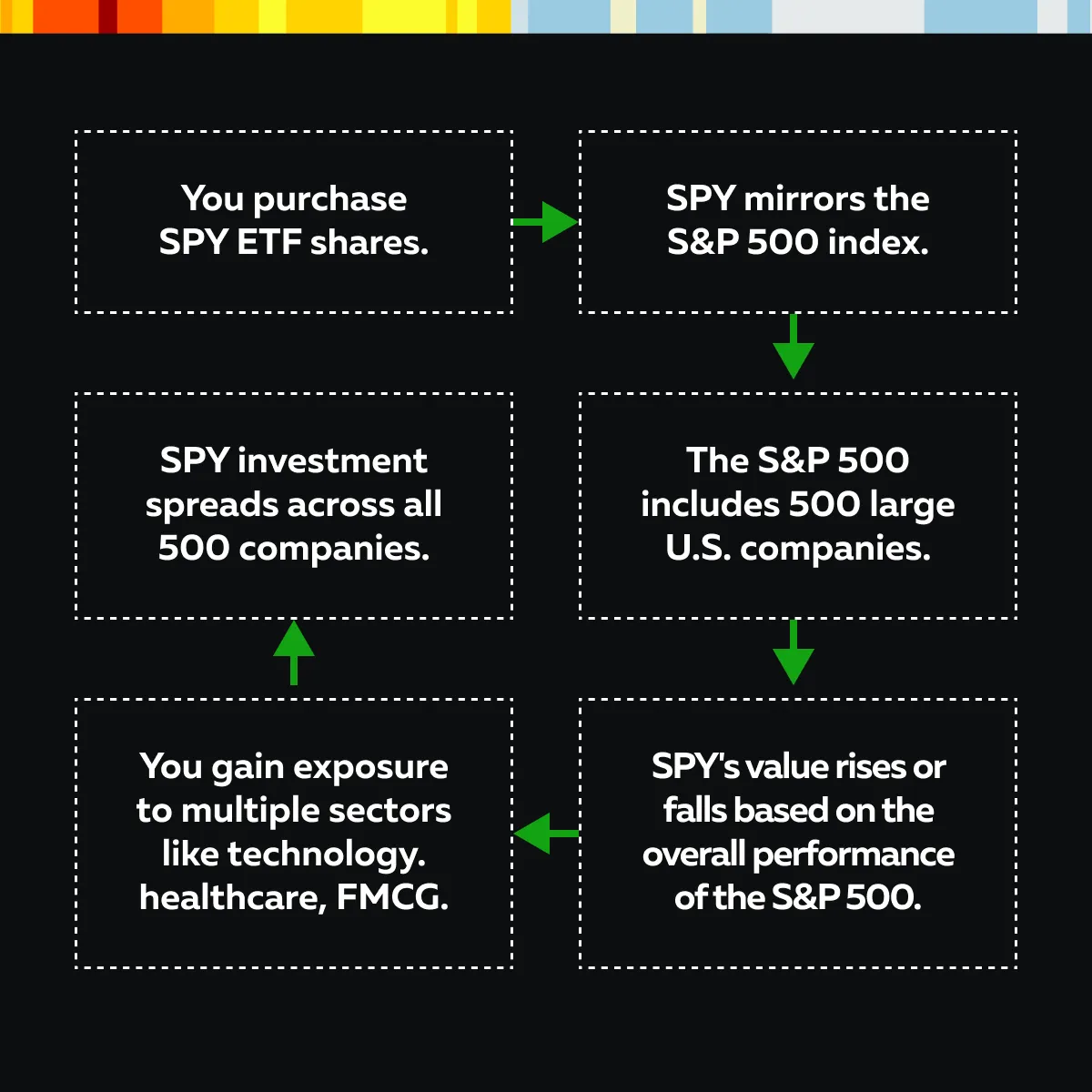
Contrary to what the name might suggest to a beginner, SPY is not a single company. You aren’t buying shares in a high-tech surveillance firm or a private intelligence agency. Instead, SPY is the ticker symbol for the SPDR S&P 500 ETF Trust. It is an Exchange-Traded Fund (ETF) designed to track the performance of the S&P 500 Index, which represents 500 of the largest and most influential publicly traded companies in the United States.
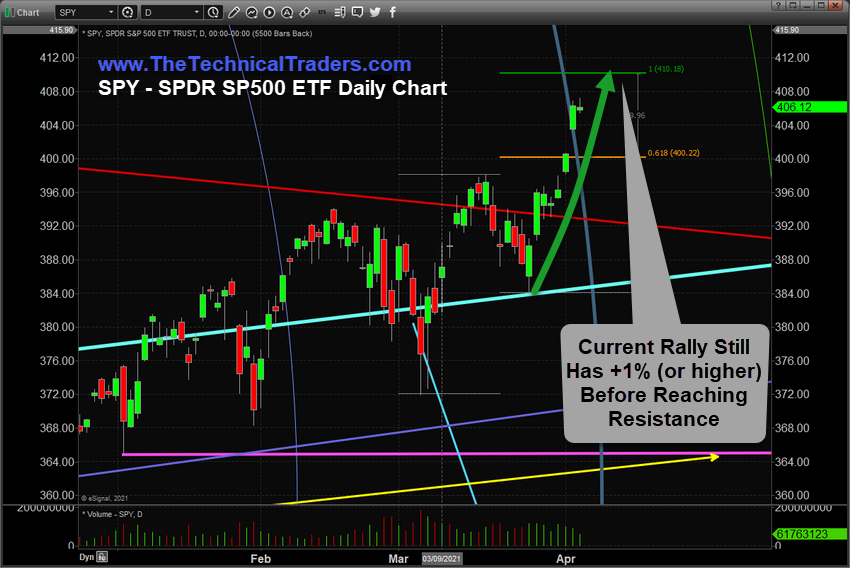
Since its inception in 1993, SPY has revolutionized how individuals and institutions approach the stock market, democratizing access to broad market growth. This guide explores the mechanics, benefits, and strategic considerations of investing in SPY.
1. What is the SPY Stock? Deconstructing the SPDR S&P 500 ETF Trust
To understand SPY, one must first understand the concept of an Exchange-Traded Fund. An ETF is a basket of securities that trades on an exchange, just like an individual stock. When you buy one share of SPY, you are effectively buying a fractional ownership stake in 500 different companies simultaneously.
The History and Origin of the SPY ETF
Launched by State Street Global Advisors in January 1993, SPY was the first ETF listed in the United States. Before its creation, investors who wanted to mirror the performance of the broader market had to either buy shares in 500 different companies—a logistical and financial nightmare—or invest in traditional mutual funds, which often came with high fees and lacked the ability to be traded throughout the day. SPY changed the landscape of finance by providing a low-cost, transparent, and highly liquid alternative.
How the Trust Tracks the S&P 500 Index
SPY is a “unit investment trust” designed to track the S&P 500 Index as closely as possible. The S&P 500 itself is a market-capitalization-weighted index. This means that companies with higher total market values, such as Apple, Microsoft, and Amazon, exert a greater influence on the index’s movement than smaller companies.
The managers of the SPY trust hold the exact stocks in the exact proportions dictated by the index. When the S&P 500 rebalances—removing underperforming companies and adding rising stars—the SPY trust follows suit. This passive management style ensures that the fund’s performance remains nearly identical to the benchmark it tracks, minus a very small management fee.
2. Why SPY is the Foundation of Modern Portfolios
Financial advisors often refer to SPY as a “core” holding. It serves as the bedrock upon which many diversified portfolios are built. The reasons for its dominance in the financial world can be distilled into three primary pillars: diversification, liquidity, and cost-efficiency.
Instant Diversification Across 11 Sectors
One of the greatest risks in investing is “concentration risk”—having too much of your money in a single stock or industry. If that company fails or that industry enters a downturn, your portfolio suffers. SPY mitigates this by spreading your investment across 11 major sectors, including Information Technology, Healthcare, Financials, Consumer Discretionary, and Energy. By owning SPY, you aren’t just betting on one company; you are betting on the long-term ingenuity and growth of the entire U.S. economy.
Unmatched Liquidity for Retail and Institutional Investors
Liquidity refers to how easily an asset can be bought or sold without affecting its price. SPY is the most liquid ETF in the world. On any given day, tens of millions of shares change hands. For the average investor, this means you can enter or exit a position almost instantly at a fair market price. For massive hedge funds, it means they can move billions of dollars in and out of the market without causing significant price volatility. This “bid-ask spread” efficiency makes SPY an ideal tool for both long-term savers and short-term traders.
Understanding the Expense Ratio and Management Fees
In the world of investing, fees are the enemy of compound interest. Traditional actively managed mutual funds often charge 1% or more of your total investment annually. In contrast, SPY has an expense ratio of approximately 0.0945%. This means for every $10,000 you invest, you pay less than $10 a year in management fees. While there are newer ETFs with even lower fees (which we will discuss later), SPY’s low cost remains a significant draw compared to historical investment vehicles.
3. Analyzing Performance, Costs, and Dividends

When evaluating SPY as a potential investment, it is essential to look at what it actually delivers to your brokerage account. Beyond its structure, investors care about two things: capital appreciation (growth) and income (dividends).
Historical Returns and Long-Term Growth
Historically, the S&P 500 has provided an average annual return of roughly 10% before inflation over the long term. While the market experiences volatility—including bear markets and recessions—the trajectory of the 500 largest U.S. companies has historically been upward. By holding SPY, investors capture this growth. Because the index is self-cleansing (losers are kicked out and winners are added), it is an inherently resilient investment.
Dividend Distribution and Yield
Many of the companies within the S&P 500, such as Johnson & Johnson or JPMorgan Chase, pay regular dividends to their shareholders. As the owner of the SPY trust, these dividends are collected by the fund and then distributed to you on a quarterly basis. SPY typically offers a dividend yield that fluctuates based on market prices but often hovers around 1.3% to 1.8%. For long-term investors, reinvesting these dividends can significantly accelerate the growth of their wealth through the power of compounding.
Risk Management and Volatility
It is important to remember that SPY is a 100% equity investment. It is subject to market cycles. In 2008 and 2020, for example, the fund saw significant short-term drawdowns. However, because it represents the “market,” it is often considered less risky than picking individual stocks, where a single company’s bankruptcy could result in a 100% loss. SPY provides a “smoothed” experience, though investors should still align their SPY holdings with their personal risk tolerance and time horizon.
4. Strategic Ways to Use SPY in Your Financial Plan
Because of its versatility, SPY can be used in various ways depending on your financial goals. It is not just a “buy and hold” asset; it is a sophisticated tool for wealth management.
The Core-Satellite Investing Strategy
Many successful investors use the “Core-Satellite” approach. They place the majority of their capital (the “core”) into a broad-market ETF like SPY to ensure they capture the general market return. They then use the remaining portion of their portfolio (the “satellites”) to buy individual stocks, sector-specific funds, or crypto-assets in an attempt to outperform the market. This strategy ensures that even if their “satellite” picks underperform, their overall financial health remains anchored by the stability of the S&P 500.
SPY for Options Trading and Risk Hedging
For more advanced participants in the money niche, SPY is the premier vehicle for options trading. Because of its massive volume, SPY options have very tight spreads, making them ideal for strategies like covered calls, cash-secured puts, or hedging. If an investor is worried about a market crash, they might buy “put options” on SPY as an insurance policy for their entire portfolio. This level of utility is something very few other stocks or funds can offer.
5. SPY vs. The Competition: Choosing the Right S&P 500 Fund
While SPY was the first, it is no longer the only S&P 500 ETF. Investors today often compare SPY to its main rivals: VOO (Vanguard S&P 500 ETF) and IVV (iShares Core S&P 500 ETF).
Comparing SPY, VOO, and IVV
If you are a long-term “buy and hold” investor, you might find VOO or IVV more attractive. These funds often have slightly lower expense ratios (around 0.03%) compared to SPY’s 0.09%. While the difference—roughly $6 per year on a $10,000 investment—is minimal, it can add up over decades.
However, SPY remains the king of the trading world. Its options market is far more robust and liquid than its competitors. Therefore, the choice often comes down to your intent:
- For the Long-Term Saver: VOO or IVV might save you a few dollars in fees.
- For the Active Trader/Hedger: SPY is the undisputed gold standard due to its liquidity and options ecosystem.
Conclusion: Is SPY Right for You?
The SPY stock represents more than just a ticker symbol; it represents the collective strength of the American corporate engine. By providing a simple, transparent, and low-cost way to own the 500 largest companies in the U.S., it has become the most important building block in the world of personal finance.
Whether you are a young professional starting your first Roth IRA or a seasoned trader managing a complex portfolio, understanding SPY is essential. While it does not guarantee a profit and is subject to the fluctuations of the market, its track record of providing diversified exposure to growth makes it a cornerstone of modern investing. In the quest for financial independence, SPY is often the first, and sometimes the only, tool an investor needs to succeed over the long haul.
aViewFromTheCave is a participant in the Amazon Services LLC Associates Program, an affiliate advertising program designed to provide a means for sites to earn advertising fees by advertising and linking to Amazon.com. Amazon, the Amazon logo, AmazonSupply, and the AmazonSupply logo are trademarks of Amazon.com, Inc. or its affiliates. As an Amazon Associate we earn affiliate commissions from qualifying purchases.