
The landscape of cinematic consumption has undergone a radical transformation over the last decade. We have transitioned from the era of physical media and linear broadcasting into a sophisticated digital ecosystem defined by high-speed data transmission, complex algorithms, and diverse software architectures. For the modern cinephile, “where to watch films” is no longer a question of geography, but a question of technology. This guide explores the technical infrastructure, platform innovations, and hardware advancements that define the contemporary movie-watching experience.
1. The Architecture of Modern Streaming Platforms
The most prominent answer to “where to watch films” lies within the realm of Over-the-Top (OTT) media services. These platforms are not merely websites; they are massive feats of software engineering designed to deliver high-bitrate content to millions of concurrent users globally.

The Shift from Physical Media to Cloud-Based Distribution
The move from DVDs and Blu-rays to cloud-based streaming required a monumental shift in how data is stored and retrieved. Modern platforms utilize Content Delivery Networks (CDNs)—a geographically distributed network of proxy servers and data centers. By storing copies of films closer to the end-user, these tech giants minimize latency and ensure that a 4K stream doesn’t buffer, regardless of whether the viewer is in New York or Nairobi. This infrastructure is the backbone of the “watch anywhere” promise.
Video Codecs and High-Definition Compression Standards
To deliver film-quality visuals over standard home internet, technology relies on advanced video compression. The transition from H.264 (AVC) to H.265 (HEVC) has been pivotal. HEVC allows for 50% better data compression while maintaining the same video quality, making 4K and HDR (High Dynamic Range) streaming viable for the average consumer. Furthermore, the emergence of the AV1 codec—an open-source, royalty-free alternative—is currently reshaping how platforms like YouTube and Netflix deliver content, offering even higher efficiency and reducing the bandwidth load on global networks.
UI/UX and Cross-Platform Synchronicity
A significant part of the “where” involves the software interface. Modern streaming applications are built using frameworks that allow for seamless cross-platform functionality. Whether you are watching on an iOS device, an Android tablet, or a Tizen-based Smart TV, the “Continue Watching” feature relies on sophisticated backend synchronization. This tech ensures that metadata—such as your exact timestamp in a film—is updated in real-time across a unified cloud profile, providing a frictionless transition between different hardware environments.
2. Navigating the Ecosystem: SVOD, AVOD, and Specialized Tech
The digital marketplace for films is categorized by the underlying business and technical models used to serve the content. Understanding these distinctions helps users choose the right tech stack for their viewing habits.
SVOD vs. AVOD: Subscription and Ad-Supported Architectures
Subscription Video on Demand (SVOD), led by giants like Netflix, Disney+, and Amazon Prime Video, focuses on high-bandwidth, ad-free delivery. These platforms invest heavily in proprietary players that can dynamically adjust resolution based on real-time network conditions. Conversely, Advertising-Based Video on Demand (AVOD) services like Pluto TV or Tubi integrate complex ad-insertion technology. This tech must “stitch” advertisements into the film stream without causing lag or playback errors, often utilizing Server-Side Ad Insertion (SSAI) to ensure a seamless transition between the movie and the commercial break.
The Rise of PVOD and Digital Transactions
Premium Video on Demand (PVOD) has changed the “where” by bringing theatrical releases to the home screen earlier than ever. Platforms like Apple TV (formerly iTunes) and Google TV utilize robust Digital Rights Management (DRM) systems to manage these high-value transactions. Technologies like Widevine and FairPlay ensure that high-value assets are protected from piracy while allowing the consumer to “own” a digital license. This sector of the market prioritizes “bitrate transparency,” often offering higher quality streams (up to 40-80 Mbps) compared to standard subscription services.
Specialized Niche Platforms for Cinephiles
For those seeking more than mainstream blockbusters, platforms like MUBI or The Criterion Channel offer a different technological value proposition. These services often focus on “curation tech”—algorithms that prioritize film history and directorial style over mass-market popularity. Their technical challenge lies in the restoration and digitization of older films, often requiring specialized upscaling software and grain-management tools to ensure that a film shot in 1940 looks pristine on a 2024 OLED display.
3. Hardware Interoperability: Optimizing the Viewing Environment
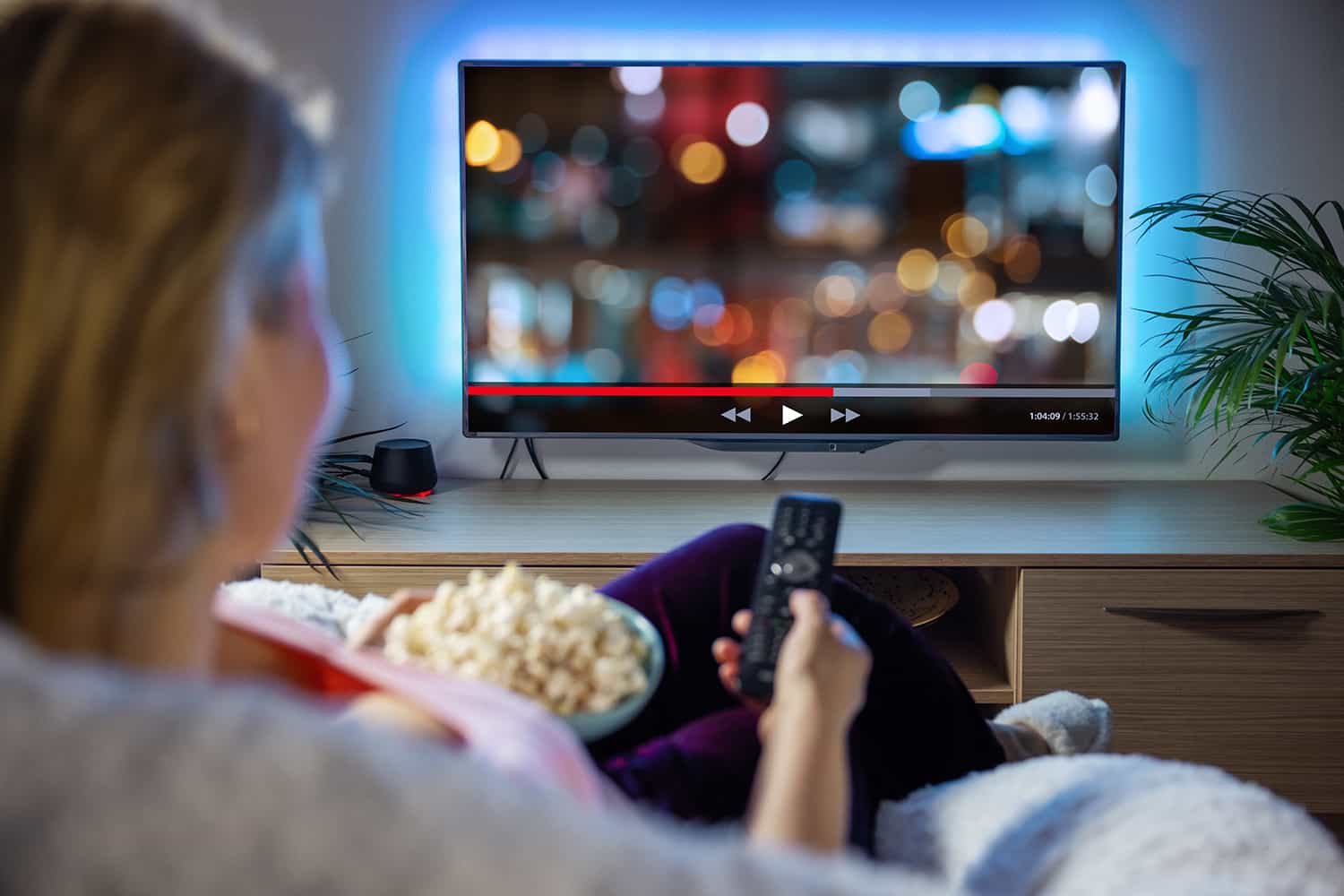
Where you watch a film is also a matter of the hardware you choose to interface with. The synergy between software platforms and physical gadgets is what creates a “home cinema” experience.
Smart TVs, Dongles, and Dedicated Streaming Hardware
The hardware market is split between “Smart” displays with built-in operating systems (like LG’s webOS or Samsung’s Tizen) and external streaming peripherals like the Apple TV 4K, Roku, or NVIDIA Shield. The latter often provides superior processing power, allowing for better AI-driven upscaling. For example, the NVIDIA Shield uses deep learning neural networks to take 1080p content and “guess” the missing pixels to simulate a 4K image in real-time. This tech is a game-changer for watching older films on modern high-resolution screens.
Audio Integration: Atmos and Spatial Sound Tech
The “where” of watching films is increasingly about the “how it sounds.” Modern platforms now support Dolby Atmos and DTS:X, which move away from traditional “channel-based” audio to “object-based” audio. In an object-based system, a sound (like a helicopter flying overhead) is treated as an independent data point in a 3D space. The hardware—whether a multi-speaker setup or high-end spatial audio headphones—calculates how to project that sound based on the specific acoustics of the room or the position of the user’s head.
The Role of AI in Discovery and Personalization
Artificial Intelligence is the invisible hand guiding users to where they should watch their next film. Recommendation engines use machine learning to analyze thousands of data points: what time you watch, how long you linger on a thumbnail, and the specific genres you prefer. This isn’t just about suggesting a similar movie; it’s about “predictive caching.” Some advanced apps begin pre-loading the first few minutes of a film they think you will click on, reducing “time-to-play” to nearly zero.
4. Digital Security and Global Content Access
The technical reality of the film industry is often limited by licensing and geography, leading to the rise of tools designed to navigate these digital borders.
Utilizing VPNs for Global Access and Privacy
Virtual Private Networks (VPNs) have become a standard tool in the film enthusiast’s kit. By encrypting data and rerouting it through a server in a different country, a VPN allows users to bypass “geo-blocking.” From a tech perspective, this involves tunneling protocols like WireGuard or OpenVPN, which maintain high speeds necessary for 4K streaming while masking the user’s IP address. This technology effectively expands the “where” of film watching to a global scale, allowing access to international libraries that would otherwise be restricted.
Digital Rights Management (DRM) and Content Security
Behind every “Play” button is a complex handshake between the server and the client. DRM tech ensures that the film is being watched on an authorized device. While often invisible to the user, DRM affects everything from the maximum resolution available on a web browser to the ability to take screenshots. For example, Netflix may limit a PC user to 1080p if they are using a browser that doesn’t support the necessary hardware-level decryption, whereas a dedicated app or a specific browser like Microsoft Edge (which supports PlayReady DRM) would allow for full 4K.
5. The Future: Virtual Reality and Decentralized Cinema
As we look forward, the “where” of watching films is moving beyond the flat screen and into entirely new digital dimensions.
Virtual Reality (VR) and Immersive Cinema
VR headsets like the Meta Quest 3 or the Apple Vision Pro are redefining film consumption. Through “Virtual Cinema” apps, a user can sit in a digitally rendered IMAX theater while physically lying in bed. This technology uses stereoscopic rendering and high-refresh-rate displays to trick the brain into a sense of immense scale. Furthermore, 180-degree and 360-degree films represent a new tech frontier where the viewer is no longer a passive observer but an active participant in the visual space.

Blockchain and Decentralized Content Distribution
The next evolution of “where to watch” may involve decentralized platforms. Using blockchain technology, some developers are creating peer-to-peer (P2P) streaming networks. In this model, the film isn’t stored on a central server like Amazon’s AWS; instead, it is distributed across the devices of the viewers themselves. This could potentially lower costs for filmmakers and provide a more resilient, censorship-resistant method of film distribution, ensuring that cinema remains accessible regardless of centralized platform policies.
In conclusion, “where to watch films” is a question answered by a complex interplay of cloud infrastructure, sophisticated codecs, AI-driven software, and cutting-edge hardware. As technology continues to evolve, the barrier between the viewer and the cinematic experience will only continue to thin, making the world’s film library more accessible, immersive, and high-quality than ever before.
aViewFromTheCave is a participant in the Amazon Services LLC Associates Program, an affiliate advertising program designed to provide a means for sites to earn advertising fees by advertising and linking to Amazon.com. Amazon, the Amazon logo, AmazonSupply, and the AmazonSupply logo are trademarks of Amazon.com, Inc. or its affiliates. As an Amazon Associate we earn affiliate commissions from qualifying purchases.