
In a world saturated with visual information, brands constantly seek ways to cut through the noise, communicate their essence, and forge lasting connections with their audience. Often, the most profound messages are conveyed not through complex imagery or extensive text, but through the elegant simplicity of geometric shapes. The query “what does the circle in the triangle mean?” isn’t just about understanding a specific symbol; it’s an invitation to delve into the powerful, often subconscious, language of design that underpins much of corporate identity and marketing strategy.
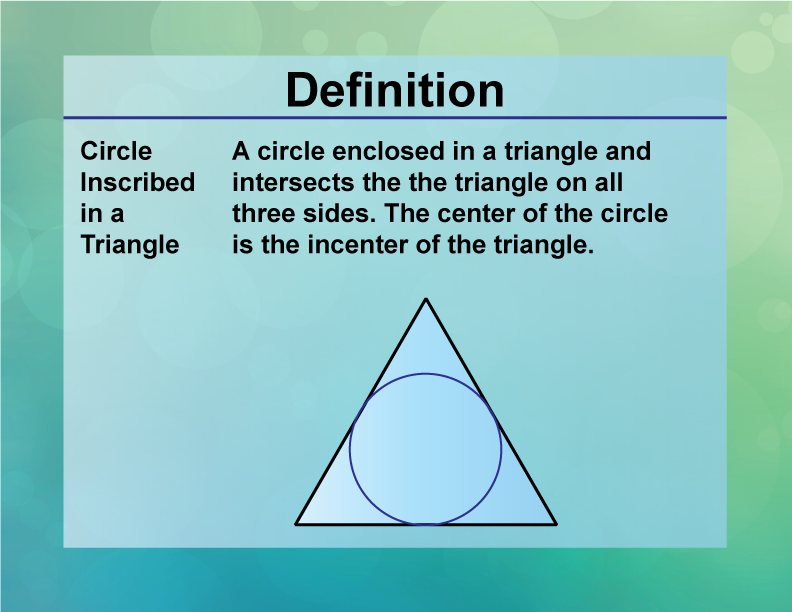
Geometric symbols like the circle and the triangle are more than mere aesthetic choices; they are vessels of meaning, steeped in millennia of human perception and cultural significance. When these fundamental forms are combined, as in a circle within a triangle, they create a composite symbol whose power derives from the interplay of their individual meanings, strategically employed to convey a brand’s core values, mission, or unique proposition. This exploration unpacks the strategic intent behind such a design, revealing how seemingly simple shapes contribute to complex brand narratives.
The Ubiquity and Ancient Roots of Geometric Symbols
Before dissecting the specific combination, it’s crucial to understand why basic geometric shapes hold such sway in human communication and, by extension, in branding. These forms are not arbitrary; they tap into universal human psychology and ancient symbolism.
Universal Language of Shapes
Shapes are the most fundamental elements of visual communication. A square is a square whether you’re in Tokyo or Timbuktu, and its inherent qualities (stability, order) are largely understood across cultures. This universality makes them invaluable tools for global branding. Unlike words, which require translation, shapes communicate directly, often bypassing the conscious mind to evoke an immediate emotional or conceptual response. A circle can suggest unity, a square reliability, and a triangle direction, without a single word being spoken. This primal understanding allows brands to build foundational recognition and association that transcends linguistic barriers, laying a powerful groundwork for their identity.
Historical Significance
The use of geometric symbols for meaning predates written language. Ancient civilizations worldwide employed circles, triangles, and squares in their art, architecture, spiritual practices, and societal structures. From the pyramids of Egypt (triangular stability) to the mandalas of Eastern philosophy (circular wholeness), these shapes have consistently represented core tenets of existence. They symbolized deities, natural forces, cosmological order, and human ideals. This deep historical embedment means that when a modern brand incorporates these forms, they subconsciously tap into a vast reservoir of established meaning, lending gravity and resonance to their identity that goes far beyond contemporary aesthetics. The “circle in the triangle” might evoke ancient seals, alchemical symbols, or sacred geometry, implicitly suggesting depth and timelessness.
The Psychology of Basic Forms
The human brain is wired to interpret shapes rapidly. Each basic form triggers distinct psychological associations:
- The Circle: Symbolizes wholeness, unity, eternity, protection, community, and completeness. It suggests softness, warmth, and inclusivity, often conveying movement, cycles, or endless possibilities. In branding, circles are frequently used by companies emphasizing connection, global reach, or user-friendliness.
- The Triangle: Represents stability, strength, direction, progression, and hierarchy. With its three points, it can signify past, present, future; mind, body, spirit; or birth, life, death. Upward-pointing triangles often connote aspiration, innovation, and leadership, while downward-pointing ones can suggest grounding or introspection. Brands looking to convey dynamism, focus, or authority often employ triangles.
- The Square: Denotes stability, order, balance, and reliability. It’s often associated with structure, professionalism, and dependability.
Understanding these individual psychological impacts is crucial for appreciating the nuanced message created when they are combined. The synergy of forms amplifies and refines the brand narrative.
Deconstructing the “Circle in the Triangle”: A Branding Perspective
When a circle is placed within a triangle, the resulting symbol is a deliberate fusion of these psychological and historical meanings. It’s a powerful combination that skilled brand strategists leverage to articulate complex ideas concisely.
The Triangle: Direction, Stability, and Progress
Individually, the triangle is a cornerstone of visual communication, particularly for brands aiming to project specific qualities:
- Meaning: Its three sides and points inherently convey directionality—forward movement, upward aspiration, or a foundational base. It speaks to strength, balance, and often, hierarchy or a focused purpose. Triangles can represent pillars of support, or a pointed emphasis on innovation and advancement. In a dynamic context, it suggests movement and efficiency, like an arrow or a play button.
- Application in Branding: Technology companies often use triangles to symbolize cutting-edge innovation, forward momentum, or a simplified, powerful solution. Financial institutions might use them to convey stability, growth, and trust. Sports brands frequently incorporate triangles to represent peak performance, aspiration, and the drive to conquer. The orientation of the triangle is also critical; an upward-pointing triangle typically signifies growth and ambition, while a downward one might imply a contained or focused energy.
The Circle: Unity, Wholeness, and Inclusivity
The circle, conversely, offers a different set of connotations that beautifully complement or contrast with the triangle:
- Meaning: Lacking a beginning or end, the circle is the ultimate symbol of eternity, completeness, and cycles. It evokes feelings of community, inclusivity, protection, and boundless reach. Its soft, curved lines suggest approachability, harmony, and a user-friendly experience. It can represent a globe, a community, an unbroken bond, or a single, perfect entity.
- Application in Branding: Brands focused on community, social networking, or global connectivity frequently adopt circular motifs. Non-profit organizations often use circles to convey unity and collective action. Consumer-friendly brands leverage the circle’s inviting nature to appear accessible and harmonious. It’s a shape that suggests everything is contained, secure, and complete within its bounds.
The Juxtaposition: What Happens When They Meet?
The true genius of the “circle in the triangle” emerges from the interaction of these two powerful symbols. The meanings don’t merely add up; they combine to create a richer, more nuanced message:
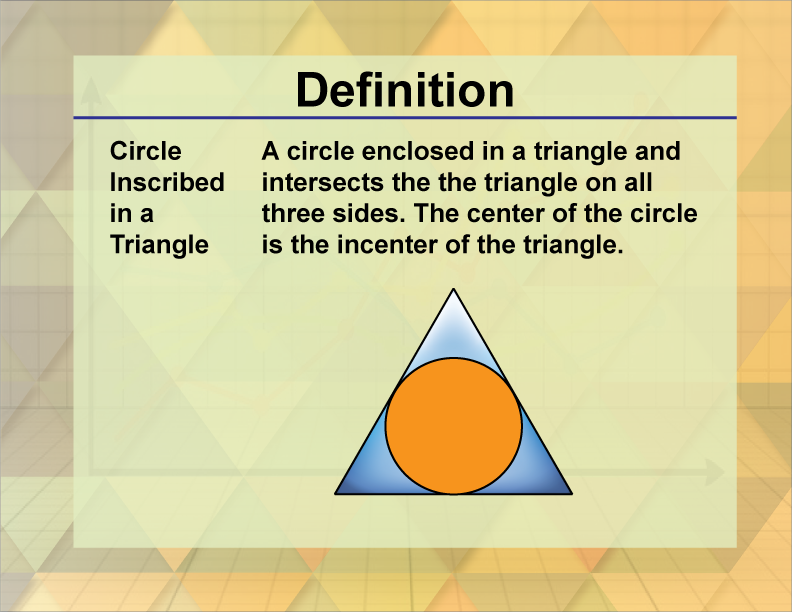
- Synergy of Meanings: When a circle is placed inside a triangle, it often suggests a core element (the circle) that is protected, contained, guided, or propelled by an external framework (the triangle). It could represent a stable system that fosters unity, a progressive entity that prioritizes community, or innovation that is securely grounded. For example, a stable foundation (triangle) protecting or nurturing a central, unified idea or community (circle).
- Potential Interpretations:
- Focused Community/User: The triangle acts as a guiding force or protective shell around a unified user base or core idea.
- Protected Innovation: A central, innovative concept (circle) is securely contained or driven forward by a robust, stable system (triangle).
- Progressive Tradition: Combining the forward-looking aspect of the triangle with the timelessness and completeness of the circle might signify a brand that innovates while respecting its foundational values or community.
- Holistic Approach within Structure: The circle’s wholeness is integrated within a defined, stable, and perhaps directional, structure.
- Essential Core within a Framework: It can represent a fundamental, complete essence that is supported and defined by a surrounding, often aspirational, framework.
This combination is inherently dynamic yet stable, suggesting a balance between outward drive and inward unity. The specific interpretation largely depends on the brand’s industry, its specific values, and the overall context of its visual identity.
Practical Applications in Corporate Identity and Logo Design
The “circle in the triangle” isn’t merely theoretical; its power is evident in countless real-world branding applications. Its strength lies in its ability to condense complex brand messages into a single, memorable graphic.
Conveying Brand Values Without Words
One of the primary goals of a strong brand identity is to communicate core values instantly. A logo featuring a circle in a triangle can speak volumes without needing accompanying text. For a tech company, it might suggest “secure innovation” or “user-centric development within a robust framework.” For a non-profit, it could mean “community protected by our mission” or “holistic support within a structured program.” This immediate visual shorthand is invaluable in today’s fast-paced, image-driven market, allowing brands to establish an emotional and conceptual foothold before any deeper engagement. The symbol alone begins to tell the brand’s story.
Memorable and Distinctive Visuals
Simplicity often breeds memorability. Geometric designs, especially those with clear, strong forms like the circle and triangle, are inherently easy to recognize and recall. In a crowded marketplace where visual clutter is the norm, a clean, distinctive geometric logo stands out. The circle in the triangle creates a unique profile that is both familiar (due to the primal nature of the shapes) and unique (due to their specific combination and arrangement). This distinctiveness is crucial for brand recognition and differentiation against competitors who might use more generic or overly complex imagery.
Versatility and Scalability
A significant advantage of geometric logos is their versatility. They scale effortlessly across various mediums without losing integrity or detail. Whether emblazoned on a billboard, shrunk to an app icon, embroidered on merchandise, or integrated into a website favicon, the clear lines and defined forms of a circle in a triangle remain sharp and legible. This adaptability is critical for modern brands that operate across numerous digital and physical touchpoints, ensuring consistent brand representation regardless of the platform. Complex, intricate logos often struggle with scalability, becoming illegible or losing impact at smaller sizes, a problem largely avoided by strong geometric designs.
Case Study Archetypes (Illustrative Examples)
While specific brand names are beyond the scope of this general analysis, we can envision archetypes:
- Tech/Innovation: Imagine a cybersecurity firm using this symbol. The triangle could represent their robust, cutting-edge security framework, while the inner circle symbolizes the protected data, user privacy, or the core innovative solution they offer. It conveys both protection and forward-thinking technology.
- Community/Social Enterprise: A social impact organization might use it to show a unified community (circle) being uplifted, guided, or sustained by their mission (triangle). It signifies a focused effort to empower a collective.
- Safety/Security: A financial institution specializing in secure investments could employ the symbol, with the triangle representing the stability and safety of their investment strategies, and the circle representing the client’s protected assets or financial well-being. It communicates foundational security and trust.
In each instance, the combination provides a rich, multi-layered message that aligns directly with the brand’s strategic goals and value proposition.
The Strategic Intent Behind Symbolic Branding
Ultimately, the choice to use a symbol like the circle in the triangle in a brand’s identity is not a random aesthetic decision but a carefully considered strategic move. It speaks to a deeper understanding of human perception and the power of non-verbal communication.
Beyond Aesthetics: Meaning-Making in Marketing
For brand strategists, the logo is not just a pretty picture; it’s the visual anchor of the entire brand identity. Every element, including the choice of shapes, colors, and typography, is deliberately selected to contribute to the overarching brand narrative. The “circle in the triangle” helps brands to tell their story, to establish an emotional connection, and to differentiate themselves in a competitive landscape. It’s about building a consistent, resonant identity that permeates all marketing efforts, from advertising campaigns to product design. This symbolic meaning-making ensures that the brand communicates its core message effectively and consistently, fostering recognition and loyalty.
Cultural Nuances and Interpretations
While basic geometric shapes often carry universal meanings, it’s crucial for global brands to consider cultural nuances. What might signify protection in one culture could have a different, possibly negative, connotation elsewhere. A thorough understanding of the target audience’s cultural context is paramount during the design process. Research and cultural sensitivity ensure that the chosen symbol resonates positively and communicates the intended message without accidental misinterpretation, reinforcing the brand’s global appeal and effectiveness.
Evolving Brand Identities
Brand identities are not static; they evolve with the company and the market. Even classic geometric symbols can be adapted or reinterpreted over time to reflect changing brand narratives or new strategic directions. A brand might subtly alter the proportions, colors, or textures of its circle-in-triangle logo to signify a shift towards greater dynamism, a stronger emphasis on community, or a renewed commitment to sustainability. This ability to subtly evolve while retaining core recognition is another strength of simple, geometric foundations, demonstrating the longevity and adaptability of well-conceived symbolic branding.
In conclusion, the question “what does the circle in the triangle mean?” reveals a profound truth about branding: that visual elements are far more than decorative. They are potent communicators, capable of conveying complex ideas, emotions, and values in an instant. For the brand strategist, understanding the rich tapestry of meaning behind geometric shapes allows for the creation of identities that are not only aesthetically pleasing but also strategically powerful, deeply resonant, and enduring. The circle in the triangle, therefore, is not just a symbol; it’s a testament to the enduring power of design to articulate a brand’s essence in a language understood by all.
aViewFromTheCave is a participant in the Amazon Services LLC Associates Program, an affiliate advertising program designed to provide a means for sites to earn advertising fees by advertising and linking to Amazon.com. Amazon, the Amazon logo, AmazonSupply, and the AmazonSupply logo are trademarks of Amazon.com, Inc. or its affiliates. As an Amazon Associate we earn affiliate commissions from qualifying purchases.