
Securing investment is often the lifeblood of a growing business, transforming innovative ideas into market-ready products and services, scaling operations, or navigating challenging economic landscapes. For many entrepreneurs, the journey to find the right investors can seem daunting, a complex maze of pitches, valuations, and due diligence. However, with strategic preparation, a clear understanding of the investment landscape, and persistent effort, finding the capital your business needs is an achievable goal. This comprehensive guide will demystify the process, offering actionable insights for entrepreneurs at every stage of their business journey.
I. Laying the Groundwork: Preparing Your Business for Investment
Before you even begin the search for investors, the most critical step is to ensure your business itself is investment-ready. Investors aren’t just buying into an idea; they’re investing in a well-thought-out plan, a competent team, and a clear path to profitability and return on investment.

A. Crafting a Compelling Business Plan
Your business plan is the foundational document that articulates your vision, strategy, and operational details. It serves as your business’s roadmap and your primary communication tool for potential investors. A compelling plan must include:
- Executive Summary: A concise overview of your entire plan, highlighting key opportunities and financial projections.
- Company Description: What your business does, its mission, vision, and core values.
- Market Analysis: A deep dive into your industry, target market, competitive landscape, and unique selling proposition (USP).
- Product or Service: Detailed description of what you offer, its features, benefits, and intellectual property.
- Marketing and Sales Strategy: How you will reach customers, generate leads, and close sales.
- Operations Plan: How your business functions daily, including production, logistics, and technology.
- Management Team: Profiles of your key personnel, highlighting their experience and expertise.
- Financial Projections: Detailed forecasts including income statements, cash flow statements, balance sheets, and a break-even analysis. These must be realistic and backed by clear assumptions.
A well-researched and clearly articulated business plan demonstrates your understanding of the market and your commitment to disciplined growth.
B. Understanding Your Financial Needs and Valuation
Before approaching investors, you must clearly define how much capital you need and precisely how it will be utilized. Investors want to see a detailed breakdown, demonstrating that you have a strategic allocation plan for every dollar. Is the investment for product development, marketing, hiring, or expanding infrastructure?
Equally important is understanding your business’s valuation. While challenging for early-stage companies, having a defendable valuation helps in negotiating equity stakes. Various methods exist, such as discounted cash flow (DCF), asset-based valuation, or market multiple approach. For startups, often early-stage valuation is based on market opportunity, team strength, traction, and comparable deals. Be prepared to justify your proposed valuation with data and realistic projections.
C. Building a Strong Management Team
Investors don’t just invest in ideas; they invest in people. A strong, experienced, and complementary management team is often cited as the number one factor in an investor’s decision, especially for early-stage ventures. Highlight the expertise, track record, and specific roles of your core team members. If there are gaps in crucial areas like finance, technology, or marketing, consider bringing on advisors or part-time executives to bolster your team’s credibility. Demonstrate that your team has the skills, passion, and resilience to execute the business plan and overcome challenges.
II. Identifying the Right Investor Types
The world of business finance offers a diverse ecosystem of investors, each with different motivations, investment criteria, and capital amounts. Identifying the right type of investor for your specific stage and needs is crucial.
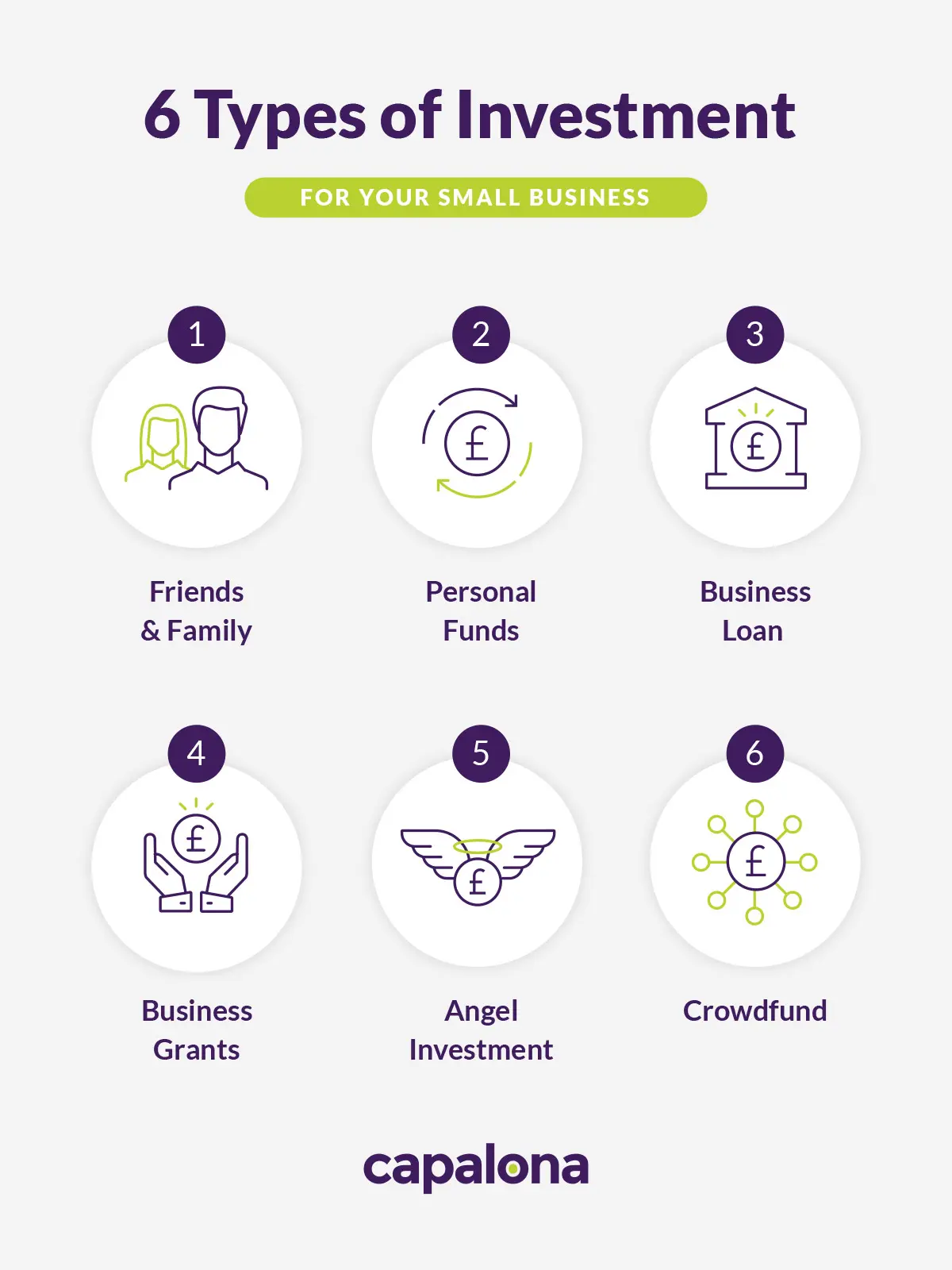
A. Friends, Family, and Self-Funding (FF&F)
Often the first port of call for budding entrepreneurs, FF&F funding provides essential seed capital to get an idea off the ground. Self-funding (bootstrapping) demonstrates commitment and resourcefulness. While these sources typically offer smaller sums, they come with fewer strings attached and allow entrepreneurs to retain more equity. However, it’s vital to treat these investments professionally, with clear agreements, to avoid damaging personal relationships.
B. Angel Investors
Angel investors are high-net-worth individuals who invest their personal capital into early-stage companies in exchange for equity. They often bring not only money but also valuable industry experience, mentorship, and connections. Angels typically invest anywhere from tens of thousands to a few million dollars. You can find angels through personal networks, industry events, angel groups, and online platforms dedicated to connecting startups with investors. They look for strong teams, innovative ideas, significant market potential, and a clear exit strategy.
C. Venture Capital Firms (VCs)
Venture Capital (VC) firms are institutional investors that manage funds raised from limited partners (e.g., pension funds, endowments) and invest in high-growth companies with significant potential for scale. VCs typically invest larger sums than angels, ranging from hundreds of thousands to tens of millions, and often participate in later funding rounds (Series A, B, C, etc.). They expect substantial returns and often take a more active role in governance through board seats. VCs are primarily interested in disruptive technologies, large addressable markets, proven traction, and a clear path to an IPO or acquisition. Networking, warm introductions, and demonstrating significant growth metrics are key to attracting VC interest.
D. Crowdfunding
Crowdfunding platforms allow businesses to raise capital from a large number of individuals, each contributing a small amount. This method can be particularly effective for consumer products or businesses with a strong community appeal. There are different types:
- Reward-based crowdfunding: Pre-selling products or offering perks in exchange for funding (e.g., Kickstarter, Indiegogo).
- Equity crowdfunding: Offering small equity stakes in your company to the general public (e.g., SeedInvest, StartEngine). This allows you to tap into a broad base of smaller investors, often your early customers or fans.
Crowdfunding requires a compelling campaign, strong marketing, and a clear value proposition.
E. Government Grants and Loans
Various government agencies and non-profit organizations offer grants and loans designed to support specific types of businesses, industries, or research and development initiatives. Grants are particularly attractive as they do not require repayment or equity dilution. Loans, such as those guaranteed by the Small Business Administration (SBA) in the U.S., offer favorable terms and lower interest rates. While often requiring extensive applications and meeting strict criteria, these sources can provide crucial non-dilutive capital.
III. Strategies for Reaching and Engaging Investors
Once your business is prepared and you’ve identified potential investor types, the next phase is actively reaching out and engaging them effectively.
A. Networking and Industry Events
One of the most effective ways to meet investors is through networking. Attend industry conferences, trade shows, startup pitch events, and incubator/accelerator demo days. These venues offer direct opportunities to connect with investors, learn about their preferences, and build relationships. Focus on genuine connections rather than just transactional asks. A warm introduction from a mutual contact is often far more impactful than a cold email.
B. Developing an Investor Pitch Deck
Your pitch deck is a concise, visually engaging presentation (typically 10-15 slides) that tells your company’s story and makes a compelling case for investment. Key slides usually include:
- Problem: The pain point you are solving.
- Solution: Your product or service that addresses the problem.
- Market: Size of the opportunity and your target audience.
- Product: A demo or visual representation.
- Business Model: How you make money.
- Team: Who is behind the venture.
- Financials: Key projections and milestones.
- The Ask: How much capital you need and what you’ll use it for.
- Competition: How you differentiate yourself.
The pitch deck should be clear, concise, and persuasive, serving as a visual narrative that complements your verbal presentation.
C. Mastering the Art of the Pitch
Whether it’s a 60-second elevator pitch or a 30-minute boardroom presentation, mastering the art of the pitch is paramount. Practice extensively until your delivery is smooth, confident, and engaging. Focus on storytelling, highlighting the vision, passion, and market opportunity. Be prepared to answer tough questions about your financials, market, team, and risks. Confidence, conviction, and a thorough understanding of your business will shine through.
D. Leveraging Online Platforms and Directories
In the digital age, numerous online platforms facilitate connections between entrepreneurs and investors. Sites like AngelList, Crunchbase, and various regional startup directories allow you to create profiles, showcase your business, and even directly apply for funding rounds. LinkedIn can also be a powerful tool for researching investors and making targeted connections. Maintain a professional online presence that reflects your business’s strengths and potential.
IV. Navigating the Due Diligence and Negotiation Process
If an investor expresses interest, you’ll likely enter the due diligence phase, followed by negotiations. This stage requires meticulous preparation and often legal expertise.
A. Preparing for Due Diligence
Due diligence is the investor’s process of verifying all information about your business. Be prepared to provide comprehensive access to:
- Financial Records: Detailed income statements, balance sheets, cash flow projections, tax returns, and previous funding documents.
- Legal Documents: Articles of incorporation, operating agreements, intellectual property registrations, customer contracts, employee agreements, and any existing loan documents.
- Operational Details: Supplier contracts, leases, and technology infrastructure information.
- Team Information: Resumes, background checks, and compensation structures.
Transparency and organization are key. Having a well-structured data room (physical or virtual) with all necessary documents readily available will streamline the process and build trust.
B. Understanding Term Sheets and Valuation
If due diligence is satisfactory, the investor will typically present a term sheet – a non-binding outline of the proposed investment terms. This document details critical aspects such as:
- Valuation: The pre-money valuation of your company and the post-money valuation.
- Equity Stake: The percentage of ownership the investor will receive.
- Investment Amount: The capital being injected.
- Share Class: Common vs. preferred stock (preferred typically offers more protections for investors).
- Governance: Board seats, voting rights, and veto powers.
- Liquidation Preferences: How investors are paid out in an acquisition or liquidation event.
- Anti-dilution Provisions: Protections for investors in case of future down rounds.
Understanding these terms is paramount. It is highly advisable to engage experienced legal counsel specializing in startup finance to review and negotiate the term sheet.
C. Negotiation Tactics
Negotiating investment terms is an art. While you want to secure the best possible terms for your company, remember that it’s also about building a long-term partnership. Focus on what truly matters to your business’s future, such as valuation, control, and future funding flexibility. Be realistic about what you can achieve and be prepared to compromise on non-critical points. A fair deal is one that benefits both parties and sets the foundation for a successful working relationship.
D. Closing the Deal and Post-Investment Relationship
Once all terms are agreed upon, legal documents are finalized, and funds are wired, the deal is officially closed. However, finding investors is not the end of the journey; it’s the beginning of a new chapter. Post-investment, maintain proactive and transparent communication with your investors. Regular updates, financial reports, and discussions about challenges and successes build trust and pave the way for future support.
V. Beyond the Initial Investment: Building Long-Term Relationships
Successful investment isn’t a one-time transaction; it’s the start of a partnership that can fuel your business for years to come.
A. Effective Communication and Reporting
Keep investors informed about your progress, challenges, and milestones. Regular reports (monthly or quarterly) on financial performance, operational achievements, and strategic adjustments are crucial. Transparency builds trust and can lead to continued support, including follow-on funding or introductions to other investors.
B. Leveraging Investor Expertise
Many investors, particularly angels and VCs, bring a wealth of experience, industry knowledge, and vast networks. Don’t just see them as a source of capital; leverage their expertise. Seek their advice on strategic decisions, market entry, hiring, and navigating complex challenges. Their insights can be invaluable in accelerating your growth and avoiding costly mistakes.

C. Preparing for Future Funding Rounds
The initial investment often serves as a stepping stone. As your business grows, you may require subsequent rounds of funding. By building strong relationships with your initial investors and demonstrating consistent progress, you create a compelling story that can attract new investors for future growth stages. Your early investors can often be your strongest advocates and even participate in follow-on rounds.
Finding investors for a business is a challenging yet ultimately rewarding endeavor that requires meticulous preparation, strategic targeting, and persistent effort. By focusing on building a robust business, understanding the diverse landscape of funding sources, mastering the art of the pitch, and navigating the complexities of due diligence, entrepreneurs can successfully secure the capital needed to transform their vision into a thriving reality. Remember, every investor is looking for a compelling story backed by a solid plan and an exceptional team. Tell your story well, and the right investment will follow.
aViewFromTheCave is a participant in the Amazon Services LLC Associates Program, an affiliate advertising program designed to provide a means for sites to earn advertising fees by advertising and linking to Amazon.com. Amazon, the Amazon logo, AmazonSupply, and the AmazonSupply logo are trademarks of Amazon.com, Inc. or its affiliates. As an Amazon Associate we earn affiliate commissions from qualifying purchases.