
The maturation of Bitcoin from a niche cryptographic experiment into a globally recognized financial asset class has transformed the way individual and institutional investors approach wealth preservation. As the market capitalization of Bitcoin continues to rival traditional commodities like gold, the primary question for investors has shifted from “should I buy” to “where should I trade.” Selecting a trading platform is perhaps the most critical decision an investor makes, as it dictates the security of their assets, the efficiency of their capital, and the overall success of their financial strategy.
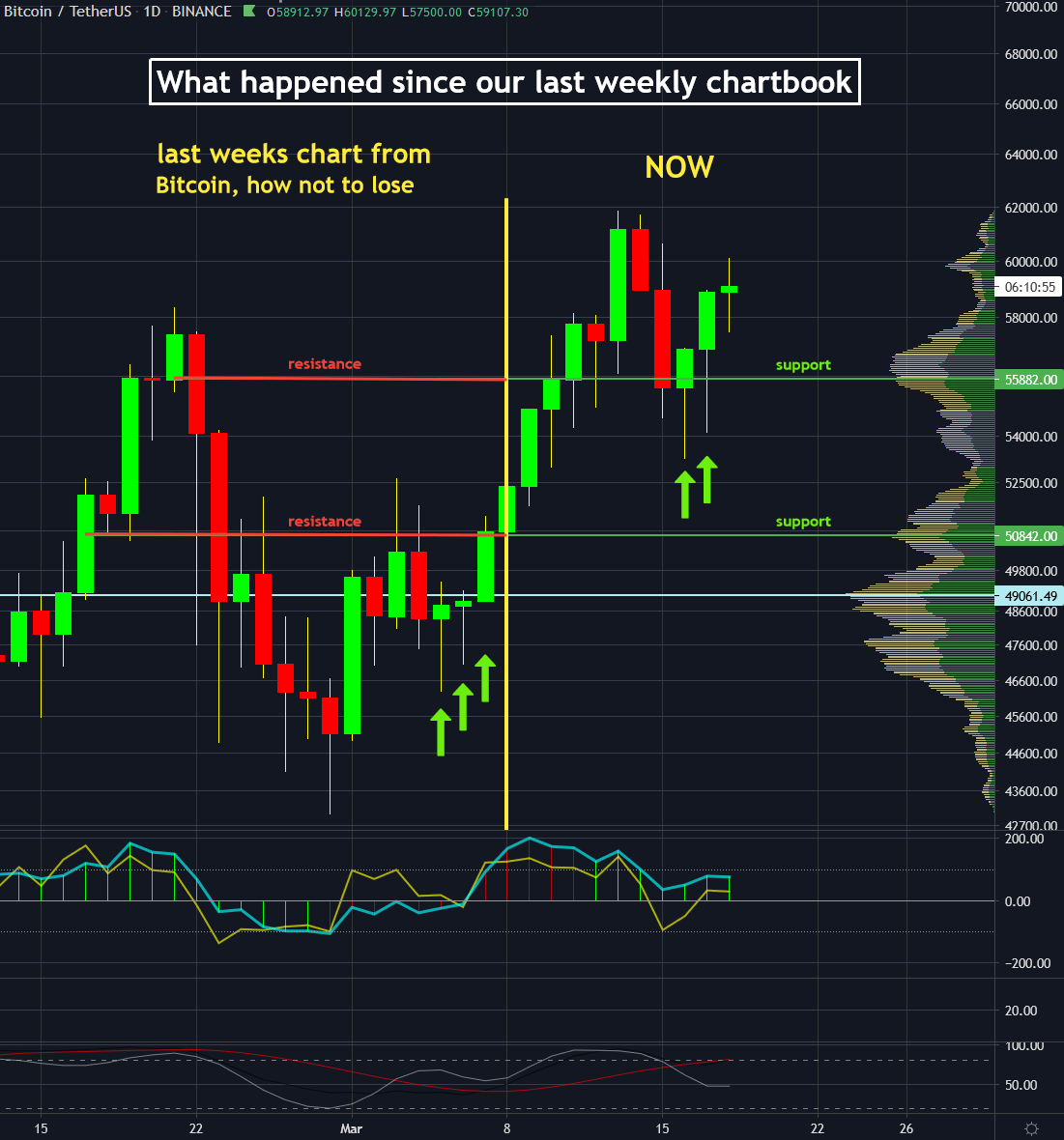
The ecosystem of Bitcoin trading is diverse, ranging from user-friendly mobile applications to sophisticated institutional-grade terminals. Choosing the right environment requires a deep understanding of your own financial goals, risk tolerance, and the specific technical requirements of the cryptocurrency market.
Understanding the Landscape of Bitcoin Trading Platforms
The first step in deciding where to trade Bitcoin is recognizing that not all platforms are built the same. The infrastructure of the crypto market is categorized into several distinct types of venues, each offering different advantages in terms of liquidity, privacy, and control.
Centralized Exchanges (CEXs)
Centralized exchanges are the most common entry point for investors. These platforms operate similarly to traditional stock brokerages, acting as intermediaries between buyers and sellers. They manage an order book, provide custody of funds, and offer a suite of trading tools. Major names in this space are preferred for their high liquidity, meaning you can execute large trades quickly without significant price movement. For the average investor, CEXs provide a familiar interface, easy onboarding via fiat currency (USD, EUR, etc.), and customer support.
Decentralized Exchanges (DEXs)
For those who prioritize financial sovereignty and privacy, decentralized exchanges offer a peer-to-peer alternative. Unlike centralized entities, DEXs operate on blockchain smart contracts, allowing users to trade directly from their private wallets without a middleman. While trading native Bitcoin on a DEX often requires “wrapping” the asset (converting it to a token on another network like Ethereum), these platforms are essential for investors who wish to maintain full control over their private keys throughout the trading process.
Peer-to-Peer (P2P) Marketplaces
P2P platforms connect individual buyers and sellers directly. These marketplaces are particularly popular in regions with limited banking infrastructure or where centralized exchanges face regulatory hurdles. In a P2P trade, the platform often acts as an escrow service to ensure the security of the transaction, but the price and payment method are negotiated between the two parties. This allows for diverse payment options, including cash, bank transfers, and gift cards.
Key Factors to Consider When Choosing a Trading Platform
The decision of where to trade Bitcoin should not be taken lightly. As the industry has grown, so too have the complexities of platform evaluation. Investors must look beyond the user interface and scrutinize the underlying financial and security protocols.
Security and Regulatory Compliance
In the world of digital finance, security is the foundation of any investment strategy. A reputable platform must demonstrate a robust security posture, including features like two-factor authentication (2FA), biometric logins, and multi-signature cold storage for the majority of user funds. Furthermore, the regulatory status of a platform is a strong indicator of its legitimacy. In jurisdictions like the United States, United Kingdom, and the European Union, platforms that comply with Anti-Money Laundering (AML) and Know Your Customer (KYC) regulations offer a layer of legal protection and accountability that unregulated platforms lack.
Fee Structures and Hidden Costs
The cost of trading can significantly erode investment returns over time. Most platforms utilize a “Maker-Taker” fee model, where “makers” (those who provide liquidity to the order book) pay lower fees than “takers” (those who buy at market price). However, investors must also look for hidden costs, such as withdrawal fees, deposit fees for certain payment methods, and the “spread”—the difference between the buy and sell price. For high-volume traders, even a fraction of a percentage point in savings can lead to substantial gains.
Liquidity and Execution Speed
Liquidity refers to the ease with which Bitcoin can be bought or sold without affecting its market price. Platforms with high liquidity allow for “tight” spreads and immediate execution. If you are trading large sums of money, choosing a platform with deep liquidity is essential to avoid “slippage,” where the actual execution price differs significantly from the expected price. Fast execution speed is equally important, particularly during periods of high market volatility when seconds can mean the difference between a profit and a loss.
Top-Tier Platforms for Every Investor Profile
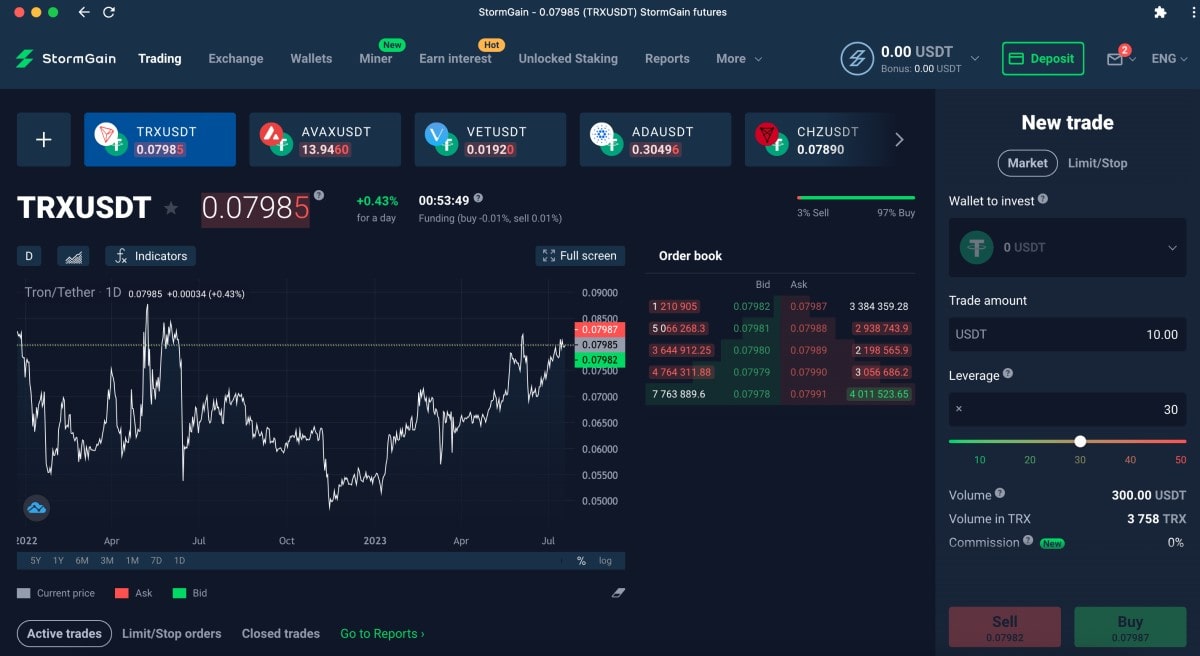
Depending on your level of expertise and your financial objectives, certain platforms will be better suited to your needs. The following categories represent the industry leaders in the current market.
Best for Beginners: Ease of Use and Education
For those just starting their journey, platforms like Coinbase or Gemini are often the gold standard. These exchanges prioritize a clean, intuitive user experience that abstracts the complexities of the blockchain. They offer “recurring buy” features, which are excellent for a Dollar-Cost Averaging (DCA) strategy, allowing investors to build a position over time regardless of price fluctuations. Additionally, these platforms often provide extensive educational resources to help users understand market dynamics.
Best for Professional Traders: Advanced Tools and Low Fees
Active traders who require advanced charting tools, technical indicators, and a wide variety of order types (such as stop-limit or trailing stop orders) often gravitate toward Binance or Kraken. These platforms offer “Pro” interfaces designed for efficiency and speed. They also provide access to high-leverage products, though these should be approached with extreme caution due to the increased risk of capital loss. The primary draw for professionals is the competitive fee schedule, which often scales down as trading volume increases.
Best for Institutional and High-Net-Worth Investors
Large-scale investors require a different level of service, often including dedicated account management and over-the-counter (OTC) desks for executing massive trades without disrupting the public market. Platforms like Fidelity Crypto or Coinbase Prime cater specifically to this demographic, providing institutional-grade custody solutions that meet strict fiduciary standards. These services are designed to bridge the gap between traditional finance and the digital asset space.
Advanced Trading Options and Financial Tools
As you become more comfortable with basic Bitcoin trading, you may want to explore more sophisticated financial instruments that allow for hedging or speculative strategies.
Futures and Options Trading
Bitcoin derivatives, such as futures and options, allow traders to speculate on the future price of Bitcoin without necessarily owning the underlying asset. These tools are invaluable for risk management. For instance, an investor holding a large amount of Bitcoin might sell a futures contract to hedge against a potential price drop. Platforms like the Chicago Mercantile Exchange (CME) and specialized crypto exchanges provide the infrastructure for these complex trades.
Earning Yield on Your Bitcoin
Beyond traditional trading, many platforms now offer ways to generate a yield on your Bitcoin holdings. Through “Earn” programs or lending protocols, investors can lend their Bitcoin to other users or institutions in exchange for interest payments. While this introduces counterparty risk (the risk that the borrower cannot repay the loan), it can be an effective way to grow your stack during periods of market consolidation.
Best Practices for Secure and Profitable Trading
Where you trade is only half the battle; how you trade is equally important. Integrating your choice of platform into a broader, disciplined financial framework is essential for long-term success.
The Importance of Cold Storage
While it is convenient to keep Bitcoin on an exchange for active trading, the most secure way to store significant wealth is in a “cold” wallet—a device that is not connected to the internet. Most professional investors use a hybrid approach: they keep a small amount of capital on a reputable exchange for immediate trading needs and move their long-term holdings to a hardware wallet. This minimizes the risk of loss due to exchange hacks or platform insolvencies.
Tax Implications and Financial Reporting
In most jurisdictions, trading Bitcoin is a taxable event. Every time you sell or exchange Bitcoin for another asset, you may trigger a capital gains tax liability. It is vital to choose a platform that provides comprehensive transaction history and tax reporting tools. Many modern exchanges integrate directly with crypto tax software, making it easier to track your cost basis and remain compliant with local tax laws.
Developing a Trading Plan
Finally, the most successful traders are those who operate with a clear plan. Before choosing where to trade, define your entry and exit strategies, set your profit targets, and determine how much of your total portfolio you are willing to allocate to Bitcoin. By removing emotion from the process and utilizing the robust tools provided by modern trading platforms, you can navigate the volatile Bitcoin market with confidence and precision.
In conclusion, the question of where to trade Bitcoin is answered by a combination of platform reputation, security features, and alignment with your specific financial goals. Whether you are a casual investor looking for ease of use or a sophisticated trader seeking deep liquidity and advanced tools, the current market offers a wealth of professional-grade options to facilitate your participation in the future of finance.
aViewFromTheCave is a participant in the Amazon Services LLC Associates Program, an affiliate advertising program designed to provide a means for sites to earn advertising fees by advertising and linking to Amazon.com. Amazon, the Amazon logo, AmazonSupply, and the AmazonSupply logo are trademarks of Amazon.com, Inc. or its affiliates. As an Amazon Associate we earn affiliate commissions from qualifying purchases.