
In the competitive landscape of the automotive aftermarket, the question of when a business “opens” extends far beyond the physical unlocking of doors at 8:00 AM. For Les Schwab Tire Centers, the concept of being “open” is a multi-dimensional brand promise that encompasses accessibility, reliability, and a deeply entrenched corporate identity. To understand the brand strategy of Les Schwab, one must look past the storefront hours and examine how the company has positioned itself as a permanent fixture in the lives of Western American drivers.
The Architecture of a Service-First Brand Identity
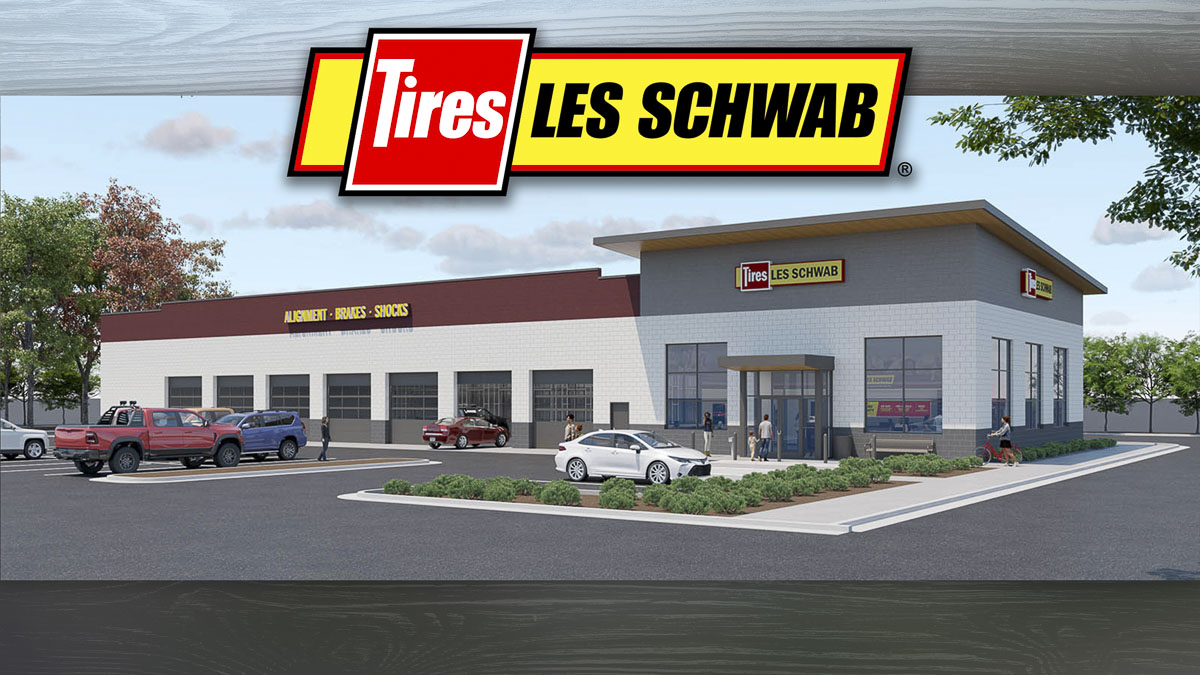
Les Schwab’s brand is not merely built on tires and brakes; it is built on a specific type of customer experience that begins the moment a vehicle enters the parking lot. The “opening” of a Les Schwab location is an invitation into a culture of service that has remained remarkably consistent since the company’s founding in 1952.
The “Run-Out” Culture as a Brand Signature
One of the most distinctive elements of the Les Schwab brand strategy is the “run-out.” For decades, employees have been trained to literally run out to a customer’s vehicle as soon as it pulls onto the lot. This is not a mere gimmick; it is a tactical branding move designed to signal immediate availability. In a retail world where customers often feel ignored or underserved, the run-out serves as a physical manifestation of the brand’s “openness” to the customer’s needs. It communicates speed, eagerness, and a level of respect that differentiates the company from national big-box competitors.
The Power of Localized Consistency
While Les Schwab is a massive regional player with hundreds of locations, it manages to maintain the feel of a local mom-and-pop shop. This is a deliberate corporate identity strategy. By standardizing store hours across most regions—typically 8:00 AM to 6:00 PM on weekdays and shortened hours on Saturdays—the brand creates a predictable cadence for the consumer. However, the true brand strength lies in its localized empowerment. Store managers are often seen as community leaders, and the brand encourages local involvement, which reinforces the idea that the store is “open” not just for business, but for the community.
Strategic Market Positioning: The Western Fortress
Les Schwab’s brand strategy is inextricably linked to its geography. By focusing predominantly on the Western United States—specifically the Pacific Northwest, Intermountain West, and California—the company has built a “fortress brand.”
Dominating the Regional Narrative
When a consumer asks when Les Schwab opens, they are often doing so within a specific regional context where the brand is the dominant provider. This regional focus allows Les Schwab to tailor its marketing and brand messaging to specific environmental needs, such as snow tire season in the Cascades or high-heat performance tires in the Central Valley. By not overextending into a national footprint, the brand maintains a high level of logistical control and service quality, ensuring that every time a store “opens,” it meets the high standards of the brand’s reputation.
Accessibility as a Competitive Advantage
The density of Les Schwab locations in its core markets is a strategic choice. In many rural towns in Oregon, Washington, and Idaho, Les Schwab is often the most prominent commercial landmark. This visibility creates a subconscious brand presence; the store is “open” in the mind of the consumer long before they need a tire change. This level of accessibility serves as a barrier to entry for competitors. It is difficult for a national chain to displace a brand that has integrated itself so thoroughly into the physical and social geography of a region.

The Financial and Emotional Logic of the Warranty Ecosystem
A significant portion of the Les Schwab brand strategy revolves around what happens after the sale. The company’s famous warranty and “Free Beef” promotions (though the latter has evolved) are foundational to its corporate identity.
Building Lifetime Customer Value
The Les Schwab brand is built on the “Free Services” model. Flat tire repairs, air pressure checks, and pre-trip safety inspections are often provided at no cost, regardless of whether the customer originally purchased their tires there. From a brand strategy perspective, this is a masterclass in lead generation and customer retention. By being “open” for free services, Les Schwab lowers the friction for store visits. These low-stakes interactions build trust and ensure that when a customer eventually needs a high-ticket item—like a set of premium tires or a brake overhaul—Les Schwab is the only name on their list.
Trust as a Non-Negotiable Asset
In the automotive industry, there is a pervasive consumer fear of being “upsold” or cheated. Les Schwab counters this through a brand identity rooted in transparency and professional integrity. Their “opening” is an opening of the books, so to speak, where technicians are encouraged to show the customer the worn parts and explain the “why” behind a recommendation. This transparency is a core pillar of their brand equity, turning a routine maintenance task into a relationship-building exercise.
Digital Evolution: The Modern Brand “Opening”
As consumer behavior shifts toward digital-first interactions, Les Schwab has had to redefine what it means to be “open.” The traditional brick-and-mortar hours are now supplemented by a robust digital presence that serves as a 24/7 virtual storefront.
The Virtual Doorway
The brand’s investment in its digital platform allows customers to browse inventory, schedule appointments, and research services at any time. This digital “opening” is crucial for maintaining relevance with younger demographics who prioritize convenience and information transparency. The Les Schwab brand strategy has successfully bridged the gap between the old-school “handshake” culture and the new-school “click-to-book” convenience.
Data-Driven Personalization
Beyond just a website, the brand uses digital tools to maintain a relationship with the customer. Service reminders, digital maintenance records, and targeted promotions based on vehicle history ensure that the brand remains top-of-mind. This shift from reactive service (waiting for the customer to come in with a flat) to proactive service (reminding the customer it’s time for a rotation) is a sophisticated evolution of their brand promise. It demonstrates that the brand is “open” to evolving with its customers’ needs while staying true to its core values.

Conclusion: The Perpetual Openness of a Legacy Brand
When we analyze the question of when Les Schwab opens, we find that the answer is not found on a clock, but in a strategy. The brand is “open” through its relentless commitment to customer service, its strategic regional dominance, its trust-based warranty system, and its successful digital transformation.
Les Schwab has mastered the art of the “Human Brand.” In an era of automation and impersonal transactions, they have doubled down on human interaction and physical presence. Their brand strategy proves that even in a commoditized industry like tire sales, a strong corporate identity and a clear value proposition can create a legendary level of customer loyalty. The physical doors may close at 6:00 PM, but the brand’s influence and the trust it has cultivated remain open 24/7 in the minds of millions of drivers across the West. This is the hallmark of a truly great brand: it transcends its hours of operation to become a reliable constant in an ever-changing market.
aViewFromTheCave is a participant in the Amazon Services LLC Associates Program, an affiliate advertising program designed to provide a means for sites to earn advertising fees by advertising and linking to Amazon.com. Amazon, the Amazon logo, AmazonSupply, and the AmazonSupply logo are trademarks of Amazon.com, Inc. or its affiliates. As an Amazon Associate we earn affiliate commissions from qualifying purchases.