
In the contemporary financial landscape, the physical exchange of cash has become increasingly rare. As digital transformation reshapes how we perceive value and liquidity, peer-to-peer (P2P) payment platforms have emerged as the primary vehicle for personal transactions. Among these, Venmo has established itself not just as a tool, but as a cultural mainstay in the world of personal finance. Understanding how to leverage this platform effectively is no longer optional for the modern consumer; it is a fundamental skill for managing day-to-day capital flow, splitting expenses, and maintaining financial agility.

The Evolution of Peer-to-Peer Payments in Personal Finance
The rise of Venmo represents a significant shift in the mechanics of money. Traditionally, sending money to a friend or merchant required physical currency, a written check, or a cumbersome wire transfer through a traditional banking institution. These methods were often slow, subject to clearing periods, or physically restrictive. Venmo solved these friction points by creating a digital ledger system that mirrors the immediacy of social interaction.
From a financial management perspective, Venmo serves as a secondary digital wallet. It allows users to maintain a “Venmo Balance” or pull directly from linked funding sources. This dual-layered approach to liquidity offers flexibility, but it also requires a disciplined understanding of how money moves through the ecosystem. By digitizing small-scale debts—from restaurant bills to rent shares—Venmo has increased the velocity of money within social circles, making it easier to settle accounts without the psychological or physical hurdles of traditional banking.
Optimizing Your Financial Setup: Linking Accounts and Fee Structures
Before sending your first dollar, it is crucial to configure your account to maximize financial efficiency and minimize unnecessary costs. Venmo offers several ways to fund your transactions, and each carries different implications for your personal bottom line.
Choosing the Right Funding Source
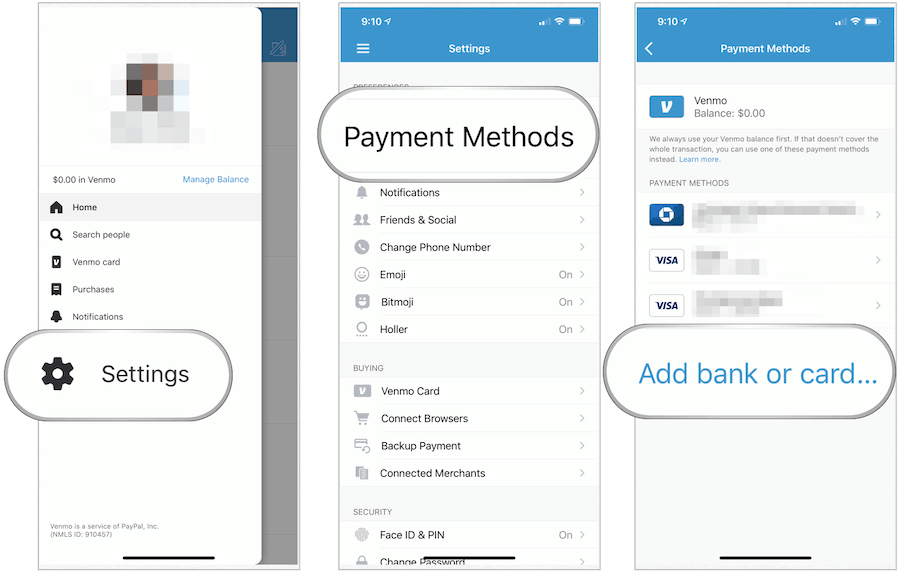
When you set up Venmo, you are prompted to link a bank account, a debit card, or a credit card. From a strategic money management standpoint, these are not equal:
-
Bank Accounts and Debit Cards: These are generally the most cost-effective options. Transactions funded via a linked bank account or most debit cards are free of service fees. This makes them the standard choice for routine transfers.
-
Credit Cards: Venmo charges a 3% fee on payments made using a credit card. While this may seem small, it can significantly erode your capital over time. Financial experts typically advise against using credit cards for P2P transfers unless it is an emergency or you are strategically meeting a minimum spend requirement for a sign-up bonus—though many card issuers categorize these as “cash advances,” which may incur even higher interest rates and additional fees from the bank side.
Understanding the Venmo Balance
When you receive money, it stays in your Venmo balance by default. You can use this balance to pay others without it ever touching your external bank account. However, keeping large sums in your Venmo balance is often discouraged by financial advisors because, unlike a traditional bank account, Venmo balances are not always automatically covered by FDIC insurance unless you have added a Venmo Debit Card or utilized certain features. For optimal asset protection, it is best practice to periodically “cash out” your balance to your primary high-yield savings or checking account.
Executing Transfers: A Step-by-Step Financial Workflow
Sending money on Venmo is designed to be intuitive, but accuracy is paramount when dealing with digital assets. Because P2P transactions are often instantaneous and difficult to reverse, following a strict workflow ensures your money reaches the intended recipient.
Initiating the Transaction
To begin, tap the “Pay/Request” button. You will need to identify the recipient. You can search by their name, @username, email, or phone number. In a professional or high-stakes financial context, the safest method is to scan the recipient’s unique QR code. This eliminates the risk of sending funds to a “typo-squatter” or a user with a similar name.
Entering the Amount and Note
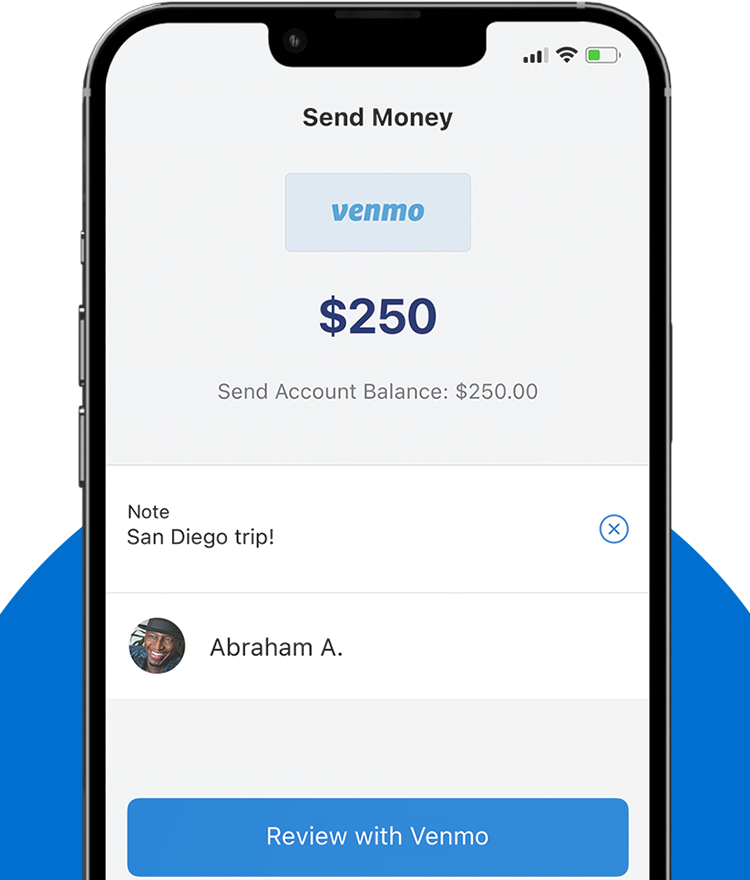
Once the recipient is selected, enter the specific dollar amount. Venmo requires a note for every transaction. While many users use emojis or casual text, for the purposes of personal bookkeeping, it is wise to be descriptive. Using notes like “July Rent Share” or “Client Dinner Reimbursement” creates a searchable financial paper trail that can be invaluable during tax season or when auditing your monthly expenses.
Reviewing and Confirming
The final step is selecting your “Privacy Setting.” Venmo has a social feed component that is unique among financial tools. You can set individual payments to Public, Friends, or Private. From a digital security and financial privacy perspective, setting your default to “Private” is highly recommended. There is rarely a professional or financial advantage to broadcasting your spending habits to a social network. Once you have confirmed the recipient, amount, note, and privacy level, tap “Pay” to execute the transfer.
Advanced Financial Features: Business Profiles and Tax Considerations
As Venmo has matured, it has expanded beyond simple friend-to-friend transfers into the realm of small business finance and professional services. This shift has introduced new complexities regarding how money is classified and reported.
The Venmo Business Profile
For freelancers, side-hustlers, and small business owners, Venmo offers dedicated Business Profiles. Using a personal account for business transactions is a violation of Venmo’s terms of service and can lead to account suspension. Business profiles offer professional features like tipping, simplified tax reporting, and increased visibility. However, they come with a transaction fee (typically around 1.9% plus a small fixed fee). This is a standard cost of doing business, similar to credit card processing fees, and should be factored into your pricing model.
1099-K Reporting and the IRS
Recent changes in tax law have placed a spotlight on P2P apps. If you use a Venmo Business Profile and exceed certain thresholds in gross payments for goods and services, Venmo is required to report those earnings to the IRS via Form 1099-K. It is essential to distinguish between personal “gifts” (like splitting a pizza) and business “payments.” Venmo provides a toggle for users to mark a payment as “Goods and Services.” When this is selected, the sender is often covered by purchase protection, and the recipient pays the transaction fee. For anyone using Venmo as an income stream, meticulous record-keeping is vital to ensure your reported income matches your actual bank deposits.
Security and Best Practices for Protecting Your Digital Assets
In the digital age, your Venmo account is a gateway to your primary financial accounts. Protecting it requires more than just a strong password; it requires an understanding of modern financial fraud and platform-specific security features.
Multi-Factor Authentication and Biometrics
The first line of defense is enabling Multi-Factor Authentication (MFA). By requiring a code sent to your mobile device or an authentication app, you create a barrier that a password leak alone cannot breach. Furthermore, enabling biometric locks (FaceID or TouchID) within the Venmo app ensures that even if your phone is stolen while unlocked, your financial data remains inaccessible.
Recognizing P2P Scams
Fraudsters often exploit the speed and perceived informality of Venmo. Common scams include “accidental” deposits where a stranger sends you money and asks you to send it back, only for the original payment to be reversed as it was funded by a stolen credit card. Another common tactic involves “selling” items on marketplaces and insisting on Venmo payments without using the “Goods and Services” protection.
To maintain financial integrity, only send money to people you know and trust. Treat a Venmo payment like cash; once it is gone, it is very difficult to get back. If you are transacting with a stranger, always use the “Goods and Services” toggle to ensure you are covered by Venmo’s protections, even if it means incurring a small fee.
Regular Account Auditing
Finally, treat Venmo with the same scrutiny you would a traditional bank account. Review your transaction history at the end of each month. Look for unauthorized micro-transactions or subscriptions you may have forgotten. By integrating Venmo into your broader financial review process, you ensure that this powerful tool remains an asset to your wealth management rather than a liability to your security.
Venmo has revolutionized the way we handle small-to-medium scale capital transfers, bringing a level of convenience that was once unimaginable. By understanding the underlying fee structures, the importance of accurate transaction workflows, the implications of business reporting, and the necessity of robust security protocols, you can navigate the world of P2P payments with confidence and professional precision. In the modern economy, how you move your money is just as important as how you earn it.
aViewFromTheCave is a participant in the Amazon Services LLC Associates Program, an affiliate advertising program designed to provide a means for sites to earn advertising fees by advertising and linking to Amazon.com. Amazon, the Amazon logo, AmazonSupply, and the AmazonSupply logo are trademarks of Amazon.com, Inc. or its affiliates. As an Amazon Associate we earn affiliate commissions from qualifying purchases.