
Navigating the complexities of the United States tax system is a fundamental responsibility for freelancers, independent contractors, small business owners, and investors. Unlike traditional employees who have taxes withheld from every paycheck, those who earn income not subject to withholding must stay ahead of the curve through quarterly estimated tax payments. Failing to understand where and how to pay these taxes can lead to more than just confusion; it can result in costly underpayment penalties and unnecessary stress during the annual filing season.
In the modern financial landscape, the Internal Revenue Service (IRS) has expanded its digital infrastructure, offering a variety of payment methods designed to suit different financial workflows. Whether you prefer the speed of a mobile app, the security of a direct bank transfer, or the traditional reliability of a paper check, knowing your options is the first step toward sound financial management.
Digital First: Utilizing IRS Direct Pay and Online Accounts
For the majority of individual taxpayers, the most efficient and cost-effective way to handle estimated taxes is through the IRS’s proprietary digital portals. These tools are designed to streamline the process, ensuring that funds are credited to the correct tax year and social security number without the delays associated with physical mail.
IRS Direct Pay for Individuals
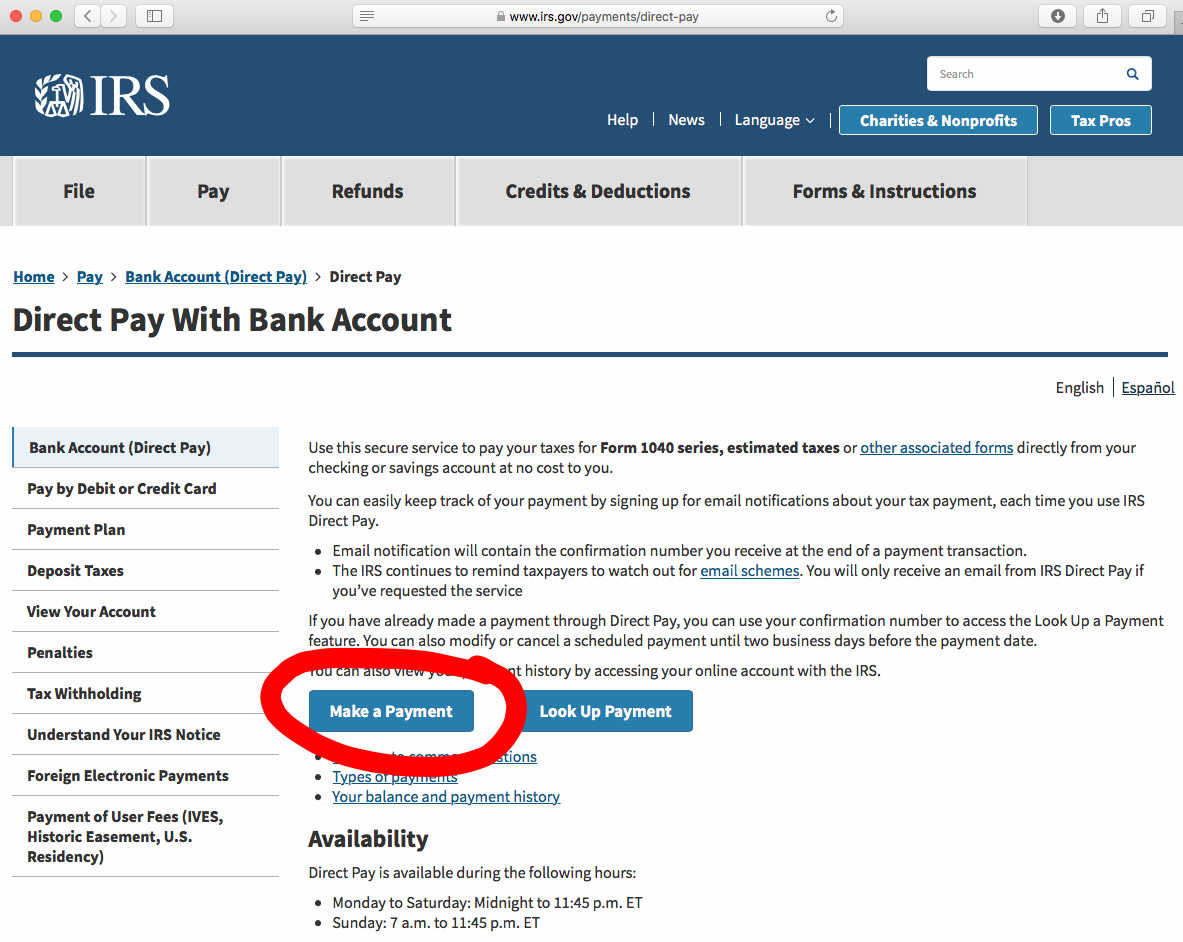
IRS Direct Pay is arguably the most popular method for making estimated tax payments. It allows you to pay directly from your checking or savings account at no additional cost. One of the primary advantages of Direct Pay is that it does not require registration or a login. You simply select “Estimated Tax” as your reason for payment, choose the applicable tax year (usually the current year), and verify your identity using information from a previous year’s tax return.
Direct Pay provides an immediate confirmation number, which serves as a vital digital receipt for your financial records. For those managing tight cash flows, Direct Pay allows you to schedule payments up to 30 days in advance, providing a degree of automation to your quarterly obligations.
The Power of Your Federal Tax Online Account
While Direct Pay is excellent for one-off transactions, the “Your Online Account” feature provides a more holistic view of your financial standing with the IRS. By creating a secure account (often through the ID.me verification system), taxpayers can view their total balance due, payment history, and key information from their most recent tax return.
Using the Online Account portal to pay estimated taxes is beneficial because it eliminates the risk of data entry errors. Since you are already logged in, the system automatically links the payment to your account. Furthermore, this portal allows you to see all past estimated payments in one place, which is invaluable when you or your accountant sit down to file your final Form 1040 at the end of the year.
Scheduling and Flexibility
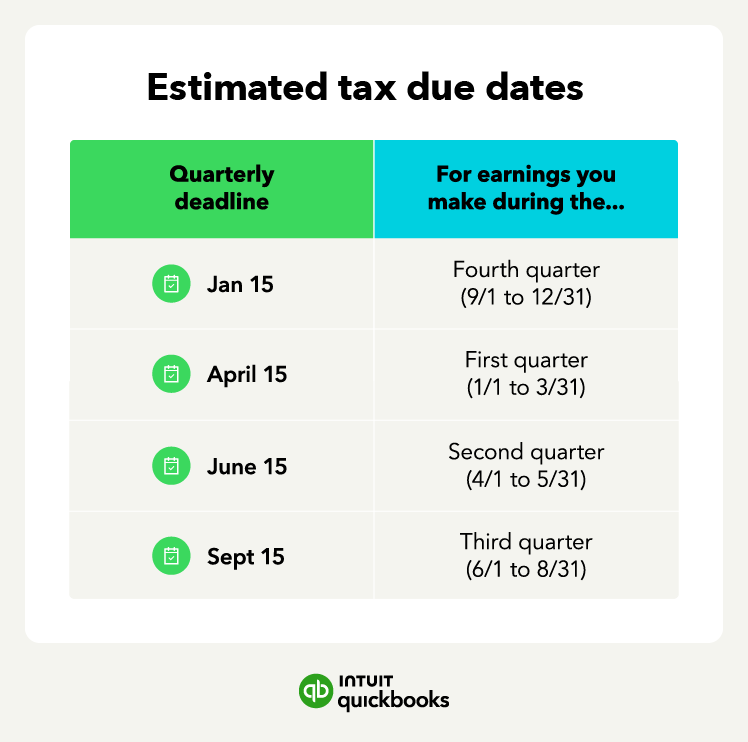
Both Direct Pay and the Online Account portal offer flexibility in timing. Estimated tax deadlines usually fall on April 15, June 15, September 15, and January 15. Digital platforms allow you to make payments 24/7, meaning you can fulfill your obligation at 11:59 PM on the deadline day without worrying about postmarks. This level of accessibility is a cornerstone of modern personal finance management.
The Professional Standard: The Electronic Federal Tax Payment System (EFTPS)
For high-net-worth individuals, business owners, and those who prefer a more robust “bank-like” interface, the Electronic Federal Tax Payment System (EFTPS) is the gold standard. While it requires a more rigorous setup process than Direct Pay, it offers features that are essential for sophisticated financial planning.
Why Businesses and Professionals Prefer EFTPS
EFTPS is a free service provided by the Department of the Treasury. Unlike Direct Pay, which is limited to individuals, EFTPS can be used by both businesses and individuals to pay all types of federal taxes. The primary draw of EFTPS is its scheduling capability. Users can schedule payments up to 365 days in advance. For a business owner, this means you can sit down in January and schedule all four quarterly estimated payments for the entire year, ensuring you never miss a deadline.
Enrollment and Security Protocols
Because EFTPS is a high-security system, it requires an enrollment process. After registering online, the IRS sends a Personal Identification Number (PIN) via traditional mail to your registered address. This multi-factor authentication ensures that only authorized individuals can move funds from your business or personal accounts to the Treasury.
Once enrolled, the system maintains a comprehensive 16-month history of all payments made through the platform. This audit trail is a critical component of corporate governance and personal financial organization, making it much easier to track cash outflows during tax season.
Batch Payments and Interchangeability
For those managing multiple entities or high-volume transactions, EFTPS allows for detailed record-keeping and the ability to cancel or change scheduled payments up to two business days before the scheduled date. This agility is vital for businesses that may experience seasonal fluctuations in cash flow and need to adjust their tax installments accordingly.
Convenient Alternatives: Debit, Credit, and Digital Wallets
In recent years, the IRS has partnered with third-party payment processors to allow taxpayers to use credit cards, debit cards, and even digital wallets like PayPal or Venmo to settle their estimated tax bills. While these methods offer unparalleled convenience, they come with financial trade-offs that require careful consideration.
Authorized Third-Party Processors
The IRS does not collect fees for credit or debit card payments, but the authorized processors (such as payUSAtax, Pay1040, or ACI Payments, Inc.) do. These processors charge a flat fee for debit cards and a percentage-based fee (usually between 1.8% and 2%) for credit cards. For a large estimated tax payment, these fees can add up to hundreds of dollars.
Evaluating the Fees vs. Rewards Trade-off
From a personal finance perspective, using a credit card to pay estimated taxes can be a strategic move if the rewards earned outweigh the processing fees. Many “churners” and financial enthusiasts use tax payments to meet the minimum spend requirements for new credit card sign-up bonuses. If a bonus is worth $500 and the tax processing fee is only $100, the taxpayer nets a $400 profit.
However, if you are not earning a significant sign-up bonus, paying a 2% fee to earn 1% or 1.5% in standard cash back is a losing financial proposition. Furthermore, if you cannot pay off the credit card balance immediately, the high interest rates will quickly eclipse any benefit, leading to a cycle of debt.
Digital Wallets and Mobile Integration
The inclusion of PayPal and Venmo as payment options reflects the changing nature of the “gig economy.” Many freelancers receive their income directly into these digital wallets. By allowing payments through these platforms, the IRS makes it easier for workers to move money directly from their “earnings” bucket to their “tax” bucket without transferring funds back and forth to a traditional bank account. This reduces friction and encourages timely compliance among the modern workforce.
Traditional Methods: Vouchers and the Mail-In System
Despite the digital revolution, the IRS still accepts traditional payment methods. For some taxpayers, particularly those who prefer a physical paper trail or those without reliable internet access, mailing a check or money order remains the preferred route.
Form 1040-ES and the Voucher System
When you download the instructions for Form 1040-ES (Estimated Tax for Individuals), you will find four payment vouchers labeled 1 through 4. Each voucher corresponds to one of the four quarterly deadlines. To pay by mail, you must fill out the voucher with your name, address, and Social Security number, and include it with a check or money order made out to the “United States Treasury.”
It is important to note that you should never send cash through the mail. Additionally, the check must include your Social Security number and the notation “2024 Form 1040-ES” (or the relevant year) in the memo line to ensure it is applied to the correct account.
Geography Matters: Where to Mail
The IRS has several processing centers across the country, and the specific address you mail your payment to depends on the state where you live. These addresses change periodically, so it is vital to check the current year’s 1040-ES instructions before sending your payment. Sending a payment to the wrong service center can lead to processing delays and potential late-payment notices.
Best Practices for Physical Payments
If you choose the mail-in route, the “postmark rule” is your best friend. A payment is generally considered on time if the envelope is postmarked by the due date. To protect yourself, it is highly recommended to use USPS Certified Mail with a return receipt. This provides legal proof that you sent the payment on time, protecting you from penalties if the IRS loses the check or experiences a backlog in processing.
Mobile Solutions and Financial Software Integration
As we look toward the future of tax compliance, the integration of payment systems into everyday software is making it harder than ever to forget an estimated tax deadline.
The IRS2Go Mobile App
The IRS2Go app is the official mobile application of the IRS. It provides a clean, user-friendly interface for making payments via Direct Pay or credit/debit cards. For the “on-the-go” professional, this app allows for tax management during a commute or between meetings. The app also features a tool to check the status of your tax refund, making it a versatile tool for year-round financial monitoring.
Integration with Tax Preparation Software
Most major tax preparation software suites (such as TurboTax, H&R Block, or TaxSlayer) offer a seamless way to calculate and pay estimated taxes. When you file your annual return, these programs typically generate your estimated tax vouchers for the following year based on your current income. Many of these platforms now offer “e-file” options for estimated payments, allowing you to schedule all four quarters directly through the software. This integration ensures that your estimated payments are perfectly aligned with the calculations made during your last filing, minimizing the risk of underpayment.
Strategic Tax Planning
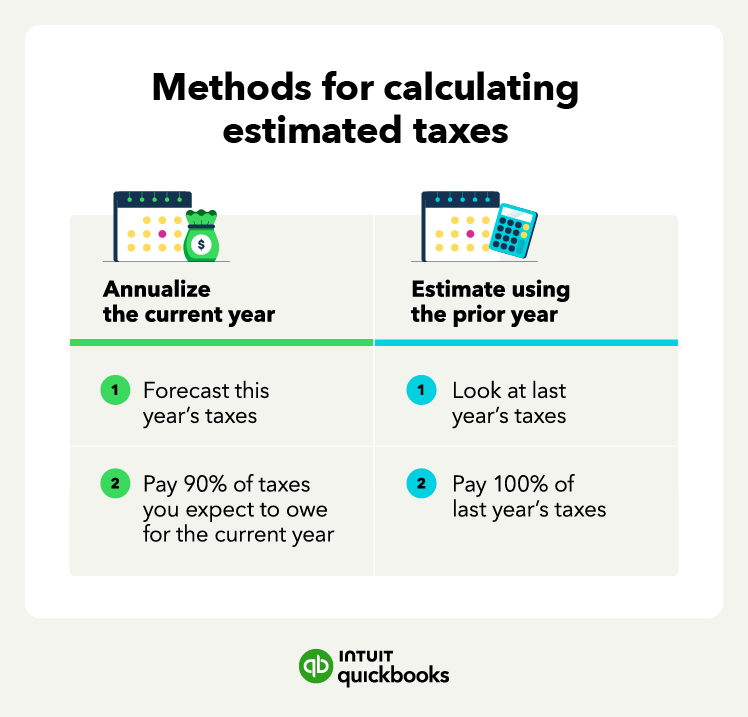
Ultimately, deciding where to pay is only half the battle; knowing how much to pay is equally critical. Most financial advisors recommend the “Safe Harbor” method: paying at least 100% of the tax shown on your prior year’s return (or 110% if your adjusted gross income was over $150,000). By using the digital tools mentioned above—specifically the EFTPS or IRS Online Account—you can automate these safe harbor payments and focus your energy on growing your business or portfolio rather than worrying about the IRS.
By mastering these various payment channels, you transform tax compliance from a daunting annual hurdle into a manageable, routine part of your broader financial strategy. Whether you choose the zero-cost simplicity of Direct Pay or the advanced scheduling of EFTPS, the key is consistency and accurate record-keeping.
aViewFromTheCave is a participant in the Amazon Services LLC Associates Program, an affiliate advertising program designed to provide a means for sites to earn advertising fees by advertising and linking to Amazon.com. Amazon, the Amazon logo, AmazonSupply, and the AmazonSupply logo are trademarks of Amazon.com, Inc. or its affiliates. As an Amazon Associate we earn affiliate commissions from qualifying purchases.