
In an era characterized by economic volatility and the rising cost of living, the pursuit of additional income streams has shifted from a luxury to a strategic necessity. Whether your goal is to accelerate debt repayment, bolster an investment portfolio, or simply increase your discretionary spending power, the modern financial landscape offers a diverse array of opportunities. However, earning extra money is not merely about “working more”; it is about leveraging your existing assets—time, skills, and capital—to generate the highest possible return on investment.
This guide explores the most effective methodologies for increasing your cash flow, categorized by the level of involvement required and the potential for long-term financial growth.

1. Leveraging the Digital Marketplace for Freelance Success
The “knowledge economy” has democratized access to high-paying work, allowing individuals to monetize specialized skills without the overhead of a traditional business. Freelancing is perhaps the most direct way to convert professional expertise into immediate secondary income.
Identifying High-Income Digital Skills
The key to successful freelancing lies in identifying skills that are in high demand but low supply. Technical proficiency in areas such as software development, data analysis, and cybersecurity remains highly lucrative. However, “soft” technical skills—such as strategic copywriting, search engine optimization (SEO), and digital project management—also command significant hourly rates. To earn extra money effectively, you must audit your professional background and determine which of your skills can be packaged as a service.
Navigating Freelance Platforms and Marketplaces
While word-of-mouth remains a powerful tool, digital platforms like Upwork, Toptal, and Fiverr Pro provide the infrastructure to reach a global clientele. The strategy here is not to compete on price, which leads to a “race to the bottom,” but to compete on value. By building a robust portfolio and securing high-quality testimonials, you can position yourself as a premium provider. This transition from “gig worker” to “specialist consultant” is essential for maximizing the earnings-per-hour ratio.
Building a Sustainable Client Base
Earning extra money becomes significantly easier when you move away from one-off projects toward recurring revenue. Establishing retainer agreements with small to medium-sized enterprises (SMEs) provides financial predictability. A retainer model ensures that you have a guaranteed floor of income each month, allowing you to manage your primary career and your side hustle with greater stability.
2. Building Passive Income Through Smart Investments and Digital Assets
While active income requires a direct trade of time for money, passive income utilizes capital or front-loaded effort to generate earnings with minimal ongoing maintenance. This is the cornerstone of long-term wealth building and financial independence.
Dividend Growth Investing and High-Yield Accounts
For those with existing savings, the most passive way to earn extra money is through the financial markets. Dividend-growth investing involves purchasing shares in companies that consistently distribute a portion of their earnings to shareholders. When managed correctly, these dividends can be reinvested to trigger the power of compounding, eventually creating a self-sustaining cash flow. Additionally, in high-interest-rate environments, shifting emergency funds into High-Yield Savings Accounts (HYSAs) or Certificates of Deposit (CDs) ensures that your stagnant cash is working for you.
Creating Content-Based Digital Assets
The digital world allows for the creation of “infinite leverage” products. This includes writing e-books, developing online courses, or creating specialized templates (for finance, coding, or management). Unlike physical products, digital assets have near-zero marginal costs of distribution. Once the initial time investment is made to create a high-quality course or guide, it can be sold thousands of times, providing a steady stream of extra money that is decoupled from your daily schedule.
Real Estate Crowdfunding and REITs
Traditional real estate is often cited as a top income generator, but it requires significant capital and management. For the individual looking to earn extra money without the headaches of property management, Real Estate Investment Trusts (REITs) or crowdfunding platforms (like Fundrise or RealtyMogul) offer a solution. These vehicles allow you to invest in commercial or residential portfolios with relatively small amounts of capital, providing exposure to the real estate market and regular dividend distributions.

3. Capitalizing on the Gig Economy and Service-Based Side Hustles
For those who require immediate liquidity or prefer physical activity over digital work, the gig economy provides flexible, on-demand opportunities. While often viewed as lower-leverage than professional freelancing, these roles are ideal for filling gaps in a budget.
On-Demand Service Platforms
The rise of the “sharing economy” has created platforms that allow individuals to monetize their vehicles, spare rooms, or even their physical labor. While ridesharing and delivery services are common, higher margins are often found in specialized task-based platforms. Services such as professional organizing, furniture assembly, or mobile notary services often command higher rates due to the specific utility they provide to busy professionals.
Niche Consulting and Coaching
If you possess a unique life experience or a specific professional certification, coaching and consulting can be highly profitable. This differs from freelancing in that you are selling your wisdom rather than your output. Financial coaching, career counseling, or even niche hobby coaching (like high-level chess or fitness) allows you to set premium rates based on the transformation or results you provide to the client.
Renting Out Underutilized Assets
One of the most overlooked ways to earn extra money is through asset utilization. If you own equipment—such as high-end photography gear, power tools, or even a parking space in a high-demand urban area—there are platforms designed to help you rent these items out. This turns a depreciating asset into a revenue-generating one, requiring almost no effort beyond basic coordination and maintenance.
4. Strategic Financial Management for Your Extra Earnings
Earning extra money is only half the battle; the other half is ensuring that the additional income is managed in a way that creates lasting financial security. Without a plan, “lifestyle creep” often consumes the extra cash, leaving your overall net worth unchanged.
Optimizing Tax Liabilities for Side Income
As soon as you begin earning money outside of a standard W-2 job, you become a de facto business owner. This introduces new tax obligations, including self-employment tax. To maximize your take-home pay, it is vital to understand deductible business expenses. Costs such as home office equipment, software subscriptions, and a portion of your internet bill can often be deducted, reducing your taxable income and keeping more money in your pocket.
Reinvesting Profits for Exponential Growth
The most successful earners do not spend their extra income on consumables; they reinvest it. By directing side hustle earnings into tax-advantaged accounts—such as a SEP IRA or a Solo 401(k)—you can significantly lower your current tax bill while building a massive retirement nest egg. Alternatively, reinvesting the money back into your side business (for marketing or automation tools) can help scale your “extra” income into a primary income stream.
Balancing Primary Employment with Secondary Streams
The pursuit of extra money should not jeopardize your primary source of income. Time management is a critical financial skill. Utilizing tools like time-blocking and automated invoicing can help you maintain high performance in your day job while growing your side ventures. The goal is to create a “barbell strategy”: a stable, secure primary income on one side, and high-upside, flexible income streams on the other.
Conclusion
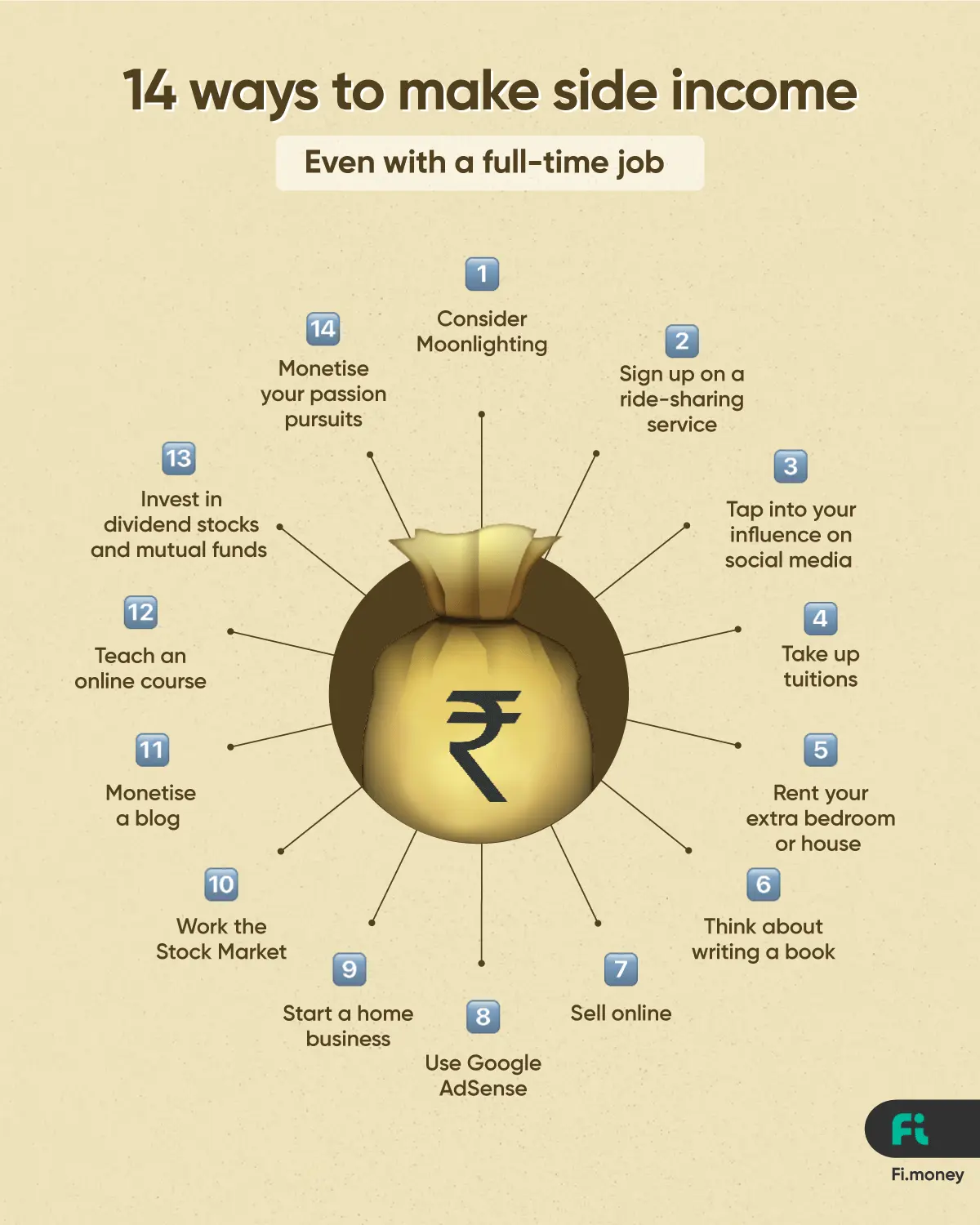
Earning extra money in today’s economy is a multi-faceted endeavor that requires a blend of skill, strategy, and financial discipline. By diversifying your efforts across active freelancing, passive investments, and the gig economy, you create a robust financial foundation that is resilient against market fluctuations.
The transition from seeking extra income to building true wealth happens when you stop viewing “side hustles” as temporary fixes and start viewing them as strategic components of your overall financial portfolio. Whether you are coding a new app, investing in dividend stocks, or consulting for a local business, every dollar earned outside your salary is a brick in the wall of your financial freedom. The opportunities are vast; the key is to begin, optimize, and consistently reinvest in your own earning potential.
aViewFromTheCave is a participant in the Amazon Services LLC Associates Program, an affiliate advertising program designed to provide a means for sites to earn advertising fees by advertising and linking to Amazon.com. Amazon, the Amazon logo, AmazonSupply, and the AmazonSupply logo are trademarks of Amazon.com, Inc. or its affiliates. As an Amazon Associate we earn affiliate commissions from qualifying purchases.