
In the rapidly evolving world of technology, acronyms are the shorthand of progress. Among the most prestigious and foundational of these is the MSc, which stands for Master of Science. While the term originated in traditional academia, its modern application has become a cornerstone of the global technology sector. As software becomes more complex and artificial intelligence moves from theory to integration, the MSc represents more than just a postgraduate degree; it signifies a specialized level of technical proficiency and a commitment to mastering the digital tools that define our era.
Understanding what an MSc stands for—and why it remains the gold standard for high-level tech roles—requires a deep dive into the intersection of advanced education and industry application. This article explores the significance of the Master of Science within the tech niche, examining how it prepares the next generation of software engineers, data scientists, and cybersecurity experts.
The Foundation of Technical Expertise: Understanding the MSc
To truly grasp what an MSc stands for, one must look at the rigorous framework it provides. Unlike a general undergraduate degree, a Master of Science focuses on the “scientific” approach to a subject, emphasizing empirical data, logical reasoning, and technical methodology. In the context of technology, this translates to a curriculum that prioritizes high-level problem-solving and the deep architecture of digital systems.
Defining the Master of Science Degree in a Digital Context
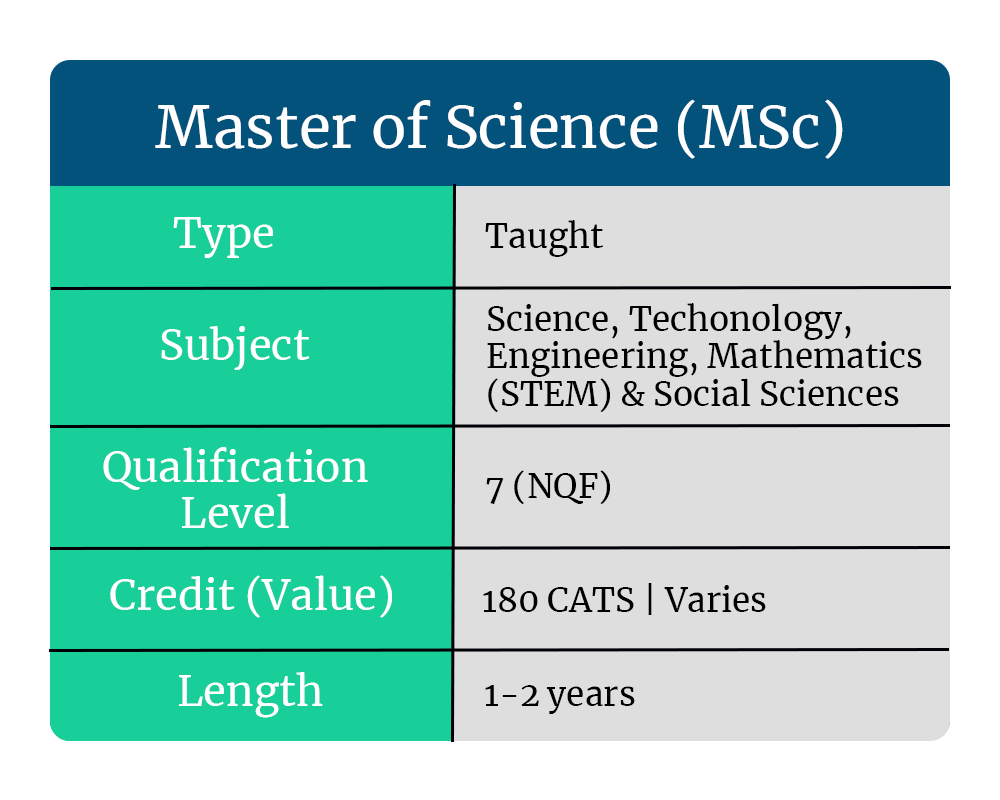
A Master of Science (MSc) is a postgraduate academic degree awarded by universities for programs in the realms of science, engineering, and technology. In the tech sector, an MSc is often the gateway to specialized roles that require a deeper understanding than what is typically covered in a Bachelor’s program. While a BA or BS might teach you how to use a programming language, an MSc investigates why that language interacts with hardware the way it does, and how to optimize that interaction for scale and security.
Why the Tech Industry Prioritizes MSc Graduates
The global technology landscape is currently experiencing a “skills gap,” particularly in high-growth areas like Artificial Intelligence (AI) and Machine Learning (ML). Employers—ranging from Silicon Valley giants to disruptive startups—look for the “MSc” designation on a resume because it acts as a proxy for specialized technical rigor. It signals that a candidate has moved beyond basic coding to understand complex algorithms, systems design, and the ethical implications of digital tools. For a recruiter, an MSc graduate is someone who can not only manage existing software but can innovate the next generation of tech solutions.
Specializing for the Future: Core MSc Tech Disciplines
The term “MSc” is often followed by a specialization that defines a professional’s career path. As technology trends shift toward automation and data-driven decision-making, certain MSc disciplines have become particularly influential.
MSc in Artificial Intelligence and Machine Learning
Currently the most sought-after specialization, an MSc in AI focuses on the development of intelligent systems. This niche goes far beyond simple automation; it involves the study of neural networks, natural language processing (NLP), and deep learning. Students in these programs engage with advanced AI tools and frameworks such as TensorFlow, PyTorch, and Keras. The “MSc” here stands for a mastery of the mathematics and logic required to build models that can predict consumer behavior, diagnose medical conditions, or navigate autonomous vehicles.
MSc in Cybersecurity and Digital Forensics
As digital security becomes a paramount concern for governments and corporations alike, the MSc in Cybersecurity has risen in prominence. This degree focuses on protecting technical infrastructure from sophisticated threats. It covers areas such as cryptography, ethical hacking, and network security. In this discipline, the MSc represents a professional’s ability to use advanced security tools (like Wireshark, Metasploit, or Splunk) to defend against zero-day vulnerabilities and manage incident responses in real-time.

MSc in Data Science and Big Data Analytics
Data is the new oil, but it requires refining. An MSc in Data Science equips professionals with the statistical and computational tools needed to extract insights from massive datasets. Using programming languages like Python and R, along with database technologies like Hadoop and Spark, graduates learn to bridge the gap between raw data and actionable intelligence. The degree stands for the capacity to handle “Big Data”—turning millions of data points into a coherent strategy for tech product development or operational efficiency.
The Intersection of Software Engineering and Modern Enterprise
Beyond data and AI, the MSc is deeply rooted in the core principles of software engineering. As software moves to the cloud and adopts microservices architectures, the level of expertise required to build and maintain these systems has skyrocketed.
Advanced Software Development Methodologies
An MSc in Software Engineering focuses on the lifecycle of complex software systems. It moves away from “writing code” toward “engineering systems.” This includes studying DevSecOps, Agile at scale, and advanced testing methodologies. Professionals with this degree are trained to oversee the entire stack, ensuring that the software is not only functional but also scalable, maintainable, and secure. They utilize enterprise-level tools and CI/CD (Continuous Integration/Continuous Deployment) pipelines to maintain high-velocity development cycles.
Cloud Computing and Infrastructure Management
The shift from on-premise servers to cloud environments (AWS, Azure, Google Cloud) has created a need for advanced infrastructure knowledge. An MSc focusing on Cloud Computing covers distributed systems, virtualization, and software-defined networking. The degree signifies that a professional understands how to architect global-scale applications that are resilient to failure and optimized for performance. In this context, the MSc is a certification of the ability to manage the very backbone of the modern internet.
Preparing for the Global Tech Job Market
While the academic side of an MSc is important, its true value is realized in the professional world. The degree serves as a bridge between theoretical knowledge and the high-stakes environment of modern tech companies.
Bridging the Gap Between Academia and Industry
One of the most significant aspects of a modern MSc program is its focus on industry-relevant projects. Many programs require a thesis or a “capstone project” that involves solving a real-world technical problem. Whether it’s developing a new app, creating an AI model, or auditing a network’s security, these projects ensure that the “MSc” stands for practical, hands-on experience. This prepares graduates for the pace of the tech industry, where updates are frequent and the “next big thing” is always just around the corner.
The Impact of an MSc on Long-term Career Trajectories
In the tech world, your career path is often determined by the depth of your specialization. While a self-taught programmer or a bootcamp graduate can certainly find success, an MSc often accelerates the move into leadership and high-level architectural roles. It provides the “soft skills” of project management and technical communication alongside “hard skills” like advanced mathematics. Consequently, for those aiming for roles such as Chief Technology Officer (CTO), Lead Architect, or Senior Research Scientist, the MSc is often a non-negotiable credential.

Conclusion: The Future of the MSc in a Tech-Driven World
What does MSc stand for? In the literal sense, it is a Master of Science. But in the context of our digital age, it stands for a commitment to technical excellence, a deep understanding of the tools that power our world, and a readiness to tackle the complex challenges of tomorrow.
As we look toward a future dominated by the Internet of Things (IoT), quantum computing, and even more advanced AI, the need for individuals with the rigorous training of an MSc will only grow. The degree serves as a beacon for recruiters and a roadmap for professionals, ensuring that the individuals building our digital future have the scientific foundation necessary to do so responsibly and effectively. Whether you are a software developer looking to specialize or a tech enthusiast curious about the requirements for high-level innovation, the MSc remains one of the most significant and respected designations in the technology niche. It is the hallmark of a true expert in an increasingly technical world.
aViewFromTheCave is a participant in the Amazon Services LLC Associates Program, an affiliate advertising program designed to provide a means for sites to earn advertising fees by advertising and linking to Amazon.com. Amazon, the Amazon logo, AmazonSupply, and the AmazonSupply logo are trademarks of Amazon.com, Inc. or its affiliates. As an Amazon Associate we earn affiliate commissions from qualifying purchases.