
The modern traveler no longer visits a brick-and-mortar storefront to consult a travel agent over a paper ledger. Instead, the process of purchasing a plane ticket has evolved into a sophisticated digital experience powered by massive databases, complex algorithms, and global telecommunications networks. Understanding where to buy plane tickets in the 21st century requires more than just a credit card; it requires an understanding of the technology stack that moves millions of data points every second to present a single price on a screen.
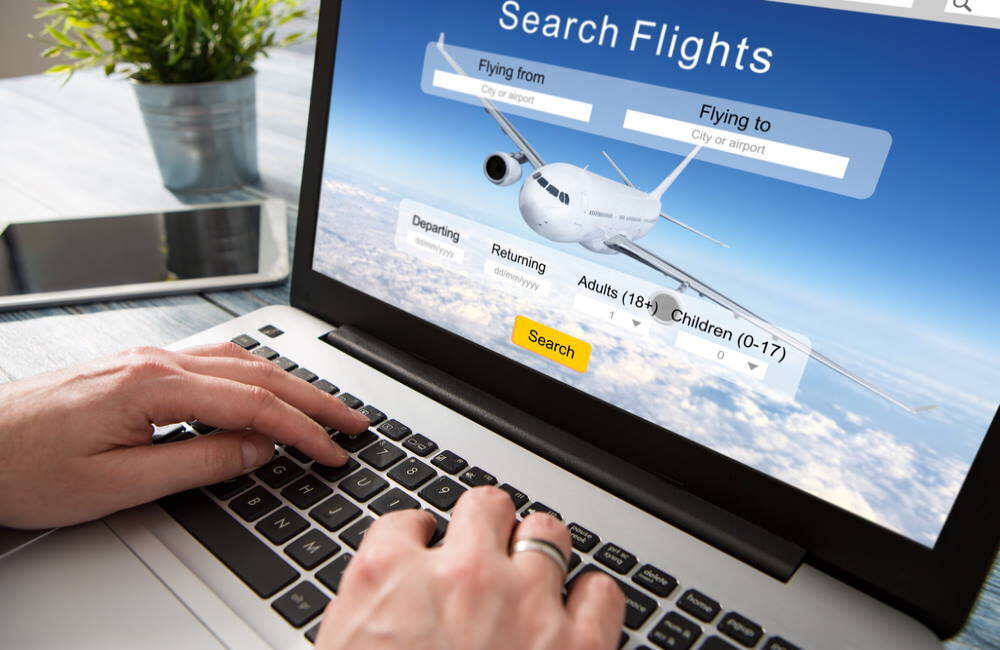
From Global Distribution Systems (GDS) to AI-driven predictive modeling, the “where” of flight booking is defined by the “how” of software engineering. This guide explores the technological landscape of the airline industry, identifying the primary digital platforms and the innovations that power them.
The Infrastructure of Air Travel: Global Distribution Systems (GDS)
To understand where tickets are sold, one must first look at the invisible architecture that supports the entire industry. Before a flight appears on a consumer-facing website, it exists as a data entry in a Global Distribution System.
The Backbone of Flight Data: Amadeus, Sabre, and Travelport
The GDS is a computer network that facilitates transactions between travel service providers—mainly airlines, hotels, and car rental companies—and travel agencies. For decades, three giants have dominated this space: Amadeus, Sabre, and Travelport. These systems are massive, centralized databases that store inventory, fare rules, and seat availability. When you search for a ticket on a major website, the platform is likely sending a query to one of these systems via an Application Programming Interface (API).
Technologically, the GDS is a marvel of legacy integration. Many of these systems still run on high-performance mainframes to handle the sheer volume of queries. However, they have modernized their interfaces to allow for real-time synchronization, ensuring that when a seat is sold in London, it is instantly removed from the inventory viewed by a user in Tokyo.
New Distribution Capability (NDC) and Direct APIs
The traditional GDS model is currently being disrupted by a new technical standard called NDC (New Distribution Capability), launched by IATA. NDC allows airlines to bypass the rigid data structures of older GDS systems and deliver rich content—like seat upgrades, Wi-Fi packages, and meal selections—directly to travel sellers via XML-based APIs. For the consumer, this means that “where” you buy your ticket now determines how much customization you can access. Buying through an NDC-enabled platform provides a more personalized experience than traditional legacy systems.
Online Travel Agencies (OTAs) vs. Meta-Search Aggregators
For most users, the search for a plane ticket begins at one of two types of digital platforms: an Online Travel Agency (OTA) or a Meta-Search engine. While they may look similar, their underlying technology and business logic are fundamentally different.
Meta-Search Engineering: How Google Flights and Kayak Aggregate Data
Meta-search engines, such as Google Flights, Kayak, and Skyscanner, do not actually sell tickets. Instead, they act as sophisticated web crawlers and data aggregators. Their primary technology is a “distributed search” architecture. When you enter your destination, the meta-search engine fires off thousands of simultaneous requests to airlines and OTAs.
Google Flights, in particular, leverages Google’s massive indexing power and the ITA Software “Matrix” engine (which Google acquired in 2011). This allows for lightning-fast processing of complex multi-city itineraries. The technical challenge for these platforms is latency; they must provide accurate, up-to-date pricing in milliseconds, despite relying on third-party servers that may be slow to respond.
OTA Platforms: The User Interface and Experience Layer
Online Travel Agencies (OTAs) like Expedia, Booking.com, and Trip.com are different. They are the actual “merchants of record.” When you buy a ticket here, the OTA’s software interacts with the GDS to reserve the seat and processes the payment through integrated fintech gateways.
The tech stack of an OTA is focused heavily on the User Experience (UX) and the “conversion funnel.” These platforms use A/B testing, heat-mapping software, and complex caching mechanisms to ensure that the booking process is frictionless. They also use cross-selling algorithms—often powered by machine learning—to suggest hotels or insurance that complement your flight, based on your historical data and search behavior.
The Rise of AI and Predictive Pricing Tools
The most significant recent shift in where people buy plane tickets involves the integration of Artificial Intelligence (AI) and Machine Learning (ML). The price of a plane ticket is no longer static; it is a dynamic variable that changes based on demand, fuel costs, and competitor activity.
Machine Learning in Fare Forecasting
Apps like Hopper have revolutionized the “where to buy” question by focusing on “when to buy.” Hopper uses massive historical datasets—trillions of flight prices—to train machine learning models that predict future price fluctuations. Their algorithms can tell a user with 95% accuracy whether they should buy a ticket now or wait for a price drop.
This technology relies on “time-series analysis,” a branch of data science that looks at sequences of data points over time. By identifying patterns in how airlines adjust prices for holidays or seasonal shifts, these AI tools provide a layer of intelligence that traditional booking sites lack. When you use these tools, you aren’t just interacting with a database; you are interacting with a predictive engine.
Natural Language Processing and Generative AI in Booking
The next frontier of ticket acquisition is the integration of Generative AI and Natural Language Processing (NLP). Instead of using drop-down menus and calendars, users are beginning to use “conversational commerce.”
Platforms are integrating Large Language Models (LLMs) to allow users to search for flights using natural language, such as: “Find me the cheapest flight to a warm beach destination in March that is less than six hours from New York.” The tech behind this involves transforming unstructured text into structured API queries that can be understood by airline databases. This makes the “where” of ticket buying more accessible, moving it from specialized websites to chat interfaces and voice assistants.
Security and Privacy in Digital Ticket Acquisition
As flight booking is a high-value digital transaction involving sensitive personal and financial data, the technology protecting these transactions is paramount. Where you choose to buy your ticket should be dictated by the robustness of the platform’s security stack.
Protecting Sensitive Data: SSL, PCI-DSS, and Encryption
Reputable ticket vendors employ high-level encryption standards to protect data in transit. Secure Sockets Layer (SSL) and Transport Layer Security (TLS) are the industry standards for ensuring that your passport details and credit card numbers aren’t intercepted by “man-in-the-middle” attacks. Furthermore, platforms must comply with PCI-DSS (Payment Card Industry Data Security Standard) to ensure that financial information is stored and processed in a hardened environment.
Advanced platforms also utilize “tokenization.” This technology replaces sensitive card data with a unique identifier (a token) during the transaction process. Even if a hacker breaches the system, they only find useless strings of code rather than actual financial credentials.
The Future of Blockchain in Ticketing and Identity
Looking forward, the technology of “where” we buy tickets may shift toward decentralized ledgers or blockchain. Currently, a plane ticket is essentially a digital entry in a private database. If that database goes down, your proof of purchase is at risk.
Some startups are experimenting with NFT-based ticketing (Non-Fungible Tokens). In this model, a plane ticket is a unique digital asset on a blockchain. This would allow for secure, transparent peer-to-peer transfers and eliminate the risk of duplicate bookings or fraud. Additionally, Self-Sovereign Identity (SSI) tech could allow travelers to share their identity verified by a blockchain with an airline without ever having to upload a physical copy of their passport to a centralized server.

Conclusion: The Digital Sophistication of Travel
Choosing where to buy plane tickets is no longer a matter of finding a local office; it is a matter of choosing a technological interface that suits your needs. Whether you prioritize the sheer data-crunching power of a meta-search engine like Google Flights, the comprehensive service of a major OTA, or the predictive intelligence of an AI-driven app like Hopper, you are engaging with one of the most complex digital ecosystems in existence.
As we move deeper into the era of AI and potentially decentralized finance, the process will only become more automated and integrated. The “where” will eventually become invisible, as ubiquitous AI assistants handle the GDS queries, the API calls, and the security protocols in the background, leaving the traveler with nothing to do but pack their bags. Understanding this tech stack ensures that as a user, you aren’t just a passenger on a plane, but a savvy navigator of the digital world.
aViewFromTheCave is a participant in the Amazon Services LLC Associates Program, an affiliate advertising program designed to provide a means for sites to earn advertising fees by advertising and linking to Amazon.com. Amazon, the Amazon logo, AmazonSupply, and the AmazonSupply logo are trademarks of Amazon.com, Inc. or its affiliates. As an Amazon Associate we earn affiliate commissions from qualifying purchases.