
In an increasingly digital financial landscape, the physical cheque might seem like a relic of a bygone era. Yet, for many essential financial transactions, understanding the fundamental components of a cheque remains vitally important. One piece of information, in particular, stands out for its critical role: your account number. This unique identifier is the key to managing your funds, setting up automatic payments, and ensuring the secure flow of your money. For those new to managing personal finances, or even seasoned individuals who primarily rely on digital banking, locating and understanding the significance of your account number on a cheque is a foundational aspect of financial literacy and security.
This guide delves into the specifics of where to find your account number, how it distinguishes itself from other numbers on a cheque, and why its proper handling and protection are paramount in both traditional and modern financial contexts. We’ll explore its applications, from direct deposits to online banking, and provide insights into safeguarding this crucial piece of financial information.
Decoding the Anatomy of a Cheque: More Than Just Paper
Before pinpointing your account number, it’s essential to understand the cheque as a whole. A cheque is a written, dated, and signed instruction to a bank to pay a stated sum of money to a named payee. While it appears simple, each element on a cheque serves a specific, crucial purpose, working together to facilitate financial transactions. Recognizing these elements is the first step towards confidently managing your personal finances.
Essential Elements: Identifying Key Information
Every standard cheque contains several pieces of information, strategically placed to ensure clarity and processing efficiency. These typically include:
- Payee Line: “Pay to the order of” – This is where you write the name of the person or entity receiving the money.
- Amount Box and Line: Spaces to write the monetary amount both numerically (in the box) and in words (on the line), ensuring accuracy and preventing alteration.
- Date Line: Indicates when the cheque was written.
- Signature Line: Your authorized signature, making the cheque legally binding.
- Memo Line: An optional space for you to note the purpose of the payment (e.g., “rent,” “invoice #123”).
- Your Name and Address: Printed at the top left, identifying the account holder.
- Bank Name and Logo: Identifying the financial institution from which the funds will be drawn.
While these visible elements are crucial for human interaction and legal validity, the true processing power of a cheque lies in the sequence of numbers printed along its bottom edge.
The Magnetic Ink Character Recognition (MICR) Line: Your Financial Fingerprint
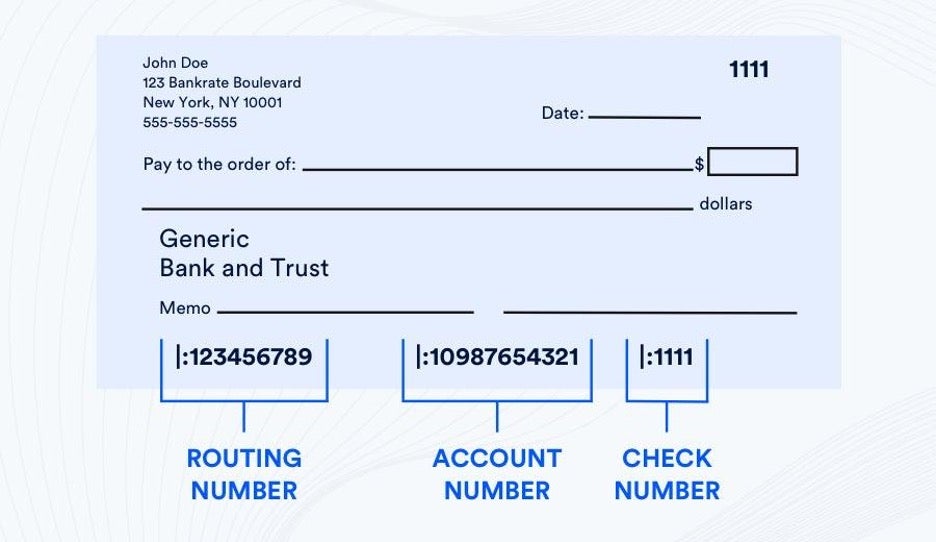
The strip of numbers at the very bottom of a cheque is known as the Magnetic Ink Character Recognition (MICR) line. This line is printed using a special magnetic ink that can be read by automated cheque-processing machines. This technology significantly speeds up the clearing process and reduces errors. The MICR line is standardized and contains three primary pieces of information, always appearing in the same order, though their exact position might shift slightly depending on the bank and cheque design. Understanding these components is critical to identifying your account number correctly.
From left to right, the MICR line typically contains:
- Routing Number (Transit Number): A nine-digit code that identifies your financial institution and its location. It directs the cheque to the correct bank for processing.
- Account Number: Your unique identifier for your specific account at that bank.
- Cheque Number: A sequential number used to identify each individual cheque from your chequebook.
Being able to differentiate between these three numbers is key, as using the wrong number for a transaction can lead to delays, fees, or even the failure of the transaction altogether.
Pinpointing Your Account Number: The Core Identifier
Your account number is perhaps the most important set of digits on your cheque, serving as the unique identifier for your specific bank account. Unlike the routing number, which identifies your bank, or the cheque number, which identifies a single piece of paper, the account number points directly to your funds. Getting it right is crucial for almost any financial transaction that involves moving money into or out of your account.
Locating the Number on the MICR Line
As mentioned, your account number is part of the MICR line at the bottom of the cheque. While the exact length and position can vary slightly between banks, it consistently appears after the routing number and before the cheque number.
- First Set of Numbers (usually 9 digits): This is the routing number. It’s typically enclosed by special transit symbols (like a colon or a stylized “on us” symbol, depending on the bank).
- Second Set of Numbers (variable length, usually 10-12 digits): This is your account number. It is your unique identifier at your bank. It will follow the routing number.
- Third Set of Numbers (usually 3-4 digits): This is the cheque number. It matches the number printed in the top right corner of the cheque.
For example, if the MICR line reads: |: 123456789 |: 9876543210 |: 001 |, then 123456789 is the routing number, 9876543210 is the account number, and 001 is the cheque number. Always double-check your bank statements or online banking portal if you’re unsure, as these often display your full account number.
Distinguishing Your Account Number from Others (Routing and Cheque Numbers)
Confusion between these three numbers is common, but understanding their distinct roles helps prevent errors.
- Routing Number: Think of this as the “address” of your bank. When someone sends money to you or you send money from your account, the routing number ensures the transaction goes to the correct financial institution. It’s always nine digits long in the United States.
- Cheque Number: This is like a serial number for each individual cheque you write. It helps you keep track of the cheques you’ve issued and reconcile your bank statements. It typically matches the number in the top right corner of the cheque and usually consists of 3 or 4 digits.
- Account Number: This is your unique identification within your bank. It tells the bank which specific account (e.g., your checking account, not your savings account) to debit or credit. Its length can vary by bank, but it’s generally longer than the cheque number and often longer than the routing number (though not always).
Always be careful not to mistake the cheque number for your account number, as they are typically located side-by-side on the MICR line. The cheque number is usually the last set of digits.
Understanding Account Number Formats and Variations
While the placement on the MICR line is standardized, the format and length of account numbers can vary significantly from one bank to another. Some banks might use 10 digits, others 12, and some even fewer or more. There’s no universal standard for the length of an account number across all financial institutions.
This variation highlights the importance of always referring to your own cheques or official bank documents (like statements or your online banking profile) when you need to provide your account number. Relying on assumptions about length or format could lead to errors, especially when setting up critical financial services like direct deposit or automated bill payments. When in doubt, always verify directly with your bank.
The Critical Role of Your Account Number in Modern Finance
Even with the rise of digital payment methods, your bank account number remains a fundamental component of your financial identity. It serves as the primary identifier for countless transactions, bridging the gap between traditional banking and the convenience of modern financial tools. Understanding its applications goes beyond simply knowing where to find it; it empowers you to manage your money effectively and securely.
Facilitating Direct Deposits and Automated Payments
One of the most common and beneficial uses of your account number is for automated financial transactions.
- Direct Deposit: Whether it’s your paycheck, government benefits, or tax refunds, direct deposit relies on your account number (along with your bank’s routing number) to ensure funds are electronically transferred directly into your designated account. This eliminates the need for physical cheques, speeding up access to your money and enhancing security.
- Automated Bill Payments: Setting up recurring payments for utilities, mortgage, loans, or subscriptions often requires providing your account and routing numbers. This allows companies to automatically withdraw funds from your account on specified dates, helping you avoid late fees and manage your budget more efficiently.
These automated services are cornerstones of modern personal finance, offering convenience and reliability, all dependent on the accurate use of your account number.
Enabling Online Banking and Digital Transactions

Your account number is central to your online banking experience and various digital payment platforms.
- Linking External Accounts: Many online banking platforms and budgeting apps allow you to link accounts from different financial institutions. To do this, you’ll typically need to provide the routing and account numbers of the external accounts, enabling seamless transfers and a consolidated view of your finances.
- P2P Payment Services: While services like Zelle, Venmo, or PayPal often use email addresses or phone numbers for direct person-to-person transfers, the underlying mechanism for funding these services or withdrawing money back to your bank account often involves linking your bank account using your routing and account numbers.
- Online Purchases and Transfers: While credit cards are common for online shopping, for larger transfers or specific vendor payments, direct bank transfers using account numbers might be an option.
The account number acts as the bridge connecting your physical bank account to the digital financial ecosystem, making online money management possible.
Powering Fund Transfers and Bank Verifications
Beyond everyday transactions, your account number is essential for more significant financial movements and for verifying your identity.
- Wire Transfers: For large or urgent transfers of funds, especially internationally, wire transfers are often used. These require precise routing and account numbers for both the sender and recipient to ensure the money reaches the correct destination securely.
- Account Verification: When setting up new financial services, applying for loans, or even establishing certain investment accounts, companies may ask for your account number to verify account ownership. This is a security measure to confirm you are the legitimate holder of the account being linked or referenced.
- Resolving Banking Issues: If there’s an error in a transaction or a dispute, your account number is the primary identifier your bank will use to investigate and resolve the issue, tying specific transactions to your individual account history.
In essence, your account number is the master key to your bank account, facilitating a wide array of financial activities that define modern personal finance.
Safeguarding Your Account Number: Protecting Against Financial Fraud
Given its pivotal role in virtually all financial transactions, protecting your account number is paramount. In the wrong hands, this information, especially when combined with your routing number and other personal data, can be exploited for fraudulent activities, leading to significant financial losses and emotional distress. Vigilance and proactive security measures are essential in today’s environment.
Understanding the Risks of Account Number Exposure
The primary risk associated with the exposure of your account number is unauthorized access to your funds. While an account number alone might not be enough for a fraudster to drain your account, it’s a critical piece of the puzzle. When combined with other readily available personal information (like your name, address, or even a fake signature), it can enable various forms of fraud:
- Unauthorized Cheque Creation: Criminals can print fraudulent cheques using your account and routing numbers, then cash them.
- Unauthorized Withdrawals: With enough information, fraudsters might attempt to set up unauthorized direct debits from your account for fake services or purchases.
- Identity Theft: While not directly leading to identity theft on its own, an exposed account number can be a stepping stone for criminals to piece together a broader profile, which they can then use to open new accounts in your name or commit other forms of fraud.
- Phishing and Social Engineering: Fraudsters might use a partially exposed account number to gain your trust in phishing scams, trying to trick you into revealing more sensitive information like your online banking login credentials.
Best Practices for Cheque and Information Security
Protecting your account number begins with careful handling of your cheques and general financial information.
- Secure Storage: Keep your unused chequebooks in a safe, private place, preferably locked. Avoid leaving them in easily accessible areas like car glove compartments or unsecured desk drawers.
- Mindful Discarding: Never simply toss old cheques, deposit slips, or bank statements in the trash. Shred any documents containing your account number before disposal.
- Online Vigilance: Be extremely cautious about where and to whom you provide your account number online. Only use secure, encrypted websites (look for “https://” in the URL and a padlock symbol). Avoid sending your account number via unencrypted email or text messages.
- Review Statements Regularly: Periodically review your bank statements and online transaction history for any unauthorized or suspicious activity. Early detection is key to mitigating damage.
- Be Wary of Phishing Attempts: Your bank will never ask for your account number or other sensitive details via unsolicited email, text, or phone call. Always be suspicious of requests for personal financial information, and if in doubt, contact your bank directly using official numbers.
- Limit Cheque Writing: Consider using digital payment methods for transactions where possible, as they can sometimes offer enhanced security features compared to physical cheques.
Steps to Take if Your Account Information is Compromised
Despite your best efforts, financial data breaches can occur. Knowing what to do if your account number or other information is compromised can significantly reduce potential damage.
- Contact Your Bank Immediately: As soon as you suspect unauthorized activity or believe your account number has been compromised, contact your bank. They can help you monitor transactions, place alerts on your account, or even close the account and open a new one.
- Change Passwords: If any online accounts are linked to the compromised information, change their passwords immediately.
- Monitor Your Credit Report: Obtain free copies of your credit report from the three major credit bureaus (Experian, Equifax, TransUnion) to check for any new accounts opened in your name.
- Report Identity Theft: If you suspect identity theft, report it to the Federal Trade Commission (FTC) at IdentityTheft.gov. They can provide a recovery plan and assist with reporting to law enforcement.
- File a Police Report: In cases of significant fraud, filing a police report might be necessary, especially if you need it for credit disputes or insurance claims.
Protecting your account number is an ongoing responsibility that requires awareness, careful practices, and swift action when issues arise.
Beyond the Paper Cheque: Account Numbers in a Digital World
While the physical cheque might be diminishing in prevalence, the account number it carries remains a cornerstone of the financial system. The digital revolution has transformed how we interact with our money, but it hasn’t eliminated the need for fundamental identifiers like your account number. Instead, it has integrated them into a more complex, interconnected financial ecosystem.
The Enduring Relevance in the Age of Digital Payments
Many people now primarily use debit cards, credit cards, peer-to-peer payment apps, and online banking for their transactions. For these digital methods, the full account number might not be directly exposed or required for every single transaction (e.g., your debit card number is different from your account number). However, your account number is often the underlying link that connects these digital tools to your actual funds at the bank.
Consider these scenarios:
- Linking Payment Apps: To fund services like PayPal or Venmo, or to withdraw money from them, you usually link your bank account using its routing and account number.
- Direct Bank Transfers: For certain bill payments, payroll setups, or large transfers, you’ll still need to provide your account and routing numbers.
- Financial Aggregation Tools: Budgeting apps and financial management platforms often require these details to connect to your bank accounts and pull transaction data.
Therefore, even as cheques become less common, the ability to locate and correctly use your account number remains a vital piece of financial knowledge.
How Your Account Number Connects to Digital Financial Tools
Think of your account number as the persistent “backbone” of your financial identity. While your debit card might expire, or your online banking password might change, your account number generally stays the same for the life of that specific account. This stability makes it an ideal identifier for linking various digital services.
- Automated Clearing House (ACH) Network: Most electronic payments and direct deposits/withdrawals in the U.S. occur through the ACH network. This system fundamentally relies on accurate routing and account numbers to move funds between banks electronically. When you set up a recurring payment or direct deposit online, you’re essentially initiating an ACH transaction that uses these numbers.
- Virtual Card Numbers: Some financial institutions offer virtual card numbers for online purchases, adding a layer of security by masking your actual card number. However, these virtual cards are still linked to your primary bank account via your account number.
The digital financial world is built on layers, and your account number often resides at the foundational layer, quietly enabling the seamless flow of funds that we now take for granted.

Adapting to Evolving Payment Technologies
The future of payments will undoubtedly continue to evolve, with new technologies like blockchain, cryptocurrencies, and instant payment systems gaining traction. While these innovations might introduce new ways of identifying and transferring value, the core concept of a unique account identifier will likely persist, even if its format or underlying technology changes.
For now, and the foreseeable future, understanding the traditional components of a cheque, particularly the routing and account numbers, remains a crucial skill for navigating your financial life. It’s about more than just a piece of paper; it’s about grasping the fundamental mechanisms that govern how your money moves within the global financial system. By mastering this knowledge, you empower yourself to make informed decisions, secure your assets, and confidently engage with both current and emerging financial tools.
Understanding “where is your account number on a cheque” isn’t merely about finding digits on a piece of paper; it’s about gaining a deeper insight into the mechanics of your personal finances. This fundamental knowledge is indispensable for setting up essential services like direct deposit, managing recurring bills, and securely navigating the increasingly digital world of banking. By correctly identifying and safeguarding this crucial piece of information, you take a significant step towards achieving greater financial literacy and protecting your hard-earned money from potential threats. In a world where financial security is paramount, every bit of knowledge empowers you further.
aViewFromTheCave is a participant in the Amazon Services LLC Associates Program, an affiliate advertising program designed to provide a means for sites to earn advertising fees by advertising and linking to Amazon.com. Amazon, the Amazon logo, AmazonSupply, and the AmazonSupply logo are trademarks of Amazon.com, Inc. or its affiliates. As an Amazon Associate we earn affiliate commissions from qualifying purchases.