
Magnetic Resonance Imaging (MRI) is a cornerstone of modern diagnostic medicine, offering unparalleled visualization of soft tissues without the use of ionizing radiation. Behind every clear, detailed MRI scan stands the MRI technologist, a highly skilled professional operating at the intersection of advanced technology and patient care. Their role extends far beyond simply operating a machine; it involves a nuanced understanding of physics, anatomy, patient physiology, and the sophisticated digital landscape of medical imaging. This article delves into the multifaceted responsibilities and technical expertise of MRI techs, exploring the technological heart of their profession.
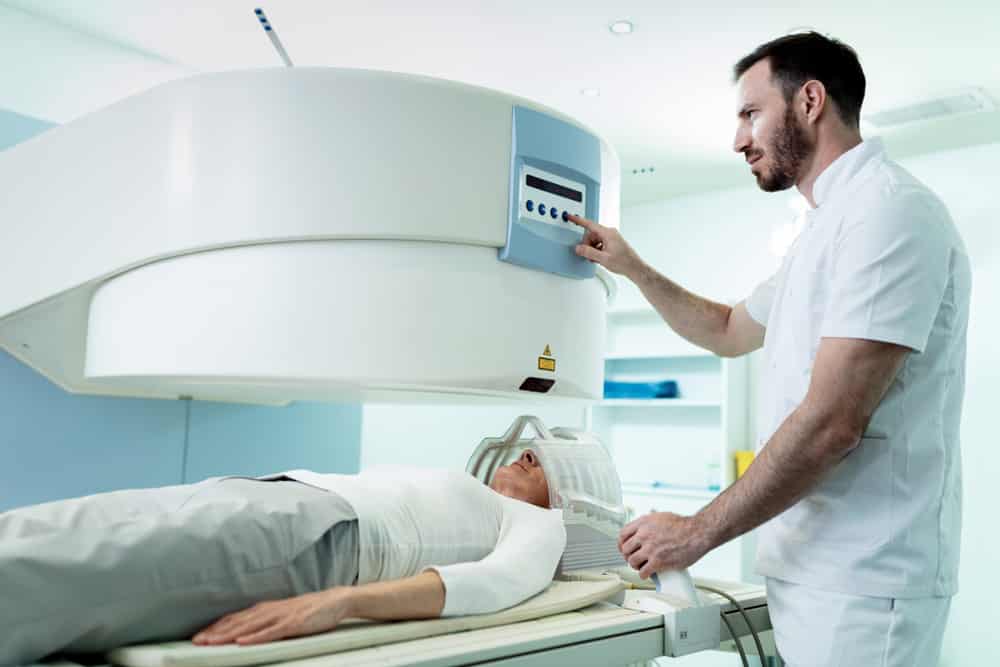
The Technological Arsenal: Understanding and Operating MRI Systems
MRI technologists are adept at navigating a complex array of sophisticated hardware and software that constitute an MRI scanner. Their understanding of these systems is paramount to producing diagnostic-quality images and ensuring patient safety.
Principles of Magnetic Resonance Imaging: From Physics to Image Formation
At its core, MRI relies on the principles of nuclear magnetic resonance. Technologists must possess a foundational understanding of how strong magnetic fields, radiofrequency pulses, and magnetic field gradients interact with the hydrogen nuclei (protons) in the body’s tissues. This knowledge allows them to:
- Select Appropriate Pulse Sequences: Different pulse sequences are designed to highlight specific tissue characteristics and pathologies. Technologists learn to choose the optimal sequence based on the clinical indication, patient condition, and desired anatomical detail. This involves understanding parameters like repetition time (TR), echo time (TE), inversion time (TI), and flip angle, and how they influence image contrast and signal-to-noise ratio.
- Understand Signal Generation and Detection: They are familiar with how the radiofrequency signals emitted by excited protons are received by coils, amplified, and digitized. This comprehension aids in troubleshooting image artifacts and optimizing signal acquisition.
- Recognize the Role of Gradient Coils: Gradient coils are responsible for spatially encoding the MR signal, allowing for the creation of cross-sectional images. Technologists understand how varying these fields affects image resolution, field of view, and the potential for gradient-induced noise or artifacts.
Operating the MRI Console: The Technologist’s Command Center
The MRI console is the primary interface through which the technologist controls the entire scanning process. It’s a sophisticated workstation that requires precision and a deep understanding of its functionalities:
- Patient Positioning and Coil Selection: Proper patient positioning is critical for accurate imaging and patient comfort. Technologists utilize various positioning devices and understand how to apply different surface coils (e.g., head coils, knee coils, body coils) to optimize signal reception for specific anatomical regions. Coil placement directly impacts the signal-to-noise ratio and image quality.
- Image Acquisition Protocols: MRI scanners come with pre-programmed imaging protocols, but technologists often need to customize or develop new protocols based on specific clinical needs. This involves adjusting parameters like slice thickness, matrix size, number of excitations (NEX), and field of view (FOV) to achieve the desired image resolution and coverage.
- Real-time Monitoring and Adjustments: During the scan, the technologist continuously monitors the patient’s condition and the image acquisition process. They can make real-time adjustments to scan parameters if necessary, such as re-scanning a problematic sequence or repositioning the patient for better anatomical alignment.
- Artifact Recognition and Mitigation: MRI images can be susceptible to various artifacts (e.g., motion artifacts, susceptibility artifacts, aliasing). Technologists are trained to identify these artifacts, understand their causes, and implement strategies to minimize or eliminate them, ensuring the diagnostic integrity of the images. This might involve instructing the patient on breath-holding techniques, adjusting scan parameters, or reformatting acquired data.
Patient Management and Safety Protocols: The Human Interface of High Technology
While the technology is central, the MRI technologist’s role is inherently patient-focused. They must expertly balance the demands of advanced imaging technology with the critical need for patient safety, comfort, and cooperation.
Ensuring a Safe MRI Environment: Navigating the Magnetic Field
The powerful magnetic field of an MRI scanner poses significant safety risks if not managed meticulously. MRI technologists are the frontline guardians of this safety:
- Screening for Contraindications: Before a patient enters the MRI suite, a thorough screening process is conducted to identify any metallic implants, foreign bodies, or medical devices that could be affected by the magnetic field. This involves detailed questioning and understanding of common implant materials (ferromagnetic vs. non-ferromagnetic).
- Managing MRI-Safe Equipment: All equipment within the MRI suite, including IV poles, wheelchairs, and monitoring devices, must be MRI-compatible. Technologists ensure that only safe equipment is brought into the scanning room and that any potentially hazardous items are strictly excluded.
- Understanding Cryogen Safety: MRI scanners use superconducting magnets cooled by liquid helium. Technologists are trained on the safe handling of cryogens, including the risks of asphyxiation from helium gas boil-off and the importance of adequate ventilation in the magnet room.
- Emergency Procedures: They are prepared to handle medical emergencies that may arise during a scan, including cardiac arrest or adverse reactions to contrast agents. This involves knowing how to safely remove a patient from the scanner and initiate appropriate life support measures.
Patient Communication and Comfort: Bridging Technology and Humanity
The MRI experience can be intimidating for patients. Technologists play a vital role in alleviating anxiety and ensuring patient cooperation, which is crucial for image quality.
- Explaining the Procedure: They clearly explain the MRI procedure to the patient, detailing what to expect during the scan, including the loud noises the machine produces. This demystifies the process and reduces fear.
- Providing Comfort Measures: Technologists ensure the patient is positioned comfortably on the scanning table, using padding and support as needed. They also offer earplugs or headphones to mitigate the noise.
- Maintaining Communication: Throughout the scan, they maintain verbal contact with the patient via an intercom system, reassuring them and checking on their well-being. This constant communication builds trust and helps manage claustrophobia.
- Addressing Claustrophobia: For patients with severe claustrophobia, technologists may employ techniques such as offering mild sedatives (under physician orders), using open MRI scanners when appropriate, or providing visual distractions.
Digital Workflow and Image Management: The Information Backbone
Modern MRI technology is inextricably linked to digital data management and the seamless flow of information within a healthcare setting. MRI technologists are key players in this digital ecosystem.
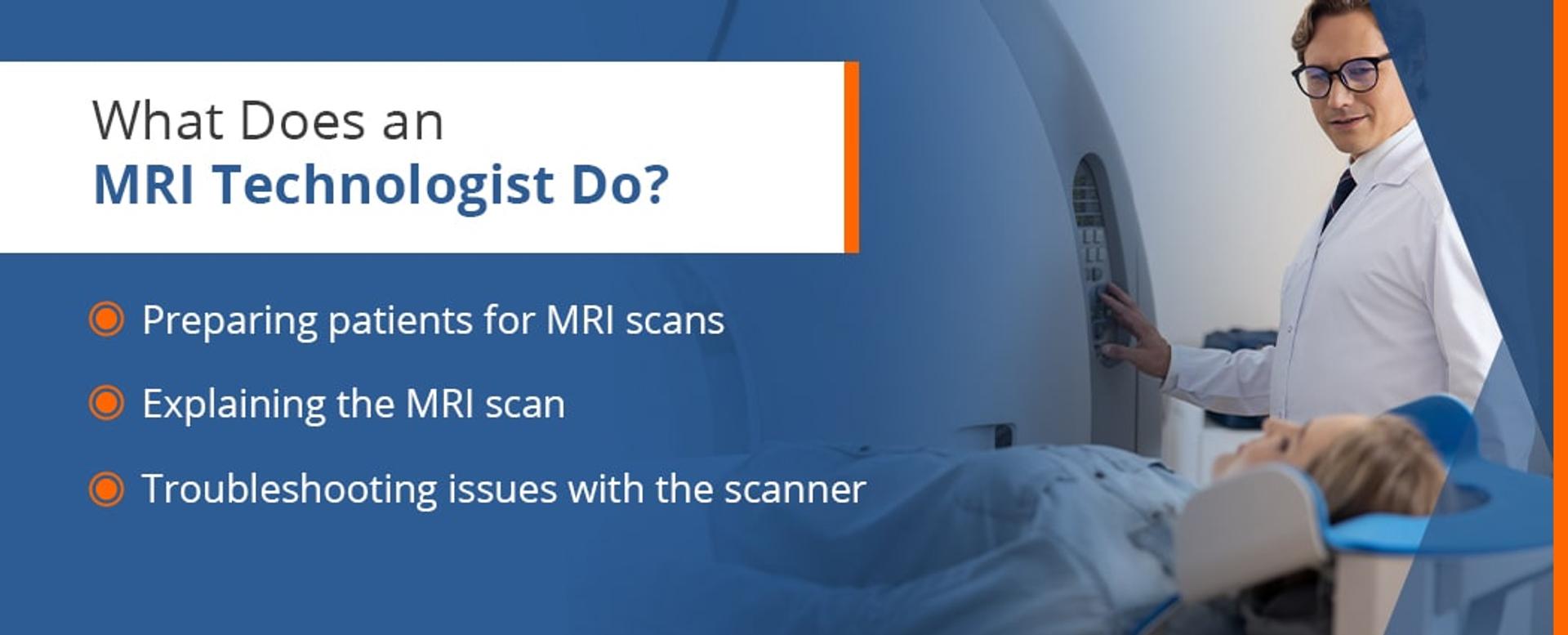
Image Acquisition and Processing: From Raw Data to Diagnostic Images
The raw data generated by the MRI scanner undergoes sophisticated processing before it becomes a diagnostically useful image. Technologists are involved in initiating and overseeing this process:
- Data Acquisition Parameters: They input and verify the parameters for data acquisition, ensuring that the scanner is configured to capture the necessary information with optimal signal-to-noise ratio and resolution.
- Reconstruction Algorithms: The console software employs complex reconstruction algorithms to convert the raw MR signals into digital images. Technologists understand the basic principles behind these algorithms and can troubleshoot issues if image reconstruction appears flawed.
- Image Post-Processing: Depending on the system and protocol, some post-processing may be performed at the console, such as applying filters, adjusting contrast, or generating multi-planar reformations (MPRs). Technologists execute these steps as required.
Picture Archiving and Communication Systems (PACS): The Digital Library
MRI scans, once acquired and processed, become part of a larger digital health record. MRI technologists play a role in ensuring these images are correctly integrated into the hospital’s Picture Archiving and Communication System (PACS):
- Data Transfer and Archiving: They ensure that the acquired images are accurately transferred from the scanner to the PACS for long-term storage. This involves verifying patient demographics, study information, and ensuring data integrity.
- Image Quality Control: Technologists perform initial quality checks on the images before they are sent to PACS, looking for any obvious technical deficiencies that might hinder interpretation by the radiologist.
- Troubleshooting Data Flow: If there are issues with image transfer or PACS connectivity, technologists are often the first point of contact to identify and report the problem.
- Integration with Electronic Health Records (EHR): Understanding how MRI data integrates with the broader EHR system is crucial for comprehensive patient care. Technologists contribute to the smooth flow of this information.
Understanding Digital Image Formats (DICOM): The Universal Language of Medical Imaging
The Digital Imaging and Communications in Medicine (DICOM) standard is the global language of medical imaging. MRI technologists work extensively with DICOM files:
- DICOM Tagging and Metadata: They ensure that all necessary DICOM tags and metadata (e.g., patient name, date of birth, study description, imaging parameters) are correctly populated for each scan. This information is vital for organizing, retrieving, and interpreting images.
- Image Manipulation within DICOM Framework: While specific image manipulation for diagnostic interpretation is the radiologist’s role, technologists may perform basic adjustments within the DICOM framework for visualization or to prepare images for specific viewing stations.
- Troubleshooting DICOM Issues: Occasionally, issues can arise with DICOM communication between different systems. Technologists have a working knowledge of DICOM to help diagnose and resolve these problems.
Continuous Learning and Technological Adaptation: Evolving with the Field
The field of medical imaging is characterized by rapid technological advancement. MRI technologists are lifelong learners, constantly updating their skills and knowledge to keep pace with innovation.
Advanced Imaging Techniques and Applications
Beyond routine MRI scans, specialized techniques are continuously being developed and refined. Technologists need to stay abreast of these advancements:
- Functional MRI (fMRI): Understanding the principles of fMRI, which measures brain activity by detecting changes in blood flow, and how to set up and run fMRI scans.
- Diffusion Tensor Imaging (DTI): Knowledge of DTI, used to map white matter tracts in the brain, and its specific acquisition parameters.
- Magnetic Resonance Spectroscopy (MRS): Familiarity with MRS, which analyzes the chemical composition of tissues, and its role in diagnosing metabolic disorders.
- Contrast-Enhanced MRI: Expertise in administering and managing various intravenous contrast agents, understanding their properties, indications, contraindications, and potential side effects.
Software Updates and System Upgrades
MRI scanners are complex computer systems that undergo regular software updates and hardware upgrades. Technologists are integral to this process:
- Training on New Software Features: They actively participate in training sessions to learn about new features, improved user interfaces, and updated imaging protocols introduced with software upgrades.
- Assisting with System Calibration and Maintenance: While specialized engineers handle major maintenance, technologists may be involved in routine system checks, calibration procedures, and reporting any performance anomalies.
- Evaluating New Technologies: They often provide feedback on the usability and effectiveness of new imaging technologies or software enhancements, contributing to product development and optimization.
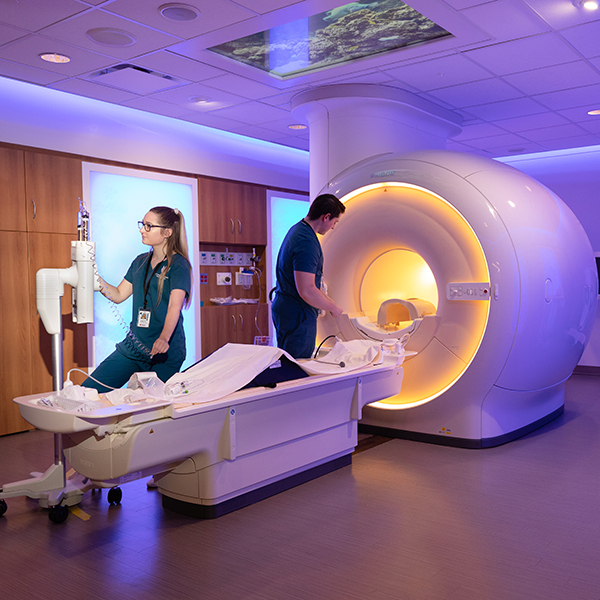
Professional Development and Certification
To maintain their expertise and ensure they are operating at the highest standards, MRI technologists engage in ongoing professional development:
- Continuing Education Units (CEUs): Many professional certifications require a certain number of CEUs annually, obtained through workshops, conferences, online courses, and reading relevant literature.
- Staying Current with Research: Following research publications, attending scientific meetings, and networking with peers are essential for understanding emerging trends, new applications, and best practices in MRI.
- Advanced Certifications: Some technologists pursue advanced certifications in specific areas of MRI, such as neuroradiology, musculoskeletal MRI, or cardiac MRI, further deepening their specialized technological knowledge.
In conclusion, the role of an MRI technologist is a sophisticated blend of technical mastery, critical thinking, and patient-centered care. They are the skilled operators of incredibly advanced technology, responsible for ensuring the safe and effective acquisition of diagnostic images that are vital to patient diagnosis and treatment. Their continuous engagement with evolving technology, from understanding the fundamental physics to navigating complex digital workflows, underscores their indispensable position within the modern healthcare landscape.
aViewFromTheCave is a participant in the Amazon Services LLC Associates Program, an affiliate advertising program designed to provide a means for sites to earn advertising fees by advertising and linking to Amazon.com. Amazon, the Amazon logo, AmazonSupply, and the AmazonSupply logo are trademarks of Amazon.com, Inc. or its affiliates. As an Amazon Associate we earn affiliate commissions from qualifying purchases.