
The simple query, “Where is the nearest theater?” once relied on word-of-mouth, printed directories, or a keen sense of local geography. Today, this question instantly conjures images of smartphones, mapping applications, and an array of digital tools that have fundamentally transformed how we locate, evaluate, and ultimately enjoy public entertainment venues. The evolution from analogue search to sophisticated digital discovery represents a significant leap in how technology empowers everyday consumer decisions, particularly in the realm of leisure and local exploration. This article delves into the technological backbone that makes finding your next cinematic experience not just easy, but often a seamless, enriched part of the outing itself.

The Evolution of Location-Based Services: From Maps to Mobile Apps
The quest for the nearest theater is a prime example of how location-based services (LBS) have matured, evolving from rudimentary geographical data to intelligent, hyper-personalized navigation systems. Understanding this trajectory reveals the technological milestones that have paved the way for our current state of instant gratification.
Early Navigation: Paper Maps and Human Knowledge
For centuries, finding a specific location, especially one outside familiar territory, was a labor-intensive process. Paper maps, often detailed but static, required interpretation skills and the ability to correlate physical landmarks with symbols on a page. Local knowledge, shared through conversations or directions scribbled on a napkin, formed the primary “database” for spatial awareness. The concept of “nearest” was subjective, often relying on a rough estimate or a general understanding of a town’s layout. Discovering a new theater often involved active exploration or a recommendation from a trusted source, with little in the way of real-time information.
The Advent of GPS and Digital Mapping
The late 20th and early 21st centuries ushered in a new era with the widespread adoption of the Global Positioning System (GPS). Initially a military technology, GPS transitioned to civilian use, laying the groundwork for digital mapping platforms. Early web-based services like MapQuest and later Google Maps brought interactive maps to desktop computers, allowing users to input an address and receive step-by-step driving directions. This was a monumental shift, providing precise location data and route optimization without the need for physical maps. Users could now visualize their journey and get an objective answer to “nearest,” based on quantifiable distance and travel time. While revolutionary, these early digital maps still often required pre-planning and were not inherently mobile.
The Smartphone Revolution and Hyper-Local Search
The true paradigm shift arrived with the proliferation of smartphones and their integrated GPS capabilities, powerful processors, and ubiquitous internet connectivity. Mobile applications transformed digital mapping into a dynamic, real-time experience. Instead of planning a route at home, users could now pull out their device anywhere and instantly pinpoint their current location, identify nearby points of interest (POIs) like theaters, and receive live navigation. This enabled “hyper-local” search: the ability to ask “where is the nearest anything” and get immediate, context-aware results. Furthermore, these apps began integrating user reviews, operating hours, contact information, and even real-time traffic updates, making the search for a theater not just about location, but about a richer informational experience.
Essential Tech Tools for Finding Your Next Cinematic Experience
In today’s interconnected world, a suite of sophisticated tech tools makes the query “where is the nearest theater” incredibly easy to answer. These tools do more than just point you in the right direction; they enrich the entire process of planning your entertainment outing.
Mapping Applications: Your Primary Navigator
Foremost among these tools are general-purpose mapping applications like Google Maps, Apple Maps, and Waze. These platforms have evolved far beyond simple navigation; they are comprehensive local search engines. When you type “theaters near me” or “movie theaters,” these apps instantly display a list of local cinemas, often ordered by proximity. Crucially, they provide:
-
Exact Location and Directions: Turn-by-turn navigation, including options for driving, public transit, walking, or cycling.
-
Operating Hours: Real-time information on when theaters are open.
-
User Reviews and Ratings: Aggregated feedback from other patrons, often with photos, helping users gauge the quality and atmosphere of a venue.
-
Contact Information: Phone numbers and links to the theater’s official website.
-
Street View and Interior Maps: Allowing a virtual reconnaissance before arrival.
These applications serve as the foundational layer for any location-based search, seamlessly integrating with other services to provide a holistic view.
Dedicated Movie & Event Apps: Beyond Just Location
While mapping apps tell you where the theater is, specialized movie and event ticketing apps provide the crucial context of what’s playing and how to get in. Platforms like Fandango, IMDb, Atom Tickets, and local cinema chain apps offer a wealth of features:
-
Showtimes and Tickets: The primary function, allowing users to browse current and upcoming showtimes, select seats, and purchase tickets directly within the app.
-
Trailers and Synopses: Detailed information about films, including cast, crew, ratings, and critical reviews, helping users decide what to watch.
-
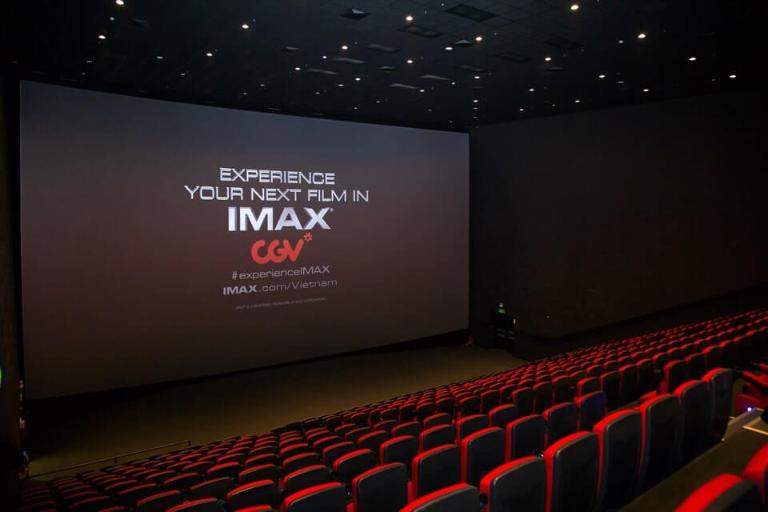
Theater-Specific Information: Amenities (e.g., IMAX, 3D, recliner seats, dining options), loyalty programs, and special events.
-
Personalized Recommendations: Based on viewing history or genre preferences, these apps can suggest films or showtimes.
-
Digital Tickets: Purchased tickets are stored directly on the device, often with QR codes for seamless entry, eliminating the need for physical printouts.
These apps streamline the entire pre-theater experience, making it possible to go from discovery to purchase in a few taps.
Voice Assistants and Smart Speakers: Hands-Free Discovery
The increasing sophistication of natural language processing has integrated location-based queries into our everyday lives through voice assistants. Devices like Apple’s Siri, Google Assistant, and Amazon’s Alexa have made finding a theater as simple as speaking a command.
-
Direct Answers: “Hey Siri, where is the nearest movie theater?” will prompt the assistant to verbally list nearby options and offer directions.
-
Seamless Integration: These assistants often pull information directly from mapping apps or dedicated movie services, providing showtimes or even linking to ticketing options.
-
Contextual Understanding: More advanced assistants can understand follow-up questions, like “What movies are playing there?” or “What’s the earliest showtime?”
-
Smart Home Connectivity: For users with smart home setups, an assistant might even project directions to a smart display or send them directly to a connected car’s navigation system.
This hands-free approach not only offers convenience but also caters to accessibility needs, proving that the technology for finding a theater is becoming increasingly intuitive and pervasive.
Leveraging Advanced Features for an Optimal Theater Visit
Modern technology extends beyond merely identifying the nearest cinema. It significantly enhances the entire theater-going process by offering advanced features that cater to convenience, personalization, and efficiency. These innovations transform a simple outing into a highly optimized experience.
Real-Time Information: Showtimes, Seating, and Accessibility
The dynamic nature of real-time data is paramount for a smooth theater visit. Gone are the days of guessing availability or arriving early to secure good seats.
-
Dynamic Showtimes: Apps constantly update showtimes, reflecting last-minute changes or additions, ensuring users always have the most current information.
-
Live Seating Charts: Many ticketing apps display interactive seating charts, allowing patrons to see exactly which seats are available and select their preferred spot, often differentiating between standard, premium, or accessible seating. This prevents the frustration of arriving only to find a crowded or fully booked screen.
-
Accessibility Filters: Advanced platforms allow users to filter theaters based on specific accessibility needs, such as wheelchair access, closed captioning devices, or assisted listening systems, ensuring an inclusive experience for all.
-
Capacity Alerts: During peak times or for highly anticipated releases, some apps can provide alerts on screen capacity, helping users decide whether to opt for an earlier or later show.
Personalized Recommendations and Discovery
The power of artificial intelligence (AI) and machine learning has infiltrated the entertainment discovery process, moving beyond simple genre preferences to deeply personalized suggestions.
-
Viewing History Analysis: By analyzing past ticket purchases, streamed content, and even movie ratings, apps can recommend films tailored to an individual’s taste.
-
Contextual Suggestions: Recommendations might also consider the time of day, day of the week, or even weather conditions (e.g., suggesting an indoor movie on a rainy day).
-
Social Graph Integration: Some platforms can leverage social connections to show what friends are watching or recommending, fostering a more communal discovery experience.
-
Discovery Engines: Beyond just current blockbusters, these features help users uncover independent films, special screenings, or film festivals that align with their niche interests, broadening their cinematic horizons.
Integrated Ticketing and Digital Wallet Solutions
The journey from selecting a movie to sitting in the theater has been dramatically streamlined through integrated digital solutions, making transactions faster and more secure.
-
Seamless Booking Workflow: Ticketing apps offer an end-to-end booking experience, from film selection and showtime to seat choice and payment, all within a single interface.
-
Digital Wallet Integration: Apple Pay, Google Pay, and other digital wallet services are now standard payment options, allowing for quick, secure transactions without needing to input card details manually. This reduces friction and enhances security.
-
Loyalty Programs: Many theater chains have integrated their loyalty programs directly into their apps, allowing patrons to earn and redeem points automatically with each purchase, often providing exclusive discounts or early access to tickets.
-
QR Code Entry: Once purchased, tickets are typically presented as QR codes or barcodes on the smartphone screen, which can be scanned directly at the theater entrance, eliminating the need for paper tickets and reducing queues.
Enhancing the Theater-Going Experience with Complementary Tech
The journey to the nearest theater doesn’t exist in a vacuum. A holistic entertainment experience often involves activities before and after the main event. Complementary technologies seamlessly integrate with theater-finding tools, enriching the entire outing.
Pre-Show Planning: Restaurant Reservations and Parking Apps
Getting to the theater is one thing; ensuring the overall evening is enjoyable often involves careful planning of dining and logistics.
-
Restaurant Reservation Platforms: Apps like OpenTable, Resy, or Yelp Reservations allow users to find restaurants near the chosen theater, view menus, read reviews, and book tables in advance. Many mapping apps even integrate these services, suggesting nearby eateries once a theater is selected.
-
Parking Solutions: Finding parking, especially in urban areas, can be a major stressor. Apps like Parkopedia, SpotHero, or local city parking apps provide real-time information on available parking spots, garage locations, pricing, and even allow for pre-booking and cashless payment, significantly easing arrival.
-
Public Transit Integration: For those opting out of driving, mapping apps offer detailed public transit routes, including real-time bus and train schedules, fare information, and estimated travel times, ensuring a timely arrival without the hassle of navigating traffic and parking.
Post-Show Engagement: Review Platforms and Social Sharing
The experience doesn’t end when the credits roll. Modern tech enables patrons to reflect on and share their thoughts about the film and the theater itself.
-
Movie Review Platforms: Sites and apps like Rotten Tomatoes, IMDb, Letterboxd, or Metacritic allow users to rate and review movies, contributing to community consensus and helping others make informed choices. Many dedicated movie apps will prompt users for their feedback post-show.
-
Theater-Specific Reviews: Platforms like Yelp or Google Reviews allow patrons to specifically rate the theater experience—comfort of seats, cleanliness, concession quality, and staff friendliness—providing valuable feedback for the venue and future visitors.
-
Social Media Sharing: It’s common for moviegoers to share their thoughts, photos, or even check-ins on platforms like Instagram, Twitter, or Facebook, fostering discussion and sometimes influencing others’ decisions to see a particular film or visit a specific theater.
Smart Home Integration: Extending the Experience
Even before leaving home or upon returning, smart home technology can play a subtle yet impactful role in the theater-going experience.
-
Smart Reminders: Voice assistants can be programmed to set reminders to leave for the theater based on traffic conditions, ensuring users don’t miss their showtime.
-
Automated Ambiance: Before heading out, smart lighting systems can be set to “away” modes, and thermostats adjusted to conserve energy. Upon returning, a pre-set “welcome home” scene might activate, dimming lights and adjusting temperature.
-
Post-Movie Comfort: After an immersive cinematic experience, smart home devices can contribute to winding down, perhaps by playing a soothing playlist or preparing the home for a comfortable evening.
The Future of Finding and Enjoying Theaters: Emerging Technologies
The landscape of finding and experiencing entertainment is continuously evolving. As technology advances, we can anticipate even more intuitive, immersive, and personalized ways to answer the question, “Where is the nearest theater?” and fully engage with the cinematic world.
Augmented Reality (AR) for Discovery and Navigation
Augmented Reality, which overlays digital information onto the real world, holds significant promise for location-based discovery.
-
Dynamic Overlays: Imagine holding up your phone, and AR technology instantly highlights nearby theaters, displaying showtimes, ratings, and even a snippet of a trailer directly over the building’s facade. This could transform casual strolling into an interactive discovery journey.
-
Indoor Navigation: Within large complexes, AR could provide precise indoor navigation to specific screens, restrooms, or concession stands, enhancing the convenience, especially for first-time visitors.
-
Interactive Queues: AR could make waiting in line more engaging by displaying movie trivia, behind-the-scenes content, or even interactive games relevant to the film you’re about to see.
AI and Predictive Analytics: Hyper-Personalized Outings
Building on current recommendation engines, future AI will offer an unprecedented level of personalization and even predictive capability.
-
Proactive Suggestions: AI could learn your viewing habits, preferred showtimes, and even your mood, then proactively suggest a movie and a specific showtime at a nearby theater, perhaps even bundling it with a dinner reservation at your favorite restaurant, all before you even explicitly search.
-
Dynamic Pricing and Offers: Leveraging real-time demand, AI could offer personalized discounts or package deals (e.g., movie + popcorn + drink) to optimize attendance and enhance value for the consumer.
-
Anticipatory Services: Your car’s navigation system, integrated with your personal AI, might automatically suggest the fastest route and pre-book parking as you approach a theater for a movie it knows you’re interested in.

The Metaverse and Virtual Showings: Blending Real and Digital
While the physical theater experience remains cherished, emerging concepts like the metaverse and advanced virtual reality (VR) could redefine what “going to the theater” means.
-
Hybrid Experiences: The future might see a blend of physical and virtual. Imagine a premiere where attendees can either be in the physical cinema or join a synchronized, immersive virtual screening with friends from across the globe, interacting in a shared digital space.
-
Virtual Theaters: Fully immersive VR environments could create “virtual theaters” where users choose their avatar, sit in a digital auditorium, and watch films with remote friends, complete with virtual concessions and post-movie discussions in a digital lobby.
-
Interactive Content: This could extend to interactive films where audience choices influence the narrative, bringing a new dimension to cinematic engagement, whether experienced physically or virtually.
In conclusion, the simple question “where is the nearest theater” has become a gateway to an expansive ecosystem of technological innovation. From foundational mapping services to intelligent voice assistants, and from personalized recommendation engines to the nascent possibilities of AR and AI, technology has transformed the act of finding a movie into an effortlessly integrated, highly personalized, and increasingly immersive experience. As these tools continue to evolve, the future promises even more sophisticated and seamless ways to connect with local entertainment, further blurring the lines between our digital lives and our physical pursuits.
aViewFromTheCave is a participant in the Amazon Services LLC Associates Program, an affiliate advertising program designed to provide a means for sites to earn advertising fees by advertising and linking to Amazon.com. Amazon, the Amazon logo, AmazonSupply, and the AmazonSupply logo are trademarks of Amazon.com, Inc. or its affiliates. As an Amazon Associate we earn affiliate commissions from qualifying purchases.