
In the modern digital landscape, the query “where are AMC theaters near me” is more than a simple geographical request; it is the starting point of a highly integrated technological journey. Gone are the days of scanning newsprint for showtimes or calling a hotline for recorded listings. Today, the process of locating, booking, and experiencing cinema is driven by sophisticated geolocation services, mobile application ecosystems, and cutting-edge projection technology. For the tech-savvy cinephile, finding an AMC theater is an exercise in utilizing a seamless digital infrastructure designed to bridge the gap between a physical location and a premium entertainment experience.
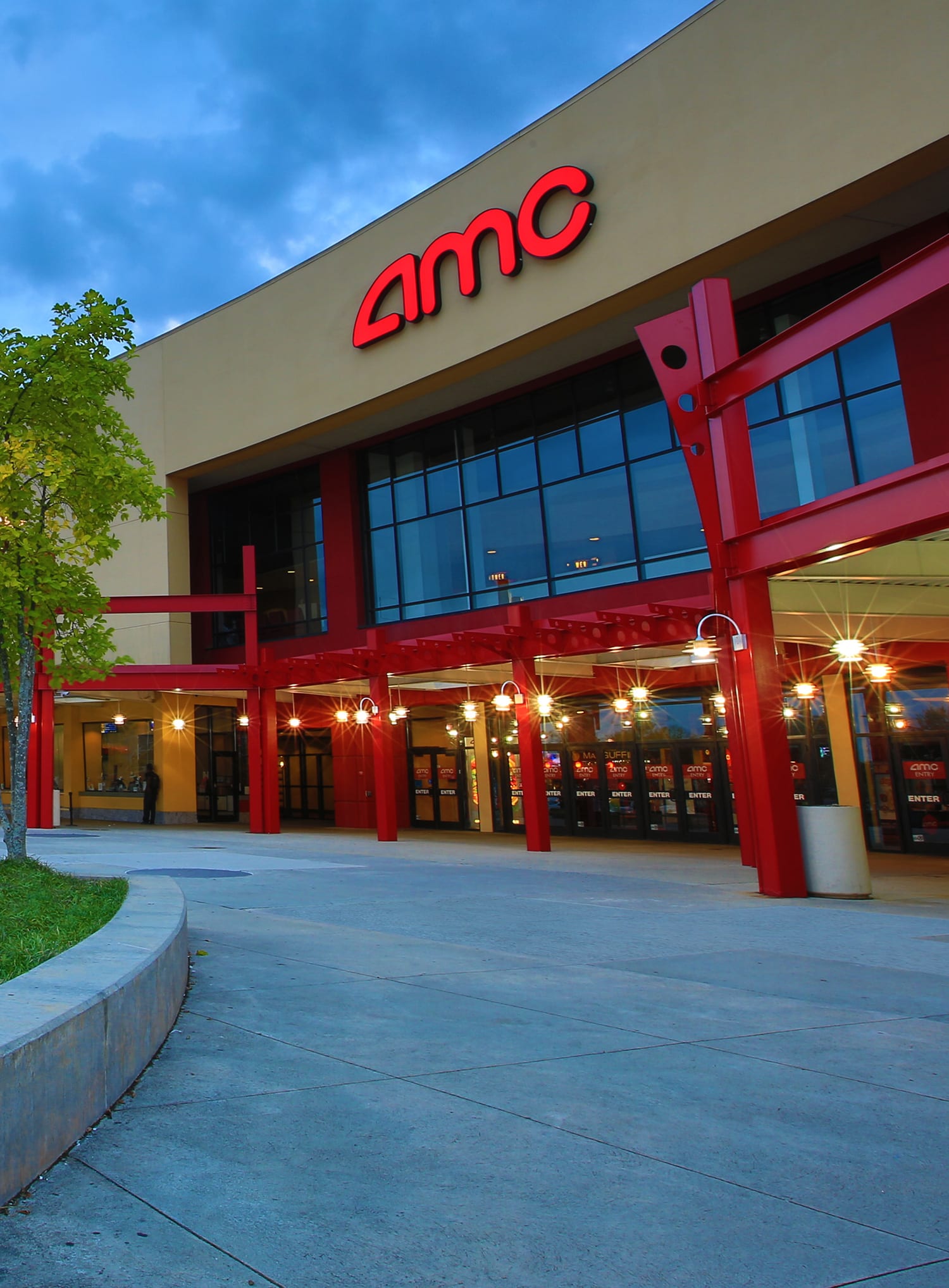
The Digital Ecosystem: How Geolocation and Mobile Apps Streamline the Search
The immediate answer to “where are AMC theaters near me” is powered by a complex layer of Location-Based Services (LBS) and Global Positioning System (GPS) technology. When a user enters this query into a smartphone or browser, they are activating a suite of APIs (Application Programming Interfaces) that cross-reference their current coordinates with AMC’s proprietary database of over 900 global locations.
The Power of the AMC Theatres Mobile App
The AMC Theatres app serves as the central hub for the brand’s digital transformation. By utilizing geofencing and push notification technology, the app does more than just show a map. It prioritizes theaters based on proximity, but it also filters them based on available technological amenities. Users can specifically look for “near me” locations that feature premium formats like Dolby Cinema or IMAX. The app’s backend is integrated with real-time seat mapping, allowing users to see a digital twin of the auditorium before they even set foot in the building. This level of transparency is made possible through high-speed cloud syncing, ensuring that a seat purchased on a desktop is immediately reflected as unavailable on a mobile device miles away.
Google Maps and Geospatial Integration
For many, the search begins on a third-party mapping platform. AMC’s integration with Google Maps and Apple Maps utilizes structured data and Schema markup to provide more than just directions. The “Tech Stack” behind these listings includes real-time traffic updates, estimated arrival times, and deep links that lead directly into the AMC ticketing funnel. This interconnectedness ensures that the user journey from “searching” to “sitting” is as frictionless as possible.
Real-Time Inventory and API Connectivity
The “near me” search is only useful if there are tickets available. AMC utilizes robust APIs to communicate with third-party platforms like Fandango and Atom Tickets. This ensures that regardless of where the search originates, the inventory data—including sold-out status and showtime changes—is consistent across the web. This synchronization requires massive server reliability to handle the spikes in traffic during major blockbuster launches, demonstrating a high-level commitment to digital scalability.
Next-Gen Projection and Audio: Why Tech-Savvy Viewers Seek AMC
Once the “near me” search has identified a location, the focus shifts to the hardware within the theater. AMC has positioned itself as a leader in cinema technology, often being the first to adopt new standards in visual and auditory fidelity. Finding a theater is only half the battle; the goal for many is finding the theater with the specific technical specifications required for a high-fidelity experience.
Dolby Cinema: The Pinnacle of Visual Contrast
Dolby Cinema at AMC is a premium technological offering that combines Dolby Vision projection with Dolby Atmos sound. Unlike standard digital projection, Dolby Vision utilizes dual 4K laser projectors capable of delivering a contrast ratio that exceeds 1,000,000:1. This allows for “true blacks” and a vastly expanded color gamut. For the viewer, this means seeing details in shadows and highlights that are physically impossible to reproduce on standard xenon lamp projectors. When searching for a theater, the “Dolby” filter is a top priority for those who value technical precision in cinematography.
IMAX with Laser: Engineering Immersion
Many AMC locations are home to IMAX theaters, but the most advanced are those equipped with “IMAX with Laser.” This technology replaces the traditional bulb with a laser light source, providing significantly brighter images and sharper resolution. The technical advantage of IMAX with Laser lies in its proprietary 12-channel sound system and its unique aspect ratio, which offers up to 26% more picture than standard screens. The engineering behind these auditoriums involves specific acoustic treatments and seating configurations designed to place the viewer within the “sweet spot” of the audio-visual cone.

High Frame Rate (HFR) and RealD 3D
AMC continues to support evolution in frame rates and three-dimensional depth. Modern digital cinema packages (DCPs) can now be projected at 48 or even 60 frames per second, reducing motion blur in high-action sequences. The RealD 3D technology utilized at many AMC locations employs circular polarization to deliver a crisp 3D image that remains stable even if the viewer tilts their head. This level of hardware optimization is a major draw for users who search specifically for theaters capable of handling these high-bandwidth formats.
Smart Infrastructure: The Backend of the Modern Moviegoing Experience
The evolution of the AMC theater experience extends beyond the screen. The “smart theater” concept involves a range of internet-of-things (IoT) devices and data-driven systems that manage everything from temperature control to the freshness of the popcorn.
Contactless Entry and Digital Kiosks
The physical act of entering the theater has been digitized. AMC’s investment in NFC (Near Field Communication) and QR code scanning technology allows for a completely contactless entry. When a user finds a theater “near me” and buys a ticket, that ticket is stored in a digital wallet. Upon arrival, high-speed scanners validate the encrypted token, reducing wait times and manual labor. Furthermore, the deployment of automated digital kiosks in lobbies allows for high-throughput ticket and concession sales, utilizing intuitive UI/UX design to manage peak-hour traffic.
Mobile Ordering for Concessions
One of the most significant tech upgrades in recent years is the integration of mobile ordering within the AMC app. This system utilizes a “just-in-time” inventory management approach. When a user places an order for popcorn or a meal through the app, the kitchen’s backend system triggers a preparation sequence based on the user’s proximity or the start time of their movie. This reduces food waste and ensures that items are served at the optimal temperature, leveraging data to synchronize kitchen workflows with auditorium schedules.
AMC Stubs: Data Analytics and Personalization
The AMC Stubs loyalty program is a masterclass in using consumer data to enhance user experience. By analyzing the viewing habits and search patterns of millions of users, AMC’s algorithms can provide personalized recommendations. If a user frequently searches for “AMC theaters near me” on opening weekends for sci-fi films, the system’s machine learning model will prioritize those titles in the user’s feed. This predictive analytics approach turns a simple search into a curated entertainment discovery platform.
The Future of Cinema Tech: AI, AR, and Beyond
As we look toward the future, the question of “where are AMC theaters” may soon be answered through even more immersive technologies. The boundary between the digital search and the physical experience is becoming increasingly blurred.
Augmented Reality (AR) in the Lobby
AMC has explored the use of AR to bring movie posters and lobby displays to life. By using a smartphone camera, guests can unlock exclusive digital content, trailers, or interactive games related to the films they are about to see. This integration of computer vision tech into the physical theater space provides a “phygital” (physical + digital) experience that cannot be replicated in a home theater environment.
Advanced Seating and Environmental Tech
The seating at AMC theaters is also seeing a technological overhaul. Many locations feature AMC Signature Recliners, which incorporate sophisticated motorized components and, in some cases, haptic feedback systems that sync with the on-screen action. Furthermore, the HVAC and lighting systems in modern auditoriums are often managed by centralized Building Management Systems (BMS) that use sensors to adjust levels based on the number of people in the room, optimizing both comfort and energy efficiency.
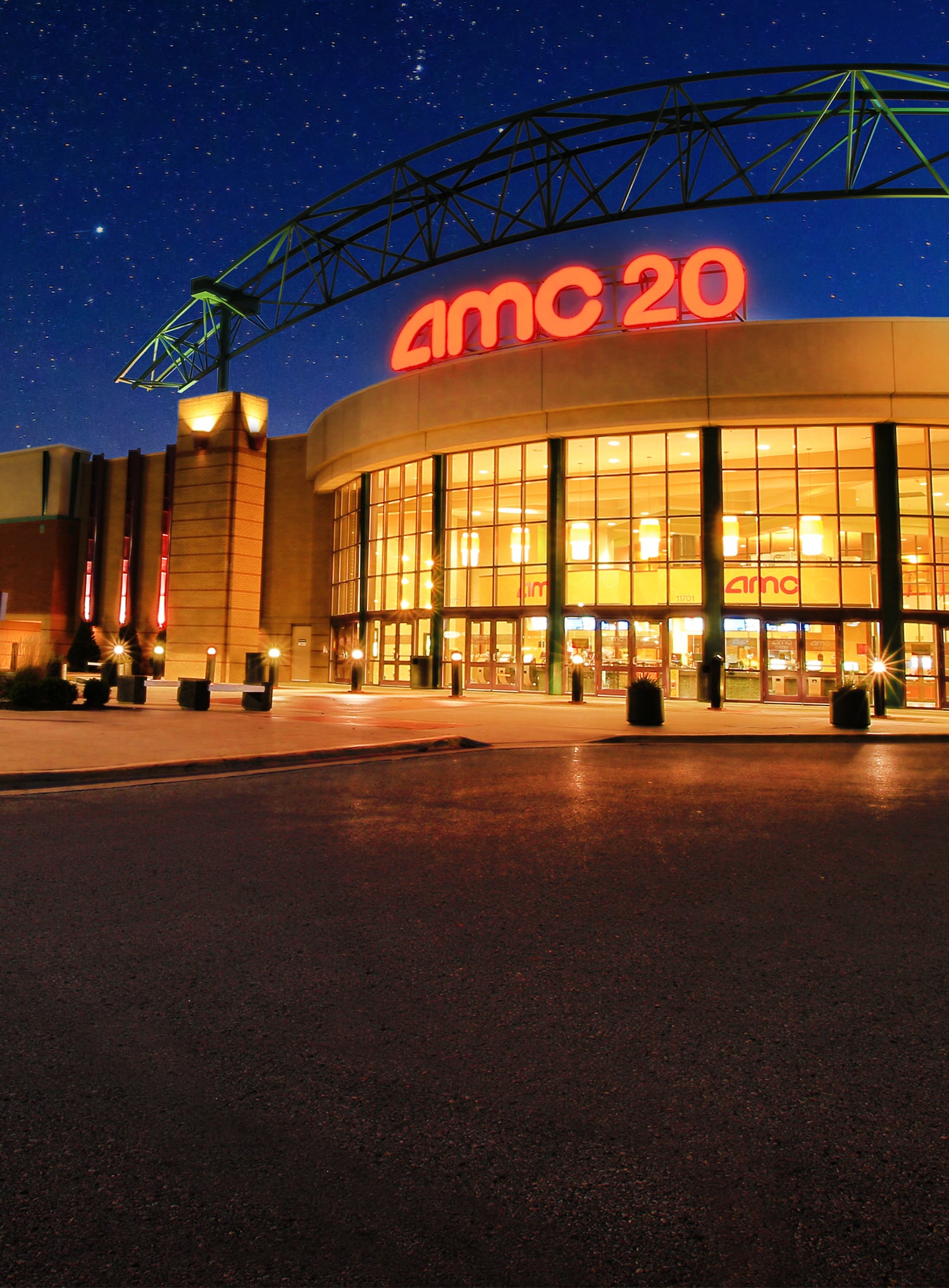
High-Speed Connectivity for the Modern Audience
To support these digital features, AMC theaters are increasingly equipped with high-capacity Wi-Fi and 5G nodes. This ensures that while you are waiting for your film to start, you can access high-bandwidth content, interact with the AMC app, or share your experience on social media without latency issues. This infrastructure is essential for the “always-on” generation of moviegoers who expect seamless connectivity from the moment they search for a location to the moment the credits roll.
In conclusion, when you search for “where are AMC theaters near me,” you are interacting with a massive, high-tech network designed for efficiency and immersion. From the GPS satellites that locate your position to the dual-laser projectors that illuminate the screen, every step of the journey is a testament to the power of modern technology in the entertainment sector. AMC has successfully transitioned from a traditional cinema chain into a tech-forward platform that prioritizes digital convenience and hardware excellence.
aViewFromTheCave is a participant in the Amazon Services LLC Associates Program, an affiliate advertising program designed to provide a means for sites to earn advertising fees by advertising and linking to Amazon.com. Amazon, the Amazon logo, AmazonSupply, and the AmazonSupply logo are trademarks of Amazon.com, Inc. or its affiliates. As an Amazon Associate we earn affiliate commissions from qualifying purchases.