
For many individuals, student loans represent one of the most significant financial obligations of their early adult lives. Yet, despite the magnitude of this debt, a surprising number of borrowers find themselves unsure of exactly how much they owe, who holds their debt, or what the specific terms of their repayment are. Navigating the landscape of student debt is a cornerstone of personal finance management. Understanding your debt profile is not merely a clerical task; it is a strategic necessity for anyone looking to build a stable financial future, improve their credit score, and eventually achieve debt-free status.
To take control of your financial health, you must first have a transparent view of your liabilities. This guide provides a systematic approach to identifying, tracking, and assessing your student loans, whether they are federal, private, or a complex mixture of both.
Identifying Your Loan Types: Federal vs. Private
The first step in checking your student loans is distinguishing between federal and private debt. These two categories operate under different laws, offer different protections, and are managed through entirely different systems. Understanding which category your loans fall into determines how you will access your records and what repayment strategies will be available to you.
Locating Federal Student Loans via StudentAid.gov
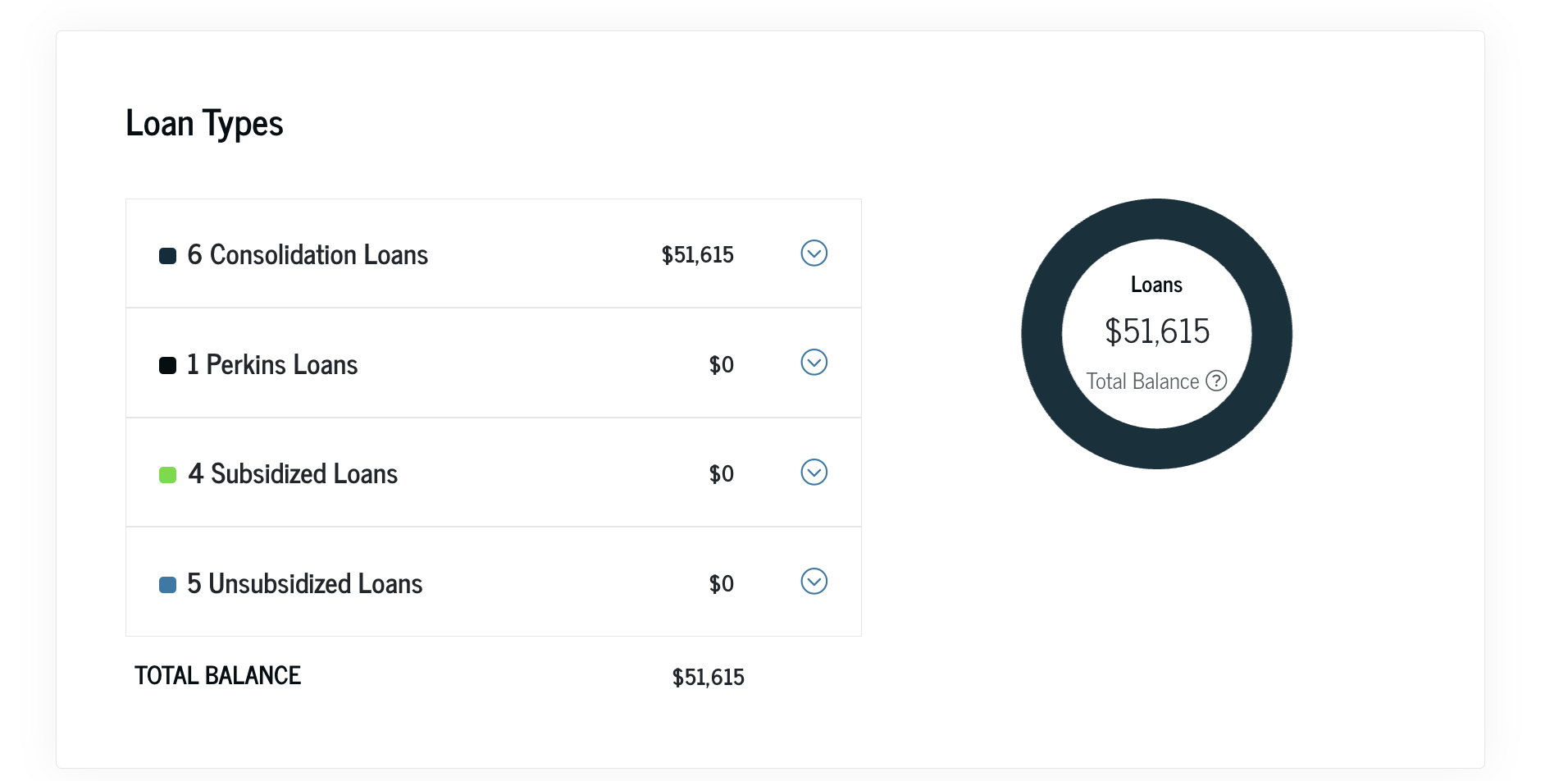
The vast majority of student loans in the United States are federal loans, which are funded by the U.S. Department of Education. These include Direct Subsidized Loans, Direct Unsubsidized Loans, PLUS loans, and Perkins Loans. If you have federal debt, there is a centralized repository for all your information.
The primary tool for checking federal loans is the Federal Student Aid (FSA) website, StudentAid.gov. To access your data, you will need your FSA ID—a username and password combination that serves as your legal signature. Once logged in, you can view a comprehensive “Dashboard” that summarizes your total outstanding balance, including both principal and interest.
The FSA dashboard is invaluable because it provides a granular look at your loan history. By clicking into the “View Details” section, you can see the specific type of each loan, the date it was disbursed, the current interest rate, and the name of the loan servicer assigned to manage your billing. It also tracks your progress toward forgiveness programs, such as Public Service Loan Forgiveness (PSLF), and indicates whether your loans are in good standing, in a grace period, or in default.
Tracking Down Private Student Loans
Unlike federal loans, private student loans are issued by banks, credit unions, or online lenders like SoFi, Sallie Mae, or Discover. Because these are private contracts, they are not listed on the Department of Education’s website. If you suspect you have private loans but cannot remember the lender, you must take a different approach.
The most effective way to identify private student loans is by requesting a copy of your credit report. Since private lenders report your payment history to credit bureaus, these loans will appear as “tradelines” on your report. You are entitled to a free credit report from each of the three major bureaus—Equifax, Experian, and TransUnion—every year through AnnualCreditReport.com.
When reviewing your credit report, look for the names of financial institutions and the original balance of the loans. Once you identify the lender, you can contact them directly or visit their online portal to create an account. If the loan is very old and has gone into default, it may have been sold to a debt collection agency, which would also be reflected on your credit report.
Navigating Your Loan Servicers and Portals
While the government or a private bank may be the “lender,” they often outsource the day-to-day management of your debt to a third party known as a loan servicer. The servicer is the entity that sends your monthly bills, processes your payments, and handles requests for deferment or income-driven repayment plans.
Understanding the Role of the Loan Servicer
It is common for borrowers to feel confused when they receive mail from a company they don’t recognize, such as Nelnet, Mohela, or Aidvantage. These are loan servicers. It is crucial to identify your servicer because that is where the most up-to-date data regarding your balance resides.
For federal loans, the servicer is assigned by the Department of Education. If your loan is transferred from one servicer to another—a common occurrence in the industry—you should receive a notification. However, if you lose track, the StudentAid.gov portal will always list your current servicer under each specific loan entry. For private loans, the servicer is usually the bank itself or a specialized private servicing firm.
Setting Up Your Online Accounts
Once you know who your servicer is, you must create an online account on their specific platform. This is different from your FSA ID. Your servicer’s portal is where the actual “mechanics” of your debt are visible. Through these portals, you can:
-
Download Billing Statements: These provide a monthly snapshot of how your payment was applied between interest and principal.
-
Update Contact Information: Ensuring your servicer has your current email and physical address prevents you from missing critical deadlines or legislative updates.
-
View Payment History: Reviewing your history allows you to verify that your payments are being applied correctly and that no errors have occurred in the calculation of your balance.
Assessing the Key Details of Your Debt
Checking your student loans involves more than just looking at the total balance. To make informed financial decisions, you need to understand the “cost of carry” and the timeline of your debt.
Principal Balance, Interest Rates, and Accrual
When you log into your account, you will typically see two numbers: the principal and the total balance. The principal is the original amount you borrowed, while the total balance includes the interest that has accrued over time.
In the realm of personal finance, the interest rate is the most critical variable. You should note whether your rates are fixed (remaining the same for the life of the loan) or variable (changing based on market fluctuations). Federal loans issued in recent years have fixed rates, while older federal loans or many private loans may have variable rates. Knowing your interest rates allows you to prioritize payments; mathematically, it is often most beneficial to target the loans with the highest interest rates first—a strategy known as the “debt avalanche” method.
Furthermore, pay attention to “capitalized interest.” This occurs when unpaid interest is added to the principal balance, causing you to pay interest on interest. This often happens after periods of deferment or forbearance, and understanding when it occurs is vital for long-term planning.
Reviewing Your Repayment Status and History
Your loan status tells you what is expected of you currently. Common statuses include:
-
In-School: You are currently enrolled and payments are typically deferred.
-
Grace Period: The six-month window after graduation before payments begin.
-
Repayment: You are actively billed each month.
-
Deferment/Forbearance: Payments are temporarily paused due to economic hardship or other reasons.
-
Delinquent/Default: You have missed payments, which can severely damage your credit score.
Checking these statuses helps you avoid the “hidden” costs of debt. For example, if you are in a subsidized loan deferment, the government may be paying your interest. If you are in an unsubsidized loan forbearance, interest is still accruing.
Utilizing Financial Tools for Long-Term Management
Once you have gathered the raw data of your loans, the next phase is analysis. Using financial tools can help you project how your debt will behave over the next five to twenty years.
Loan Simulators and Calculators
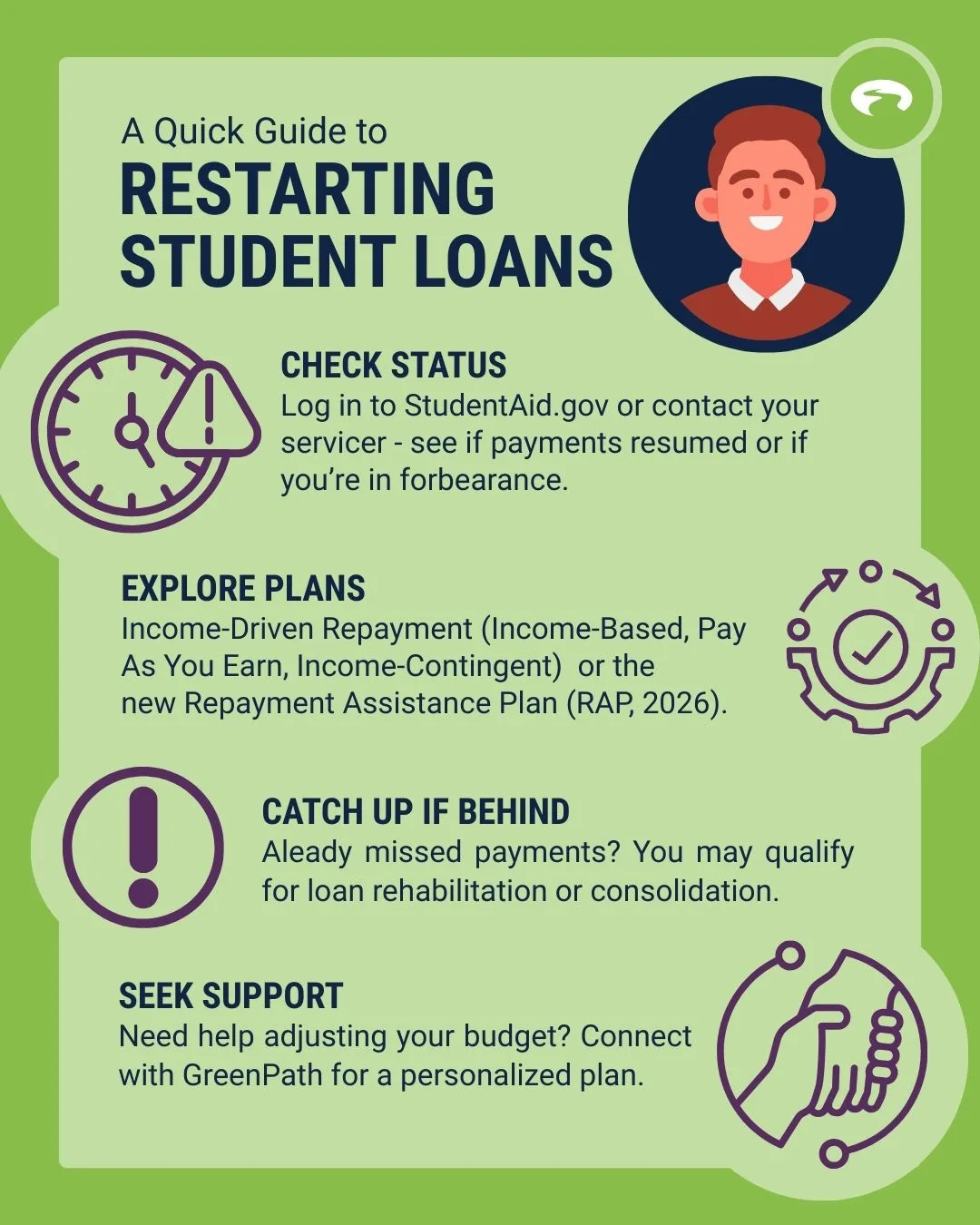
Federal borrowers have access to the “Loan Simulator” tool on StudentAid.gov. This tool pulls your actual loan data and allows you to test different “what-if” scenarios. You can see how your monthly payment would change if you switched to an Income-Driven Repayment (IDR) plan, such as the SAVE plan, or if you made a one-time extra payment of $1,000.
For private loans, various online financial calculators allow you to input your balance and interest rate to see your “effective payoff date.” These tools are essential for budgeting, as they help you visualize exactly how much of your monthly income is being consumed by debt and how much interest you will pay over the life of the loan.
Credit Monitoring and Debt Consolidation
Checking your loans should also involve checking your credit score. Student loans are installment debts, and they play a significant role in your “credit mix” and “length of credit history.” Consistently monitoring your score through tools offered by your bank or third-party services helps you see how your student loan management is impacting your ability to qualify for other financial products, like a mortgage or an auto loan.
If you have multiple loans with varying interest rates, you might consider consolidation or refinancing. Federal consolidation combines several federal loans into one, which can simplify your payments but won’t necessarily lower your interest rate. Private refinancing involves taking out a new loan at a lower interest rate to pay off your old ones. However, be cautious: refinancing federal loans into a private loan means losing federal protections like IDR plans and loan forgiveness.
Strategic Next Steps After Checking Your Loans
Knowledge is only power when it is put into action. After you have successfully checked your student loans and documented the details, you must develop a repayment strategy that aligns with your broader financial goals.
If you find that your monthly payments are unmanageable compared to your income, the data you’ve gathered will allow you to apply for Income-Driven Repayment plans or economic hardship deferments. Conversely, if you have a budget surplus, you can use your knowledge of interest rates to make targeted principal-only payments, which can shave years off your repayment timeline and save you thousands of dollars in interest.
Ultimately, checking your student loans is the first step toward financial sovereignty. By moving from a state of uncertainty to a state of total transparency, you position yourself to manage your debt rather than letting your debt manage you. Whether you are aiming for total elimination of your balance or simply trying to stay afloat, the path forward begins with a clear, honest look at the numbers.
aViewFromTheCave is a participant in the Amazon Services LLC Associates Program, an affiliate advertising program designed to provide a means for sites to earn advertising fees by advertising and linking to Amazon.com. Amazon, the Amazon logo, AmazonSupply, and the AmazonSupply logo are trademarks of Amazon.com, Inc. or its affiliates. As an Amazon Associate we earn affiliate commissions from qualifying purchases.