
In the contemporary financial landscape, the question of where a bank is “located” has evolved from a simple request for a street address into a multi-faceted inquiry about accessibility, digital infrastructure, and global presence. Bank of America, as one of the “Big Four” banking institutions in the United States, maintains a footprint that spans physical branches, a vast ATM network, and a sophisticated digital ecosystem. For the modern consumer, understanding the geography of their financial institution is critical for optimizing cash flow, managing investments, and accessing specialized financial services.
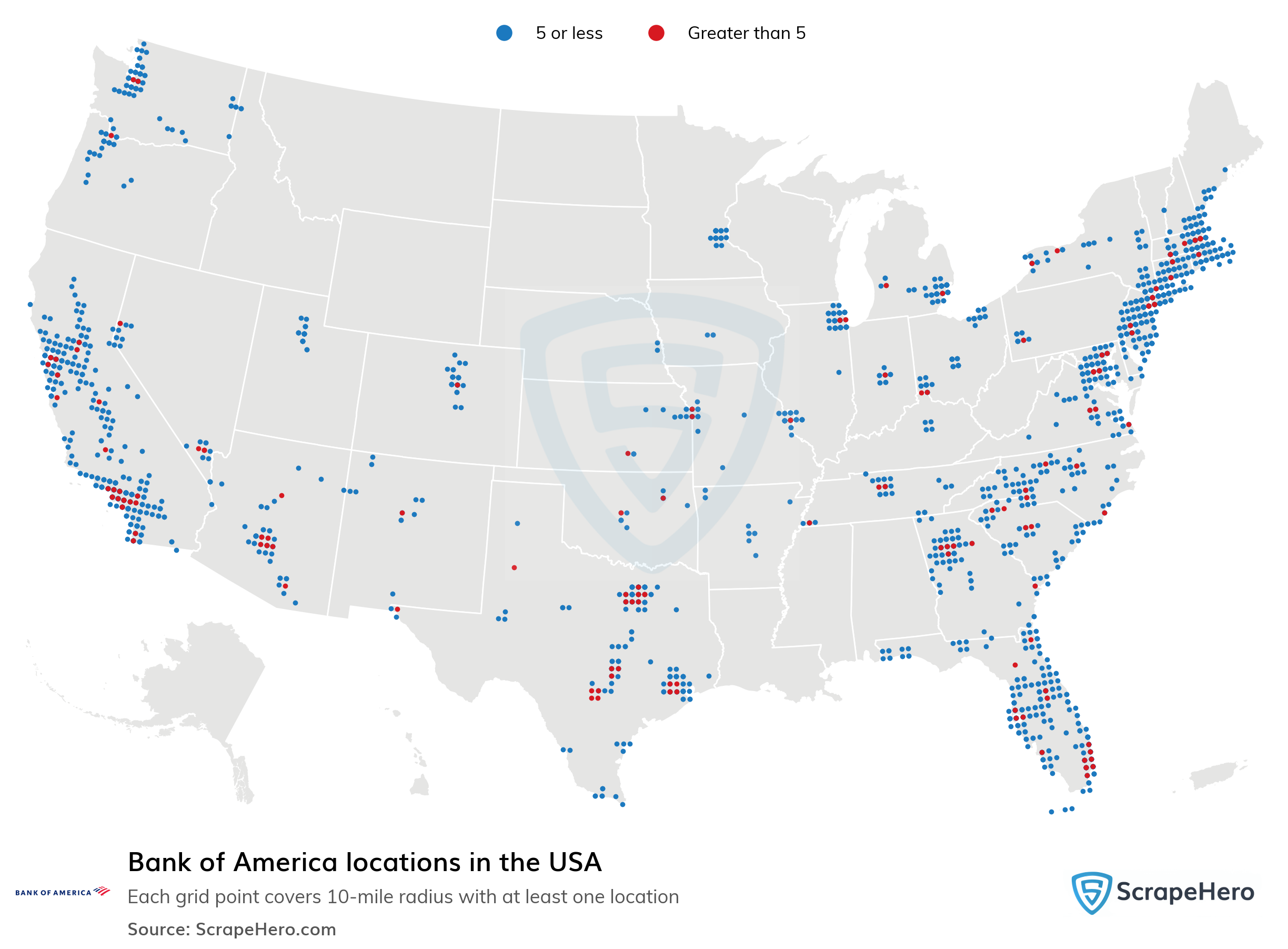
The Physical Network: Retail Centers and ATM Accessibility
While the banking industry has seen a massive shift toward digital-first interactions, the physical presence of Bank of America remains a cornerstone of its service model. As of the current fiscal year, the institution operates approximately 3,800 retail financial centers. These are not merely places to deposit checks; they have been redesigned as hubs for high-level financial consultation.
Regional Domination and Coastal Presence
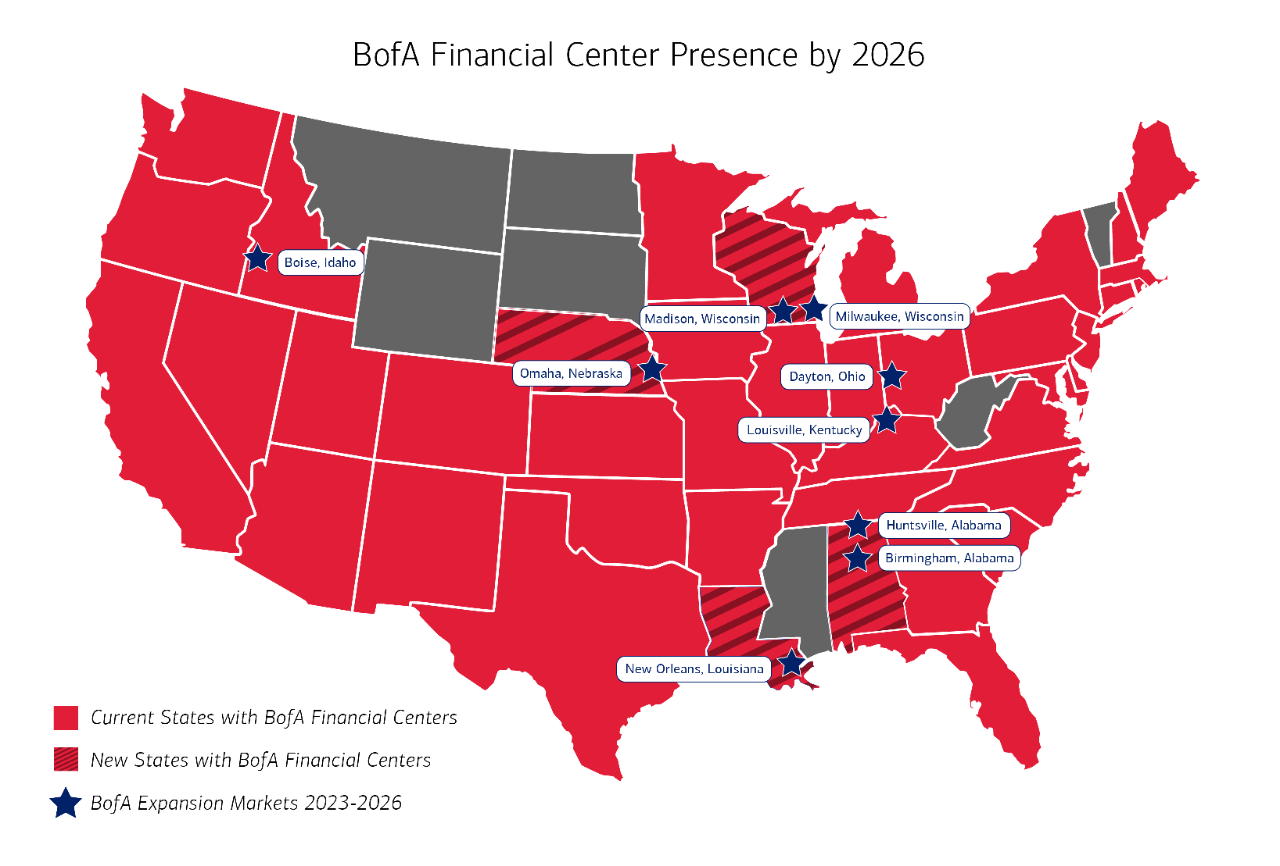
Bank of America’s physical locations are strategically concentrated in high-density economic zones. You will find the highest density of branches in states like California, Florida, Texas, New York, and North Carolina. In these regions, the bank often serves as a primary pillar of the local economy, providing everything from consumer checking accounts to complex commercial lending services.
For residents in major metropolitan areas, a Bank of America location is rarely more than a few miles away. This density is a significant advantage for small business owners who require frequent cash deposits or for individuals who prefer the security and personal touch of in-branch wealth management. However, in more rural or less populated states, the bank’s strategy often shifts toward a heavier reliance on its ATM network and digital tools.
The Transition to Financial Centers
The traditional “bank branch” is becoming a thing of the past. Bank of America has led the charge in transitioning its physical locations into “Financial Centers.” Where a traditional branch focused on teller lines and routine transactions, modern Financial Centers are designed for deeper engagement.
Inside these locations, you will find specialists in home loans, Merrill wealth management, and small business banking. The goal of these locations is to provide a physical space for complex financial planning that cannot always be replicated via a screen. When searching for a location, it is important for consumers to distinguish between a full-service center and a drive-up ATM-only location, as the services offered vary significantly.
The ATM Ecosystem
For many, the most important “location” is the nearest ATM. Bank of America maintains roughly 15,000 ATMs across the country. These machines have evolved beyond simple cash dispensers; they are now sophisticated terminals where customers can deposit checks, pay credit card bills, and even choose the denomination of the bills they receive. The strategic placement of these ATMs in transit hubs, grocery stores, and shopping centers ensures that liquidity is never far away for its account holders.
Digital Banking: The Virtual “Location” in Your Pocket
In the digital age, the most frequent answer to “where is Bank of America located” is: on your smartphone. The bank has invested billions of dollars into its digital transformation, recognizing that the majority of modern banking interactions now occur through a mobile app or a web browser.
Features of the Bank of America Mobile App
The Bank of America mobile app serves as a primary location for millions of users. It offers a comprehensive suite of financial tools that go far beyond basic balance checking. Through the app, users can manage their Merrill investment accounts, monitor their FICO scores, and utilize Zelle for person-to-person payments.
The digital location also provides enhanced security features that a physical branch cannot offer in real-time, such as the ability to “lock” a debit card instantly if it is misplaced or to set up customized alerts for large transactions. This virtual presence allows the bank to be located wherever the customer is, whether they are traveling internationally or sitting in their living room.
Leveraging Erica for Virtual Assistance
A key component of Bank of America’s digital location is “Erica,” an AI-driven virtual financial assistant. Erica represents the bank’s presence in the palm of your hand, providing 24/7 support for a wide array of tasks. Erica can help users track spending habits, identify duplicate charges, and find specific transactions using voice or text commands. This layer of digital interaction has redefined customer service, moving it away from the call center and into an immediate, automated interface that learns and adapts to the user’s financial behavior.
Corporate and Global Infrastructure
Beyond the local branch and the mobile app, Bank of America maintains a massive corporate and international infrastructure. These locations are the engines of the bank’s global strategy, handling investment banking, capital markets, and corporate treasury services.
The Charlotte Hub: Headquarters and Legacy
Bank of America is headquartered in Charlotte, North Carolina. The Bank of America Corporate Center, a defining feature of the Charlotte skyline, serves as the nerve center for the institution’s global operations. While this location is not a retail branch for daily consumer transactions, its presence is vital to the bank’s identity. Charlotte has become the second-largest banking hub in the United States, largely due to Bank of America’s presence there, attracting a wealth of financial talent and driving innovation in financial technology.
International Reach for Wealth and Investment Management
For international clients and American expatriates, the bank’s global locations are essential. Bank of America has a presence in over 35 countries, with significant hubs in London, Hong Kong, Tokyo, and Paris. These locations primarily serve the needs of Global Corporate and Investment Banking (GCIB) and Global Wealth and Investment Management (GWIM).
For the average retail customer, these international locations are not typically accessible for standard checking or savings account needs. Instead, the bank leverages international partnerships and a global ATM network to provide service to travelers. Understanding this distinction is crucial for clients who may expect a full retail experience when seeing a Bank of America logo in a foreign financial district.
Maximizing Your Banking Relationship Through Location Tools
Finding the right Bank of America location requires more than a Google search; it requires an understanding of how to use the bank’s own proprietary tools to match your specific financial needs with the right service point.
Using the Online Locator for Specialized Services
The Bank of America website and mobile app feature a robust “Locator” tool. This tool allows users to filter results based on the specific services they need. For example, if you need a Notary Public, a signature guarantee, or a meeting with a mortgage officer, the locator can filter for centers that have those specific professionals on-site.
This is a critical step in modern personal finance management. Showing up at a small retail branch expecting to discuss a commercial line of credit or a complex trust may lead to frustration. By using the locator tool to book an appointment in advance, customers can ensure they are visiting the specific “location” that houses the expertise required for their financial goals.

Beyond the Branch: Strategic Financial Management
In the broader sense of “Money” and personal finance, the location of your bank should dictate how you manage your liquidity. Because Bank of America has such a widespread presence, it is an ideal choice for individuals who travel frequently within the U.S. or for businesses that operate across state lines.
The integration between physical and digital locations allows for a “hybrid” banking strategy. You can use the digital location for 95% of your needs—such as mobile check deposits, bill pay, and transfers—while reserving physical locations for high-value activities like securing a safe deposit box or finalizing a home loan. This strategic use of the bank’s geography can save time and reduce the fees associated with using out-of-network ATMs or third-party financial services.
Ultimately, Bank of America is located wherever the intersection of technology and human expertise meets the consumer’s needs. Whether it is a towering skyscraper in Charlotte, a neighborhood financial center in a suburban plaza, or the encrypted application on a mobile device, the bank’s “location” is a comprehensive network designed to support every stage of a customer’s financial journey. By understanding how to navigate this network, consumers can better manage their wealth and ensure their capital is always accessible.
aViewFromTheCave is a participant in the Amazon Services LLC Associates Program, an affiliate advertising program designed to provide a means for sites to earn advertising fees by advertising and linking to Amazon.com. Amazon, the Amazon logo, AmazonSupply, and the AmazonSupply logo are trademarks of Amazon.com, Inc. or its affiliates. As an Amazon Associate we earn affiliate commissions from qualifying purchases.