
The dream of travel often begins with a simple question: “How much are flight tickets?” Yet, the answer is rarely simple. Unlike purchasing a fixed-price commodity, airfare operates within a highly dynamic and often opaque pricing structure, making it one of the most unpredictable expenses in personal finance. Understanding the intricacies of flight ticket pricing is crucial for any financially savvy traveler, empowering them to make informed decisions, optimize their budgets, and unlock significant savings. This comprehensive guide delves into the multi-faceted world of airfare, breaking down the factors that influence costs, dissecting the components of a ticket, and offering actionable strategies to navigate its complexities.

The Dynamic Nature of Airfare: Why Prices Fluctuating
The price you see for a flight ticket today might be drastically different tomorrow, or even an hour from now. This constant fluctuation is not random; it’s a sophisticated interplay of economic principles, technological algorithms, and market forces. Deciphering these underlying dynamics is the first step toward mastering the art of affordable air travel.
Supply and Demand Fundamentals
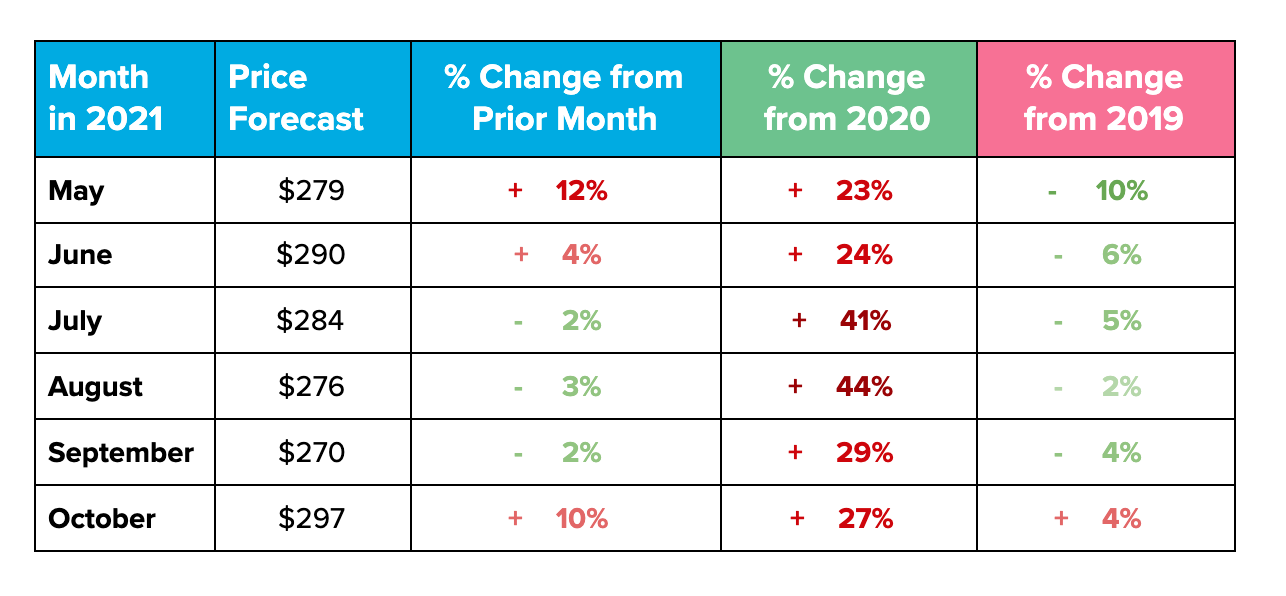
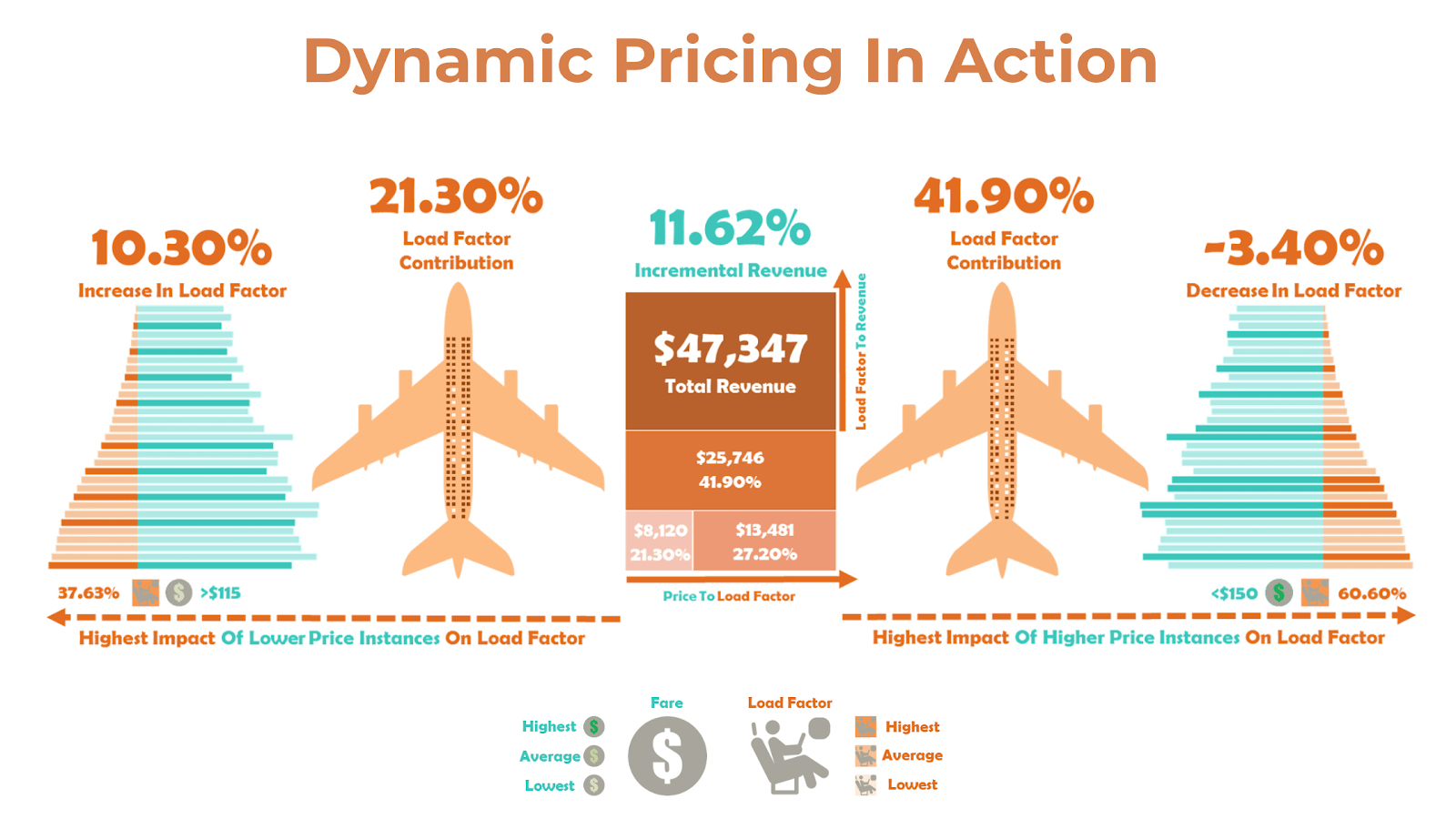
At its core, airfare pricing is a classic example of supply and demand. Airlines have a finite number of seats on any given flight (supply). As a flight approaches its departure date, or as booking interest surges, the available supply diminishes. Concurrently, if a particular route or travel period sees high demand, airlines capitalize on this by raising prices. Conversely, if a flight is undersold, airlines may drop prices to fill seats, preferring to earn something rather than nothing. This dynamic pricing strategy, often managed by complex algorithms, ensures airlines maximize revenue by selling different seats at different prices to different passengers. Early bird travelers might secure a lower fare, while last-minute business travelers, often with less price sensitivity, pay a premium for convenience.
Seasonality and Events
Travel seasons exert a colossal influence on airfare. Peak seasons, such as summer holidays, Christmas, New Year’s, and Spring Break, inherently command higher prices due to overwhelming demand. Families often plan vacations during these periods, and students are off school, creating a surge in travelers. Similarly, major events like international conferences, sporting championships (e.g., the Olympics, World Cup), or cultural festivals in specific destinations can cause prices to skyrocket for flights into and out of those locations during the event dates. Conversely, traveling during the “shoulder seasons” (e.g., late spring/early autumn) or “off-peak” periods can yield substantial savings, as demand naturally tapers off. Understanding these cyclical patterns is fundamental to financial planning for travel.
Fuel Costs and Operational Expenses
Airlines are businesses with significant overheads, and these operational costs directly impact ticket prices. Jet fuel is often one of the largest expenses for an airline, representing a substantial portion of their operating budget. Fluctuations in global oil prices, geopolitical events, and even refining capacity can lead to volatile fuel costs. When fuel prices rise, airlines often pass a portion of these increased expenses onto consumers through higher base fares or specific fuel surcharges. Beyond fuel, airlines incur massive costs for aircraft maintenance, crew salaries, airport landing fees, air traffic control services, insurance, and administrative overheads. These fixed and variable costs must be covered by ticket sales, making them an invisible but ever-present component of the final price.
Airline Business Models
The business model of an airline significantly dictates its pricing strategy. Full-service carriers (often referred to as legacy airlines) typically offer a more comprehensive package, including checked baggage, in-flight meals, entertainment, and seat selection, often bundled into a higher base fare. Their pricing reflects a premium for convenience and an all-inclusive experience. In contrast, low-cost carriers (LCCs) operate on a “unbundled” model. They offer extremely low base fares to attract price-sensitive travelers, but then charge extra for virtually everything else: checked baggage, carry-on bags (beyond a small personal item), seat selection, meals, and even printing boarding passes at the airport. While the initial ticket price might seem appealingly low, the final cost can sometimes rival or even exceed that of a full-service carrier once all desired add-ons are factored in. Understanding these distinct models is crucial for budget-conscious travelers to avoid hidden costs and compare true like-for-like prices.
Decoding the Components of a Flight Ticket Price
When you look at a flight ticket, the single number displayed as the “total” is a mosaic of several distinct charges. To truly understand “how much are flight tickets,” it’s essential to dissect these components and recognize what you’re paying for. This transparency allows for better financial planning and helps in identifying potential areas for savings.
Base Fare
The base fare is the fundamental cost of your seat on the aircraft, representing the airline’s core revenue for transporting you from point A to point B. This is the portion of the ticket price that is most subject to the supply and demand dynamics, seasonality, and competitive pressures discussed earlier. The base fare is what airlines primarily manipulate through their pricing algorithms to react to market conditions. It’s also the component that most directly reflects the airline’s profit margin after accounting for operational costs related to the flight itself. When you see a low advertised price, it’s almost always referring to just the base fare, before taxes and other fees are added.
Taxes and Government Fees
A significant portion of your flight ticket cost is comprised of various taxes and government-imposed fees. These are non-negotiable charges levied by local, national, and international authorities, and they can vary dramatically depending on the departure and arrival airports, the country, and even the type of flight (domestic vs. international). Common examples include:
-
Airport Passenger Service Charges: Fees levied by airports for the use of their facilities.
-
Security Fees: Charges to cover the costs of aviation security measures (e.g., TSA fees in the US).
-
Departure/Arrival Taxes: Fees imposed by a country for passengers departing from or arriving into its territory.
-
Air Passenger Duty (APD): A tax levied on passenger flights departing from certain countries, like the UK.
-
Customs and Immigration Fees: For international travel, these cover the processing costs at borders.
These taxes and fees are typically fixed for a given route and travel class, meaning they don’t fluctuate with demand in the same way the base fare does. They are a mandatory part of the ticket price and contribute significantly to the total cost, especially on international flights.
Carrier-Imposed Fees (Surcharges)
In addition to government taxes, airlines often impose their own surcharges. While these are distinct from government taxes, they are mandatory additions to the base fare and are not typically optional. The most common carrier-imposed fees include:
-
Fuel Surcharges: These were historically introduced to offset volatile fuel costs but have sometimes become a permanent fixture, regardless of current oil prices. They effectively allow airlines to pass on a portion of their fuel expenses directly to the passenger.
-
Security Surcharges: Similar to government security fees, airlines may add their own charges to cover additional security measures they implement.
-
Insurance Surcharges: In some cases, airlines may include a charge to cover their operational insurance costs.
These surcharges are often a point of contention among consumers, as they can sometimes inflate the advertised “low” base fare considerably. It’s important to look at the “total price” breakdown to understand how much these surcharges are contributing.
Ancillary Services and Add-ons
This category represents the “unbundled” services that have become a major revenue stream for airlines, particularly low-cost carriers. While some legacy airlines might include a few of these in their premium fares, for most economy tickets, these are optional extras that you pay for à la carte. They significantly contribute to the final cost of a flight ticket if you choose to add them. Common ancillary services include:
-
Checked Baggage Fees: The most common add-on, with costs varying by airline, destination, and weight/size of the bag.
-
Carry-on Baggage Fees: Increasingly, some budget airlines charge for larger carry-on bags.
-
Seat Selection Fees: Paying extra to choose a window, aisle, or emergency exit row seat.
-
In-flight Meals and Snacks: Beyond basic drinks, most food items must be purchased.
-
Priority Boarding: Paying to board the plane earlier.
-
Wi-Fi Access: Internet connectivity during the flight.
-
Travel Insurance: Often offered as an add-on during the booking process.
For a budget-conscious traveler, meticulously calculating which of these add-ons are truly necessary is critical to managing the overall expenditure. Sometimes, a slightly higher base fare from a full-service airline that includes baggage might be cheaper than a low-cost carrier’s fare plus all the necessary add-ons.
Strategies for Finding More Affordable Flight Tickets
Understanding the “how much” is only half the battle; the other half is learning “how to pay less.” With the complex pricing mechanisms at play, strategic planning and smart booking habits can lead to substantial financial savings on airfare, directly impacting your personal travel budget.
Timing Your Purchase
The adage “timing is everything” holds particularly true for flight tickets. Generally, there’s a sweet spot for booking:
-
International Flights: 2-8 months in advance. Prices tend to be lower when first released and then gradually climb as the flight fills up, reaching their peak in the last few weeks before departure.
-
Domestic Flights: 1-4 months in advance. The window is shorter, but the principle is similar.
-
Best Day to Book: While highly debated, Tuesdays and Wednesdays are often cited as potentially cheaper days to book flights, as airlines may release sales or match competitors after weekend bookings.
-
Best Day to Fly: Tuesdays, Wednesdays, and Saturdays are typically the cheapest days to fly, as business travelers primarily fly on Mondays and Fridays. Flying early mornings or late evenings can also be cheaper.
Avoiding last-minute bookings is almost always a financially sound strategy, as flexibility decreases and demand for remaining seats drives prices up significantly.
Flexibility with Dates and Destinations
One of the most powerful tools for finding cheaper flights is flexibility.
-
Flexible Dates: If your travel dates are not fixed, use flexible search options on comparison websites (e.g., “whole month” view). Shifting your departure or return by just a day or two can sometimes halve the price. Traveling during the shoulder seasons or off-peak months will almost invariably be cheaper than peak periods.
-
Flexible Destinations: If you’re open to exploring different places, search for “everywhere” or “cheapest flights to Europe” on various platforms. This allows you to discover destinations that are currently offering lower fares due to less demand or airline promotions. Being open to a different adventure can lead to significant savings.
Utilizing Price Comparison Tools and Alerts
Technology has become an indispensable ally in the quest for affordable flights.
-
Flight Comparison Websites: Platforms like Google Flights, Skyscanner, Kayak, and Momondo aggregate prices from various airlines and online travel agencies (OTAs), allowing you to compare options quickly. Remember to check direct airline websites too, as they sometimes offer exclusive deals not found elsewhere.
-
Price Alerts: Most comparison websites offer a “price alert” feature. You can set up alerts for specific routes and dates, and you’ll receive email notifications when the price drops or changes. This saves you the hassle of constantly checking and ensures you can pounce on a good deal when it appears.
-
Incognito Mode/Clear Cookies: While the impact is debated, some travelers suggest browsing for flights in incognito or private browsing mode, or clearing browser cookies, to potentially prevent websites from tracking your searches and inflating prices based on repeated interest.
Considering Alternative Airports and Layover Flights
Expanding your search parameters beyond the most obvious choices can often lead to substantial savings.
-
Alternative Airports: Many major cities are served by multiple airports. Flying into or out of a smaller, secondary airport (e.g., London Stansted instead of Heathrow, or Newark instead of JFK) can sometimes be significantly cheaper. While you might incur slightly higher ground transportation costs, the overall saving can still be worthwhile.
-
Layover Flights: Direct flights are convenient but often carry a premium. Flights with one or more layovers are almost always cheaper. If you have time and don’t mind the extra travel duration, opting for a connecting flight can save you a considerable amount of money, making it a sound financial choice for budget travelers. Ensure the layover time is sufficient to avoid missed connections.
Loyalty Programs and Credit Card Rewards
For frequent flyers, leveraging loyalty programs and travel credit cards can turn regular spending into free or heavily discounted flights.
-
Airline Loyalty Programs: Joining an airline’s frequent flyer program allows you to earn miles or points with every flight. These points can then be redeemed for future flights, upgrades, or other travel perks. Earning elite status can also unlock benefits like free checked bags, lounge access, and priority boarding, which translate to direct financial savings.
-
Travel Credit Cards: Many credit cards offer generous sign-up bonuses in miles or points, along with ongoing rewards for everyday spending. These points can often be transferred to airline partners or redeemed directly for travel. Choosing a card with travel-specific benefits like no foreign transaction fees, travel insurance, or lounge access further enhances their financial value for travelers. It’s crucial to use these cards responsibly and pay off balances in full to avoid interest charges, which would negate any travel rewards.
The Future of Flight Pricing and Consumer Empowerment
The landscape of airfare pricing is continually evolving, driven by technological advancements and shifting consumer expectations. Understanding these emerging trends is vital for maintaining financial agility in the travel sector.
AI and Predictive Analytics
Airlines are increasingly leveraging artificial intelligence (AI) and machine learning algorithms to fine-tune their dynamic pricing strategies. These AI tools can process vast amounts of data—historical booking patterns, competitor pricing, weather forecasts, social media sentiment, local events, and even individual user browsing habits—to predict demand and optimize pricing in real-time. This means prices can change even more frequently and subtly. For consumers, this emphasizes the importance of using smart search tools that also employ AI to predict optimal booking times and alert users to the best deals. The future will likely see even more personalized pricing, where individual travelers might see different prices based on their historical travel patterns or perceived price sensitivity.
Subscription Models and Bundling
New models for purchasing air travel are also on the horizon. Some airlines are experimenting with subscription services, where travelers pay a monthly or annual fee for unlimited (or discounted) flights on specific routes or within a certain region. While still niche, these models could offer significant savings for very frequent flyers. Additionally, the trend of “bundling” services (e.g., offering different fare “tiers” like Basic Economy, Economy, Economy Plus, each with varying inclusions for baggage, seat selection, and flexibility) will continue to refine, offering travelers more choices but also requiring more careful financial comparison. Travelers will need to become adept at evaluating the true value of these bundles versus purchasing services à la carte.
The Importance of Financial Literacy for Travelers
Ultimately, navigating the complexities of flight ticket pricing boils down to robust financial literacy. For travelers, this means more than just finding the cheapest fare; it involves:
-
Budgeting: Clearly defining how much you can afford to spend on flights as part of your overall travel budget.
-
Understanding Value: Recognizing that the lowest base fare isn’t always the cheapest total cost once all necessary add-ons are considered.
-
Risk Assessment: Deciding if the savings from a restrictive non-refundable fare are worth the lack of flexibility.
-
Leveraging Financial Tools: Effectively using credit card rewards, loyalty points, and comparison websites.
-
Proactive Planning: Recognizing peak seasons and booking well in advance to avoid price surges.
In a world where flight tickets are a major expense for many, empowering oneself with this financial knowledge is not just about saving money; it’s about making travel more accessible, more enjoyable, and ultimately, a more financially sustainable pursuit. The question “How much are flight tickets?” will always have a complex answer, but with the right strategies and understanding, you can ensure that answer is as favorable to your wallet as possible.
aViewFromTheCave is a participant in the Amazon Services LLC Associates Program, an affiliate advertising program designed to provide a means for sites to earn advertising fees by advertising and linking to Amazon.com. Amazon, the Amazon logo, AmazonSupply, and the AmazonSupply logo are trademarks of Amazon.com, Inc. or its affiliates. As an Amazon Associate we earn affiliate commissions from qualifying purchases.