
Navigating the labyrinthine world of IRS payments can often feel like a daunting task, particularly when it comes to the seemingly straightforward act of mailing a payment. In an age dominated by digital transactions, the Internal Revenue Service still processes millions of mailed checks and money orders annually. However, simply addressing an envelope to “the IRS” is an open invitation for delays, misapplications, or even lost payments. The critical detail lies in knowing the exact mailing address, which can vary significantly based on the type of tax form you’re filing, whether you’re sending a payment with a return or a separate voucher, and even your geographic location.
This guide aims to demystify the process, providing a professional and insightful overview of where to mail your IRS payments, the various methods available, and crucial best practices to ensure your payment reaches its intended destination securely and on time. For individuals, businesses, and tax professionals alike, understanding these nuances is not just about compliance; it’s about financial prudence and peace of mind.
Understanding the Nuances of IRS Payment Addresses
The IRS operates a complex network of processing centers, and each center is typically responsible for specific forms or types of payments from particular regions. This decentralization necessitates careful attention to detail when addressing your envelope. Sending your payment to the wrong address can lead to significant processing delays, potential penalties, and unnecessary stress.
The Critical Role of Your Form and State of Residence
The primary determinants for your correct mailing address are the specific tax form you are filing and your state of residence. For instance, the address for mailing a Form 1040 (U.S. Individual Income Tax Return) with a payment will differ depending on your state. The IRS provides specific tables for these addresses within the instructions for each tax form.
- Form 1040 Series (Individual Income Tax Returns): If you are sending a payment along with your Form 1040, 1040-SR, 1040-NR, or 1040-PR, the instructions for that specific form will contain a chart detailing the correct mailing address based on your state. It’s crucial to consult the instructions for the current tax year, as addresses can occasionally change.
- Business Tax Forms (e.g., Form 1120, Form 1065, Form 941): Corporations (Form 1120), partnerships (Form 1065), and employers filing quarterly payroll taxes (Form 941) also have specific mailing addresses. These, too, are typically determined by the entity’s state of incorporation or principal place of business, and the type of form being submitted. Always refer to the specific form’s instructions for the most accurate information.
Payments Without a Return: Estimated Taxes and Underpayments
Sometimes, you need to make a payment to the IRS without attaching it to a full tax return. This commonly occurs with estimated tax payments or when paying an assessed deficiency.
- Estimated Tax Payments (Form 1040-ES): Individuals who expect to owe at least $1,000 in tax for the year, typically self-employed individuals or those with significant income not subject to withholding, must make estimated tax payments throughout the year. When mailing an estimated payment, you generally use Form 1040-ES, Estimated Tax for Individuals. The payment voucher included with Form 1040-ES has pre-printed addresses based on your state of residence, distinct from those used for your annual return. It’s imperative to use the correct voucher for each payment period (e.g., Q1, Q2, Q3, Q4) and mail it to the address specified on the voucher for your state.
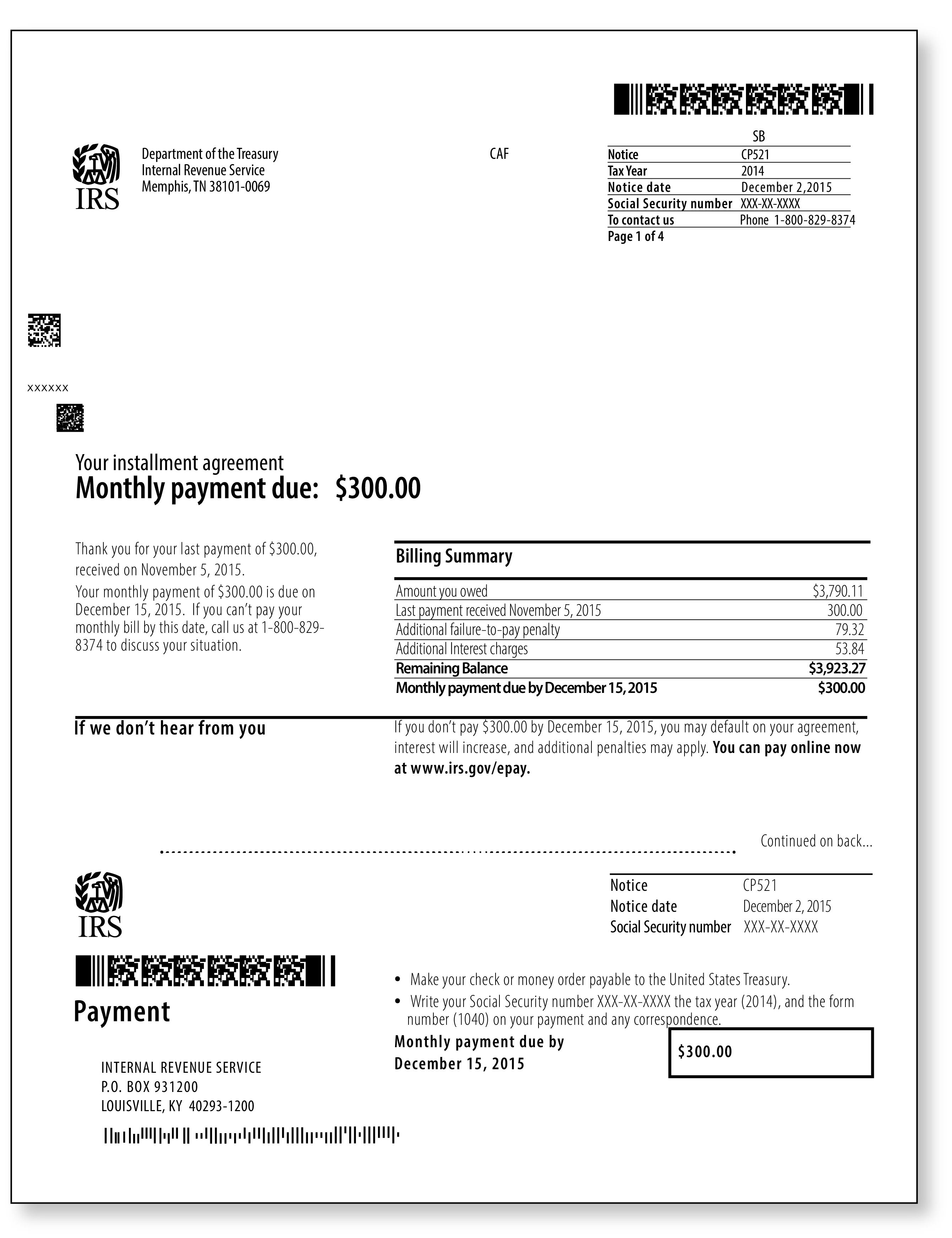
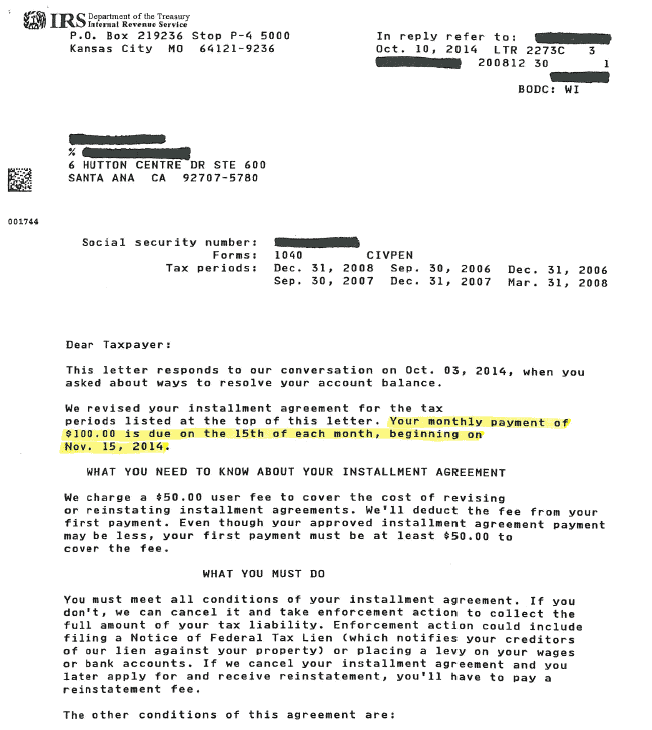
- Other Payments Without a Return: If you’re responding to an IRS notice and need to send a payment, or making a payment for an underpayment, the notice itself will usually specify the correct mailing address. Always use the payment voucher provided with the notice if one is included, as it will contain the specific address for that type of payment.
Special Cases: International Filers and Specific Forms
Certain situations demand even more specific attention to mailing addresses:
- International Filers: U.S. citizens or resident aliens living abroad, or non-resident aliens with U.S. source income, often have dedicated IRS mailing addresses. These are typically centralized to a single processing center, regardless of the filer’s last known U.S. address.
- Specific Program Forms: Some niche forms related to specific tax programs, like excise taxes or certain trust fund payments, might have unique mailing addresses. Always double-check the instructions for these specialized forms.
Navigating Payment Methods Beyond Traditional Mail
While mailing a check or money order remains a viable option, the IRS has significantly expanded its digital payment ecosystem. These electronic methods often offer greater speed, security, and convenience, potentially reducing the risk of lost payments or missed deadlines associated with postal transit times.
The Convenience of IRS Direct Pay
IRS Direct Pay is arguably the most straightforward and cost-effective electronic payment option for individuals. It allows you to pay your tax bill or estimated taxes directly from your checking or savings account, without any fees or registration.
- How it works: You can access IRS Direct Pay via the IRS website. You’ll need to verify your identity using information from a prior tax return. You can then schedule payments up to 365 days in advance.
- Benefits: No fees, no registration, instant confirmation, and the ability to schedule payments. It eliminates the need for checks, envelopes, and postage, and significantly reduces the risk of human error in addressing.
- Ideal for: Individual income tax payments (Form 1040, 1040-ES), payments for notices, and general tax obligations.
Third-Party Payment Processors: Credit Cards, Debit Cards, and Digital Wallets
For those who prefer the flexibility of credit or debit cards, or specific digital wallets, the IRS partners with several third-party payment processors.
- How it works: You select a processor from the IRS website (e.g., PayUSAtax, ACI Payments, Inc., WorldPay), and pay through their secure portal. They process the payment and forward it to the IRS.
- Fees: Be aware that these services charge a processing fee, which varies depending on the processor and the type of card used (credit cards typically incur higher fees than debit cards).
- Benefits: Earn credit card rewards, manage cash flow, and immediate payment confirmation.
- Ideal for: Individuals and businesses who want to leverage credit card benefits or need to make a payment quickly without using a bank account.
Electronic Federal Tax Payment System (EFTPS): A Must for Businesses
The Electronic Federal Tax Payment System (EFTPS) is the cornerstone of electronic tax payments for businesses and certain individuals. It’s a free service provided by the U.S. Department of the Treasury.
- Who must use it: Most businesses are required to use EFTPS for federal tax deposits, including employment taxes, corporate income taxes, and excise taxes. Individuals who make estimated tax payments can also enroll.
- How it works: You must enroll in EFTPS, which takes a few weeks to complete as your PIN will be mailed to you. Once enrolled, you can schedule payments securely from your bank account.
- Benefits: Secure, free, widely accepted for various federal taxes, and offers payment history. Mandatory for most businesses, ensuring compliance.
- Ideal for: All businesses, payroll service providers, and individuals who prefer a robust and comprehensive electronic payment system for their federal taxes.
Ensuring Your Mailed Payment Reaches Its Destination
Despite the rise of digital options, mailing a payment remains a necessity or preference for many. When you opt for this method, precision and careful execution are paramount to avoid errors that could lead to penalties or misapplication.
Essential Tips for Preparing Your Check or Money Order
The physical check or money order itself needs to be correctly filled out to ensure proper processing.
- Payable To: Always make your check or money order payable to the “U.S. Treasury.” Do not make it out to “IRS” or “Internal Revenue Service.”
- Memo Line: On the memo line of your check, include three critical pieces of information:
- Your Social Security Number (SSN) or Employer Identification Number (EIN). If it’s a joint return, use the SSN of the first person listed on the return.
- The tax year for which the payment is being made (e.g., “2023 Tax”).
- The relevant tax form number (e.g., “Form 1040,” “Form 1040-ES,” “Form 941”).
- No Staples or Paperclips: Do not staple your check to your return or payment voucher. Simply enclose it loosely with the appropriate form or voucher.
- Accuracy: Double-check the written and numerical amounts on your check to ensure they match exactly.
Best Practices for Addressing and Sending Your Payment
Even with a correctly prepared check, the mailing process itself requires diligence.
- Use the Correct Address: As discussed, this is the most critical step. Consult the current year’s instructions for your specific form and state of residence. The IRS website (IRS.gov) is the definitive source for current mailing addresses.
- Include the Payment Voucher: If you are making a payment with your return, be sure to include the corresponding payment voucher (e.g., Form 1040-V). If you are sending an estimated payment, use the appropriate Form 1040-ES voucher. This voucher contains a scannable barcode and your taxpayer identification information, which helps the IRS correctly apply your payment.
- Use Sufficient Postage: Ensure your envelope has adequate postage. Undelivered mail due to insufficient postage will cause delays.
- Consider Certified Mail: For added security and proof of mailing, especially for larger payments or those near a deadline, consider using certified mail with a return receipt. This provides a legal record of when you mailed your payment and when it was received by the IRS.
- Keep Records: Always make a copy of your check or money order and the completed payment voucher/return before mailing. Keep these records with your tax files.
Record Keeping: Your Defense Against Disputes
Diligent record keeping is your first line of defense if there’s ever a dispute or question about your payment.
- Copies of Everything: Retain copies of the tax return, all schedules, the payment voucher, and the front and back of your cancelled check (once it clears your bank).
- Proof of Mailing: If you used certified mail, keep the receipt and the green return card. For electronic payments, print or save the confirmation number and payment details.
- Bank Statements: Regularly review your bank statements to confirm that your payment has been debited.
Common Pitfalls and How to Avoid Them
Even with the best intentions, mistakes can happen. Being aware of common pitfalls can help you avoid them and maintain a smooth relationship with the IRS.
Mismatched Addresses and Incorrect Forms
The most frequent error is sending a payment to the wrong address or with the wrong form. This can lead to payments being processed late, misapplied, or even returned to you.
- Avoidance: Always refer to the current year’s IRS instructions for the specific form you are filing. Do not rely on old addresses or general online searches without cross-referencing. Use the official IRS website as your primary source.
Missed Deadlines and Associated Penalties
Late payments can incur significant penalties and interest. The IRS operates strictly on deadlines.
- Avoidance: Plan ahead. Do not wait until the last minute to mail your payment, especially if you’re relying on postal services, which can experience delays. Consider using electronic payment options like IRS Direct Pay or EFTPS, which offer immediate confirmation and can be scheduled in advance, reducing the stress of a deadline. If you cannot pay the full amount by the deadline, pay what you can to minimize penalties, and then explore payment plans or offers in compromise with the IRS.
What to Do If Your Payment Is Lost or Delayed
Despite best efforts, payments can sometimes get lost in transit or take an unusually long time to process.
- Check Your Bank Account: First, verify if the check has been cashed. If it hasn’t, the payment may indeed be lost.
- Contact Your Bank: If your check hasn’t cleared after a reasonable period (e.g., 2-4 weeks), you might consider placing a stop payment order to prevent fraudulent cashing, though some banks charge a fee for this.
- Contact the IRS: If the payment hasn’t cleared, or if you receive a notice from the IRS about an unpaid balance that you believe you paid, contact them immediately. Have all your records (copy of check, mailing date, certified mail receipts) ready.
- Consider a New Payment: If it’s clear the original payment is lost, you may need to send a new payment to avoid further penalties. If the original payment later surfaces and is cashed, you’ll need to work with the IRS to resolve the overpayment.
Making Informed Decisions for Your Tax Obligations
Successfully managing your IRS payments is a cornerstone of responsible financial stewardship. While the traditional method of mailing a payment remains available, the IRS has diversified its offerings to include several secure and efficient electronic options. These digital pathways often provide greater speed, traceability, and convenience, significantly reducing the potential for error and delay inherent in postal services.
Whether you choose to mail a physical check or opt for an electronic payment method, the underlying principle remains the same: accuracy, timely action, and meticulous record-keeping are your best allies. By understanding the specific requirements for your tax situation, leveraging the tools available, and adhering to best practices, you can confidently fulfill your tax obligations, avoid unnecessary stress, and maintain a clear financial standing with the IRS. Always consult the official IRS website or a qualified tax professional for the most current and personalized advice.
aViewFromTheCave is a participant in the Amazon Services LLC Associates Program, an affiliate advertising program designed to provide a means for sites to earn advertising fees by advertising and linking to Amazon.com. Amazon, the Amazon logo, AmazonSupply, and the AmazonSupply logo are trademarks of Amazon.com, Inc. or its affiliates. As an Amazon Associate we earn affiliate commissions from qualifying purchases.