
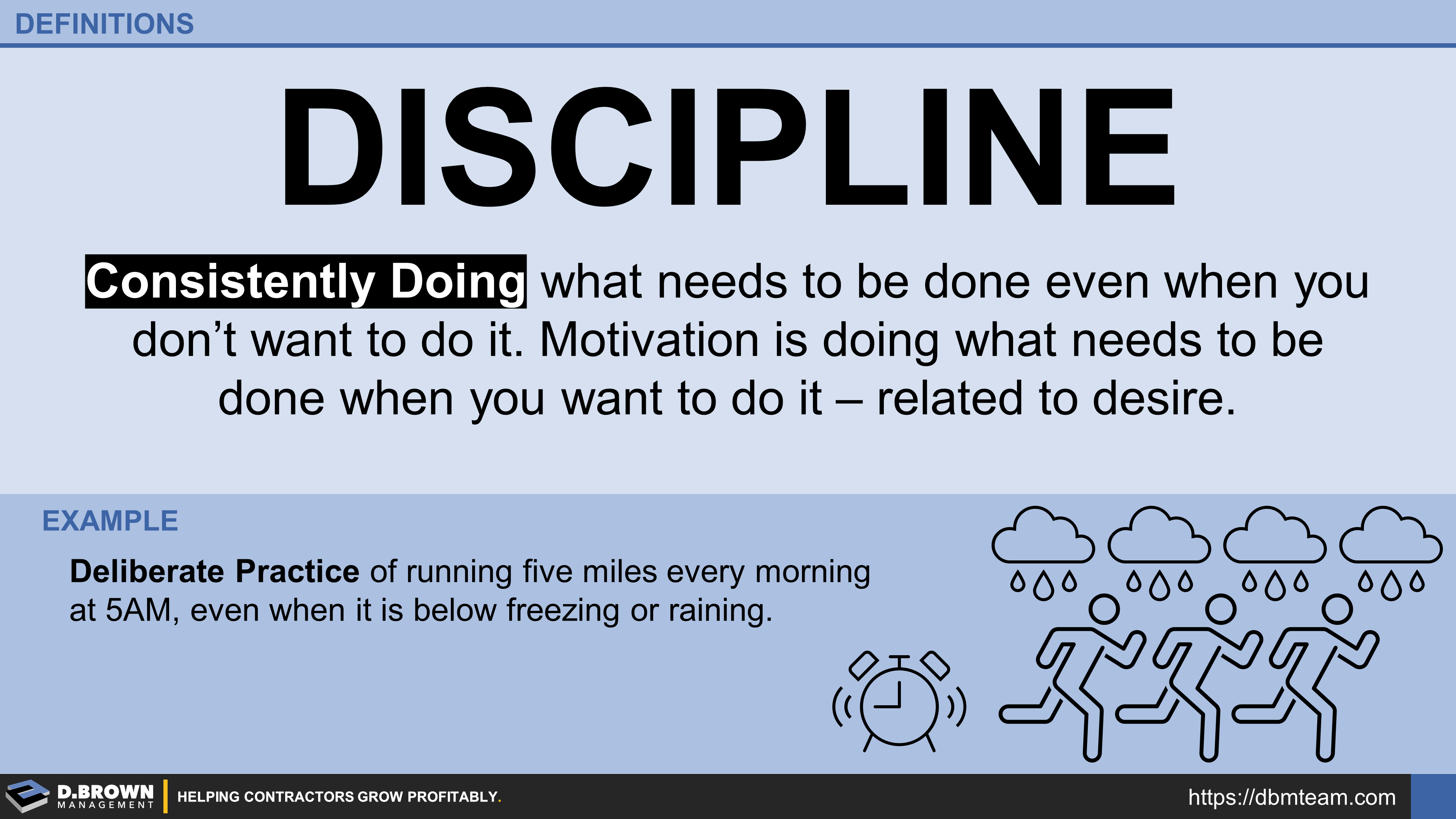
Discipline is frequently misunderstood in the modern professional landscape. In the context of personal branding and corporate strategy, discipline is not merely the ability to follow rules or complete tasks; it is the strategic alignment of daily actions with long-term brand equity. When we discuss discipline as a pillar of professional development, we are talking about the consistency of voice, the integrity of the product promise, and the relentless pursuit of market positioning. Without this internal framework, a brand becomes a reactive entity—subject to the whims of fleeting trends rather than the architect of its own industry narrative.
The Foundation of Brand Integrity
Brand integrity is the bedrock upon which trust is built. In a saturated market, consumers possess a high degree of sensitivity to inauthenticity. Discipline acts as the filter that ensures every touchpoint—from social media captions to high-level corporate communications—remains tethered to the brand’s core mission.
The Role of Consistent Messaging
Consistency is the most underestimated asset in marketing. Many organizations fall into the trap of “pivot fatigue,” where they alter their messaging to capture every new demographic or capitalize on every trending conversation. This lack of discipline dilutes the brand’s identity. True professional discipline involves the courage to say “no” to opportunities that do not align with the established brand persona. When you define who you are, you must also define who you are not. By maintaining a uniform tone, aesthetic, and value proposition, you create a recognizable signal that pierces through the noise of the digital marketplace.
Building Trust Through Reliability
Reliability is the tangible output of internal discipline. Whether you are a solo entrepreneur building a personal brand or a global corporation, your audience needs to know what to expect from you. When an entity consistently delivers on its promises, it builds a reputation for reliability. This reputation is a form of currency. Over time, that currency compounds, allowing the brand to command premium pricing and higher loyalty. Discipline is the process of ensuring that every internal workflow, product update, and client interaction reflects the brand’s promise, regardless of external market pressure.
Strategic Execution and Brand Longevity
A brand strategy is only as effective as the discipline applied to its execution. Many strategies fail not because they are inherently flawed, but because they lack the sustained rigor required for implementation. In the world of branding, long-term success is rarely the result of a single viral moment; it is the cumulative effect of disciplined, incremental progress.
The Myth of the Overnight Success
The marketplace is filled with stories of “overnight successes,” but these narratives often ignore the years of disciplined iteration that preceded them. For a brand to achieve longevity, it must prioritize systemic growth over short-term hacks. This requires a disciplined approach to data analysis and feedback loops. Instead of chasing vanity metrics, a disciplined brand focuses on KPIs that indicate deep market penetration and genuine customer engagement. This means resisting the urge to overhaul your visual identity every season and instead focusing on deepening the emotional connection your brand has with its target audience.

Iterative Improvement vs. Brand Drift
There is a fine line between innovation and brand drift. Innovation is the disciplined evolution of your core offering. Brand drift, by contrast, is the aimless wandering away from your established identity. To remain disciplined, leaders must audit their brand frequently. Ask yourself: does this new project, partnership, or campaign strengthen our position, or does it confuse our audience? If the answer is the latter, it is a sign of declining discipline. By maintaining a tight focus, brands can iterate within their specific lane, becoming the undisputed authorities in their niche rather than mediocre players in many.
Cultivating a Culture of Discipline
Discipline is not just a strategic imperative; it is a cultural one. A brand is a reflection of the people who build it. If the culture lacks the discipline to uphold quality standards, the external brand identity will inevitably crumble.
Aligning Team Values with Brand Vision
Every employee, from the executive suite to the front-line support staff, is a brand ambassador. When a team operates with a shared sense of discipline, the brand’s message is amplified. This begins with recruitment and onboarding. By clearly communicating the brand’s standards and the expectation of discipline, you create an environment where excellence is the default, not the exception. A disciplined culture is one where team members take ownership of the brand’s reputation. When an employee understands that their specific task—no matter how small—contributes to the overarching market position, they are more likely to execute with the necessary precision.
The Power of Systems and SOPs
Human willpower is a finite resource. To maintain high levels of brand discipline, you cannot rely solely on the motivation of your team. You must build systems. Standard Operating Procedures (SOPs) are the tools of discipline. They translate the abstract concept of a “brand voice” into concrete, actionable steps. When your team has a clear framework to follow, they are freed from the cognitive load of decision-making and can focus their energy on high-value creative tasks. A system-driven brand is a resilient brand; it can weather leadership changes and market shifts because the structural integrity of its identity is baked into its processes.
Discipline as a Competitive Advantage
In an era where technology has lowered the barrier to entry for almost every industry, differentiation is harder than ever. Most businesses are doing the same thing, using the same tools, and targeting the same customers. In this environment, discipline becomes your greatest competitive advantage.
Outlasting the Competition
Competitors will often come and go, fueled by venture capital or temporary trends. Many of these entities lack the foundational discipline to survive when the market turns or when the initial hype fades. By remaining disciplined in your cost structures, your marketing spend, and your commitment to your core product, you ensure that you are built to last. While others scramble to pivot or cut costs, your brand remains a steady presence. This consistency builds a barrier to entry that is almost impossible for competitors to replicate. They can copy your products, and they can mimic your marketing, but they cannot easily replicate the institutional discipline that allows you to show up, day after day, with excellence.

Scaling Without Losing Identity
The greatest test of discipline is growth. As a brand scales, the pressure to compromise values for the sake of volume increases exponentially. It is at this stage that many brands lose their soul. Maintaining discipline during a period of rapid expansion requires a rigid commitment to your original mission. It involves documenting your processes, investing in your culture, and being willing to sacrifice short-term gains to protect the long-term value of your brand equity. True discipline is the ability to grow the scope of your influence without widening the gap between your public perception and your internal reality.
In conclusion, discipline is the silent engine of every great brand. It is the bridge between a vision and its manifestation in the marketplace. It is the choice to stay the course when the temptation to deviate is at its highest, and the commitment to excellence when nobody is watching. If you want to build a brand that resonates, endures, and leads, you must first master the discipline of being exactly who you said you would be.
aViewFromTheCave is a participant in the Amazon Services LLC Associates Program, an affiliate advertising program designed to provide a means for sites to earn advertising fees by advertising and linking to Amazon.com. Amazon, the Amazon logo, AmazonSupply, and the AmazonSupply logo are trademarks of Amazon.com, Inc. or its affiliates. As an Amazon Associate we earn affiliate commissions from qualifying purchases.