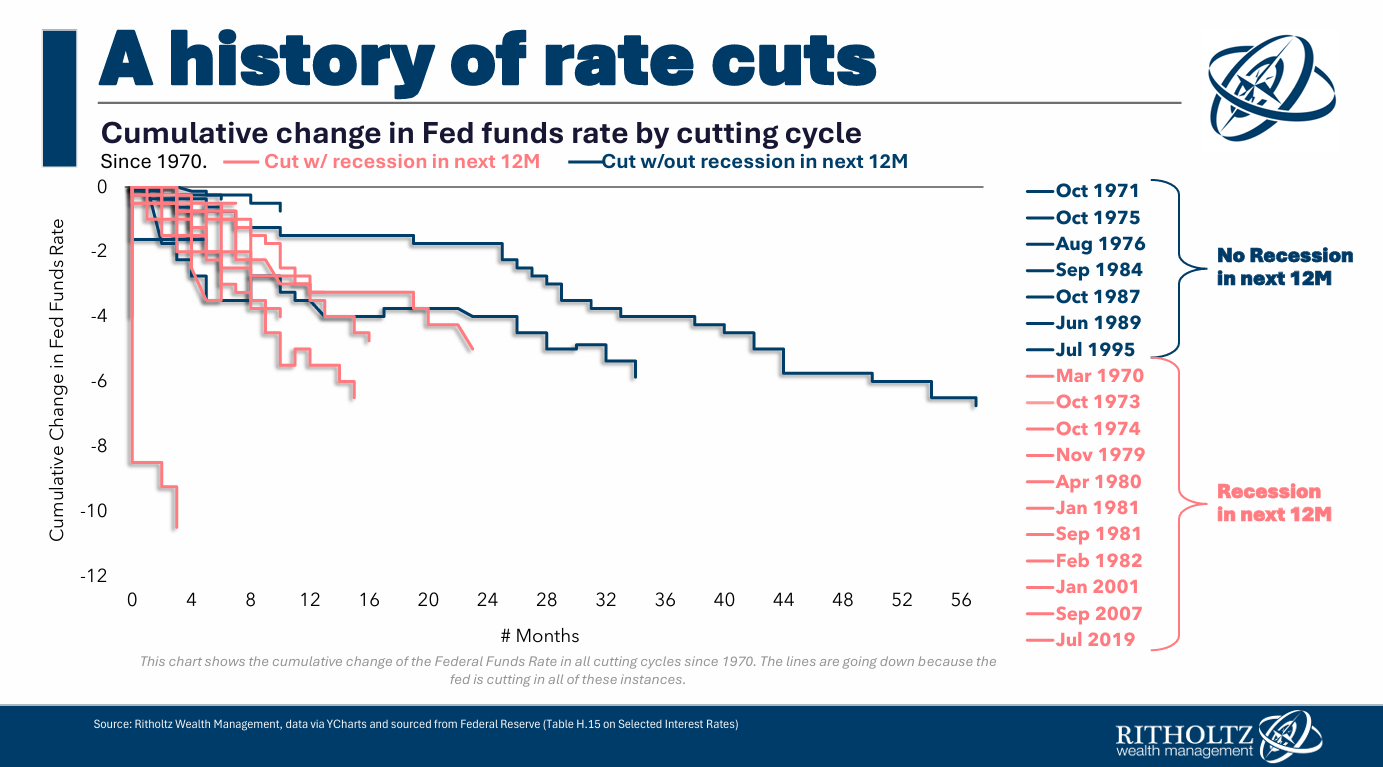
When the Federal Reserve announces a decision to cut the federal funds rate, the ripples are felt across every corner of the global economy. From the interest rate on your credit card to the growth projections of Fortune 500 companies, the central bank’s policy stance serves as the primary dial controlling the speed of financial activity. Understanding these mechanics is essential for any investor or individual looking to navigate the shifting currents of personal and business finance.
The Mechanics of a Rate Cut
At its core, the Federal Reserve’s “federal funds rate” is the interest rate at which commercial banks lend to one another overnight. While the Fed does not set the interest rates for your mortgage or auto loan directly, its target rate acts as a benchmark. When the Fed cuts rates, it lowers the cost of borrowing for banks, which then cascades down to businesses and consumers.
Expanding the Money Supply
A rate cut is a form of “expansionary monetary policy.” By lowering the cost of capital, the Fed encourages banks to lend more freely. As credit becomes cheaper, businesses are more likely to take out loans to expand operations, purchase equipment, or hire staff. Similarly, consumers are more inclined to finance large purchases like homes and vehicles. This influx of capital into the economy is designed to stimulate growth, particularly during periods where the economy is sluggish or teetering on the edge of a recession.
Signaling and Market Sentiment
Beyond the math of lower interest payments, a rate cut serves as a powerful psychological signal. It tells the market that the Federal Reserve is concerned about economic momentum and is willing to act as a backstop. This often leads to a rise in equity markets, as investors anticipate increased corporate earnings resulting from cheaper debt servicing and higher consumer spending. However, the market’s reaction also depends on why the cut is happening: is it a proactive adjustment to maintain growth, or a desperate response to a looming crisis?
The Direct Impact on Your Personal Portfolio
For individual investors and savers, a Fed rate cut changes the landscape of risk and reward. Strategies that worked in a high-interest-rate environment may suddenly underperform, requiring a recalibration of your financial roadmap.
Fixed-Income Securities and Bonds
When interest rates fall, the value of existing bonds with higher coupons generally rises. Because new bonds are issued at lower rates, older bonds that pay more become more attractive to investors, driving up their market price. If you hold a portfolio of bonds, you may see an immediate appreciation in value. Conversely, for those who rely on high-yield savings accounts or Certificates of Deposit (CDs), a rate cut is bad news. Banks will quickly lower the Annual Percentage Yield (APY) on these instruments, reducing the passive income generated by “safe” cash holdings.
Mortgage Refinancing and Debt Management
The most immediate relief for homeowners typically comes in the form of lower mortgage rates. If the Fed cuts the federal funds rate, the yield on the 10-year Treasury note—which historically tracks closely with 30-year fixed-rate mortgages—often declines. This creates a window of opportunity for homeowners to refinance existing high-interest debt, freeing up monthly cash flow. However, the timing is critical; banks and lenders are quick to adjust rates downward, but they are also quick to tighten lending standards if the rate cut is triggered by economic instability.
Equity Market Volatility
Equities generally respond favorably to lower rates because the “cost of equity” decreases and the discounted present value of future cash flows increases. Growth stocks—particularly those in technology and sectors that rely heavily on debt to fund research and development—tend to outperform in a falling-rate environment. Yet, investors must remain cautious. If the Fed cuts rates because it fears a sharp economic contraction, the negative impact on corporate earnings could outweigh the benefits of cheaper borrowing, leading to market volatility.

Implications for Business Finance and Corporate Strategy
For corporations, a rate cut is a significant lever that influences everything from capital expenditure to stock buyback programs. CFOs and business leaders closely monitor the Fed’s “dot plot” to determine when to issue new corporate debt or restructure existing liabilities.
Lowering the Cost of Capital
For highly leveraged companies, a rate cut is a lifeline. By refinancing debt at lower interest rates, these companies can significantly improve their net income margins. This creates a “tailwind” for profitability, which is often reflected in share prices. Conversely, businesses with cash-heavy balance sheets may see their interest income diminish, shifting the focus toward aggressive growth and reinvestment rather than relying on the “risk-free” yield of cash equivalents.
The Impact on Capital Expenditure (CapEx)
When the cost of borrowing drops, the “hurdle rate”—the minimum return a project must generate to be considered viable—also drops. Projects that were once considered too expensive or risky under high-interest regimes suddenly become profitable. This leads to an increase in capital expenditure, as businesses invest in new technology, infrastructure, and human capital. This cycle of investment is the primary engine of long-term economic expansion intended by the Fed.
Managing Corporate Debt Structures
Smart businesses use rate-cut cycles to extend the maturity of their debt. By locking in lower rates through long-term bond issuances while the environment is favorable, companies insulate themselves against future volatility. However, those that remain tethered to variable-rate debt are the primary beneficiaries, as their interest expenses drop almost immediately, providing an instant boost to cash flow that can be redirected toward marketing, expansion, or dividends.
Navigating the “New Normal”
The period following a Fed rate cut is rarely static. It is a period of adjustment where market participants must differentiate between temporary relief and structural shifts in the economy.
The Inflation Risk
The primary danger of cutting rates too aggressively or for too long is the potential for inflationary pressure. When the economy is flooded with cheap credit, the resulting surge in demand can outstrip the supply of goods and services, leading to rising prices. If the Fed cuts rates while inflation is still sticky, they risk creating a “boom-bust” cycle. Investors must keep a close eye on the Consumer Price Index (CPI) and other inflation metrics during these times, as high inflation can erode the real-value gains made from a rising stock market.
Asset Allocation Adjustments
In a low-rate environment, the “TINA” (There Is No Alternative) phenomenon often takes hold. With cash and high-quality bonds offering minimal yields, investors are forced further out on the risk curve. This leads to increased capital flows into stocks, real estate, and alternative assets. While this can drive significant gains, it also builds risk into the system. During these cycles, maintaining a diversified portfolio that includes assets that perform well in both growth and inflationary environments is the hallmark of a resilient financial strategy.
Ultimately, a rate cut is not a magic bullet. It is a tool—a dial turned by the Federal Reserve to balance the twin mandates of stable prices and maximum employment. For the individual, it is an invitation to re-evaluate debt obligations, assess cash holdings, and look for opportunities in a market that is being incentivized to spend, build, and grow. By understanding the levers behind these policy decisions, you move from being a passive observer of the economy to a proactive manager of your own financial future.