
For business owners and financial officers, managing payroll taxes is one of the most critical aspects of maintaining a healthy enterprise. At the heart of this responsibility is IRS Form 941, the Employer’s Quarterly Federal Tax Return. This form is used to report income taxes, Social Security tax, and Medicare tax withheld from employee wages, as well as the employer’s share of Social Security and Medicare taxes.
One of the most common questions that arises during tax season is not just how to calculate these figures, but the logistical reality of where to mail 941 payments. While the IRS has made significant strides in digitizing the tax payment process, many businesses still rely on physical mail for various reasons, including specific administrative workflows or a preference for paper documentation. Understanding the nuances of where to send these payments, how to format them, and when they are due is essential to avoiding costly penalties and ensuring business continuity.
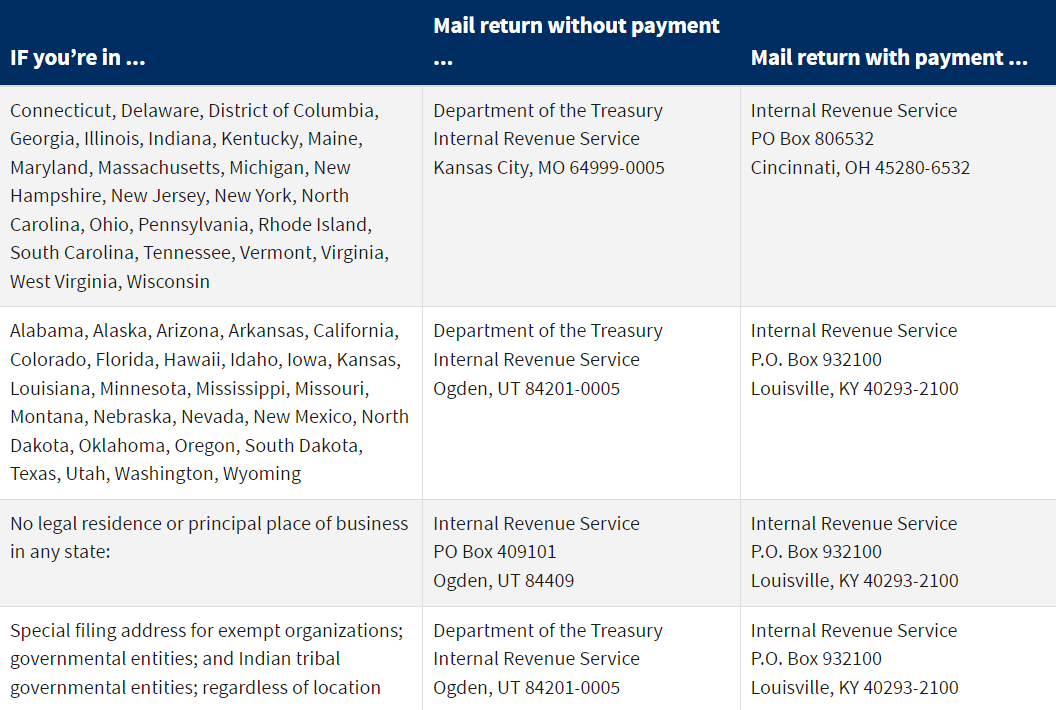
Determining the Correct Mailing Address for Your 941 Payments
The IRS uses several processing centers across the United States to handle the massive volume of quarterly returns and payments. The specific address to which you must mail your Form 941 and the accompanying payment depends on two primary factors: the state or territory where your business is located and whether or not you are including a payment with your return.
Regional Jurisdiction and IRS Processing Centers
The IRS divides the United States into different regions for tax processing. For instance, businesses operating in northeastern states like Connecticut, Delaware, or New Jersey often mail their returns to a different location than those operating in western states like California or Oregon. It is crucial to verify the current year’s instructions for Form 941, as the IRS occasionally realigns its processing centers to balance workloads.
Generally, if your business is located in a state like Florida, Georgia, or Texas, your mailing destination will differ from a business located in Ohio or Pennsylvania. The IRS provides a specific table in the Form 941 instructions that maps every state to its corresponding processing center. Using the incorrect address can lead to significant delays in processing, which might result in the IRS flagging a return as late, even if it was postmarked on time.
The Role of Form 941-V: The Payment Voucher
When mailing a payment with a paper return, the IRS requires the use of Form 941-V, the Payment Voucher. This small but vital document ensures that your payment is credited to the correct business account and the correct tax period.
If you are including a payment, you will often use a different P.O. Box than if you were filing a return without a payment. The “with payment” address is specifically set up to route checks directly to the internal financial processing units. If you send a payment to the “without payment” address, it may sit in a general sorting facility for days or weeks before it reaches the desk of a technician who can process the check, potentially triggering an erroneous late-payment notice.
Ensuring Proper Packaging and Delivery
When mailing a physical check, the IRS has strict guidelines to ensure the security and efficiency of the transaction. You should never staple your check or the 941-V voucher to the return. Instead, the check should be loose but secured within the envelope. The check must be made payable to “United States Treasury” and should include your Employer Identification Number (EIN), the tax period (e.g., “Form 941, 1st Quarter 2024”), and your business name. This ensures that even if the check becomes separated from the voucher, the IRS can still identify where the funds should be applied.
Digital vs. Physical: Evaluating Your Payment Options
While the question of where to mail 941 payments is frequent, it is equally important to consider whether mailing is the most efficient option for your business finance strategy. Modern financial tools and government systems have created alternatives that offer greater security and faster confirmation of receipt.
The Electronic Federal Tax Payment System (EFTPS)
For many businesses, the Electronic Federal Tax Payment System (EFTPS) is the preferred method for handling 941 payments. In fact, for many larger employers, the IRS mandates the use of EFTPS for all federal tax deposits. Using EFTPS eliminates the risks associated with the postal service, such as lost mail or delivery delays.
EFTPS provides an immediate acknowledgment of the payment and creates a clear digital paper trail. For a business finance department, this level of transparency is invaluable. It allows for more precise cash flow management, as you can schedule payments in advance to ensure they are debited from your account on the exact date they are due.
When Is Mailing Still Necessary?
Despite the advantages of digital systems, some scenarios still necessitate mailing 941 payments. Smaller businesses with total tax liabilities below a certain threshold (usually $2,500 for the quarter) may have the option to pay with their return rather than making periodic deposits. In these cases, mailing a check with Form 941 can be a simpler administrative task than setting up an EFTPS account. Additionally, businesses dealing with specific types of banking restrictions or those in the middle of transitioning their financial software may find paper mailing to be a necessary fallback.
The Impact of Modern Payroll Software
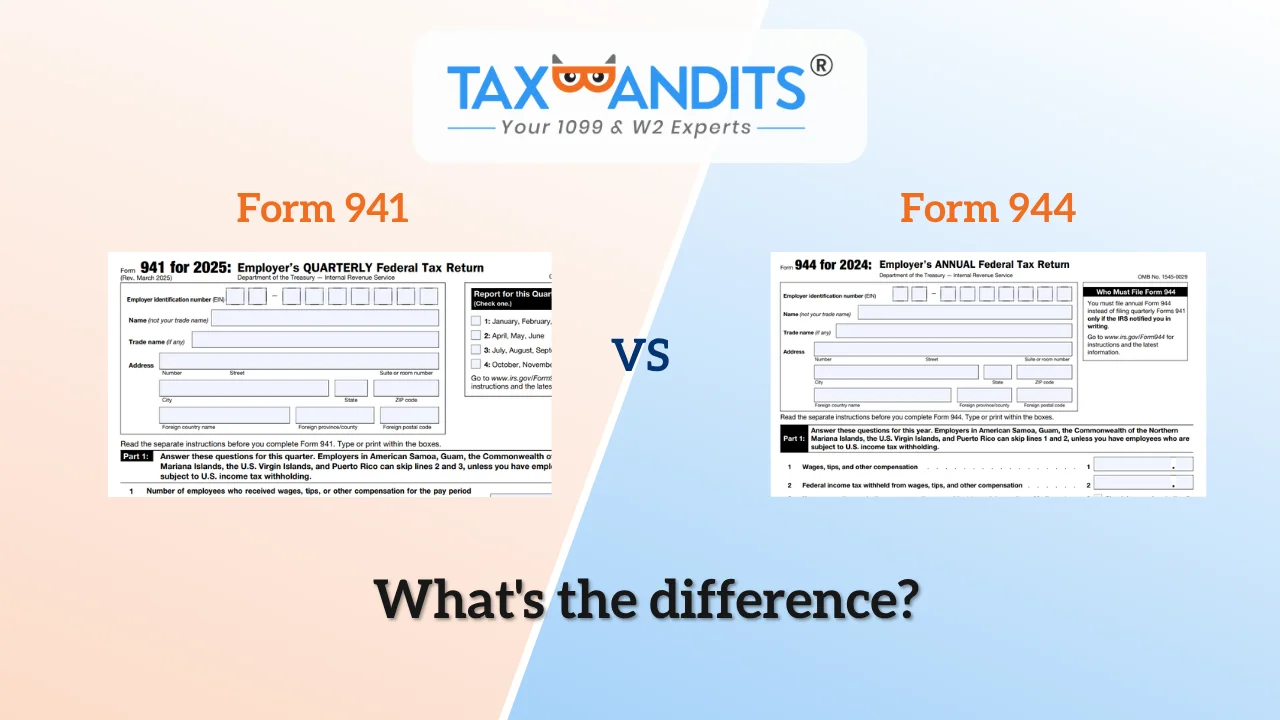
Most contemporary payroll software solutions are designed to handle 941 filings and payments automatically. These platforms often act as intermediaries, calculating the tax liability, withholding the funds from the business bank account, and transmitting the data and payment electronically to the IRS. For businesses looking to scale, leveraging these financial tools reduces the “manual touch” required for tax compliance, thereby minimizing the risk of human error associated with addressing envelopes and writing manual checks.
Understanding Deadlines and the “Timely Mailed” Rule
In the world of business finance, timing is everything. Missing a 941 deadline can result in tiered penalties that increase the longer the payment remains outstanding. To successfully manage 941 payments, you must understand both the quarterly deadlines and the legal definitions of a “timely” filing.
The Quarterly Filing Cycle
Form 941 is due on the last day of the month following the end of the quarter:
-
1st Quarter (Jan-Mar): Due April 30
-
2nd Quarter (Apr-Jun): Due July 31
-
3rd Quarter (Jul-Sep): Due October 31
-
4th Quarter (Oct-Dec): Due January 31
If the due date falls on a Saturday, Sunday, or legal holiday, the return is considered on time if it is filed by the next business day.
The Postmark Rule
For those mailing their 941 payments, the IRS follows the “Timely Mailed, Timely Filed” rule. This means that if you send your return and payment via the United States Postal Service (USPS), it is considered filed on the date of the postmark. However, this only applies if the envelope is properly addressed, has sufficient postage, and is postmarked by the due date.
To protect your business from potential disputes regarding the timing of your payment, it is highly recommended to use Registered Mail or Certified Mail with a return receipt. This provides legal proof that the document was sent on or before the deadline. Private delivery services like FedEx or UPS can also be used, but only if they are on the IRS-approved list of “Designated Private Delivery Services.”
Deposit Schedules vs. Filing Deadlines
It is a common misconception that the 941 payment is only due when the form is filed. Depending on the size of your payroll, you may be on a monthly or semi-weekly deposit schedule. If you are required to make deposits throughout the quarter, you should not be mailing a large lump sum with your 941 form at the end of the quarter. Instead, you should be making those deposits electronically via EFTPS. Mailing a payment with the 941 form is generally only appropriate for businesses with very small tax liabilities or for those paying a small balance due that was not covered by their regular deposits.
Best Practices for Financial Accuracy and Compliance
Managing 941 payments is more than just knowing an address; it is about maintaining a rigorous system of financial record-keeping. Accuracy in these filings is paramount, as the IRS matches the figures on your 941 with the W-2 forms issued to employees at the end of the year.
Reconciling Payroll Records Regularly
To ensure that the 941 payment you are mailing is correct, you should perform a monthly reconciliation of your payroll records. This involves comparing the total wages paid and taxes withheld according to your internal ledger against the amounts reported to the IRS. Discrepancies often arise from taxable fringe benefits, tips, or adjustments for sick pay and group-term life insurance. Catching these errors monthly prevents a stressful and potentially expensive reconciliation process at the end of the quarter.
The Consequences of Non-Compliance
The IRS takes employment tax collection very seriously because a significant portion of the money withheld (Social Security and Medicare) is held “in trust” for the employees. Failure to pay these taxes can lead to the Trust Fund Recovery Penalty, which allows the IRS to hold business owners or responsible officers personally liable for the unpaid taxes. This is why ensuring your 941 payment reaches the correct mailing address on time is not just a clerical task, but a vital component of corporate risk management.
Utilizing Professional Tax Advisory
For businesses with complex payroll structures—such as those operating in multiple states or employing both domestic and international workers—consulting with a tax professional is a wise investment. A CPA or tax advisor can help determine the most efficient payment method for your specific situation and ensure that you are taking advantage of any applicable tax credits (such as the Research and Development tax credit which can sometimes be applied against payroll taxes).

Conclusion: Mastering the Logistics of Payroll Taxation
Navigating the requirements of Form 941 is a fundamental skill for any business owner or financial professional. While the “where” of mailing a payment is a logistical detail, it represents the final step in a complex chain of financial calculations and compliance hurdles. By understanding the regional variations in IRS mailing addresses, the importance of the 941-V voucher, and the benefits of modern digital payment systems, businesses can ensure they remain in good standing with federal authorities.
Whether you choose to mail your payment via the USPS or utilize the speed of EFTPS, the goal remains the same: accuracy, punctuality, and transparency. In the landscape of business finance, these qualities are the bedrock of a sustainable and reputable enterprise. By treating the 941 process with the diligence it deserves, you protect your business, your employees, and your professional reputation.
aViewFromTheCave is a participant in the Amazon Services LLC Associates Program, an affiliate advertising program designed to provide a means for sites to earn advertising fees by advertising and linking to Amazon.com. Amazon, the Amazon logo, AmazonSupply, and the AmazonSupply logo are trademarks of Amazon.com, Inc. or its affiliates. As an Amazon Associate we earn affiliate commissions from qualifying purchases.