
In the current marketplace, a brand is no longer defined solely by its logo, its color palette, or the quality of its products. It is increasingly defined by its impact. As global awareness regarding climate change and resource depletion intensifies, the term “ecological footprint” has transitioned from a niche environmental metric to a core pillar of brand strategy and corporate identity. For a modern business, understanding what an ecological footprint means is not merely an exercise in corporate social responsibility (CSR); it is a strategic imperative that dictates consumer trust, investor interest, and long-term viability.
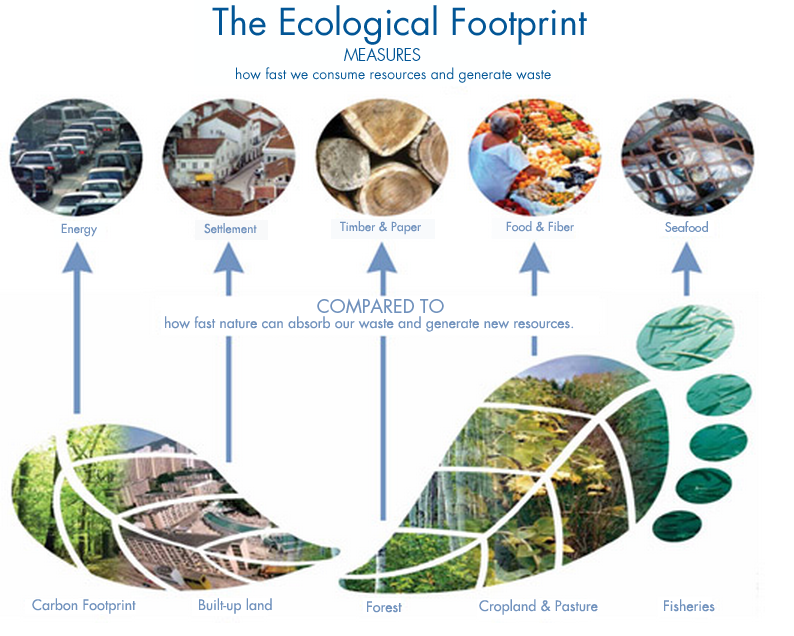
At its core, an ecological footprint measures the demand placed by an entity—be it an individual, a city, or a corporation—on the Earth’s ecosystems. It compares the amount of natural resources consumed against the planet’s ability to regenerate those resources. In the context of branding, this metric serves as a transparent ledger of a company’s relationship with the physical world. When a brand ignores its footprint, it risks being perceived as extractive and outdated. Conversely, when a brand masters its footprint, it positions itself as a forward-thinking leader capable of operating within the limits of a finite planet.
Understanding the Metric: Why It Matters for Brand Identity
For a brand strategist, the ecological footprint is the ultimate indicator of operational efficiency and ethical alignment. It encompasses everything from the carbon emissions generated by manufacturing plants to the water usage in supply chains and the waste produced by end-of-life packaging. To define a brand’s footprint is to audit its entire existence.
The Shift from Product to Process
Historically, branding focused on the “front end”—the user experience and the emotional resonance of the marketing message. However, the “back end”—how a product is made—has now become the primary story. Modern branding requires a deep dive into the lifecycle of a product. If a brand claims to represent “luxury” or “innovation” but possesses a massive, inefficient ecological footprint, a cognitive dissonance is created in the mind of the consumer. The process is now the product. A brand that can demonstrate a shrinking footprint while maintaining high-quality output tells a story of technological sophistication and moral clarity.
Measuring Impact Beyond Carbon
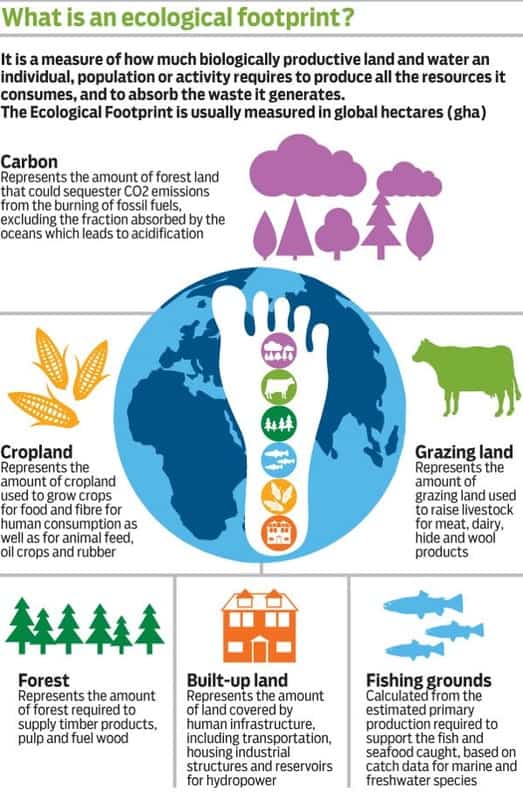
While “carbon footprint” is a term frequently used in marketing, the “ecological footprint” is a broader, more holistic concept. It includes land use, forest consumption, and fishing grounds. For brands in the food, fashion, and technology sectors, this means acknowledging the biological capacity required to support their business models. A brand that understands its broader ecological footprint can build a more robust identity by addressing specific issues, such as biodiversity loss or water scarcity, which may be more relevant to its specific audience than generic carbon offsets.
The Psychological Shift: Why Consumers Equate Footprints with Trust
The rise of the “conscious consumer” has fundamentally altered the relationship between brands and their audiences. Consumers, particularly Gen Z and Millennials, view their purchases as an extension of their personal values. In this environment, a brand’s ecological footprint becomes a proxy for its integrity.
Consumer Psychology and the Demand for Transparency
Trust is the most valuable currency a brand possesses. When a company is transparent about its ecological footprint—admitting where it falls short and outlining concrete steps for improvement—it builds a deeper, more resilient bond with its customers. This transparency acts as a shield against the cynicism that often greets corporate marketing. By sharing the data behind their footprint, brands move from being perceived as “faceless corporations” to “accountable partners” in the global effort toward sustainability.
The Trap of Greenwashing
As the importance of a low ecological footprint grows, so does the temptation to engage in “greenwashing”—the practice of making misleading claims about environmental benefits. From a brand strategy perspective, greenwashing is a high-stakes gamble that often ends in reputational ruin. Modern consumers are equipped with digital tools and social networks that allow them to fact-check corporate claims in real-time. A brand caught exaggerating its ecological credentials faces a “trust deficit” that can take years, or even decades, to repair. True brand value is built on the alignment of words and actions; therefore, a strategy based on authentic footprint reduction is the only sustainable path to market leadership.
Operationalizing Sustainability: Turning Metrics into Brand Narratives
Understanding the meaning of an ecological footprint is only the first step. The real challenge—and opportunity—lies in integrating this understanding into the brand’s DNA. This requires a shift from viewing environmental impact as a cost center to viewing it as a source of innovation and competitive advantage.
Sustainable Supply Chains as a Competitive Advantage
A brand is only as sustainable as its weakest link. For most companies, the vast majority of their ecological footprint lies within their supply chain (Scope 3 emissions and resource use). Strategically, this offers a massive opportunity for differentiation. By partnering with suppliers who prioritize regenerative practices, brands can secure high-quality resources in an increasingly volatile climate. This “supply chain branding” allows a company to tell a story of resilience and stewardship that resonates with B2B partners and retail consumers alike.
Packaging and Visual Identity: Communicating Values
The most visible manifestation of a brand’s ecological footprint is its packaging. For years, bulky, non-recyclable packaging was a symbol of premium status. Today, minimal, compostable, or reusable packaging serves that same purpose. The aesthetic of “less is more” has become a visual shorthand for ecological responsibility. When a brand redesigns its packaging to reduce its footprint, it isn’t just saving money on materials; it is sending a powerful visual signal about its commitment to the future. This physical touchpoint is often the most direct way a consumer interacts with a brand’s environmental strategy.
The Financial and Strategic Risks of a Poor Ecological Reputation
In the boardroom, the ecological footprint is increasingly viewed through the lens of risk management. A large footprint is a liability, not just ethically, but financially. Brand strategy must now account for these risks to ensure the longevity of the corporate identity.
Regulatory Pressure and Market Access
Governments worldwide are implementing stricter regulations regarding environmental impact, from plastic bans to carbon taxes. Brands with a heavy ecological footprint face the risk of being regulated out of certain markets or facing prohibitive costs that erode profit margins. A proactive brand strategy involves staying ahead of these regulations by voluntarily reducing the footprint before it becomes a legal requirement. This “first-mover advantage” allows a brand to define the standards for its industry rather than being forced to react to them.
Investor Relations and ESG Criteria
Institutional investors are increasingly using Environmental, Social, and Governance (ESG) criteria to evaluate companies. A brand with a high ecological footprint is often flagged as a high-risk investment. Conversely, companies that demonstrate a commitment to reducing their footprint often enjoy lower costs of capital and higher valuations. In this sense, a brand’s ecological footprint is a direct driver of its market capitalization. For the modern CEO, the brand’s environmental narrative is as important to Wall Street as it is to the consumer on Main Street.
Building a “Restorative” Brand for the Next Decade
As we move toward the middle of the 21st century, the definition of a “successful” brand is evolving. It is no longer enough to be “sustainable”—a term that often implies simply doing “less harm.” The next generation of market leaders will be “restorative” brands.
Moving Toward Net Positive
A restorative brand is one that seeks to have a “net positive” ecological footprint. This means that through its operations, it contributes more to the environment than it takes. Whether through carbon sequestration, water replenishment, or biodiversity restoration, these brands are redefining the relationship between commerce and nature. This is the frontier of brand strategy. It moves the conversation from “how do we minimize our footprint?” to “how can our brand be a force for planetary healing?”

The Legacy of the Footprint
Ultimately, what an ecological footprint means for a brand is its legacy. In a world characterized by resource scarcity and environmental fragility, the brands that thrive will be those that prove they are necessary for a flourishing future. By embracing the data, the ethics, and the strategic opportunities inherent in the ecological footprint, companies can build brands that are not only profitable but also indispensable. The footprint is not just a measure of what we take from the earth; it is a blueprint for how we can continue to build, innovate, and connect in a world that demands a new kind of corporate excellence. To ignore the footprint is to ignore the future of the brand itself. To master it is to secure a place in the global economy of tomorrow.
aViewFromTheCave is a participant in the Amazon Services LLC Associates Program, an affiliate advertising program designed to provide a means for sites to earn advertising fees by advertising and linking to Amazon.com. Amazon, the Amazon logo, AmazonSupply, and the AmazonSupply logo are trademarks of Amazon.com, Inc. or its affiliates. As an Amazon Associate we earn affiliate commissions from qualifying purchases.