
In the contemporary financial landscape, the transition from traditional, branch-based banking to digital platforms is no longer a luxury—it is a fundamental requirement for efficient money management. Online banking serves as the nerve center of a person’s financial life, offering a level of transparency, speed, and control that was previously unimaginable. By moving your financial operations to a digital environment, you gain the ability to monitor cash flow in real-time, automate savings strategies, and protect your assets with advanced security protocols. Setting up online banking is the first step toward mastering your personal finances in the 21st century.
Preparing Your Financial Foundation for Digital Integration
Before initiating the setup process, it is essential to approach digital banking with the mindset of a professional money manager. This means organizing your documentation and understanding the specific requirements of your financial institution. Online banking is not merely a website; it is a portal to your liquid capital, and the setup phase requires precision to ensure security and accessibility.
Gathering Necessary Documentation
To establish a secure link between your identity and your digital accounts, most banks require specific identifiers. You should have the following information ready:
-
Account Numbers: Your specific checking, savings, or money market account numbers. These are typically found on your paper statements or at the bottom of a physical check.
-
Social Security Number (SSN) or Taxpayer Identification Number (TIN): This is the primary way banks verify your identity for tax reporting and credit monitoring.
-
Government-Issued Identification: Keep your driver’s license or passport nearby, as you may need to input the ID number or upload a photo of the document for verification.
-
Contact Information: Ensure you have a dedicated, secure email address and a mobile phone number capable of receiving SMS messages for two-factor authentication (2FA).
Assessing Your Bank’s Digital Infrastructure
Not all online banking experiences are created equal. Before signing up, review what your institution offers. A robust platform should provide more than just a balance summary; it should include mobile check deposit, peer-to-peer (P2P) payment integrations, and sophisticated fraud alerts. If your current bank lacks these features, it may be a strategic time to consider moving your capital to a high-yield online-only bank or a major national institution with a superior tech stack.
Navigating the Enrollment Process
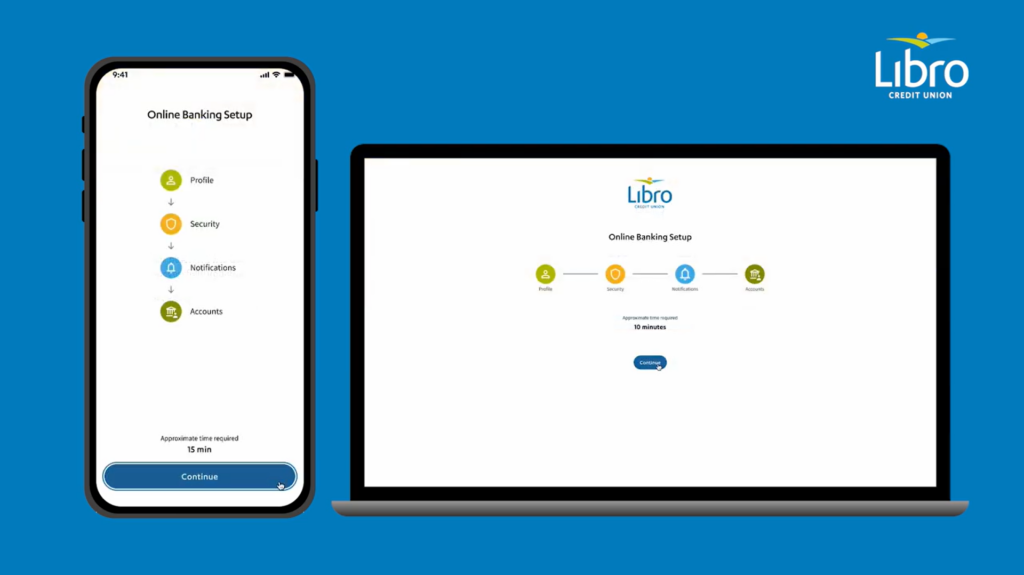
The actual process of enrolling in online banking is designed to be intuitive, yet it remains a critical juncture for your financial security. This is where you establish the credentials that will protect your wealth from unauthorized access.
The Initial Sign-Up Phase
Most banks provide a prominent “Enroll” or “Sign Up” button on their homepage. Clicking this will lead you to a secure portal where you will enter the personal details gathered in the previous step. During this phase, the bank will cross-reference your input with their internal records to ensure you are the legitimate owner of the accounts. This verification often involves a “soft pull” or a verification of recent transaction history to prove identity.
Creating High-Security Credentials
The strength of your online banking security rests on your choice of credentials. Professional financial management dictates a departure from simple, easily guessed passwords.
-
Usernames: Avoid using your email address as a username if the bank allows a custom one. A unique username adds a layer of obscurity that protects against automated login attempts.
-
Passphrases: Rather than a simple password, use a “passphrase”—a long string of random words, numbers, and symbols.
-
Two-Factor Authentication (2FA): This is non-negotiable. Enable 2FA immediately. While SMS-based codes are common, using an authenticator app or a physical security key provides a higher level of protection against SIM-swapping attacks, ensuring that only you can authorize access to your funds.
Downloading the Mobile Application
Once your desktop access is established, the next logical step is to secure the bank’s official mobile app. The app is often the most powerful tool in your financial arsenal, allowing for on-the-go management and instant notifications. Ensure you download the application directly from the official Apple App Store or Google Play Store to avoid “spoof” apps designed to steal login data.
Maximizing Your Financial Tools for Better Money Management
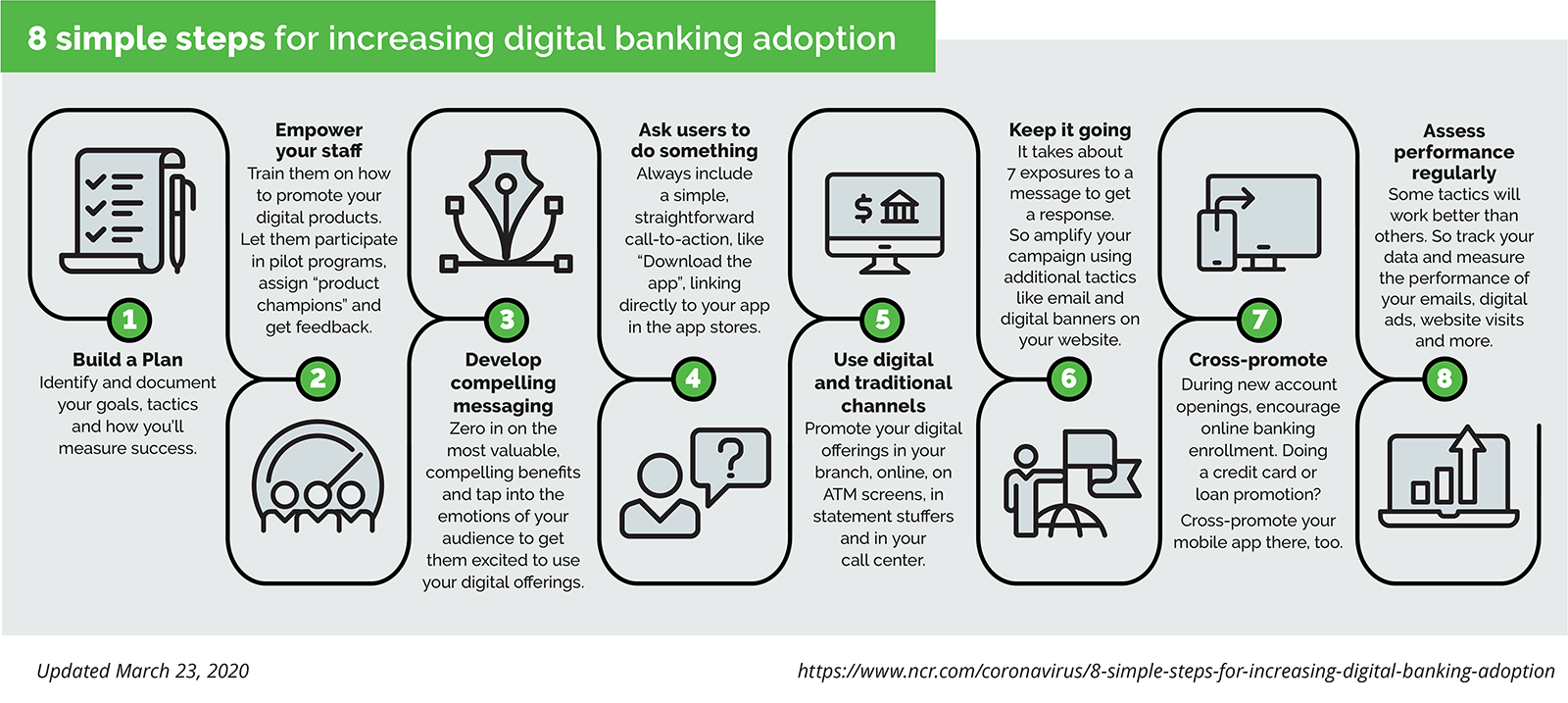
Once your online banking portal is active, the focus shifts from setup to optimization. The true value of digital banking lies in its ability to streamline your financial life, reduce human error, and help you achieve your long-term wealth goals through automation.
Optimizing Cash Flow with Bill Pay and Transfers
One of the most effective ways to manage money is to eliminate the risk of late fees and missed payments.
-
Online Bill Pay: Instead of writing checks or visiting multiple vendor websites, use your bank’s integrated bill pay system. This centralizes your outflows and allows you to schedule payments in advance, ensuring your credit score remains protected by a history of on-time payments.
-
Internal and External Transfers: Online banking allows you to move money between your checking and savings accounts instantly. Furthermore, you can link external accounts—such as a high-yield savings account at a different institution or a brokerage account—to facilitate the movement of capital into investment vehicles.
Leveraging Mobile Check Deposit
In the past, depositing a physical check meant a trip to a branch or an ATM. Modern online banking allows you to deposit checks by simply taking a photograph through the mobile app. This feature increases the “velocity of money”—the speed at which your capital is deposited and begins earning interest or becomes available for investment.
Setting Up Automated Savings Goals
Many digital platforms now include “buckets” or “vaults” within a single savings account. You can program your online banking to automatically divert a portion of every deposit into specific categories, such as an emergency fund, a down payment for a home, or a vacation fund. This “pay yourself first” mentality is the cornerstone of successful personal finance, and online banking makes it effortless.
Safeguarding Your Digital Assets and Financial Privacy
In the digital age, security is not just a technical concern; it is a fundamental aspect of risk management. Your online banking portal is a target for bad actors, and maintaining a proactive stance is essential for protecting your net worth.
Implementing Real-Time Financial Alerts
Information is your best defense against fraud. Within your online banking settings, you can configure a variety of alerts that notify you via push notification or email whenever activity occurs.
-
Transaction Alerts: Set an alert for any transaction over a certain dollar amount (e.g., $1.00). This ensures you are aware of every cent leaving your account.
-
Balance Alerts: Configure notifications for when your balance drops below a specific threshold to avoid overdraft fees.
-
Security Alerts: Receive immediate notice if your password is changed or if a login occurs from an unrecognized device or geographic location.
Practicing Safe Digital Hygiene
Professional money management requires disciplined habits. Never access your online banking via public Wi-Fi networks, which are notoriously insecure. If you must manage your finances while traveling, use a Virtual Private Network (VPN) or your cellular data. Additionally, be wary of phishing attempts—no legitimate bank will ever ask for your password or PIN via email or text message. Always navigate directly to the bank’s official website or app to perform sensitive actions.
Leveraging Online Banking for Long-Term Wealth Integration
The final stage of setting up online banking is integrating it into your broader financial ecosystem. Digital banking should not exist in a vacuum; it should be the foundation upon which you build your entire investment and budgeting strategy.
Connecting to Budgeting and Wealth-Tracking Apps
Modern financial tools like YNAB (You Need A Budget), Empower, or Mint rely on “Open Banking” protocols to aggregate your financial data. By linking your online banking credentials to these platforms, you gain a high-level view of your net worth, spending patterns, and investment performance. This integration allows for data-driven decision-making, helping you identify areas where you can cut costs and increase your investment contributions.
Direct Deposit and Payroll Optimization
To truly master your income, set up direct deposit through your employer using your new online banking details. Many banks offer “early direct deposit” features, giving you access to your paycheck up to two days early. From a financial management perspective, this allows you to deploy that capital into interest-bearing accounts or the stock market sooner, maximizing the power of compound interest.
The Future of Your Financial Life
Setting up online banking is more than a technical hurdle; it is an entry point into a more sophisticated way of living. It empowers you to move away from reactive money management toward a proactive, strategic approach to wealth. By centralizing your accounts, automating your savings, and securing your data, you create a resilient financial structure that supports your life goals. In a world where time is just as valuable as money, the efficiency provided by online banking is perhaps your most significant asset.
aViewFromTheCave is a participant in the Amazon Services LLC Associates Program, an affiliate advertising program designed to provide a means for sites to earn advertising fees by advertising and linking to Amazon.com. Amazon, the Amazon logo, AmazonSupply, and the AmazonSupply logo are trademarks of Amazon.com, Inc. or its affiliates. As an Amazon Associate we earn affiliate commissions from qualifying purchases.