
In an increasingly digital financial landscape, prepaid debit cards have carved out a significant niche, offering a convenient and accessible financial tool for a diverse range of individuals. Unlike traditional debit cards linked directly to a bank account or credit cards that extend a line of credit, prepaid debit cards operate on a “load and spend” model, making them an excellent instrument for budgeting, managing spending, and providing a gateway to digital payments for the unbanked or underbanked. Understanding where to acquire these cards, and the considerations involved, is crucial for leveraging their full potential as a responsible financial management tool. This article delves into the various avenues for obtaining a prepaid debit card, offering insights into their utility and guiding you through the selection process to make an informed financial decision.
Understanding Prepaid Debit Cards: A Primer on Financial Flexibility
Before embarking on the quest to find a prepaid debit card, it’s essential to grasp what they are, how they function, and for whom they are most beneficial. This foundational understanding ensures that you select a product that aligns with your specific financial needs and goals.
What Exactly Is a Prepaid Debit Card?
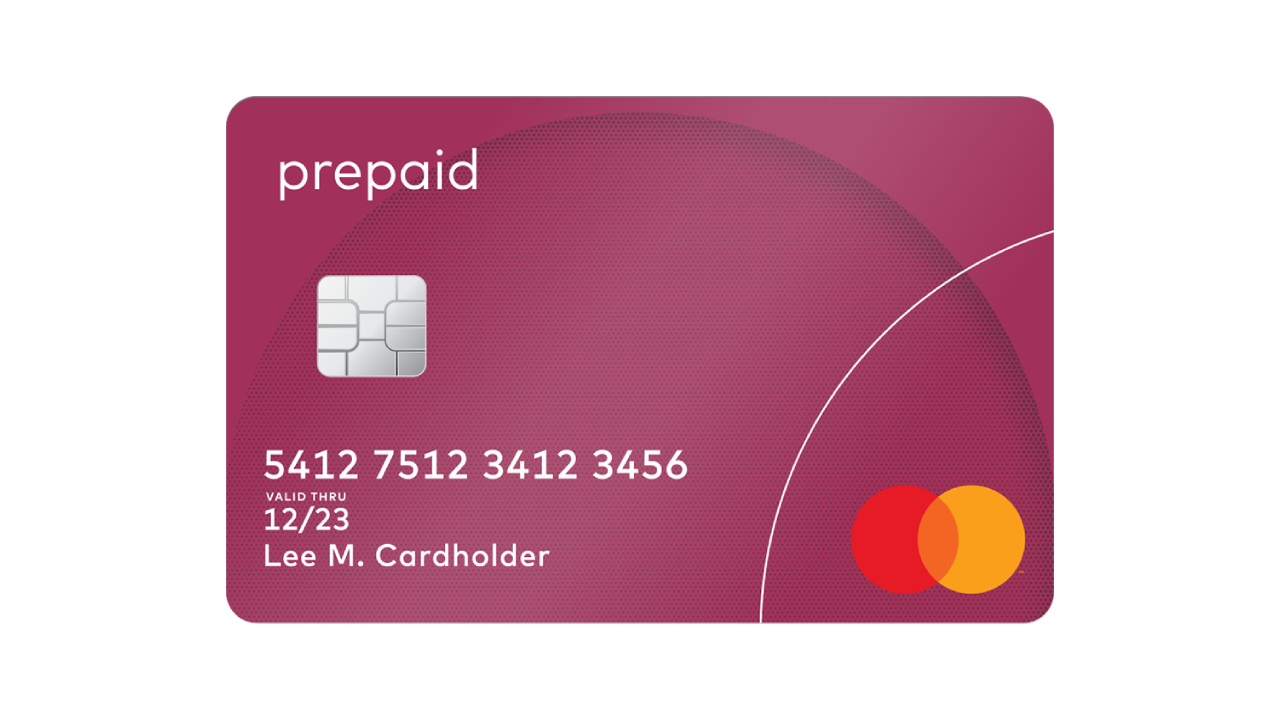
A prepaid debit card is a payment card loaded with funds by the user beforehand. It allows you to spend only the money that has been pre-loaded onto the card, effectively making it a digital cash equivalent. This mechanism means there’s no link to a bank account for overdrafts, nor is there a line of credit to accumulate debt. When you make a purchase, the amount is deducted from the card’s balance. Once the funds are depleted, you can often reload the card with more money, or simply dispose of it, depending on its reusability. The key differentiator is the absence of a credit check, making them accessible to virtually anyone regardless of their credit history. This “pay-as-you-go” approach offers a distinct advantage for those seeking to control spending or avoid the complexities of traditional banking.
Who Benefits Most from Prepaid Debit Cards?
Prepaid debit cards serve a wide spectrum of users due to their inherent flexibility and accessibility.
-
The Unbanked and Underbanked: For individuals without traditional bank accounts or those with limited access to banking services, prepaid cards provide a vital entry point into the digital economy. They enable online purchases, bill payments, and ATM access, bridging a significant financial gap.
-
Budget-Conscious Consumers: Anyone looking to strictly manage their spending can benefit from a prepaid card. By loading a specific amount for certain expenses (e.g., groceries, entertainment), users can prevent overspending and stick to a budget.
-
Parents and Guardians: Prepaid cards are an excellent tool for teaching children and teenagers financial responsibility. Parents can load allowances or funds for specific purposes, giving young people practical experience with managing money without the risks associated with credit cards.
-
Travelers: Using a prepaid card while traveling can be safer than carrying large amounts of cash and offers protection against fraud, as losses are limited to the loaded amount. They also simplify currency conversion in some cases.
-
Individuals Avoiding Debt: For those who have struggled with credit card debt or simply prefer to avoid it, prepaid cards offer the convenience of card payments without the risk of accumulating interest or high balances.
-
Online Shoppers Concerned About Security: Using a prepaid card with a limited balance for online transactions can add an extra layer of security, minimizing potential losses if the card details are compromised.
Primary Avenues for Acquiring a Prepaid Debit Card
The availability of prepaid debit cards has expanded considerably, with various providers and retail locations offering different options. Knowing where to look is the first step in finding the right card for your needs.
Major Retail Stores and Pharmacies
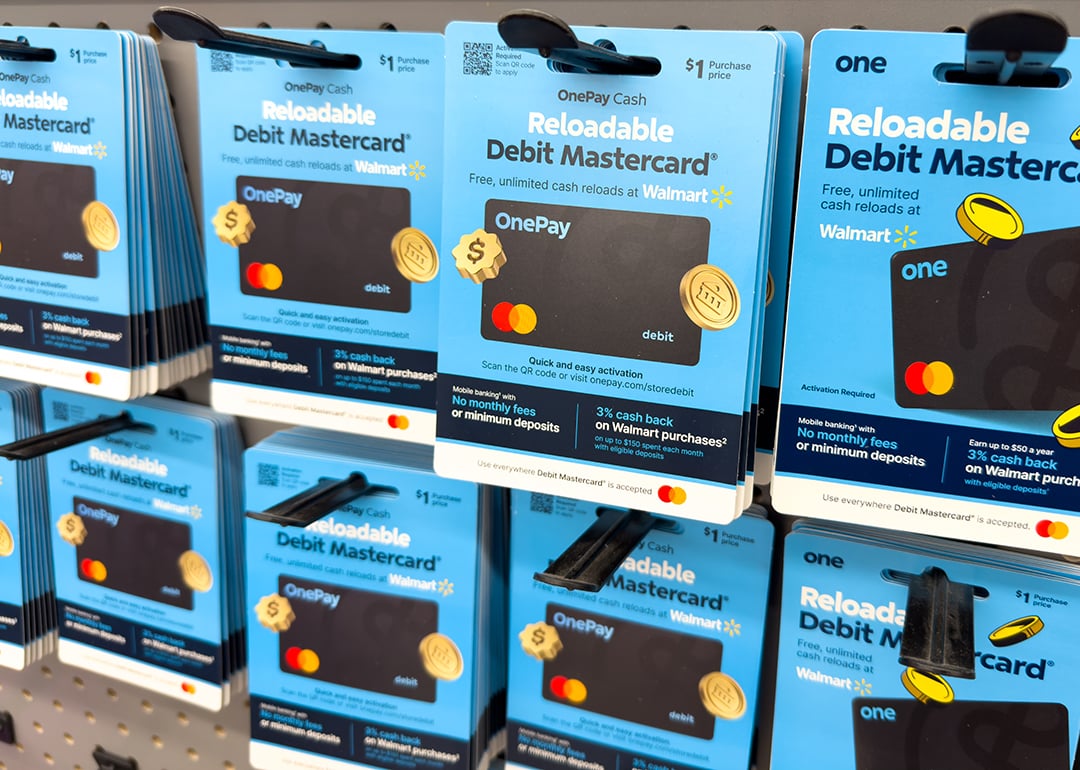
One of the most convenient and immediate ways to get a prepaid debit card is by purchasing one off the shelf at a major retail outlet. These locations offer instant gratification for those needing a card right away.
-
Examples: Stores like Walmart, Target, CVS Pharmacy, Walgreens, and even some grocery stores stock a variety of prepaid debit card brands such as Green Dot, Netspend, Vanilla, and MyVanilla.
-
Pros: Instant purchase and activation (often online or by phone), widespread availability, easy cash reloads at the point of purchase. This is ideal for quick, immediate needs or for those who prefer physical transactions.
-
Cons: The selection might be limited compared to online providers, and these cards can sometimes come with higher activation fees or transaction fees. The features might also be more basic than those offered by dedicated financial service providers.
Online Providers and Financial Technology (FinTech) Companies
The digital realm offers a vast array of prepaid debit card options, often from companies specializing in financial technology (FinTech) solutions. These providers typically offer more feature-rich cards and a broader selection.
-
Examples: Prominent online providers include Green Dot (which also partners with retailers), Netspend, PayPal Prepaid Mastercard, Chime (often considered a hybrid challenger bank but offers similar functionality to prepaid cards for direct deposit and spending), and various virtual card providers.
-
Pros: Wider selection of cards with varying fee structures and features (e.g., direct deposit, mobile app access, online bill pay, cash-back rewards in some cases, FDIC insurance through partner banks). Many offer lower or no monthly fees with direct deposit, and enhanced online account management tools. The application process is entirely online and often streamlined.
-
Cons: You’ll typically need to wait for the physical card to be mailed to you, which can take several business days. While setting up an account is usually straightforward, it requires internet access and comfort with online financial management.
Traditional Banks and Credit Unions
While less commonly advertised as standalone prepaid debit card options, some traditional financial institutions do offer their own branded prepaid cards, often tailored to specific customer segments or integrated with existing banking services.
-
Examples: Some large banks, such as U.S. Bank (e.g., U.S. Bank Focus Card for employers) or Chase (e.g., Chase Liquid), have offered reloadable prepaid cards. Local credit unions might also have similar offerings.
-
Pros: These cards often come with the reliability and established customer service of a traditional bank. They might be integrated with your existing banking relationship, making transfers and reloads seamless. Many are FDIC insured, providing an extra layer of security for your funds.
-
Cons: The options might be fewer, and the fees could sometimes be higher than those from dedicated prepaid card providers. They might also require you to have an existing account with the institution or go through a more involved application process.
Navigating the Selection Process: Key Considerations for Your Financial Tool
Once you know where to look, the next step is to evaluate the available options. Not all prepaid debit cards are created equal, and choosing the right one requires careful consideration of various factors, primarily focusing on cost, features, and convenience.
Understanding the Fee Structure
Fees are arguably the most critical aspect to scrutinize when selecting a prepaid debit card. They can quickly erode your balance if you’re not careful.
-
Activation Fees: A one-time fee charged when you first purchase the card.
-
Monthly Maintenance Fees: A recurring fee (usually waived with direct deposit or minimum balance).
-
Transaction Fees: Fees for ATM withdrawals (out-of-network ATMs are common culprits), point-of-sale transactions (rare but possible), foreign transaction fees for international use.
-
Reload Fees: Charges incurred each time you add money to the card (often waived with direct deposit or specific reload methods).
-
Inactivity Fees: Some cards charge a fee if there’s no activity for a certain period.
-
Balance Inquiry Fees: Fees for checking your balance at an ATM.
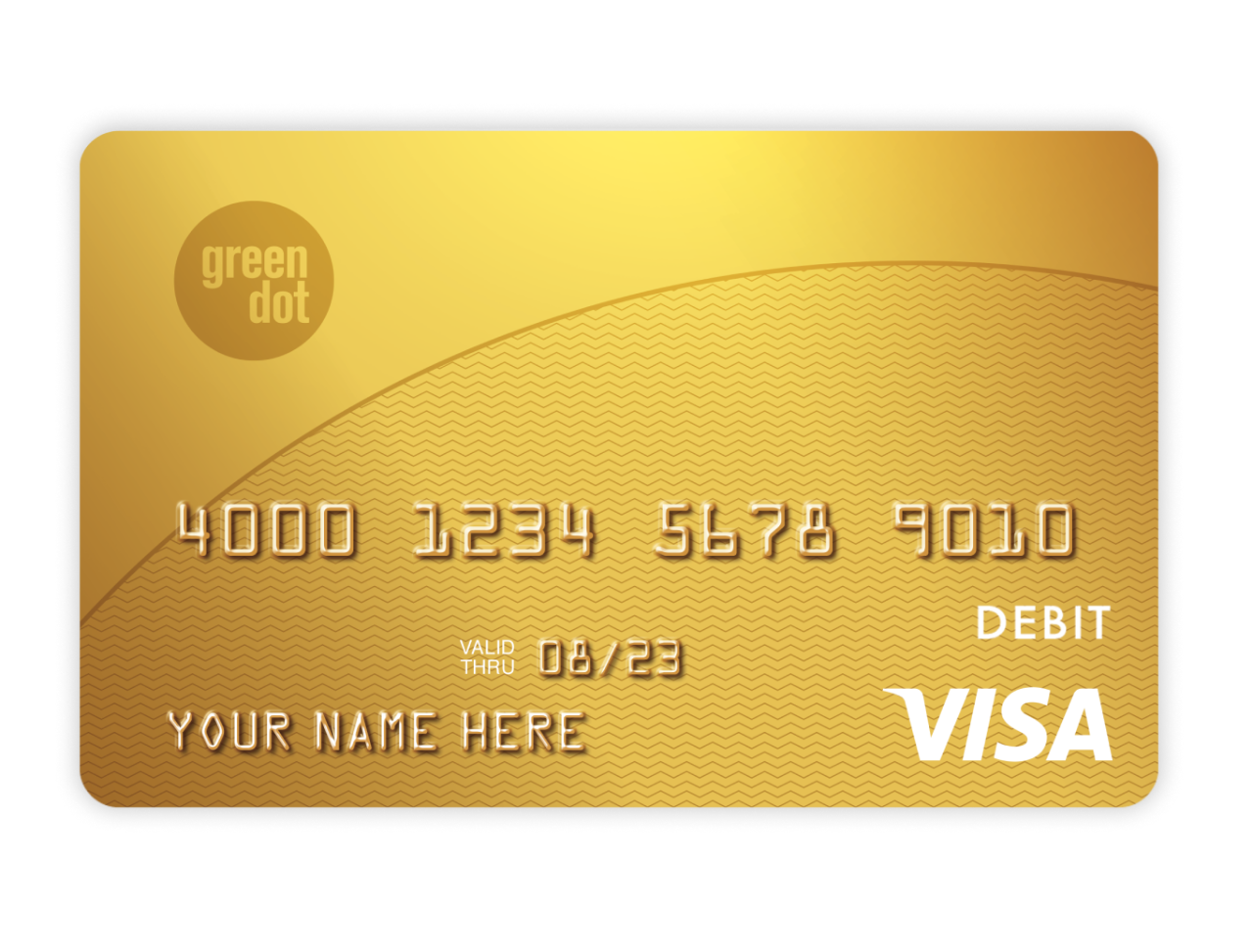
Always read the cardholder agreement thoroughly to understand all potential charges. Many cards market themselves as “fee-free,” but this often comes with specific conditions, such as receiving direct deposits.
Features and Functionality
Beyond basic spending, many prepaid cards offer features that enhance their utility as a financial management tool.
-
Direct Deposit: The ability to have your paycheck or government benefits deposited directly onto the card, often waiving monthly fees.
-
Online Bill Pay: Conveniently pay bills directly from your card balance.
-
Mobile App Access: Manage your card, check balances, track transactions, and even deposit checks via a smartphone app.
-
FDIC Insurance: Ensures your funds are protected up to the legal limit ($250,000) in case the issuing bank fails. Most reputable prepaid cards are issued by FDIC-insured banks.
-
Security Features: Look for fraud protection, the ability to lock/unlock your card via an app, and robust customer service for reporting lost or stolen cards.
-
Budgeting Tools: Some cards integrate with budgeting apps or offer internal tools to help you track and categorize spending.
Reload Options and Convenience
The ease with which you can add funds to your card is paramount to its long-term usability.
-
Cash Reloads: Available at participating retailers (e.g., Walmart, 7-Eleven, Western Union) using services like Green Dot @ the Register or VanillaDirect Load.
-
Direct Deposit: The most convenient and often free method for regular income.
-
Bank Transfers: Transferring money from a traditional bank account (though this can sometimes incur fees from your bank).
-
Mobile Check Deposit: Depositing checks directly via the card’s mobile app.
-
Card-to-Card Transfers: Some providers allow transfers between their own branded prepaid cards.
Consider your primary source of income and how often you’ll need to load funds to ensure the chosen card’s reload options are practical for you.
Activating and Using Your Prepaid Debit Card Responsibly
Once you’ve acquired your prepaid debit card, the journey doesn’t end there. Proper activation and responsible usage are key to maximizing its benefits and protecting your financial well-being.
The Activation Process
Most prepaid debit cards require activation before use. This typically involves:
-
Online Registration: Visiting the card issuer’s website to register your card, providing personal information such as your name, address, date of birth, and Social Security Number. This is part of “Know Your Customer” (KYC) regulations designed to prevent fraud and money laundering.
-
PIN Setup: Creating a Personal Identification Number (PIN) for ATM withdrawals and debit purchases.
-
Identity Verification: In some cases, you might need to upload a copy of your ID or provide additional verification. This step is crucial for unlocking advanced features like direct deposit and FDIC insurance.
Tips for Smart Usage and Budgeting
Prepaid cards are powerful budgeting tools when used judiciously.
-
Treat It Like Cash: Only spend what you have loaded onto the card. This mindset helps prevent overspending.
-
Monitor Your Balance Regularly: Use the mobile app or online portal to keep track of your available funds.
-
Allocate Funds for Specific Categories: Load separate cards for different budgeting categories (e.g., one for groceries, another for entertainment) to enhance control.
-
Understand Card Limits: Be aware of daily spending limits, ATM withdrawal limits, and maximum card balance limits.
Security Best Practices
Protecting your prepaid card is as important as protecting a traditional bank account.
-
Safeguard Your PIN: Never share your PIN and avoid writing it down.
-
Monitor Transactions: Regularly review your transaction history for any unauthorized activity.
-
Report Lost or Stolen Cards Immediately: Contact the card issuer as soon as you realize your card is missing. Most cards offer zero-liability protection for unauthorized purchases once reported.
-
Be Wary of Scams: Prepaid cards are often favored by scammers. Never use a prepaid card to pay someone you don’t know or trust, especially for government fees, sweepstakes winnings, or urgent requests.
The Evolving Landscape of Digital Payments and Prepaid Solutions
The financial industry is in constant flux, and prepaid debit cards are evolving alongside broader trends in digital payments and financial inclusion. Their role is becoming increasingly integrated into our digital lives.
Integration with Mobile Wallets
Many modern prepaid debit cards can be linked to mobile payment platforms such as Apple Pay, Google Pay, and Samsung Pay. This integration enhances convenience by allowing contactless payments with your smartphone and adds an extra layer of security, as your actual card number is not transmitted during transactions. This trend solidifies the prepaid card’s place in the modern digital payment ecosystem.
Prepaid Cards as a Stepping Stone to Mainstream Banking
For many, a prepaid card serves as an introduction to financial tools and digital money management. While they don’t directly build credit history, they can help individuals develop responsible spending habits and familiarize themselves with online banking features, direct deposits, and bill payments. This experience can be invaluable for transitioning to a traditional bank account or other financial products in the future, fostering greater financial literacy and inclusion.
Future Trends in Prepaid Debit Cards
The future of prepaid debit cards likely involves further integration with personal finance management tools, enhanced customization options, and specialized applications. We may see more cards tailored to specific demographics (e.g., teenagers, gig economy workers) or niche uses, offering more targeted features and rewards. As financial technology advances, prepaid cards will continue to adapt, providing increasingly sophisticated yet accessible solutions for managing personal finances in a rapidly changing world.
In conclusion, prepaid debit cards offer a practical and versatile financial tool for controlling spending, accessing digital payments, and managing money without the complexities of credit or traditional banking. They are readily available from major retail stores, a wide array of online providers, and even some traditional banks. By carefully considering fee structures, desired features, and reload convenience, individuals can select a prepaid debit card that perfectly aligns with their financial goals, ensuring responsible and effective money management in today’s dynamic financial environment.
aViewFromTheCave is a participant in the Amazon Services LLC Associates Program, an affiliate advertising program designed to provide a means for sites to earn advertising fees by advertising and linking to Amazon.com. Amazon, the Amazon logo, AmazonSupply, and the AmazonSupply logo are trademarks of Amazon.com, Inc. or its affiliates. As an Amazon Associate we earn affiliate commissions from qualifying purchases.