
When consumers and business owners ask, “What type of card is Amex?” the answer is more nuanced than it appears at first glance. Unlike many of its competitors in the financial services sector, American Express (Amex) occupies a unique space in the global economy. It is not merely a piece of plastic or titanium in your wallet; it represents a specific financial model that differs significantly from the standard credit cards issued by banks like Chase, Citi, or Bank of America.
To understand what type of card Amex is, one must look at it through three distinct lenses: its functional mechanism (charge vs. credit), its network structure (issuer vs. processor), and its market positioning (premium rewards and lifestyle).

The Fundamental Distinction: Charge Cards vs. Credit Cards
Historically, American Express was defined by the “charge card.” While the company has expanded its portfolio to include traditional credit cards, the charge card remains its most iconic offering and the source of much confusion for new applicants.
How the Charge Card Operates
A traditional credit card provides a revolving line of credit. You have a set limit (e.g., $5,000), and you can carry a balance from month to month, provided you pay a minimum amount and accept interest charges on the remainder.
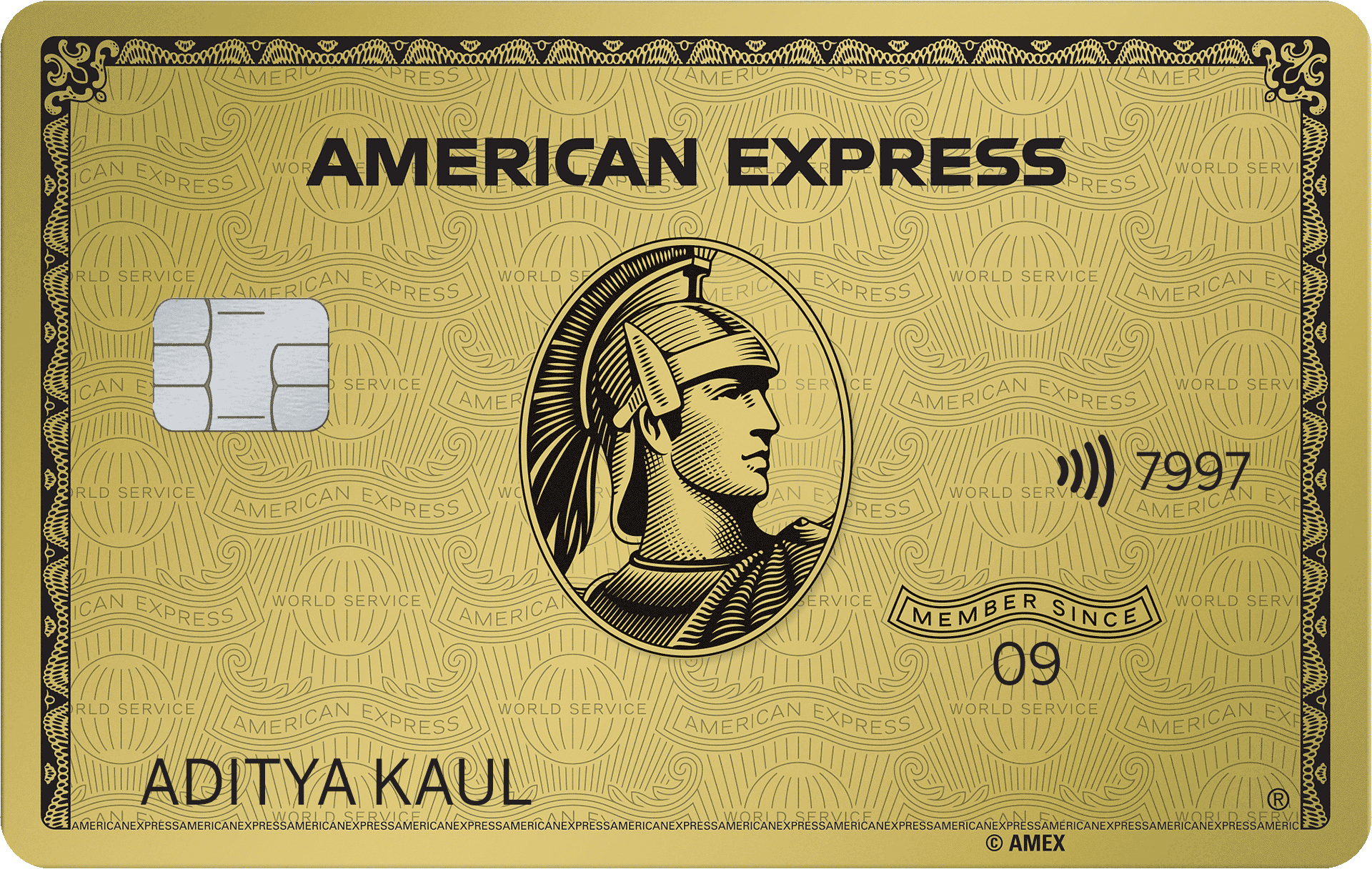
An American Express charge card, such as the classic Green, Gold, or Platinum cards, operates differently. In its purest form, a charge card requires the balance to be paid in full every single month. There is no “revolving” interest because there is no “revolving” debt. This structure was designed for high-net-worth individuals and corporate travelers who needed a tool for spending rather than a tool for borrowing.
The Concept of “No Preset Spending Limit”
One of the most misunderstood features of Amex charge cards is the “No Preset Spending Limit.” This does not mean unlimited spending. Instead, it means that your purchasing power adjusts dynamically based on your use of the card, your payment history, your credit record, and your financial resources known to American Express. This provides more flexibility than a fixed $10,000 limit, especially for business owners making large inventory purchases, but it requires a high level of financial discipline.
The Blurring Lines: Pay Over Time
In recent years, American Express has introduced features like “Pay Over Time” and “Plan It” to its charge cards. These features allow cardholders to carry a balance on certain eligible purchases with interest, effectively turning a charge card into a hybrid that mimics a credit card. However, the underlying architecture remains that of a charge card, emphasizing liquidity and short-term settlement.
The American Express Network: Issuer and Processor
To truly grasp what type of card Amex is, one must understand the “closed-loop” vs. “open-loop” systems. This is the primary technical difference between American Express and its rivals, Visa and Mastercard.
The Closed-Loop System
Visa and Mastercard are payment networks. they do not actually issue cards or extend credit. When you have a “Chase Visa,” Chase provides the money and manages your account, while Visa simply provides the technology to process the transaction. This is an “open-loop” system involving three or four parties.
American Express, for the majority of its products, operates a “closed-loop” system. Amex acts as both the payment network (the processor) and the issuing bank (the lender). When you swipe an Amex card, American Express is the entity authorizing the transaction, the entity sending the money to the merchant, and the entity sending you the bill.
Why the Network Matters for Merchants and Users
This dual role gives American Express a unique advantage: data. Because they see both sides of the transaction—what the consumer buys and where the merchant sells—they can offer highly targeted marketing and robust fraud protection.
However, this model is also why American Express traditionally charged higher merchant fees than Visa or Mastercard. Because Amex provides the entire infrastructure and focuses on high-spending cardholders, they historically commanded a premium. While Amex is now accepted at 99% of merchants in the U.S. that accept credit cards, international acceptance can still vary because of this unique network structure.
Categorizing the Amex Portfolio: Finding the Right Financial Tool

Today, American Express offers a diverse range of cards tailored to different financial strategies. Understanding these categories is essential for anyone looking to optimize their personal or business finances.
Premium Travel and Lifestyle Cards
These are the flagship charge cards (Platinum and Gold). They are characterized by high annual fees and even higher value propositions for frequent travelers. These cards are “luxury” financial tools, providing access to airport lounges, concierge services, and significant statement credits for specific lifestyle expenses. They are designed for “transactors”—users who spend heavily and pay in full to reap the rewards.
Cash Back and Everyday Credit Cards
Recognizing that not everyone wants a charge card or a high annual fee, Amex introduced a suite of traditional revolving credit cards. The Blue Cash Everyday and Blue Cash Preferred cards are prime examples. These cards function exactly like any other credit card: they have a fixed credit limit, allow for revolving balances, and focus on cash-back rewards for common expenses like groceries and gas.
Business and Corporate Solutions
American Express is perhaps the dominant force in the business world. Their business cards range from the Business Platinum (a charge card for high-revenue enterprises) to the Blue Business Plus (a credit card for smaller operations). These tools are engineered to help businesses manage cash flow, track employee spending, and earn rewards on overhead costs.
The Membership Rewards Ecosystem: More Than Just Points
What type of card is Amex? For many, it is a “rewards card.” The Membership Rewards (MR) program is often cited by financial experts as one of the most valuable “private currencies” in the world.
The Value of Transferable Points
Unlike cards that are tied to a specific airline (like a Delta card) or a specific hotel (like a Marriott card), Amex Membership Rewards are transferable. This means the points earned on an Amex card can be moved to various airline and hotel partners. This flexibility makes the Amex card a powerful tool for “travel hacking” and maximizing the “return on spend.”
Consumer Protections and “The Amex Experience”
Beyond the points, an Amex card is often defined by its secondary benefits. This includes purchase protection (covering items against theft or damage), extended warranties, and robust travel insurance. For many cardholders, the “type” of card Amex is can be summed up as an “insurance policy.” The company has a long-standing reputation for siding with the consumer in disputes, which adds a layer of security to high-ticket purchases.
Strategic Financial Management: Is an Amex Right for You?
Choosing an American Express card requires an honest assessment of your financial habits. Because of the unique nature of their flagship products, they are not a one-size-fits-all solution.
Credit Score and Eligibility
Generally, American Express cards are geared toward consumers with good to excellent credit. They are “premium” cards, and their underwriting reflects that. If you are in the process of building or repairing credit, a high-tier Amex charge card may be out of reach, though they have recently introduced “Apply with Confidence” features that allow you to see if you’re approved with no impact to your credit score.
The Discipline of the Charge Card
The “pay in full” requirement of the charge card is a double-edged sword. For the disciplined spender, it is a fantastic tool that prevents the accumulation of high-interest debt. It forces a monthly “financial reset.” However, for those who struggle with cash flow management, the rigid payment structure can lead to significant late fees and a damaged relationship with the issuer.
Calculating the Annual Fee ROI
Many Amex cards carry annual fees ranging from $150 to $695. To determine if this type of card is a sound financial move, you must perform a “Return on Investment” (ROI) calculation. If the Platinum card costs $695 but provides $200 in hotel credits, $200 in Uber credits, $240 in digital entertainment credits, and lounge access that saves you $100 a year in airport meals, the card effectively pays for itself. If you do not use those specific services, the card becomes an expensive liability.
Final Summary
In the final analysis, American Express is a multi-faceted financial institution that offers a variety of card types.
-
Functionally, it is the premier provider of charge cards, though it also offers a robust line of credit cards.
-
Technically, it is a closed-loop network where the company acts as both the bank and the processor.
-
Strategically, it is a premium rewards platform designed for consumers and businesses who prioritize travel perks, consumer protection, and high-value points over low-interest borrowing.
Whether you are looking for a tool to manage business cash flow, a way to earn “free” international first-class flights, or a reliable card for daily grocery spending, American Express likely has a card type that fits the bill—provided you understand the mechanics of the “Amex way” of banking.
aViewFromTheCave is a participant in the Amazon Services LLC Associates Program, an affiliate advertising program designed to provide a means for sites to earn advertising fees by advertising and linking to Amazon.com. Amazon, the Amazon logo, AmazonSupply, and the AmazonSupply logo are trademarks of Amazon.com, Inc. or its affiliates. As an Amazon Associate we earn affiliate commissions from qualifying purchases.