
The landscape of personal finance has undergone a seismic shift over the last decade. What began as a niche experiment in cryptography has evolved into a multi-trillion-dollar asset class that commands the attention of institutional investors, sovereign nations, and everyday savers alike. Bitcoin, often referred to as “digital gold,” represents a fundamental change in how we perceive and store value. However, for those standing on the sidelines, the most pressing question remains practical: where do you buy Bitcoin?
Choosing a venue for your first or next Bitcoin acquisition is not merely a matter of convenience; it is a strategic financial decision. The platform you choose dictates your transaction costs, the security of your assets, the ease of tax reporting, and your overall exposure to market volatility. This guide explores the diverse ecosystem of Bitcoin acquisition, focusing on the financial tools and methodologies that align with professional wealth management.
1. Centralized Exchanges: The Institutional-Grade Gateway
For the vast majority of investors, centralized exchanges (CEXs) are the primary entry point into the world of digital assets. These platforms function similarly to traditional stock brokerages, providing a user-friendly interface, deep liquidity, and a bridge between fiat currency (like the USD or EUR) and digital tokens.
The Role of Regulatory Compliance and KYC
When you choose a centralized exchange, you are engaging with a regulated entity. Major platforms such as Coinbase, Kraken, and Gemini have invested heavily in compliance. To buy Bitcoin on these platforms, you must undergo a “Know Your Customer” (KYC) process. From a financial perspective, this is a double-edged sword. While it requires sharing personal data, it also ensures that the platform operates within the legal frameworks of your jurisdiction. This regulatory oversight provides a layer of protection against fraud and simplifies the process of integrating your Bitcoin holdings into your broader financial portfolio.
Liquidity and Price Discovery
One of the most significant advantages of using a large-scale exchange is liquidity. Liquidity refers to the ease with which an asset can be converted into cash (or another asset) without affecting its price. High-volume exchanges ensure that when you place a “buy” order, it is filled instantly at a price that closely reflects the global market average. For serious investors looking to deploy significant capital, the tight spreads offered by centralized exchanges are essential for minimizing slippage—the difference between the expected price of a trade and the price at which the trade is actually executed.
Fee Structures for the Savvy Investor
Navigating the fee structures of centralized exchanges requires a keen eye. Most platforms utilize a “Maker-Taker” model. “Makers” provide liquidity by placing limit orders, while “Takers” remove liquidity by placing market orders. Usually, makers pay lower fees. Additionally, many exchanges offer tiered fee schedules based on your 30-day trading volume. If you are planning to make Bitcoin a recurring part of your investment strategy, understanding these tiers can save you thousands of dollars in the long run.
2. Peer-to-Peer (P2P) Marketplaces and Direct Purchases
While centralized exchanges are the most common route, they are not the only way to acquire Bitcoin. For those who prioritize financial privacy or live in regions with limited banking infrastructure, Peer-to-Peer (P2P) marketplaces offer a decentralized alternative.
Maintaining Financial Autonomy
P2P platforms like Bisq or Hodl Hodl act as escrow services that facilitate direct transactions between individuals. Unlike a centralized exchange, where you buy from the platform’s liquidity pool, in a P2P transaction, you are buying directly from another human being. This method harkens back to the original ethos of Bitcoin: a peer-to-peer electronic cash system. From a money management standpoint, P2P allows for a greater variety of payment methods, including cash-in-person, international wire transfers, and even gift card exchanges.
The Risks and Rewards of Disintermediation
Removing the middleman comes with increased responsibility. In a P2P environment, the onus of due diligence falls on the buyer. You must vet the seller’s reputation and ensure that the escrow conditions are met. While P2P can sometimes carry a premium (prices slightly higher than the market spot rate), the benefit is the acquisition of “non-KYC” Bitcoin. This can be a valuable component of a diversified financial plan for those concerned about the over-reach of centralized financial institutions or those seeking to maintain a high degree of privacy in their net worth.
Bitcoin ATMs and Physical Vending
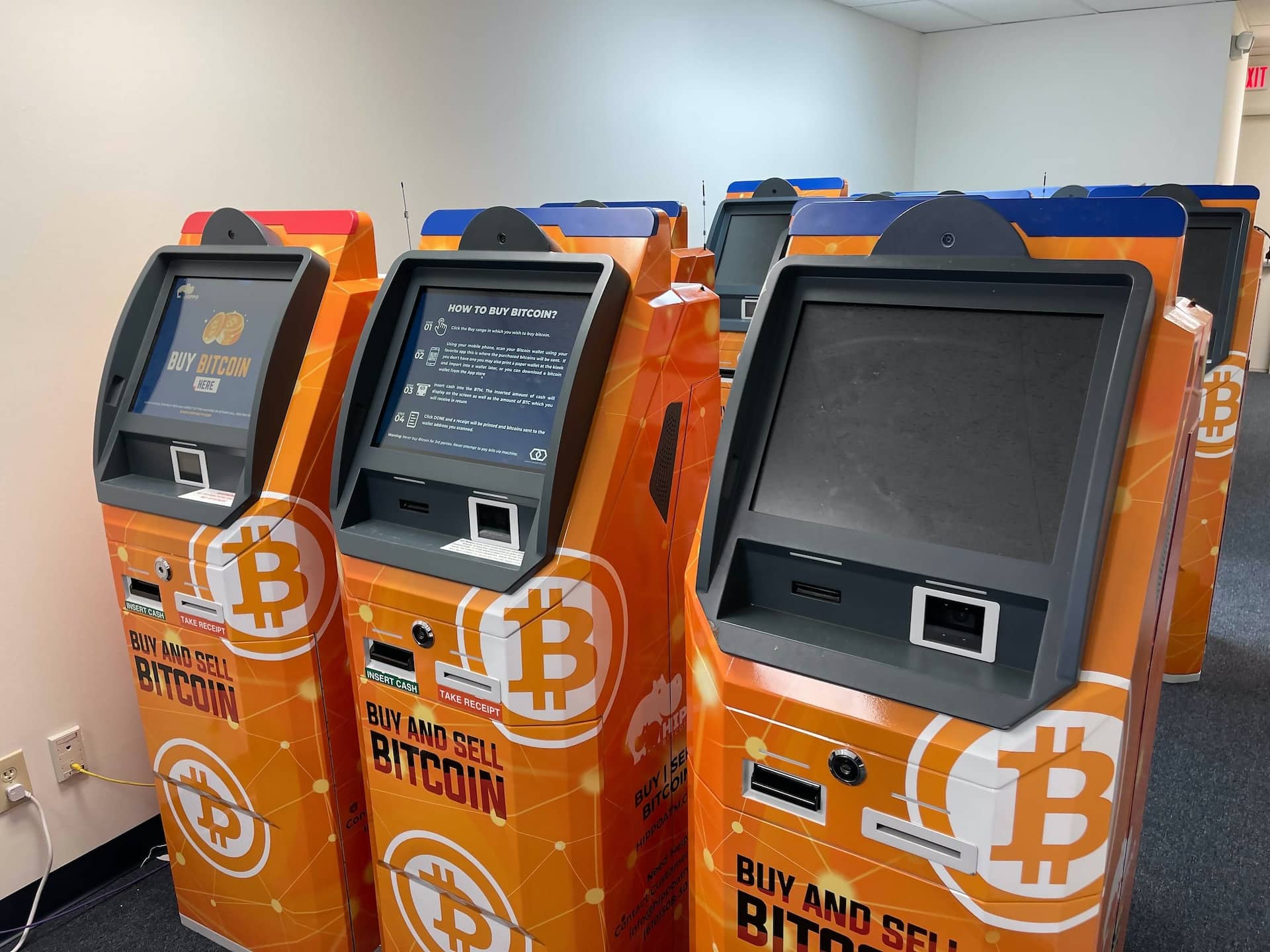
For immediate, local access, Bitcoin ATMs (BTMs) have proliferated in cities worldwide. These machines allow users to insert cash and receive Bitcoin directly to a digital wallet. While convenient, BTMs are generally the most expensive way to buy Bitcoin, often carrying fees ranging from 7% to 15%. From a wealth-building perspective, BTMs are rarely the optimal choice due to these high overheads, but they serve as a critical emergency tool for liquidity in the physical world.
3. Financial Apps and Traditional Brokerages
In recent years, the barrier between “crypto” and “traditional finance” has blurred. Many individuals now buy Bitcoin through the same apps they use for banking or stock trading.
Integrated Fintech Solutions
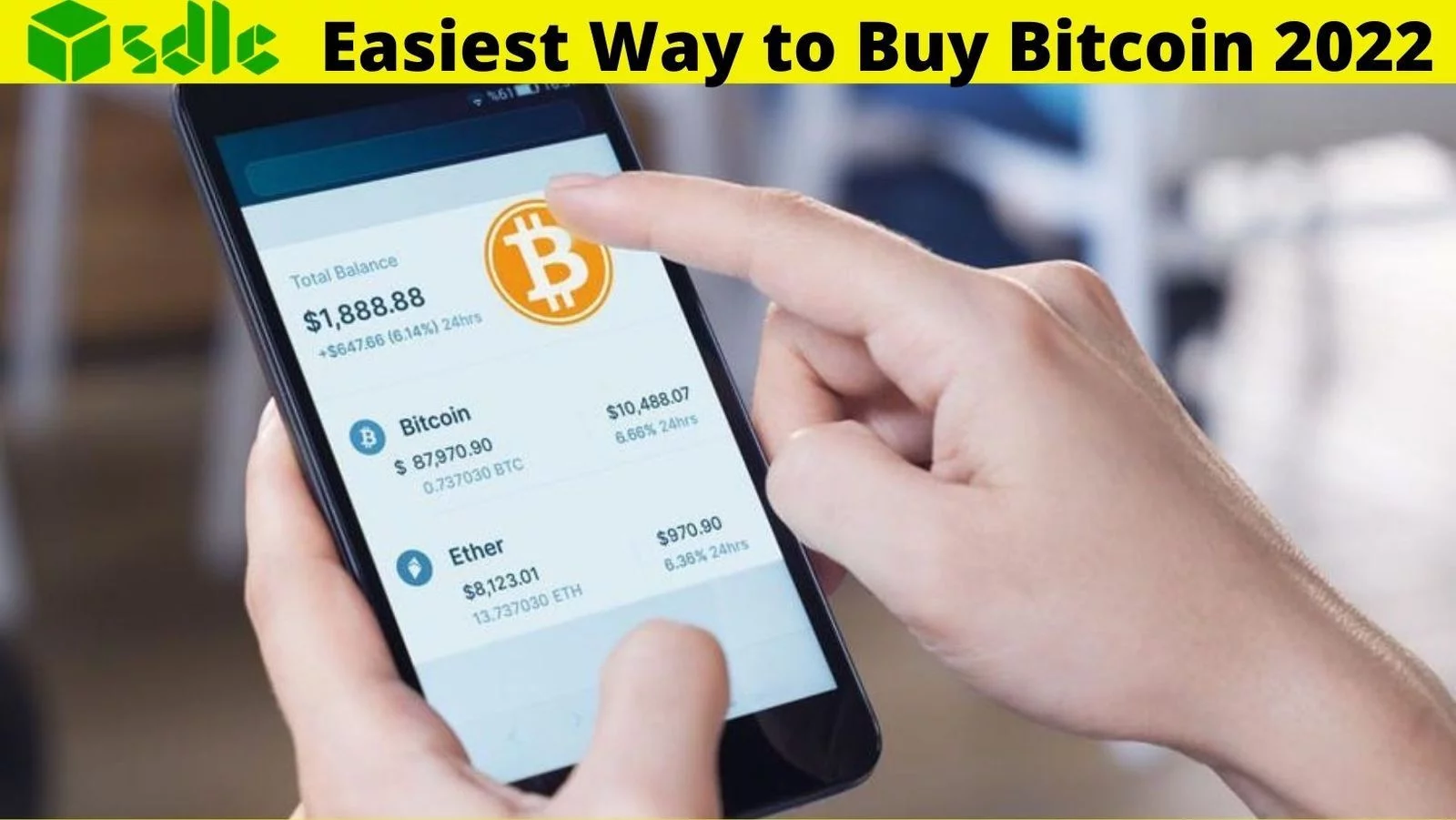
Apps like Cash App, PayPal, and Revolut have integrated Bitcoin purchasing directly into their interfaces. This is perhaps the easiest way for a novice to start. The advantage here is the “all-in-one” financial experience. You can manage your checking account, buy stocks, and hold Bitcoin in a single app. However, investors must be cautious: some of these platforms do not allow you to withdraw your Bitcoin to an external wallet. In the world of digital finance, “not your keys, not your coins” is a vital rule. If you cannot withdraw the asset, you essentially hold a “paper” claim on Bitcoin rather than the asset itself.
The Emergence of Bitcoin ETFs
For those who prefer to keep their investments within a traditional retirement account (like an IRA or 401k), the approval of Spot Bitcoin ETFs (Exchange-Traded Funds) has been a game-changer. By purchasing an ETF like IBIT or FBTC through a traditional brokerage like Fidelity or Charles Schwab, you gain exposure to the price movements of Bitcoin without the need to manage digital keys or navigate crypto-specific exchanges. This is a sophisticated financial tool that offers the benefits of professional custody and easy integration into tax-advantaged accounts.
4. Securing Your Investment: Post-Purchase Logistics
Determining where to buy Bitcoin is only half the battle; the other half is determining where to keep it. In personal finance, capital preservation is just as important as capital appreciation.
Custodial vs. Non-Custodial Management
If you leave your Bitcoin on the exchange where you bought it, you are using a “custodial” service. You are trusting the exchange to keep your money safe. While reputable exchanges use institutional-grade security, they are also targets for hackers. For larger holdings, professional financial advisors often recommend moving assets to a “non-custodial” wallet. This gives you total control over the private keys—the digital codes that authorize transactions.
Cold Storage: The Gold Standard of Security
For long-term “HODLing” (a term used in the industry for long-term holding), cold storage is the preferred method. Cold storage involves keeping your private keys on a hardware device that is not connected to the internet. By taking your Bitcoin “offline,” you eliminate the risk of remote hacking. This practice is synonymous with putting physical gold in a private vault. It is a fundamental step in a robust digital wealth management strategy.
Developing an Exit and Rebalancing Strategy
Buying Bitcoin should not be an impulsive act but part of a disciplined financial plan. Where you buy your Bitcoin often dictates how easily you can sell it. If you use a high-liquidity exchange, you can set “limit sell” orders to take profits at specific price targets. Integrating Bitcoin into a rebalancing strategy—where you periodically sell a portion of your winners to buy underperforming assets—can help manage the overall risk of your investment portfolio.

Conclusion
The question of where to buy Bitcoin has many answers, each catering to different financial goals and risk tolerances. For the beginner seeking ease of use, a regulated centralized exchange or a familiar fintech app is the most logical starting point. For the seasoned investor looking for tax efficiency, a Bitcoin ETF offers a seamless path within the traditional financial system. And for the privacy-conscious individual, P2P marketplaces provide a route to financial sovereignty.
Regardless of the platform you choose, the most successful Bitcoin investors are those who view the asset through the lens of long-term value. By understanding the fee structures, security protocols, and regulatory environments of these various “points of entry,” you can navigate the digital asset market with the confidence of a professional. Bitcoin is more than just a technology; it is a financial tool that, when used correctly, can provide a powerful hedge against inflation and a unique opportunity for wealth creation in the digital age.
aViewFromTheCave is a participant in the Amazon Services LLC Associates Program, an affiliate advertising program designed to provide a means for sites to earn advertising fees by advertising and linking to Amazon.com. Amazon, the Amazon logo, AmazonSupply, and the AmazonSupply logo are trademarks of Amazon.com, Inc. or its affiliates. As an Amazon Associate we earn affiliate commissions from qualifying purchases.