
Securing a mortgage is arguably the most significant financial commitment the average person will make in their lifetime. Because a home loan often spans fifteen to thirty years, the institution you choose to partner with can influence your net worth, your monthly cash flow, and your overall financial stability for decades. For the modern homebuyer, the question of “where” to get a mortgage is no longer limited to the local bank on the corner. The landscape has expanded into a diverse ecosystem of traditional banks, credit unions, independent mortgage companies, and digital-first fintech platforms.
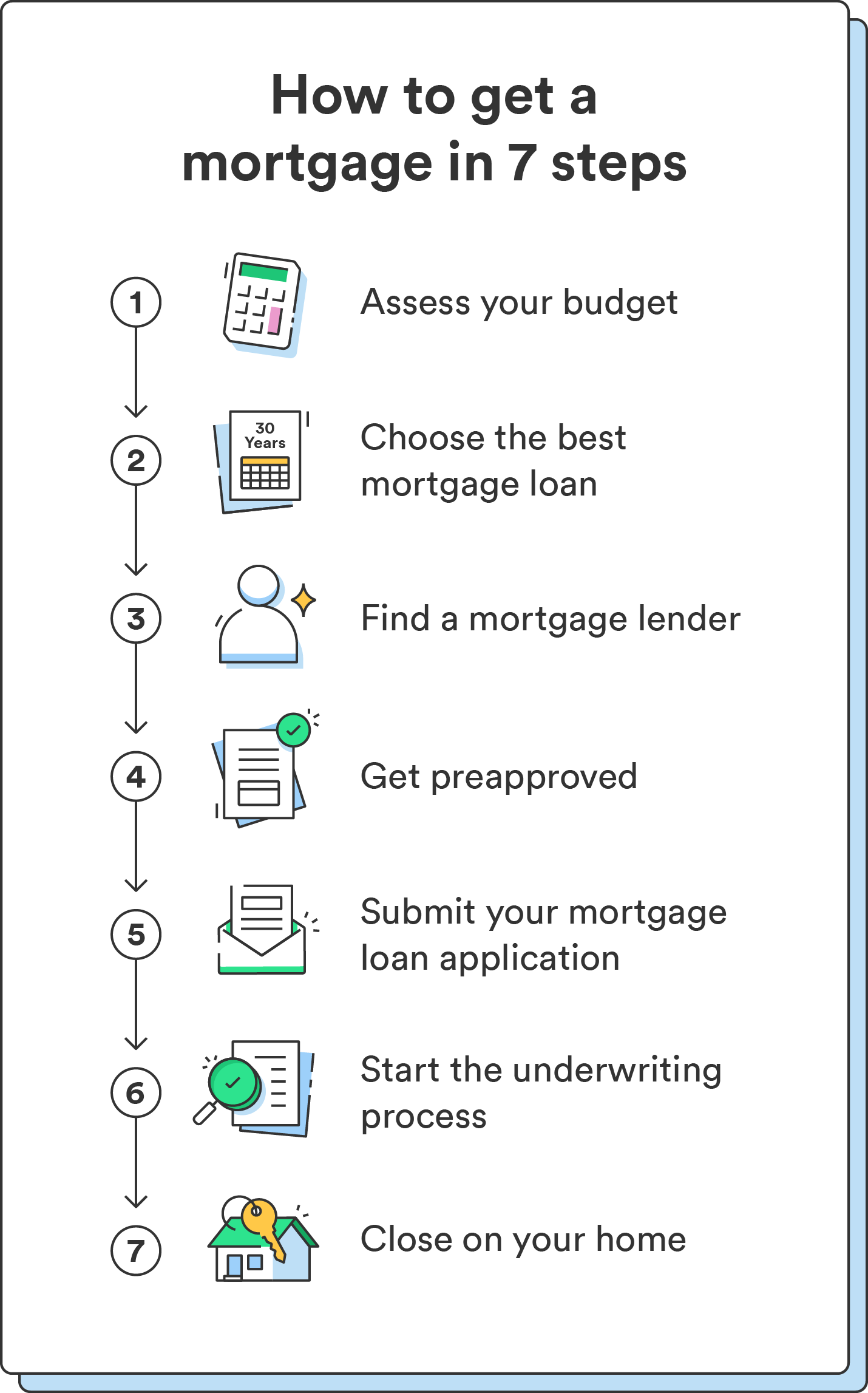
Understanding the nuances of these various lending channels is essential for any savvy investor or homebuyer. Each type of lender operates under different regulatory frameworks, offers unique product suites, and maintains varying appetites for risk. By matching your financial profile with the right category of lender, you can optimize for the lowest possible interest rate, the most favorable terms, and a closing process that aligns with your specific timeline.
The Pillars of Lending: Traditional Banks and Credit Unions
For many, the first instinct is to turn to a traditional depository institution. These are the household names—the national and regional banks where you might already hold a checking or savings account. The primary advantage of a retail bank is the established relationship. If you are a high-net-worth individual or a long-standing customer, these institutions often provide “relationship pricing,” which can manifest as a reduction in interest rates or a waiver of certain origination fees.
Traditional banks are generally characterized by their stability and their ability to handle complex financial portfolios. If your income sources include a mix of W-2 wages, K-1 distributions from business interests, and investment dividends, a traditional bank’s private wealth department may be better equipped to manually underwrite your file compared to a highly automated online lender. However, the trade-off is often a more rigid set of overlays—additional credit requirements that the bank imposes on top of standard federal guidelines—which can make it harder for those with unconventional credit histories to qualify.
Credit unions represent a compelling alternative within the traditional space. As member-owned, non-profit cooperatives, credit unions are not beholden to shareholders. Instead, they return profits to their members in the form of lower interest rates and reduced fees. In many market cycles, credit unions offer some of the most competitive mortgage rates available. They also tend to excel in personalized service and community-based lending. If you belong to a professional organization, a labor union, or live in a specific geographic area, investigating your local credit union is a mandatory step in the due diligence process. The main limitation is that their technology stacks may not always be as sophisticated as those of larger banks or fintechs, potentially leading to a slower documentation process.
National Banks vs. Community Banks
While national banks offer the convenience of massive infrastructure and nationwide reach, community banks often provide more flexibility. A community bank is more likely to hold a “portfolio loan,” meaning they keep the mortgage on their own books rather than selling it to the secondary market (Fannie Mae or Freddie Mac). This allows them to create custom terms for unique properties or borrowers who don’t fit into the standard “cookie-cutter” mold.
The Rise of Non-Bank Lenders and Mortgage Brokers
In the last decade, the mortgage market has seen a massive shift toward non-bank lenders. These are companies that specialize exclusively in residential lending; they do not offer checking accounts or credit cards. Names like Rocket Mortgage or United Wholesale Mortgage have become industry giants by focusing on one thing: the speed and efficiency of the mortgage transaction.
Independent Mortgage Banks (IMBs) typically have more flexible underwriting standards than traditional retail banks. Because their entire business model relies on loan volume, they are often more motivated to find creative solutions for borrowers. Many of these lenders operate via robust digital platforms that allow you to upload documents, link your bank accounts for asset verification, and track your loan’s progress in real-time. This digital-first approach significantly reduces the time from application to clear-to-close, which can be a decisive advantage in a competitive real estate market where sellers prioritize buyers who can close quickly.
Working with a Mortgage Broker
A mortgage broker acts as an intermediary between you and a vast network of wholesale lenders. Unlike a loan officer at a bank who can only offer that bank’s specific products, a broker can “shop” your file to dozens of different institutions simultaneously. This creates a competitive environment where lenders vie for your business.
Brokers are particularly valuable for borrowers with unique needs, such as self-employed individuals, those with lower credit scores, or real estate investors looking for specialized products like Debt Service Coverage Ratio (DSCR) loans. The broker handles the legwork of comparing rates and terms, which can save the borrower a significant amount of time. It is important to note, however, that brokers are compensated via a commission, which is either paid by the lender or the borrower. Transparency regarding these fees is critical when evaluating a broker’s offer.

Government-Backed Lending Programs
Where you get your mortgage might also be determined by the specific type of loan program you require. The federal government does not typically lend money directly to consumers (with the exception of some USDA programs), but it “backs” or insures loans made by private lenders. This insurance reduces the risk for the lender, allowing them to offer lower down payments and more lenient credit requirements.
FHA, VA, and USDA Options
The Federal Housing Administration (FHA) provides a pathway for those with modest credit scores or limited down payment savings. Most retail banks and independent lenders are FHA-approved, but their internal “overlays” may still vary. If one lender denies your FHA application due to a credit score of 600, another lender specializing in government products might accept it.
The Department of Veterans Affairs (VA) offers arguably the best mortgage product in the United States, featuring zero down payment and no private mortgage insurance (PMI) for eligible veterans and active-duty service members. While most lenders can facilitate VA loans, seeking out a lender that specializes in military relocation and VA guidelines can ensure a smoother process, as these loans have specific appraisal and inspection requirements.
Finally, the USDA loan program targets rural and suburban development. These loans also offer 100% financing. If you are looking for a property in a designated rural area, you should specifically look for lenders that are experienced in USDA processing, as these files require an extra layer of approval through the Department of Agriculture, which can add time to the closing calendar.
Factors to Consider When Selecting Your Source
Deciding where to get a mortgage involves more than just picking the lowest interest rate advertised on a website. To protect your financial interests, you must look at the total cost of credit and the reliability of the institution.
The Loan Estimate (LE)
Within three business days of applying for a mortgage, every lender is legally required to provide you with a Loan Estimate. This is a standardized three-page document that allows for an “apples-to-apples” comparison between different lenders. When reviewing these, pay close attention to Section A: Origination Charges. These are the fees the lender is charging you to do the loan. While one lender might offer a lower interest rate, they may be charging thousands of dollars in “points” to buy that rate down. A different lender might have a slightly higher rate but zero origination fees. Calculating the “break-even point”—how long you must stay in the home for the lower rate to offset the higher upfront fees—is a critical piece of financial analysis.
Technology and Transparency
In the modern economy, the quality of a lender’s digital interface is a reflection of their operational efficiency. A lender that requires you to fax documents or manually mail hard copies is likely to have a slower back-office process. Conversely, a lender that uses secure portals, e-signatures, and automated income verification can often shave weeks off the processing time. Furthermore, look for transparency. A quality lender will be able to explain the “why” behind your interest rate and provide a clear timeline for milestones like the appraisal and the underwriting review.
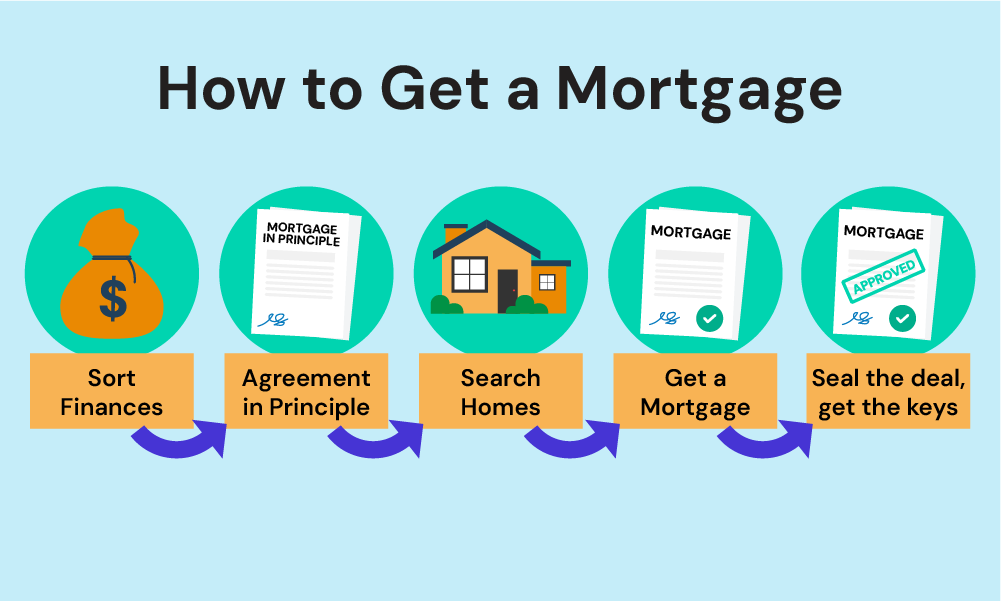
Strategic Steps to Securing the Best Deal
The process of finding the right mortgage source should begin at least six months before you intend to purchase a property. This lead time allows you to optimize your financial profile, which in turn opens doors to more prestigious lenders and better rates.
-
Audit Your Credit Profile: Most lenders use a specific FICO model for mortgage lending that differs from the one used by credit card companies. Access your official credit reports and ensure there are no errors. Even a 20-point difference in your score can move you into a different “pricing bucket,” saving you tens of thousands of dollars over the life of the loan.
-
Determine Your Priorities: Are you looking for the lowest monthly payment, the lowest closing costs, or the fastest closing time? If you are in a “bidding war” for a house, a local lender with a reputation for on-time closings might be more valuable than a distant online lender with a slightly lower rate.
-
Get Pre-Approved, Not Just Pre-Qualified: A pre-qualification is a superficial look at your finances. A pre-approval involves a lender actually reviewing your tax returns, pay stubs, and bank statements. Having a robust pre-approval from a reputable source makes your offer much more attractive to sellers and confirms exactly how much purchasing power you have.
-
Shop Within a Tight Window: When you shop for a mortgage, lenders will perform a “hard pull” on your credit. However, credit scoring models recognize that consumers shop for the best rates. As long as all your mortgage inquiries occur within a 14 to 45-day window (depending on the FICO version), they are typically treated as a single inquiry for scoring purposes. This allows you to solicit quotes from a bank, a credit union, and a broker simultaneously without damaging your credit score.
Where you get your mortgage is a decision that sits at the intersection of personal finance and strategic planning. By looking beyond the surface level of television advertisements and exploring the full spectrum of banks, credit unions, brokers, and digital lenders, you can secure a financial product that not only facilitates homeownership but also serves as a foundation for long-term wealth creation. In the current economic environment, the “where” is just as important as the “how much,” and a well-researched choice today will pay dividends for decades to come.
aViewFromTheCave is a participant in the Amazon Services LLC Associates Program, an affiliate advertising program designed to provide a means for sites to earn advertising fees by advertising and linking to Amazon.com. Amazon, the Amazon logo, AmazonSupply, and the AmazonSupply logo are trademarks of Amazon.com, Inc. or its affiliates. As an Amazon Associate we earn affiliate commissions from qualifying purchases.