
Securing a mortgage is arguably the most significant financial step in the home-buying journey. For most individuals, the path to homeownership is paved with complex terminology, varying interest rates, and a multitude of lending institutions vying for their business. Understanding where to get a loan to buy a house requires more than just looking at the lowest advertised rate; it involves evaluating the stability of the institution, the variety of loan products offered, and how well those products align with your specific financial profile.
In today’s diverse financial landscape, borrowers are no longer restricted to the local bank on the corner. The market has expanded to include massive national banks, community-oriented credit unions, specialized online lenders, and government-backed programs. Each of these avenues offers unique advantages and potential drawbacks. To make an informed decision, a borrower must navigate these options with a clear understanding of their own financial health and long-term goals.
Traditional Financial Institutions: Banks and Credit Unions
Traditional institutions remain the cornerstone of the mortgage industry. These are the entities most people think of first when they consider borrowing money. They offer a sense of stability and often provide a “one-stop-shop” experience for those who already manage their checking and savings accounts within the same organization.
Large National Banks
National banks are characterized by their massive capital reserves and wide geographical footprints. Institutions like Chase, Bank of America, and Wells Fargo offer a vast array of mortgage products, ranging from standard 30-year fixed-rate loans to complex adjustable-rate mortgages (ARMs) and jumbo loans for high-value properties.
The primary advantage of a large bank is its sophisticated infrastructure. They typically have robust online portals and mobile apps that make tracking your application and making future payments seamless. However, because they deal with a high volume of clients, the experience can sometimes feel impersonal. Their underwriting criteria are also often more rigid; if your financial profile doesn’t fit neatly into a specific box, you might find the approval process challenging.
Community and Regional Banks
Regional banks offer a middle ground between the behemoths of the industry and local institutions. They often have a better understanding of the local real estate market than national banks. Because they are smaller, they may offer more personalized service and might be more willing to manually underwrite a loan—a process where a human looks at your full financial picture rather than relying solely on automated credit scoring.
Credit Unions
Credit unions are member-owned, non-profit cooperatives. This structure often allows them to return “profits” to their members in the form of lower interest rates and reduced fees. For many borrowers, credit unions represent the best value in the mortgage market.
To get a mortgage from a credit union, you must first become a member, which usually requires meeting certain criteria such as living in a specific area or working in a particular industry. While their technological interfaces might not always be as flashy as those of national banks, their customer service ratings are consistently among the highest in the industry.
The Digital Frontier: Online Lenders and Mortgage Specialists
The last decade has seen a revolution in how mortgages are processed. The rise of “Fintech” (financial technology) has birthed a new generation of lenders that operate almost entirely online. These companies have streamlined the application process, often reducing the time from application to closing by weeks.
Direct Online Lenders
Direct online lenders, such as Rocket Mortgage or Better, have built their business models on speed and transparency. By automating much of the data collection process—connecting directly to your bank accounts and tax records—they can provide pre-approval letters in minutes rather than days.
These lenders are ideal for tech-savvy borrowers who prefer a digital-first experience and want to avoid the friction of physical paperwork. However, the lack of a physical branch can be a downside for those who prefer face-to-face consultations or have highly complex financial situations that require nuanced explanations.
Mortgage Brokers
While not lenders themselves, mortgage brokers play a vital role in the ecosystem. A broker acts as an intermediary between the borrower and a variety of different lenders. When you work with a broker, you submit one application, and they “shop” it around to multiple wholesale lenders to find the best rate and terms for your specific situation.
Brokers are particularly valuable for borrowers with unique circumstances, such as being self-employed or having a less-than-perfect credit score. They have access to niche lending products that are not available to the general public. It is important to note that brokers earn a commission, which is either paid by the lender or built into your loan costs, so it is essential to review the fee structure before committing.
Government-Backed Loan Programs

For many first-time homebuyers or those with limited down payment funds, the best place to get a loan is through a program backed by the federal government. These loans are designed to make homeownership more accessible by reducing the risk for the lender.
FHA Loans
Insured by the Federal Housing Administration, FHA loans are a staple for buyers with lower credit scores or smaller down payments. While conventional loans often require a 620 credit score or higher, FHA loans can sometimes be obtained with a score as low as 580 (with a 3.5% down payment) or even 500 (with a 10% down payment).
The trade-off for these more lenient requirements is the mandatory Mortgage Insurance Premium (MIP). This insurance protects the lender if the borrower defaults and must be paid both as an upfront fee and a monthly premium, often for the life of the loan.
VA Loans
Available to active-duty service members, veterans, and eligible surviving spouses, VA loans are arguably the most powerful mortgage product on the market. Backed by the Department of Veterans Affairs, these loans typically require no down payment and no private mortgage insurance (PMI).
VA loans also tend to have lower interest rates than conventional mortgages. For those who qualify, this is almost always the most financially advantageous route to take.
USDA Loans
For those looking to buy in designated rural or suburban areas, the U.S. Department of Agriculture offers the USDA Rural Development Single Family Housing Loan Program. Like VA loans, these often require $0 down. They are designed to encourage the development of less-populated areas and are subject to household income limits, meaning they are specifically targeted at low-to-moderate-income borrowers.
Key Factors to Evaluate When Choosing a Lender
Knowing where to look is only half the battle; knowing how to compare the offers is what saves you money in the long run. When evaluating different lenders, you must look beyond the initial interest rate.
Interest Rates and APR
The interest rate is the cost of borrowing the principal amount, but the Annual Percentage Rate (APR) provides a more accurate picture of the total cost. The APR includes the interest rate plus other costs such as points, mortgage broker fees, and other loan charges. Always use the APR to compare “apples to apples” when looking at quotes from different lenders.
Closing Costs and Origination Fees
Getting a loan involves significant administrative work, and lenders charge for this service. These fees can include application fees, appraisal fees, title insurance, and origination charges. Some lenders offer “no-closing-cost” mortgages, but these usually come with a higher interest rate to compensate the lender for the upfront costs they are absorbing.
Loan Processing Time and Communication
In a competitive real estate market, the ability to close quickly is a significant advantage. A lender that takes 60 days to process a loan may cause you to lose out on a house to a buyer with a lender that can close in 21 days. Before choosing a lender, ask about their average “time to close” and who your primary point of contact will be throughout the process.
Preparing Your Financial Profile for the Best Rates
Regardless of where you choose to get your loan, your financial “health” will dictate the terms you are offered. Lenders evaluate three primary pillars when determining your risk level: credit score, debt-to-income ratio, and capital.
Optimizing Your Credit Score
Your credit score is the single most influential factor in determining your interest rate. Even a 20-point difference can result in thousands of dollars in interest savings over the life of a 30-year loan. Before applying, it is wise to review your credit report for errors and reduce revolving credit card balances to lower your credit utilization ratio.
Managing Debt-to-Income (DTI) Ratio
Lenders want to ensure you can actually afford the monthly payments. Your DTI is calculated by dividing your total monthly debt obligations (including the projected mortgage payment) by your gross monthly income. Most conventional lenders look for a DTI of 43% or lower, though some programs allow for higher ratios if other compensating factors are present.
Building a Strong Down Payment
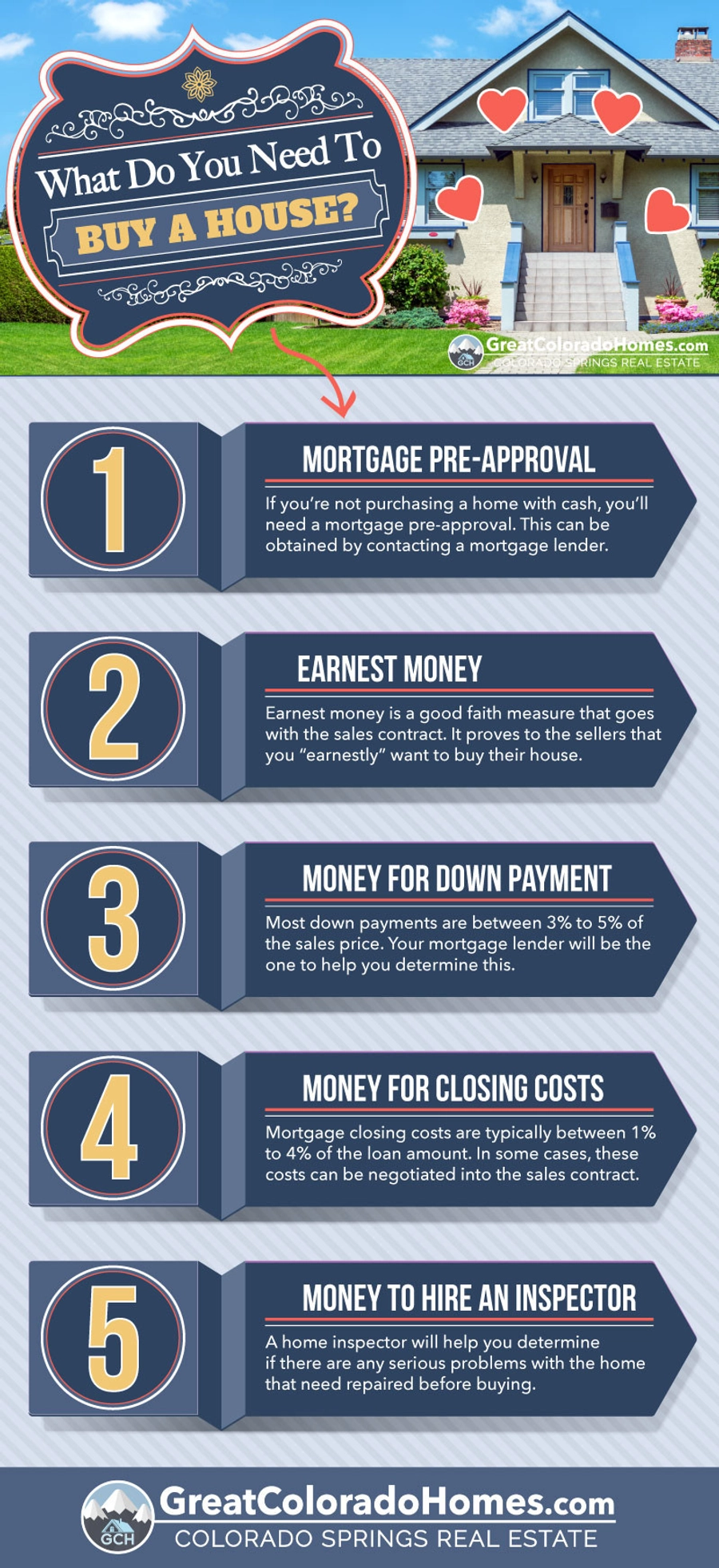
While it is possible to buy a house with 3% or even 0% down, a larger down payment typically yields better loan terms. If you can put down 20%, you avoid the requirement for Private Mortgage Insurance (PMI), which can add hundreds of dollars to your monthly payment. Furthermore, having significant “skin in the game” makes you a more attractive borrower to lenders, often resulting in lower origination fees and better service.
The search for the right mortgage lender is a balance between financial cost and service quality. By exploring the full spectrum of options—from the established reliability of national banks and the community focus of credit unions to the efficiency of online lenders and the accessibility of government programs—you can position yourself to secure a loan that fits your budget and helps you build long-term wealth through real estate. Shopping around is not just a suggestion; in the world of personal finance, it is a necessity for protecting your financial future.
aViewFromTheCave is a participant in the Amazon Services LLC Associates Program, an affiliate advertising program designed to provide a means for sites to earn advertising fees by advertising and linking to Amazon.com. Amazon, the Amazon logo, AmazonSupply, and the AmazonSupply logo are trademarks of Amazon.com, Inc. or its affiliates. As an Amazon Associate we earn affiliate commissions from qualifying purchases.