
The Electronic Benefits Transfer (EBT) system has revolutionized the way government assistance is distributed, moving away from paper coupons to a streamlined, debit-card-style experience. For millions of Americans, the EBT card is a primary tool for financial management. However, there is often confusion regarding the two distinct types of benefits loaded onto these cards: Supplemental Nutrition Assistance Program (SNAP) benefits and Cash Account benefits. While SNAP is strictly for eligible food items, Cash Account benefits—often provided through programs like Temporary Assistance for Needy Families (TANF)—can be withdrawn as physical currency to pay for essential living expenses like rent, utilities, and transportation.
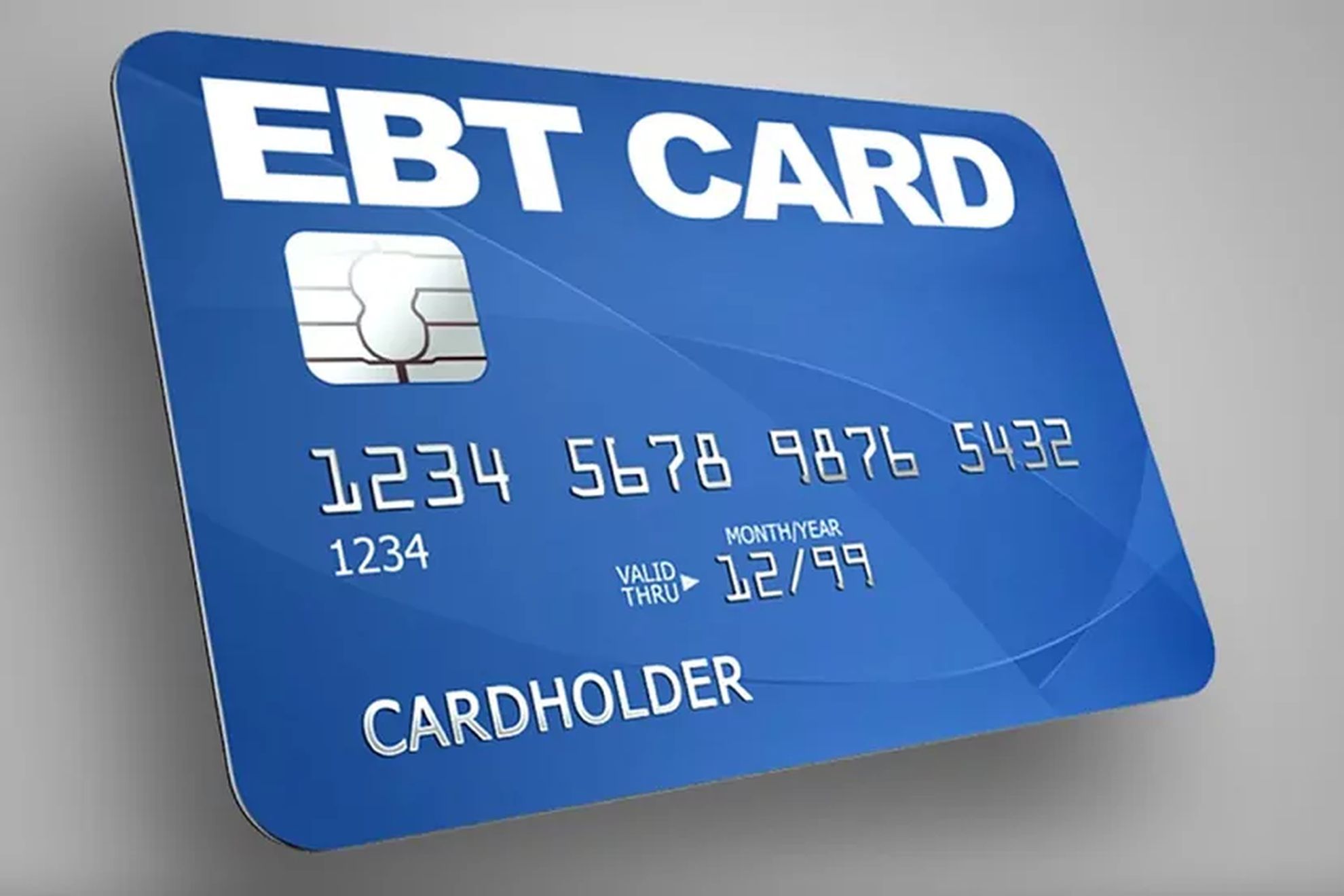
Understanding exactly where and how to withdraw EBT cash is a critical component of personal finance for benefit recipients. Accessing these funds efficiently can mean the difference between paying a bill on time and incurring late fees, or between keeping your full benefit amount and losing a portion of it to unnecessary ATM surcharges.
Primary Locations for EBT Cash Withdrawals
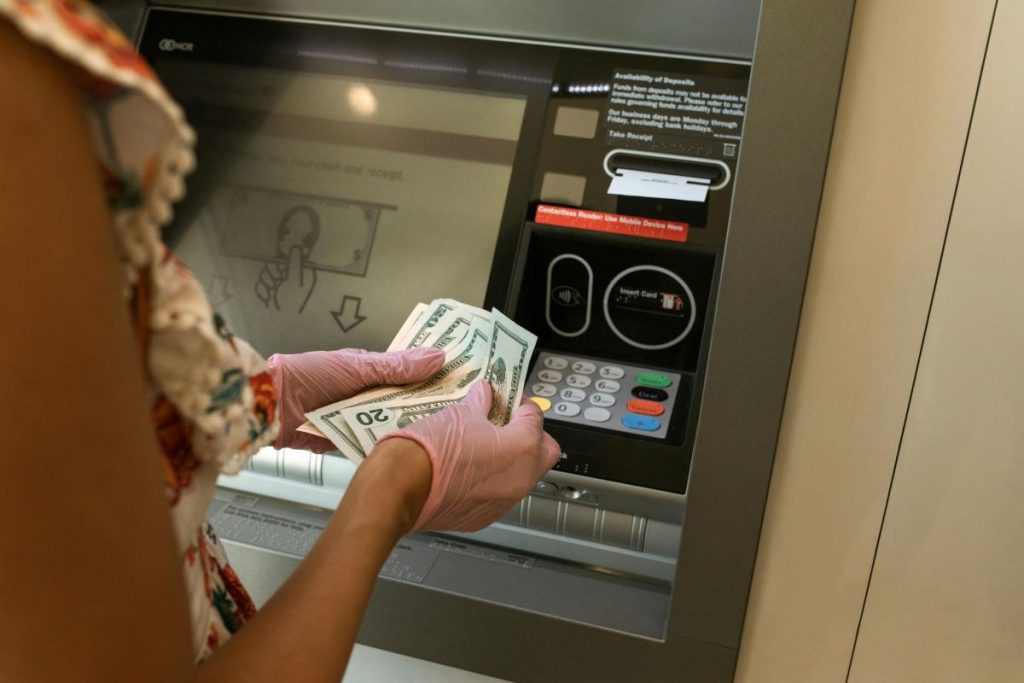
Accessing your EBT cash benefits is designed to be as convenient as using a standard debit card, though there are specific locations and limitations to keep in mind. Generally, there are two main ways to get physical cash from your EBT account: ATM withdrawals and point-of-sale (POS) cashback at retail locations.
Automated Teller Machines (ATMs)
Most ATMs that display the “Quest” logo or other major network symbols (such as Mastercard or Visa) will accept EBT cards for cash withdrawals. This includes:
-
Bank-Owned ATMs: Large national banks like Bank of America, Wells Fargo, and Chase typically allow EBT withdrawals. Many state programs have contracts with specific banks to provide fee-free withdrawals for a certain number of transactions each month.
-
Independent ATMs: These are often found in convenience stores, gas stations, and pharmacies. While convenient, these machines are more likely to charge third-party surcharges.
Retailer Point-of-Sale (POS) Cashback
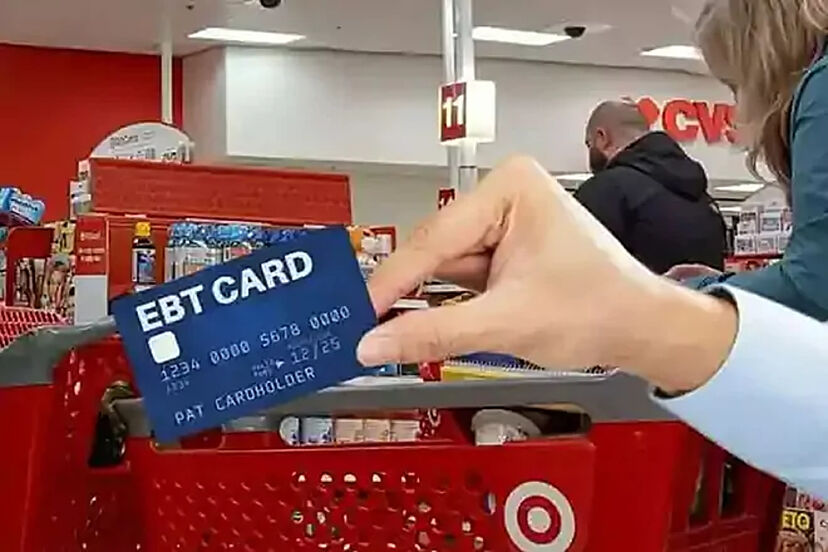
One of the most cost-effective ways to access EBT cash is through cashback during a purchase at a retail store. This method allows you to avoid ATM fees entirely. Major retailers that typically support EBT cashback include:
-
Grocery Stores: Large chains such as Kroger, Safeway, Publix, and Albertsons.
-
Big-Box Retailers: Walmart is a primary destination for EBT users, often allowing significant cashback amounts at the register or the customer service desk.
-
Discount Stores: Dollar General and Family Dollar frequently allow EBT cash transactions, though the maximum cashback amount per transaction may be lower than at a supermarket.
Check Cashing Outlets and Service Centers
In some regions, specific check-cashing stores or dedicated “Quest” service centers are authorized to process EBT cash withdrawals. While these can be useful if you are already there to handle other financial tasks, they may charge a flat service fee, making them less ideal than a fee-free bank ATM.
Maximizing Your Benefits: Navigating Fees and Surcharges
In the world of personal finance, small fees can have a massive cumulative impact on a limited budget. When withdrawing EBT cash, there are two types of fees you must navigate: the state-imposed transaction fee and the third-party ATM surcharge.
Understanding State-Mandated Limits
Most states offer a specific number of free EBT cash withdrawals per month (often two or three). Once you exceed this limit, the state may deduct a small transaction fee (typically around $0.25 to $1.00) directly from your cash balance for every subsequent withdrawal. To manage your money effectively, it is best to withdraw larger amounts less frequently rather than making several small withdrawals throughout the month.
Avoiding Third-Party Surcharges
The third-party surcharge is the fee charged by the owner of the ATM. This fee can range from $2.00 to $5.00 or more. To keep 100% of your benefits, you should seek out “surcharge-free” ATMs. Many state EBT programs partner with networks like Allpoint or specific local banks to ensure recipients have access to fee-free machines. Checking your state’s official EBT website or mobile app is the most reliable way to find a map of these surcharge-free locations.
The Cashback Strategy
The most effective way to bypass both state transaction fees and ATM surcharges is to use the cashback option at a grocery store. When you buy a small necessity—like a gallon of milk or a loaf of bread—and request cashback, the transaction is processed as a “purchase,” not a “withdrawal.” This often circumvents the state’s limit on free monthly ATM uses and avoids the ATM owner’s fee entirely.
Prohibited Locations and Usage Restrictions
While EBT cash is intended to provide flexibility for basic needs, federal and state laws strictly prohibit the use of EBT cards (and the withdrawal of EBT cash) at certain types of establishments. These restrictions are in place to ensure that public funds are used for their intended purpose: supporting the health and stability of the household.
Prohibited Establishments
Under the Middle Class Tax Relief and Job Creation Act of 2012, states are required to prevent EBT card access at:
-
Liquor Stores: Any establishment that sells exclusively or primarily alcoholic beverages.
-
Casinos and Gaming Parlors: This includes horse racing tracks, bingo halls, and any location where gambling is the primary activity.
-
Adult Entertainment Venues: Strip clubs, adult theaters, or any venue providing live adult entertainment.
Attempting to use an ATM or a POS terminal at these locations will usually result in a declined transaction. More importantly, using your card at these locations can lead to a fraud investigation, loss of benefits, or even legal action.
Geographic Restrictions
It is also important to note that EBT cash is generally intended for use within your state of residence. While the “Quest” system allows for interoperability (meaning you can often use your card in a neighboring state if you are traveling), consistently withdrawing cash in a state other than where you are registered can trigger a residency audit. If you are moving or planning an extended stay in another state, you must notify your caseworker to ensure your benefits are transitioned correctly.
Digital Tools for Managing EBT Cash
Modern financial technology has made it significantly easier to manage EBT accounts. Rather than calling a toll-free number to check your balance, you can now use a variety of digital tools to track your spending and find withdrawal locations.
Official State Apps and Portals
Most states have a dedicated portal (such as ebtEDGE or a proprietary state app) that allows you to:
-
Check Real-Time Balances: Know exactly how much cash and SNAP credit you have before you head to the store.
-
Review Transaction History: Monitor your withdrawals to ensure no unauthorized activity has occurred.
-
Find ATMs: Use GPS-enabled maps to find the nearest fee-free withdrawal points.
Third-Party Financial Management Apps
There are also highly-rated third-party apps, such as “Providers” (formerly Fresh EBT), that are specifically designed for benefit recipients. These apps offer a user-friendly interface to view balances and often include additional features like:
-
Budgeting Tools: Helping users stretch their cash benefits across the entire month.
-
Job Boards and Resource Links: Connecting users with local employment opportunities or additional social services.
-
Security Notifications: Alerting users to potential scams or EBT “skimming” reports in their local area.
Safety and Security Best Practices
Managing a cash-based benefit requires a high level of vigilance. EBT cards are a frequent target for “skimming” and other fraudulent activities because, unlike credit cards, once the cash is withdrawn or spent, it is often much harder for the state to reimburse the victim.
Protecting Your PIN
Your Personal Identification Number (PIN) is the only thing protecting your cash. Never write your PIN on the card or keep it in your wallet. When entering your PIN at an ATM or a grocery store register, use your hand to shield the keypad from overhead cameras or onlookers. It is also recommended to change your PIN once a month, shortly before your benefits are deposited, to minimize the risk of a skimmer gaining access to your funds.
Inspecting Hardware
Before inserting your card into an ATM, look for signs of tampering. Skimmers are small devices placed over the card slot that read your card’s magnetic stripe. If the card slot feels loose, looks bulky, or has visible glue residue, do not use it. Whenever possible, use ATMs located inside a bank branch or a well-lit, high-traffic grocery store, as these are less likely to be tampered with than isolated outdoor machines.
Monitoring for Scams
Be wary of any text message, email, or phone call asking for your EBT card number or PIN. Government agencies will never ask for your PIN over the phone or through a link. If you receive a suspicious message claiming your account is “locked” or that you are “eligible for a bonus,” do not click any links. Instead, call the official customer service number on the back of your EBT card to verify the status of your account.
By treating your EBT card with the same level of care and strategic planning as a traditional bank account, you can ensure that your benefits remain secure and that you are maximizing every dollar provided to support your family’s financial well-being.
aViewFromTheCave is a participant in the Amazon Services LLC Associates Program, an affiliate advertising program designed to provide a means for sites to earn advertising fees by advertising and linking to Amazon.com. Amazon, the Amazon logo, AmazonSupply, and the AmazonSupply logo are trademarks of Amazon.com, Inc. or its affiliates. As an Amazon Associate we earn affiliate commissions from qualifying purchases.