
In an increasingly digitized world, the ability to conduct financial transactions seamlessly and securely is paramount. Among the myriad payment solutions available, PayPal has carved out an indispensable niche, evolving from a simple online payment processor into a comprehensive financial ecosystem. For individuals and businesses alike, understanding the vast landscape of where PayPal is accepted is key to maximizing its convenience and utility. Far from being confined to a select few websites, PayPal’s reach extends across virtually every facet of modern commerce, underpinning everything from spontaneous online purchases to complex international business operations. This extensive acceptance makes it a crucial tool for managing personal finances, optimizing online income streams, and streamlining business transactions globally.

PayPal’s success lies in its dual appeal: offering unparalleled ease of use for consumers and robust, secure payment infrastructure for merchants. This synergy has fostered an environment where “where can I use PayPal?” is less a question of scarcity and more one of exploration into its widespread financial applications. From facilitating direct peer-to-peer transfers to powering e-commerce giants and supporting nascent small businesses, PayPal serves as a financial conduit that simplifies the movement of money. This article will delve into the diverse arenas where PayPal proves to be an invaluable financial asset, illustrating its role as a pervasive and powerful financial tool in today’s digital economy.
The Ubiquity of PayPal in Online Retail
The realm of online shopping is arguably where PayPal first gained widespread recognition and continues to demonstrate its most significant presence. Its seamless integration into countless e-commerce platforms has made it a preferred payment method for millions, transforming the way consumers and merchants interact financially in the digital marketplace.
Major E-commerce Platforms and Marketplaces
PayPal’s integration into the world’s leading e-commerce platforms makes it a cornerstone of online retail. Sites like eBay, where PayPal historically played a foundational role, continue to offer it as a primary payment option. Beyond eBay, giants such as Amazon (via third-party sellers or linking to your PayPal Cash Card), Walmart, Target, and numerous other multinational retailers accept PayPal for online purchases, providing a familiar and secure checkout experience. This widespread acceptance means that consumers can confidently shop for everything from electronics and apparel to home goods and groceries, knowing their PayPal account is a valid form of payment. For online shoppers, this translates into quicker checkouts, enhanced security (as credit card details are not directly shared with every merchant), and often, buyer protection policies that add an extra layer of financial safeguarding.
Digital Goods, Services, and Subscriptions
Beyond physical products, PayPal is the financial engine behind much of the digital economy. It is widely accepted for purchasing software licenses, streaming service subscriptions (Netflix, Spotify, Hulu, etc.), online courses, and gaming content (Steam, PlayStation Store, Xbox Marketplace, Nintendo eShop). This convenience extends to various digital service providers, enabling users to pay for cloud storage, web hosting, VPNs, and other online utilities with ease. For individuals managing multiple digital subscriptions, PayPal offers a centralized way to track and control these recurring financial commitments, often simplifying the subscription management process through its intuitive dashboard. This makes it an invaluable tool for consumers navigating the ever-growing landscape of digital services, ensuring uninterrupted access to entertainment, productivity tools, and essential online utilities.
Supporting Small Businesses and Independent Merchants
PayPal has long been a champion for small businesses and independent merchants, providing accessible and affordable payment processing solutions. Platforms like Etsy, Shopify, WooCommerce, and countless individual e-commerce websites built by small businesses integrate PayPal seamlessly. This enables entrepreneurs to accept payments from a global customer base without the need for complex merchant accounts or extensive banking relationships. For consumers, choosing PayPal when shopping from small businesses means supporting local economies and independent creators, often with the same level of security and buyer protection offered by larger retailers. This democratizing effect on online commerce allows niche markets to thrive and offers unique products to a global audience, all facilitated by PayPal’s robust financial infrastructure.
Streamlining Peer-to-Peer and Freelance Payments
The modern financial landscape is not solely defined by traditional retail transactions. The rise of the gig economy and the increasing need for convenient personal money transfers have positioned PayPal as a pivotal tool for individuals and independent professionals.
Sending and Receiving Money Among Individuals
One of PayPal’s foundational features is its peer-to-peer (P2P) payment capability, primarily via its “Friends & Family” option. This allows users to send and receive money from virtually anyone with a PayPal account, making it incredibly convenient for splitting bills, sending gifts, or simply transferring funds to loved ones. The process is typically free for personal transfers within the same country when funded by a bank account or PayPal balance. This feature has revolutionized casual financial interactions, offering an immediate and secure alternative to cash or traditional bank transfers, especially across different banks. It represents a significant aspect of personal finance management, allowing for quick, trackable, and efficient movement of funds between individuals.
The Backbone of the Gig Economy
For freelancers, independent contractors, and those participating in the gig economy, PayPal is often the preferred method for receiving payments. Platforms like Upwork, Fiverr, Freelancer.com, and numerous other marketplaces for services (e.g., graphic design, writing, web development) offer PayPal as a primary payout option. This enables freelancers to easily invoice clients and receive payments from around the world, transforming their skills into online income. The ability to quickly withdraw earnings to a bank account or use the PayPal balance directly for purchases makes it an indispensable financial tool for managing irregular income streams typical of freelance work. For businesses engaging freelancers, PayPal offers a straightforward and often lower-cost method for paying service providers, simplifying vendor management and international payroll.
Facilitating International Financial Transfers
PayPal simplifies international money transfers, offering a robust solution for cross-border payments. While fees may apply for international transactions, particularly when currency conversion is involved, PayPal often presents a more user-friendly and sometimes faster alternative to traditional wire transfers. This is particularly beneficial for individuals sending money to family abroad, students receiving funds from home, or businesses paying international suppliers and remote teams. The platform handles currency conversion automatically, providing transparency and convenience. Its global acceptance means that money can be sent and received in various currencies across numerous countries, bridging geographical financial divides and supporting a truly globalized economy.
Extending PayPal’s Reach to Physical Transactions
While renowned for its online utility, PayPal has also extended its financial services into the physical world, offering convenient ways to use your balance for in-store purchases and everyday spending.
In-Store Purchases with QR Codes and Digital Wallets
PayPal has embraced modern payment technologies to facilitate in-store transactions. Many retailers now accept PayPal via QR codes, allowing customers to simply scan a code with their PayPal app and confirm payment. This contactless method offers both speed and security. Furthermore, PayPal accounts can often be linked to popular digital wallets such as Google Pay and Apple Pay. Once linked, users can select PayPal as their payment source within these wallets, enabling them to make tap-to-pay purchases wherever Google Pay or Apple Pay are accepted. This integration blurs the line between online and offline finance, allowing PayPal users to leverage their digital balance or linked financial instruments for daily physical expenditures.
The Convenience of the PayPal Debit Card
For those who prefer a traditional card for their everyday spending, the PayPal Debit Card (or PayPal Cash Card) provides a direct link to their PayPal balance. This Mastercard-branded debit card allows users to spend money directly from their PayPal account balance wherever Mastercard is accepted, both online and in physical stores. It functions like any other debit card, offering ATM withdrawals and enabling seamless point-of-sale transactions. For individuals who frequently receive payments into their PayPal account (e.g., freelancers, online sellers), this card offers immediate access to their funds without needing to transfer them to a traditional bank account first. It transforms the PayPal balance from a purely digital asset into a versatile financial tool usable in virtually any real-world scenario, embodying true financial flexibility.
Empowering Businesses with Integrated Payment Solutions
Beyond facilitating consumer purchases, PayPal offers a comprehensive suite of financial tools specifically designed to empower businesses of all sizes, from nascent startups to established enterprises. Its business solutions streamline payment acceptance, invoicing, and financial management.
Efficient Invoicing and Client Payment Acceptance
PayPal’s invoicing tools are a boon for businesses and freelancers. They allow users to create and send professional invoices directly from their PayPal account, making it simple to bill clients for goods and services. These invoices can include itemized lists, tax calculations, and customized notes, providing a transparent financial record. Clients can then pay these invoices directly through PayPal using various methods, including their PayPal balance, credit cards, or bank accounts. This system significantly streamlines the financial workflow for businesses, ensuring timely payments and reducing administrative overhead. For business finance, it offers a centralized platform for managing receivables, enhancing cash flow, and maintaining clear financial records.
Seamless E-commerce Integration for Merchants
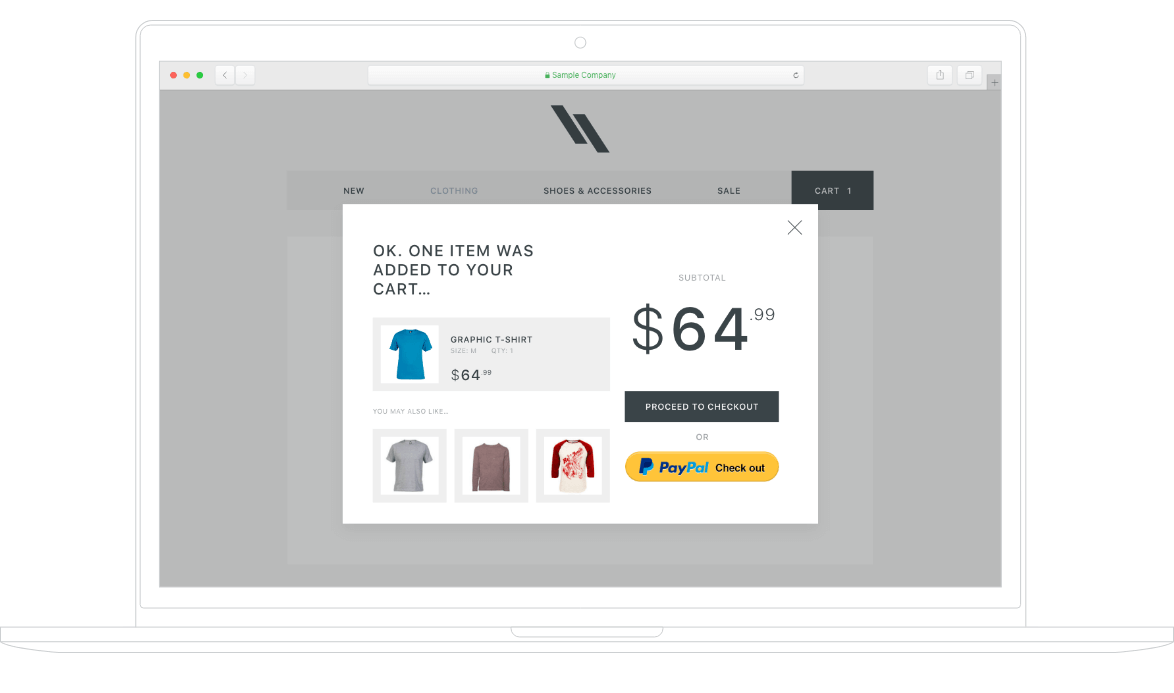
For businesses with an online presence, PayPal offers robust integration options that make accepting payments straightforward. Whether a business uses a popular e-commerce platform like Shopify, WooCommerce, or Magento, or has a custom-built website, PayPal provides developer tools and plugins for seamless integration. This allows merchants to offer PayPal as a checkout option alongside credit cards, often resulting in higher conversion rates due to PayPal’s trusted brand and express checkout features. The integration encompasses various PayPal products, including standard checkout buttons, PayPal Payments Pro for direct credit card processing, and PayPal Express Checkout for accelerated payments. This capability is vital for business growth, enabling them to tap into PayPal’s vast user base and offer a globally recognized payment solution.
Managing Business Expenses and Supplier Payments
PayPal isn’t just for receiving payments; it’s also a powerful tool for managing business expenditures. Companies can use their PayPal balance or linked bank accounts to pay suppliers, contractors, and service providers. This is particularly useful for businesses with international operations, as PayPal simplifies cross-border payments to vendors. Furthermore, the PayPal Business Debit Mastercard offers another layer of financial management, allowing businesses to spend their PayPal funds on everyday operational costs, from office supplies to marketing expenses. The ability to track all incoming and outgoing transactions within the PayPal ecosystem provides a centralized overview of a company’s financial health, aiding in budgeting, expense tracking, and overall business finance management.
Beyond Standard Transactions: Advanced Financial Features
PayPal has continually evolved its offerings, extending its financial utility beyond basic transactions to include more sophisticated financial products and services. These additions further solidify its position as a holistic financial platform.
Exploring PayPal Credit for Flexible Spending
PayPal Credit (formerly Bill Me Later) is a credit line built directly into the PayPal checkout experience. It offers eligible users the flexibility to make purchases and pay for them over time, often with promotional financing options like interest-free periods on qualifying purchases. This financial product provides an alternative payment method for larger purchases, allowing consumers to manage their cash flow more effectively. For merchants, offering PayPal Credit can increase average order values and conversion rates by making higher-priced items more accessible to customers. It represents an integrated credit solution within the PayPal ecosystem, catering to specific financial needs beyond immediate payment.
Facilitating Charitable Giving and Crowdfunding Efforts
PayPal also plays a significant role in philanthropy and community funding. Its platform is widely used by non-profit organizations and charities to accept donations online, offering a simple and secure way for individuals to contribute to causes they care about. Many crowdfunding platforms also integrate PayPal, allowing creators and project leaders to collect funds from backers efficiently. This makes PayPal an essential financial conduit for social impact, enabling individuals to support charities or innovative projects with ease. Its trusted brand helps foster confidence among donors and backers, ensuring their financial contributions reach their intended recipients securely.
Conclusion
The question “where can I use PayPal?” reveals the vast and expanding landscape of its financial utility in the modern digital economy. From its foundational role in online shopping and peer-to-peer payments to its integration into physical retail and comprehensive business solutions, PayPal has cemented its position as an indispensable financial tool. It empowers individuals to manage their personal finances with unprecedented ease, enables freelancers to thrive in the gig economy, and provides businesses with robust, secure, and globally accessible payment processing capabilities.
PayPal’s continuous evolution, incorporating features like in-store QR code payments, dedicated debit cards, credit lines, and robust business tools, underscores its commitment to being a holistic financial platform. It bridges the gap between traditional banking and the fast-paced digital world, offering a seamless experience for sending, receiving, and spending money across various contexts. As the digital economy continues to grow and evolve, PayPal’s extensive reach and adaptable services ensure it remains a critical component for managing financial transactions, driving online income, and facilitating global commerce for millions worldwide. Its presence is not just widespread; it is deeply integrated into the fabric of how we financially interact in the 21st century.
aViewFromTheCave is a participant in the Amazon Services LLC Associates Program, an affiliate advertising program designed to provide a means for sites to earn advertising fees by advertising and linking to Amazon.com. Amazon, the Amazon logo, AmazonSupply, and the AmazonSupply logo are trademarks of Amazon.com, Inc. or its affiliates. As an Amazon Associate we earn affiliate commissions from qualifying purchases.