
The annual ritual of tax season can often feel like a complex labyrinth, not just in calculating what you owe, but also in understanding the practical logistics of how and where to settle your financial obligations. For many, the question “where can I pay taxes?” is more than a simple query; it’s a gateway to ensuring compliance, avoiding penalties, and managing personal and business finances effectively. In an increasingly digital world, the options have expanded significantly beyond mailing a check, offering both convenience and new considerations for taxpayers. This comprehensive guide aims to demystify the various avenues available for paying federal, state, and local taxes, providing clarity and empowering you to make informed decisions about your financial responsibilities.
Paying taxes isn’t just a civic duty; it’s a critical component of sound financial planning. Whether you’re an individual wage earner, a self-employed professional, or a business owner, understanding the methods of payment is as important as understanding the tax code itself. From traditional paper checks to sophisticated online portals and payment processors, the landscape is diverse. Our exploration will cover the foundational types of taxes you might owe, delve into the established and emerging payment channels, highlight crucial considerations like deadlines and payment plans, and finally, touch upon how strategic financial planning can simplify future tax payments.
Understanding Your Tax Obligations
Before delving into the “where,” it’s essential to grasp the “what.” Taxes come in many forms, originating from various levels of government, each with its own payment mechanisms and schedules. Identifying which taxes apply to you is the first step in determining where to pay them.
Federal Income Tax
This is perhaps the most widely recognized tax. Levied by the U.S. government through the Internal Revenue Service (IRS), federal income tax applies to wages, salaries, self-employment income, investment earnings, and more. Most employed individuals have federal income tax withheld from their paychecks, but many still owe additional amounts or receive refunds after filing their annual return. Self-employed individuals typically pay estimated taxes quarterly.
State Income Tax
Beyond federal taxes, most states also impose an income tax, though a handful do not (e.g., Florida, Texas, Washington). State income tax rates and rules vary significantly. If you live or work in a state with income tax, you’ll have a separate obligation to that state’s revenue department, often mirrored in structure to federal payments but managed distinctly.
Local Taxes (Property, Sales, etc.)
At the local level, municipalities and counties levy various taxes that can include property taxes (for homeowners), local sales taxes (often combined with state sales tax), and sometimes local income or wage taxes. These taxes fund local services like schools, police, and infrastructure. Property taxes are usually paid directly to the county or city tax assessor, often through escrow if you have a mortgage. Sales taxes are typically collected by merchants at the point of sale.
Other Tax Types (Self-Employment, Capital Gains, Estate)
Beyond the main categories, individuals and businesses may face other specific taxes:
- Self-Employment Tax: For independent contractors and small business owners, this covers Social Security and Medicare contributions ordinarily split between employer and employee. It’s often paid as part of federal estimated tax payments.
- Capital Gains Tax: Applied to profits from the sale of assets like stocks, bonds, or real estate.
- Estate and Gift Taxes: Taxes on the transfer of wealth, typically applicable to very large estates or gifts.
Understanding these different layers of taxation is crucial because each may have distinct payment methods and administrative bodies.
Traditional Avenues for Tax Payments
Despite the surge in digital options, several traditional methods for paying taxes remain widely available and preferred by many, offering reliable alternatives to online transactions.
Direct Mail with Check or Money Order
For decades, the most common way to pay taxes was to mail a check or money order along with your tax return or a payment voucher. This method is still fully viable for federal, state, and many local taxes.
- Federal: The IRS provides specific mailing addresses based on your location and the type of payment. You must include the appropriate payment voucher (e.g., Form 1040-V for individual income tax) to ensure your payment is correctly applied.
- State & Local: State revenue departments and local tax offices also publish mailing addresses for check payments. Always verify the correct address and required accompanying forms.
- Key Considerations: Ensure checks are made out to the correct entity (e.g., “U.S. Treasury” for federal taxes), write your Social Security Number/EIN and the tax year on the check, and mail early to account for postal delays. Keep records of your payment and proof of mailing.
In-Person Payments
For those who prefer a face-to-face interaction or need to pay with cash, in-person options exist, though they have become less common for federal taxes.
- Federal (IRS): While IRS Taxpayer Assistance Centers (TACs) generally do not accept cash payments, the IRS has partnered with retail stores (e.g., 7-Eleven, Family Dollar, CVS Pharmacy) through programs like PayNearMe. These services allow taxpayers to make cash payments up to a certain limit by presenting a payment barcode obtained online.
- State & Local: Many state revenue departments and local tax collection offices still accept payments in person, often including cash. This is particularly common for property taxes or local business taxes. Always check the specific office’s policies and hours beforehand.
- Benefits: Offers immediate confirmation of payment for some methods, and provides an option for those without bank accounts or who prefer cash.
Bank Wires or Electronic Funds Withdrawal (EFW)
These methods offer a more direct electronic transfer from your bank account without using a credit card or third-party processor.
- Electronic Funds Withdrawal (EFW): This is a popular option when e-filing your federal or many state tax returns. During the e-filing process, you can authorize the IRS or state tax agency to directly debit your bank account on a specified date. It’s secure, free, and convenient.
- Bank Wire: Less common for individual income tax but sometimes used for larger business tax payments or international payments. This typically involves instructing your bank to wire funds directly to the government agency’s account.
- Advantages: EFW is highly reliable, free, and you can schedule the payment up until the due date.
The Rise of Digital Tax Payment Solutions
The digital age has revolutionized how we manage money, and tax payments are no exception. Online platforms offer unparalleled convenience, speed, and often, greater visibility into your payment status.
Official Government Websites (IRS Direct Pay, State Portals)
The most direct and often recommended digital payment methods come straight from the government agencies themselves.
- IRS Direct Pay: This free service allows individuals to pay federal taxes directly from their checking or savings account. You can pay your 1040 balance, estimated taxes, or certain other tax types. It’s secure, fast, and you receive an immediate confirmation number. You don’t need to file your return to use it, making it ideal for estimated payments.
- State Tax Portals: Almost all states now offer their own online payment portals. These typically allow taxpayers to pay income tax, estimated tax, and sometimes sales tax or other business taxes directly from a bank account, often with no fees. They are usually found on the respective state’s Department of Revenue or Treasury website.
- Benefits: Direct, secure, immediate confirmation, and often free.
Third-Party Payment Processors (Credit/Debit Card, Digital Wallets)
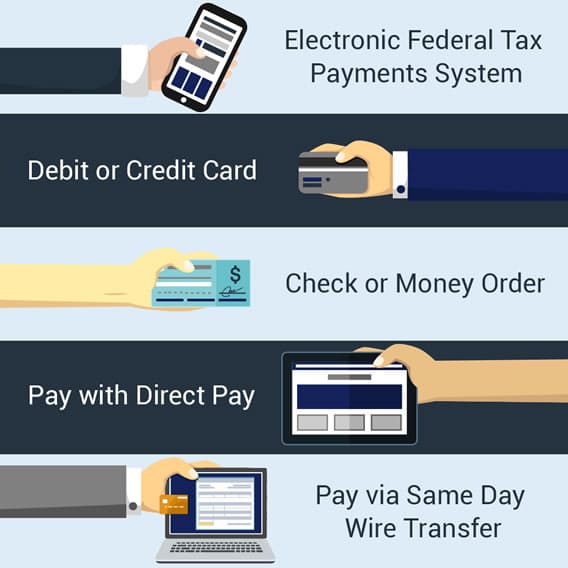
For those who prefer to use credit or debit cards, or digital wallets, the IRS and many states partner with authorized third-party payment processors.
- Credit/Debit Cards: You can pay federal and state taxes using major credit cards (Visa, Mastercard, Discover, American Express) or debit cards through these processors. While convenient and potentially offering rewards points, these services typically charge a small processing fee (often a percentage for credit cards and a flat fee for debit cards).
- Digital Wallets: Some processors also accept payments via digital wallets like PayPal or Click to Pay.
- Considerations: Evaluate the processing fees against any credit card rewards you might earn. Ensure the processor is authorized by the IRS or relevant state agency to avoid scams.
Tax Software Integration (TurboTax, H&R Block, etc.)
If you use tax preparation software, integrating your payment directly into the filing process is often the most seamless option.
- Seamless Integration: Most popular tax software (e.g., TurboTax, H&R Block, TaxAct, FreeTaxUSA) allow you to specify your payment method—whether EFW, credit card through a processor, or indicating you’ll mail a check—as part of the final steps of preparing and e-filing your return.
- Convenience: This eliminates the need to visit separate government websites or mail payments manually, streamlining the entire tax filing and payment process.
- Accuracy: Reduces the chance of errors in payment amounts or identification numbers, as the software typically populates these fields directly from your return.
Estimated Tax Payments Online
For self-employed individuals, freelancers, and those with significant untaxed income, making estimated tax payments quarterly is crucial. All the digital methods discussed (IRS Direct Pay, state portals, third-party processors) are perfectly suited for these periodic payments, allowing you to stay current with your tax obligations throughout the year.
Special Considerations and Common Pitfalls
While the payment options are varied and generally straightforward, navigating tax payments also requires attention to deadlines, potential issues, and available relief measures.
Deadlines and Penalties
The most critical aspect of paying taxes is adhering to deadlines.
- Federal & State: The primary deadline for filing and paying individual income taxes is typically April 15th (or the next business day if April 15th falls on a weekend or holiday). Estimated tax payments have specific quarterly deadlines.
- Penalties: Failing to pay on time can result in penalties for late payment and interest charges. Even if you file an extension, it only extends the time to file, not the time to pay. You must still pay an estimate of what you owe by the original deadline to avoid penalties.
- Tip: Always verify the exact deadlines for the current tax year, as they can occasionally shift due to holidays or legislative changes.
Payment Plans and Extensions
If you find yourself unable to pay your full tax liability by the deadline, don’t panic or ignore the problem. The IRS and most state tax agencies offer relief options.
- Payment Plans: You can often apply for an installment agreement (IRS) or similar payment plan with your state, allowing you to pay your tax debt over time, usually with interest and sometimes a late-payment penalty that continues to accrue.
- Offer in Compromise (OIC): For those facing significant financial hardship, an OIC allows certain taxpayers to resolve their tax liability with the IRS for a lower amount than what they originally owe.
- Extensions to File: While extensions only extend the time to file your return (typically by six months), they are important to avoid failure-to-file penalties, which are often steeper than failure-to-pay penalties. Remember to estimate and pay any taxes due with your extension request.
Verifying Payment Confirmation
Regardless of the method you choose, always ensure you receive and retain proof of payment.
- Online Payments: You should receive an immediate confirmation number for IRS Direct Pay, state portals, and third-party processor payments. Email confirmations are also common. Save these.
- Mailed Payments: Keep a copy of the check or money order and the payment voucher. Consider sending certified mail with a return receipt for added proof.
- EFW: Your bank statement will show the debit, which serves as confirmation.
- Why it Matters: In the rare event of a dispute or if your payment isn’t correctly credited, this documentation is invaluable proof that you fulfilled your obligation.
What If You Can’t Pay?
The worst thing to do is nothing. If you cannot pay, contact the IRS or your state tax agency immediately to discuss your options. They are generally more willing to work with taxpayers who are proactive in addressing their financial difficulties. Ignoring the issue can lead to more severe penalties, liens, and levies.
Strategic Tax Planning for Future Payments
Moving beyond the immediate act of paying, strategic financial planning can significantly ease the burden of future tax payments and ensure you’re always prepared.
Withholding Adjustments
For W-2 employees, regularly reviewing and adjusting your W-4 form with your employer can ensure the correct amount of tax is withheld from each paycheck.
- Avoid Surprises: This prevents large tax bills at year-end or excessively large refunds (which means you’ve given the government an interest-free loan).
- Tools: Use the IRS Tax Withholding Estimator (or similar state tools) to determine if you’re withholding too much or too little.
Budgeting for Taxes (Self-Employed)
Self-employed individuals must be diligent in setting aside funds for taxes throughout the year.
- Separate Account: Consider opening a separate savings account specifically for estimated tax payments.
- Calculate Quarterly: Regularly estimate your income and expenses to accurately calculate your quarterly tax payments, avoiding a massive bill (and potential penalties) come April 15th. A common rule of thumb is to set aside 25-35% of your gross self-employment income for taxes.
Utilizing Tax-Advantaged Accounts
Strategic use of retirement accounts (like 401(k)s, IRAs) and health savings accounts (HSAs) can reduce your taxable income, thereby reducing your tax liability.
- Pre-Tax Contributions: Contributions to traditional 401(k)s and IRAs are often tax-deductible, lowering your current year’s taxable income.
- HSAs: Offer a triple tax advantage: tax-deductible contributions, tax-free growth, and tax-free withdrawals for qualified medical expenses.
- Planning: Incorporate these into your overall financial plan to optimize your tax situation year after year.
Seeking Professional Guidance
For complex tax situations, significant life changes (marriage, home purchase, starting a business), or simply to ensure you’re maximizing deductions and credits, consulting a qualified tax professional (CPA, Enrolled Agent) is invaluable.
- Expert Advice: They can offer personalized advice, help with tax planning, and even assist with preparing and filing your returns, including navigating payment options and dealing with tax agencies.
- Peace of Mind: Professional guidance can provide peace of mind that your taxes are handled correctly and efficiently, ensuring compliance and potentially saving you money in the long run.
Conclusion
Paying taxes is an unavoidable aspect of financial life, but it doesn’t have to be an overwhelming ordeal. By understanding the different types of taxes you owe and familiarizing yourself with the array of payment options—from traditional mail to secure online portals—you can fulfill your obligations efficiently and confidently. The digital evolution has made paying taxes more accessible than ever, offering convenience and control directly from your home or office. However, vigilance regarding deadlines, careful record-keeping, and proactive planning remain paramount. Embracing these strategies and seeking professional advice when needed will not only simplify your tax payment process but also contribute significantly to your overall financial well-being and peace of mind.
aViewFromTheCave is a participant in the Amazon Services LLC Associates Program, an affiliate advertising program designed to provide a means for sites to earn advertising fees by advertising and linking to Amazon.com. Amazon, the Amazon logo, AmazonSupply, and the AmazonSupply logo are trademarks of Amazon.com, Inc. or its affiliates. As an Amazon Associate we earn affiliate commissions from qualifying purchases.