
Navigating the intricacies of the U.S. tax system can often feel like deciphering a complex code, particularly when life events like marriage introduce new variables. For married couples, one of the most significant decisions impacting their annual tax liability is the choice of filing status. Among the options, “Married Filing Jointly” (MFJ) stands out as the most common and, for many, the most advantageous. Understanding what this status entails, its implications, and when it’s the right choice is fundamental to effective personal financial planning.
Married Filing Jointly is a tax filing status available to couples who are legally married as of the last day of the tax year (December 31st). Under this status, both spouses report their combined income, deductions, and credits on a single tax return. This approach essentially treats the couple as a single taxable entity, often leading to a streamlined process and potentially significant tax benefits compared to filing separately. However, it also comes with important considerations regarding liability and financial transparency that couples must carefully weigh.
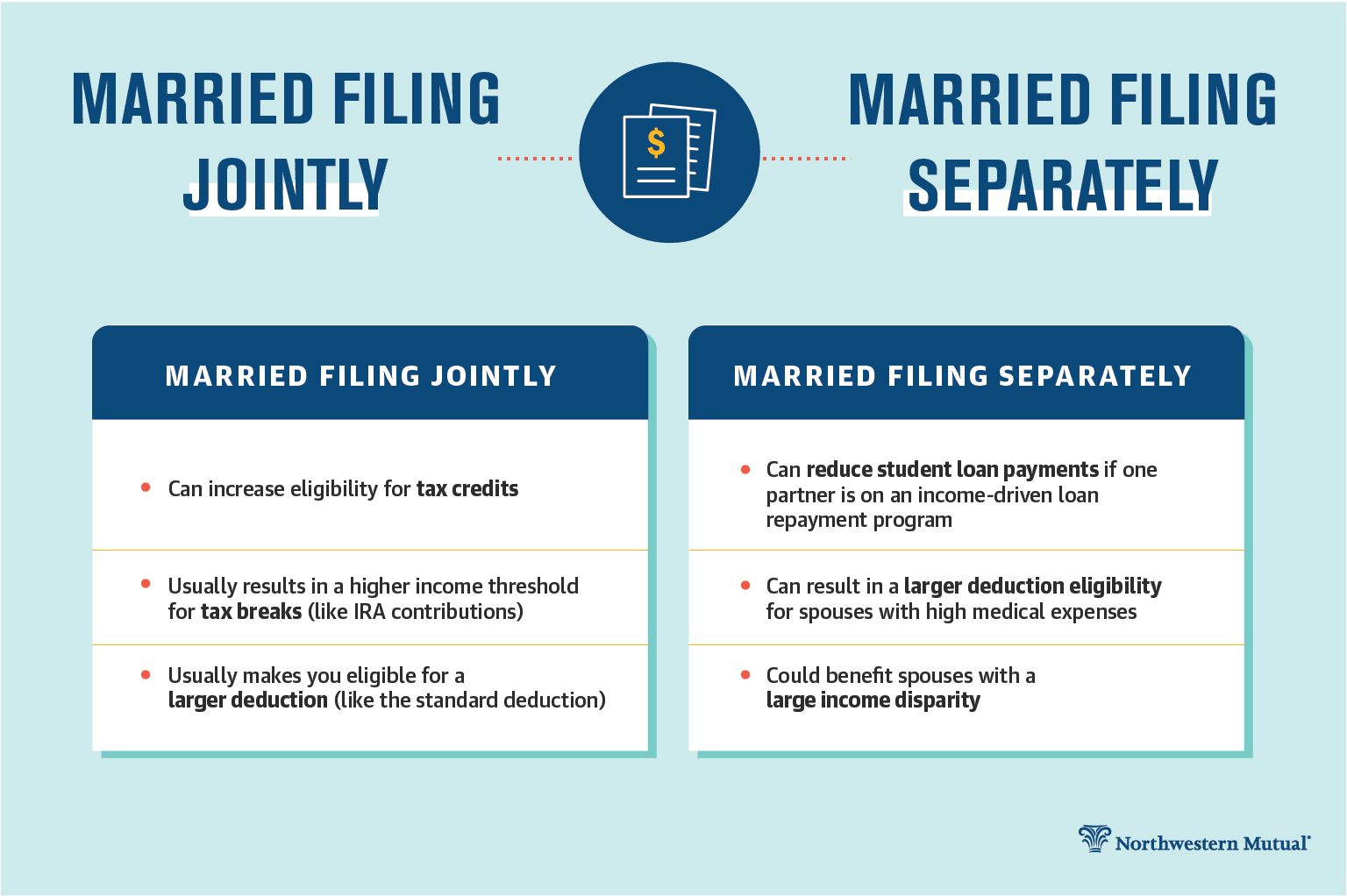
Understanding the Married Filing Jointly Status
The core principle behind the Married Filing Jointly status is the unification of a couple’s financial picture for tax purposes. When you choose to file jointly, you are consolidating all reportable income, regardless of which spouse earned it, onto a single Form 1040. This includes wages, salaries, investment income, business profits, and any other taxable earnings. Similarly, all deductions and credits that the couple is eligible for are claimed on this one return.
For example, if one spouse earns a high income and the other a lower income, or if one is a stay-at-home parent, their combined income is taxed according to the MFJ tax brackets, which are typically wider and offer lower marginal tax rates at higher income levels than those for single filers or those married filing separately. This progressive structure often means a lower overall tax burden for the couple as a single unit.
Eligibility for this status is straightforward: you must be legally married by December 31st of the tax year for which you are filing. This includes same-sex marriages, which are recognized federally for tax purposes. If one spouse passes away during the tax year, the surviving spouse can still file jointly for that year. In certain circumstances, a qualifying widow or widower with a dependent child may also be able to use a similar filing status for up to two years after their spouse’s death, benefiting from the joint return tax rates and the higher standard deduction.
Eligibility Requirements and How to File
To qualify for the Married Filing Jointly status, the primary requirement is your marital status. As previously mentioned, you must be legally married by the close of the tax year (December 31st). This isn’t just about a wedding date; it encompasses any marriage recognized under state law, including common law marriages in states where they are permitted. If you got married on December 31st, you are considered married for the entire year for tax purposes. Conversely, if your divorce is finalized by December 31st, you cannot file as Married Filing Jointly for that year; you would typically file as Single or Head of Household if you qualify.
The process of filing jointly is generally straightforward. Both spouses must provide their Social Security numbers and sign the tax return, indicating their agreement with its contents and acknowledging shared responsibility. Most tax software programs are designed to facilitate joint filing, guiding couples through the process of combining their income and deductions seamlessly. If you work with a tax professional, they will gather the necessary financial documentation from both spouses to prepare the single joint return.
Crucially, once a joint return has been filed, it can generally be amended if necessary. However, if a couple initially files as Married Filing Separately (MFS), they can typically amend their returns to Married Filing Jointly within three years of the original due date. The reverse is generally not true; once you file jointly, you usually cannot amend to MFS after the tax filing deadline. This highlights the importance of making an informed decision upfront.
Key Advantages of Filing Jointly
For the vast majority of married couples, choosing the Married Filing Jointly status offers a range of significant financial advantages that can lead to a lower overall tax burden and simpler tax management.
Enhanced Standard Deduction
One of the most immediate benefits is the higher standard deduction. For the 2023 tax year, the standard deduction for married couples filing jointly is significantly higher than for single individuals or those filing separately. This often means that couples can reduce their taxable income by a larger amount without needing to itemize, simplifying their return. For many, the joint standard deduction exceeds their itemized deductions, making it the most financially savvy choice.
Access to More Tax Credits and Deductions
Filing jointly unlocks eligibility for, or increases the value of, several valuable tax credits and deductions that are either limited or completely unavailable to those filing separately. These include:
- Earned Income Tax Credit (EITC): A refundable credit for low-to moderate-income working individuals and families. The income thresholds for MFJ are higher, allowing more couples to qualify.
- Child Tax Credit (CTC) and Credit for Other Dependents: These credits significantly reduce tax liability for families with qualifying children and other dependents. MFJ status often maximizes the credit amount and allows more couples to qualify based on income.
- Education Credits: Credits like the American Opportunity Tax Credit and the Lifetime Learning Credit, designed to help offset college expenses, are generally available to joint filers.
- Child and Dependent Care Credit: Helps cover the cost of care for a qualifying child or dependent so that a spouse can work or look for work.
- Adoption Credit: Offers a substantial credit for expenses related to adopting a child.
- IRA Contribution for Non-Working Spouse: If one spouse has little or no earned income but the other does, the couple can still contribute to an IRA for the non-working spouse based on the working spouse’s income. This is not typically allowed when filing separately.
- Deduction for Student Loan Interest: Income limitations for this deduction are more favorable for joint filers.
Many of these credits are phased out at specific income levels. The income thresholds for these phase-outs are typically higher for couples filing jointly, meaning more couples retain access to the full or partial credit.

Favorable Income Tax Brackets
The income tax brackets for Married Filing Jointly are generally twice as wide as those for single filers, meaning that a larger portion of a couple’s combined income is taxed at lower marginal rates. While the income thresholds for MFS are often half those of MFJ, this structure typically penalizes couples filing separately who have similar incomes. Filing jointly can effectively move more of their combined income into lower tax brackets, resulting in a lower overall tax liability.
Potential Disadvantages and Considerations
While the advantages of filing jointly are numerous for most couples, it’s crucial to be aware of the potential downsides and specific situations where another filing status might be more appropriate.
Joint and Several Liability
This is arguably the most significant consideration when choosing to file jointly. “Joint and several liability” means that both spouses are equally and individually responsible for the entire tax liability, including any taxes, interest, and penalties, even if one spouse earned all the income or was solely responsible for an error or omission on the return.
For example, if one spouse underreports income or claims fraudulent deductions, and the IRS later discovers this, both spouses will be held liable for the resulting tax debt, even if one spouse was unaware of the misrepresentation. This liability can persist even after a divorce or separation.
The IRS does offer “Innocent Spouse Relief” in certain circumstances, which can protect one spouse from liability for errors made by the other. However, obtaining this relief can be challenging, as there are strict criteria that must be met, including proving that you did not know, and had no reason to know, about the understatement of tax. It is not a guaranteed solution and underscores the importance of transparent financial communication within a marriage.
Loss of Financial Privacy
Filing jointly necessitates full financial transparency between spouses. Both individuals must share all income statements, deduction receipts, and other relevant financial documents to prepare an accurate return. For couples who prefer to keep their finances entirely separate, or where there are trust issues, this complete disclosure can be a point of contention.
Impact on Income-Driven Student Loan Repayment Plans
For individuals with federal student loans on income-driven repayment (IDR) plans (such as PAYE, REPAYE, IBR, ICR), filing jointly can significantly impact their monthly payments. Most IDR plans calculate payments based on a percentage of your discretionary income. If you file jointly, both spouses’ incomes are typically combined, which can lead to a higher discretionary income and, consequently, higher monthly loan payments. In such cases, filing separately might result in lower student loan payments, though this would need to be weighed against the potential tax disadvantages of MFS.
Medical Expense Deduction Thresholds
The deduction for medical expenses allows taxpayers to deduct the amount of medical and dental expenses exceeding a certain percentage of their Adjusted Gross Income (AGI). For a couple with very high medical expenses for one spouse, filing separately might, in rare cases, allow that spouse to more easily exceed the AGI threshold and deduct a larger portion of their medical expenses. However, this scenario is uncommon, and the tax benefits of filing jointly often outweigh this specific deduction advantage.

Making the Right Choice: Joint vs. Separate
For the vast majority of married couples, filing jointly offers the most significant tax advantages and is the recommended course of action. The higher standard deduction, more favorable tax brackets, and eligibility for a wider array of credits typically result in a lower overall tax bill. The simplicity of preparing one return also contributes to its appeal.
However, there are specific situations where a couple might consider filing Married Filing Separately (MFS). These include:
- Significant Joint and Several Liability Concerns: If one spouse has a history of tax issues, undisclosed income, or a strong desire to protect their individual assets from potential future tax liabilities stemming from the other spouse’s finances.
- High Unreimbursed Medical Expenses for One Spouse: As mentioned, if one spouse has exceptionally high medical expenses relative to their individual income, filing separately might allow them to meet the AGI threshold for deduction more easily.
- Complex Financial Situations or Disputes: In cases of impending divorce, separation, or significant financial disagreements, filing separately can provide a measure of financial independence and prevent one spouse from being held responsible for the other’s tax decisions.
- Student Loan Repayment Optimization: For individuals on income-driven student loan repayment plans, filing MFS can sometimes result in lower monthly payments by excluding the other spouse’s income from the calculation.
Given the complexities, the most prudent approach is to run simulations for both Married Filing Jointly and Married Filing Separately using tax software or with the assistance of a qualified tax professional. This will allow you to directly compare the tax outcome for both scenarios and make an informed decision based on your unique financial circumstances. A tax professional can also provide invaluable guidance on the implications of joint and several liability, student loan impacts, and other nuanced considerations relevant to your situation, ensuring you choose the filing status that best aligns with your financial goals and risk tolerance.
aViewFromTheCave is a participant in the Amazon Services LLC Associates Program, an affiliate advertising program designed to provide a means for sites to earn advertising fees by advertising and linking to Amazon.com. Amazon, the Amazon logo, AmazonSupply, and the AmazonSupply logo are trademarks of Amazon.com, Inc. or its affiliates. As an Amazon Associate we earn affiliate commissions from qualifying purchases.