
In an increasingly digital economy, financial tools are evolving rapidly. Among these, the prepaid debit card stands out as a versatile and accessible option for managing money without the complexities often associated with traditional bank accounts or credit lines. Whether you’re looking to manage a budget more effectively, offer a controlled spending option to a dependent, ensure security while traveling, or simply need a banking alternative, understanding where and how to acquire a prepaid debit card is the first step.
This guide will demystify the process, outlining the various purchasing avenues, detailing the features and considerations, and equipping you with the knowledge to make an informed decision. Far from being a niche product, prepaid debit cards are a mainstream financial instrument offering convenience and control to millions.
Understanding the Appeal and Mechanics of Prepaid Debit Cards
Before diving into purchase locations, it’s crucial to grasp what a prepaid debit card is, its inherent advantages, and the potential costs involved. This foundational understanding will empower you to choose the best option for your specific financial needs.
What is a Prepaid Debit Card?
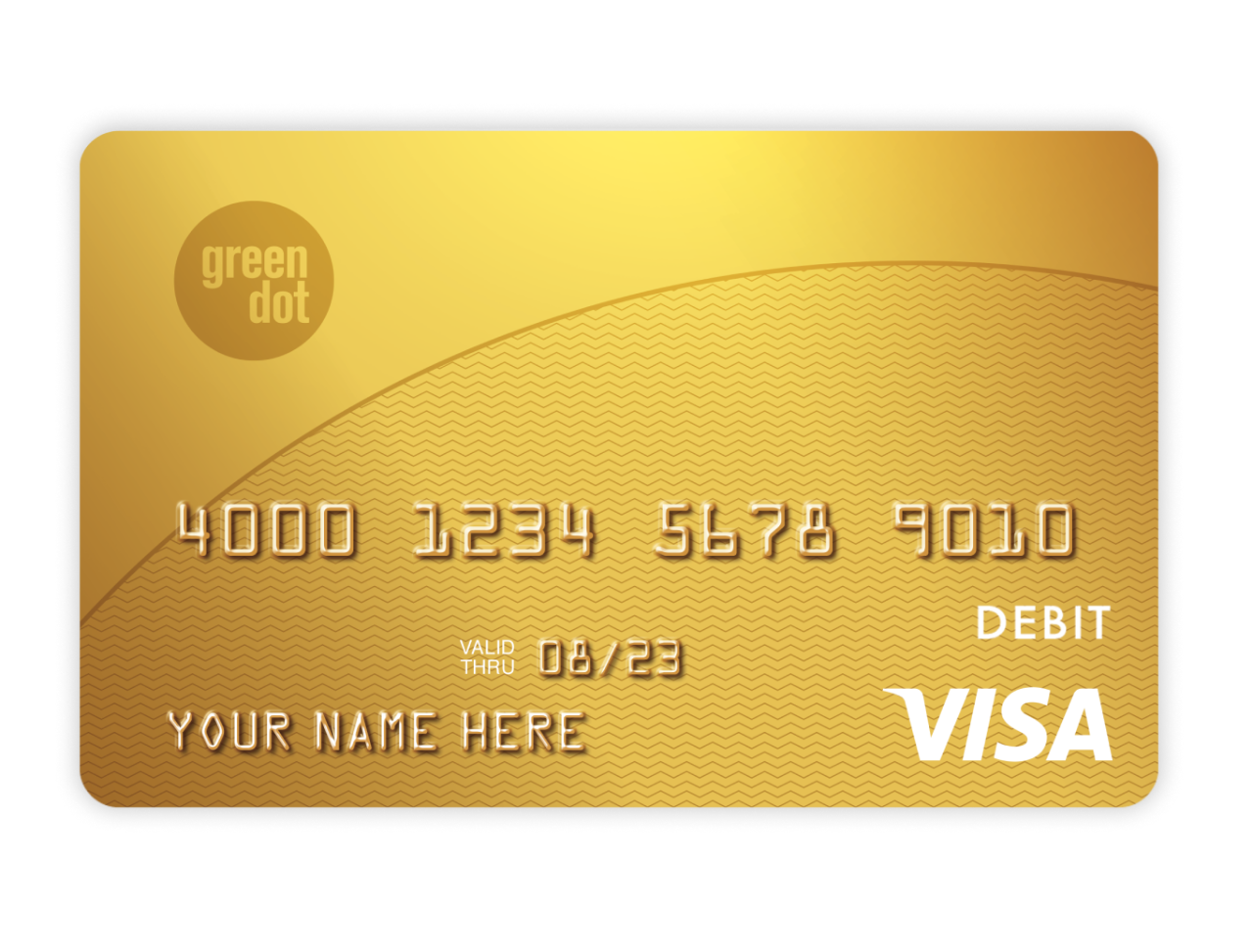
A prepaid debit card is a payment card loaded with funds in advance. Unlike a traditional debit card linked to a bank checking account or a credit card that allows you to borrow money, a prepaid card lets you spend only the money you’ve pre-loaded onto it. It functions on major payment networks like Visa, MasterCard, Discover, or American Express, making it widely accepted for online, in-store, and even international transactions wherever these networks are accepted. Think of it as a digital wallet that you top up as needed.
Key Benefits for Consumers
The appeal of prepaid debit cards stems from several compelling advantages:
-
Budgeting and Spending Control: This is arguably the most significant benefit. By only being able to spend what’s loaded, users can strictly adhere to a budget, making it ideal for managing discretionary spending, allowances for children, or allocating funds for specific purposes like groceries or entertainment.
-
No Credit Check Required: Unlike credit cards, prepaid cards do not require a credit check, making them accessible to individuals with no credit history, poor credit, or those who prefer not to use credit.
-
Banking Alternative: For the unbanked or underbanked population, prepaid cards offer a vital pathway to participate in the digital economy, enabling online purchases, bill payments, and direct deposit of wages or government benefits.
-
Safer Than Cash: Carrying large amounts of cash carries risks of loss or theft. A registered prepaid card offers some level of protection, as the funds can often be recovered if the card is lost or stolen.
-
Travel Convenience: Many travelers use prepaid cards to manage expenses abroad, providing a secure alternative to cash and often offering better exchange rates than traditional currency exchange services.
-
Online Shopping Security: By using a prepaid card for online purchases, you can limit your financial exposure, reducing the risk if a merchant’s system is compromised.
Potential Drawbacks and Fees
While highly beneficial, prepaid debit cards are not without their caveats, primarily concerning fees. It’s imperative to scrutinize the fee schedule of any card you consider:
-
Activation Fees: A one-time fee charged when you first purchase the card.
-
Monthly Maintenance Fees: Recurring fees, often waived if you meet certain criteria like direct depositing a minimum amount.
-
Reload Fees: Charges incurred each time you add money to the card, especially when reloading with cash at a retail location.
-
ATM Withdrawal Fees: Fees for taking cash out, which can be charged by both the card issuer and the ATM owner.
-
Transaction Fees: Some cards may charge a fee for certain types of transactions, though this is less common with general-purpose reloadable cards.
-
Inactivity Fees: If the card remains unused for a certain period, some issuers may charge a fee.
-
Foreign Transaction Fees: If you use the card internationally, a percentage of the transaction amount may be charged.
Diligent research into a card’s terms and conditions is paramount to avoid unexpected costs. Many reputable cards offer transparent fee structures, and some even provide options to minimize or avoid most fees.
Common Venues for Purchasing Prepaid Debit Cards
The accessibility of prepaid debit cards is one of their defining features. You’ll find them available through a variety of channels, both brick-and-mortar and online, catering to different preferences and immediate needs.
Retail Stores and Supermarkets
This is arguably the most common and convenient place to purchase a prepaid debit card for immediate use. Large retail chains and even smaller convenience stores stock a wide array of options:
-
Mass Retailers: Stores like Walmart, Target, CVS Pharmacy, Walgreens, and Family Dollar often have dedicated gift card sections or financial service counters where you can find various brands of prepaid debit cards. These often include popular choices such as Green Dot, Netspend, Vanilla Visa/Mastercard, OneVanilla, and MyVanilla.
-
Grocery Stores: Most major supermarket chains (e.g., Kroger, Safeway, Publix, Albertsons) also carry a selection of prepaid cards, usually near the checkout aisles or in their customer service departments.
-
Convenience Stores and Gas Stations: For quick and easy access, many 7-Eleven, Circle K, and independent convenience stores, as well as most gas station chains, will offer a limited selection of general-purpose prepaid cards.
Purchasing from these locations often allows for immediate use, though full features and FDIC insurance typically require online registration.
Online Retailers and Card Issuers’ Websites
For those who prefer the convenience of shopping from home, or who are seeking specific features and lower fees, online avenues are excellent choices.
-
Direct from Card Issuers: Many popular prepaid card brands, such as Green Dot, Netspend, PayPal Prepaid, Bluebird by American Express, and others, allow you to order cards directly from their official websites. This often provides access to a wider range of card options, potentially lower activation fees (sometimes free for ordering online), and streamlined activation processes.
-
Online Retailers: While less common for the initial purchase of the card itself, some financial technology platforms or online marketplaces might offer pathways to acquire certain cards. The primary method remains ordering directly from the issuer.
-
Benefits of Online Purchase: Ordering online often means the card is mailed to you, but it usually comes pre-registered to your name (after identity verification), which activates all features and provides FDIC insurance eligibility from the outset.
Banks and Credit Unions
While less common for truly prepaid debit cards (where you fund the card separately from a bank account), some banks and credit unions offer similar products or accounts that function like reloadable prepaid cards.
-
Secured Credit Cards: These require a security deposit but build credit, functioning somewhat like a prepaid card in terms of initial funding.
-
Prepaid Card Offerings: A few larger banks might offer their own branded reloadable prepaid cards, often with benefits like direct deposit or integration with their online banking platforms. These are typically marketed as an entry point for those who cannot or do not wish to open a traditional checking account.
-
Checkless Checking Accounts: Some financial institutions offer basic checking accounts with debit cards that operate similarly to prepaid cards in terms of spending control, often with low or no monthly fees and no overdrafts.
When considering a bank or credit union, clarify if it’s a true prepaid card or an alternative banking product.
Navigating the Purchase Process and Activation
Once you’ve identified a potential purchase location, understanding the steps to acquire and activate your card is essential. This ensures you can start using your card quickly and securely.
Choosing the Right Card

Before making a purchase, consider the following:
-
Fees: Compare activation, monthly, reload, and ATM fees across different cards. Look for cards with transparent fee structures.
-
Reload Options: How easy is it to add money to the card? Do they offer direct deposit, cash reloads at convenient locations, or bank transfers?
-
Network Acceptance: Ensure it’s a major network (Visa, Mastercard, Discover, American Express) for wide acceptance.
-
Features: Do you need online bill pay, mobile app access, budgeting tools, or FDIC insurance? Some cards offer these more robust features than others.
-
Customer Service: Research the issuer’s reputation for customer support.
Information Required for Purchase
For “gift card” type prepaid cards purchased off the shelf (often non-reloadable), you typically don’t need to provide any personal information at the point of sale. You simply pay cash or another debit/credit card.
However, for reloadable prepaid debit cards designed for ongoing use and protection, you will almost always need to register the card online after purchase. This registration process typically requires:
-
Personal Identification: Your full name, address, date of birth, and Social Security Number (SSN) or Individual Taxpayer Identification Number (ITIN).
-
Identification Verification: This is part of federal “Know Your Customer” (KYC) regulations designed to prevent fraud and money laundering.
Without registration, features like FDIC insurance (which protects your funds up to $250,000 in case the issuer fails) and liability protection for unauthorized transactions are often not available.
Activating and Registering Your Card
Most prepaid debit cards require activation before use. This usually involves:
-
Visiting a Website or Calling a Number: Instructions are typically on the card packaging.
-
Entering Card Details: The card number, expiration date, and security code (CVV).
-
Setting a PIN: For ATM withdrawals and debit transactions.
For reloadable cards, the activation process will then lead into the registration process where you provide your personal information. It is highly recommended to register your card immediately after purchase, even if it’s a non-reloadable gift card, to gain any available protections.
Loading and Reloading Your Card
Once activated and registered, you’ll need to load funds onto your card. Reloadable cards offer several convenient methods:
-
Cash Reload Networks: Many prepaid cards participate in networks like Green Dot MoneyPak, VanillaDirect Load, or Western Union, allowing you to add cash at thousands of retail locations. A fee is usually associated with this.
-
Direct Deposit: You can set up direct deposit of your paycheck or government benefits directly to your card, often bypassing monthly fees and providing quick access to funds.
-
Bank Transfers: Some cards allow you to link an external bank account to transfer funds.
-
Mobile Check Deposit: A growing number of prepaid card apps allow you to deposit checks using your smartphone’s camera.
-
Online Debit/Credit Card Transfers: Some issuers permit loading funds from another debit or credit card, though this often incurs a fee.
Maximizing the Value of Your Prepaid Debit Card
A prepaid debit card is more than just a payment tool; it can be an integral part of your financial strategy if utilized effectively. Understanding best practices can help you mitigate fees and enhance your financial security.
Budgeting and Financial Management
Prepaid cards are excellent tools for disciplined budgeting:
-
Allocate Specific Funds: Create separate cards or mentally allocate funds on one card for different spending categories (e.g., groceries, entertainment, transportation).
-
Track Spending: Many card issuers provide detailed transaction histories online or via a mobile app, making it easy to monitor where your money is going.
-
Avoid Overspending: The “spend only what you load” principle inherently prevents overdrafts and the associated fees, forcing adherence to your budget.
Security Best Practices
While generally safer than cash, prepaid cards require responsible handling:
-
Treat it Like Cash: If an unregistered card is lost or stolen, your funds are likely gone. For registered cards, report loss or theft immediately to the issuer to limit liability.
-
Monitor Transactions: Regularly check your card’s balance and transaction history for any unauthorized activity.
-
Guard Your PIN: Never share your Personal Identification Number (PIN) and avoid writing it down.
-
Use Secure Websites: When making online purchases, ensure the website is secure (look for “https://” in the URL).
Avoiding Unnecessary Fees
Being proactive about fees can save you a significant amount:
-
Choose Wisely: Select a card with a fee structure that aligns with your usage habits. If you plan to use direct deposit, many cards waive monthly fees.
-
Understand Reload Fees: If you primarily reload with cash, factor in the reload fees. Some cards offer lower fees for specific reload methods.
-
In-Network ATMs: Use ATMs that are part of the card’s fee-free network to avoid withdrawal charges.
-
Consider Direct Deposit: Not only does this offer convenience, but it often helps avoid monthly maintenance fees.
-
Consolidate Funds: Avoid having multiple cards with individual monthly fees if one card can suffice.
Understanding Consumer Protections
While not identical to traditional bank accounts, registered prepaid debit cards offer some protections:
-
FDIC Insurance: If your card is registered with your personal information and issued by an FDIC-insured bank (which most reputable ones are), your funds are protected up to the standard maximum deposit insurance amount ($250,000) in the event the issuing bank fails.
-
Limited Liability for Fraud: Similar to credit cards, registered prepaid cards often offer limited liability for unauthorized transactions, especially if reported promptly. This is a crucial reason to register your card.
-
Dispute Resolution: For disputes with merchants, card issuers often provide a mechanism to help resolve issues, though this may vary by issuer.

Conclusion
Purchasing a prepaid debit card is a straightforward process, with options ranging from immediate in-store buys to convenient online orders. Whether you prioritize ease of access from your local supermarket or the comprehensive features and potential fee reductions of an online-ordered, registered card, the market offers a diverse array of choices to meet various needs.
By understanding the benefits and potential drawbacks, carefully reviewing fee structures, and practicing responsible card management, you can effectively leverage a prepaid debit card as a powerful tool for budgeting, financial inclusion, and secure spending in today’s digital world. Making an informed decision and proactively managing your card will ensure it remains a valuable asset in your personal finance toolkit.
aViewFromTheCave is a participant in the Amazon Services LLC Associates Program, an affiliate advertising program designed to provide a means for sites to earn advertising fees by advertising and linking to Amazon.com. Amazon, the Amazon logo, AmazonSupply, and the AmazonSupply logo are trademarks of Amazon.com, Inc. or its affiliates. As an Amazon Associate we earn affiliate commissions from qualifying purchases.