
The financial landscape has undergone a significant transformation over the last decade, shifting away from traditional banking hurdles toward more accessible, flexible solutions. Among these tools, the prepaid credit card—more accurately described as a prepaid debit card that operates on major credit networks like Visa, Mastercard, or American Express—has become a staple for millions. Whether you are looking to manage a strict budget, provide a financial tool for a teenager, or secure your primary bank account from online fraud, knowing where to purchase these cards and how to select the right one is essential for savvy financial management.
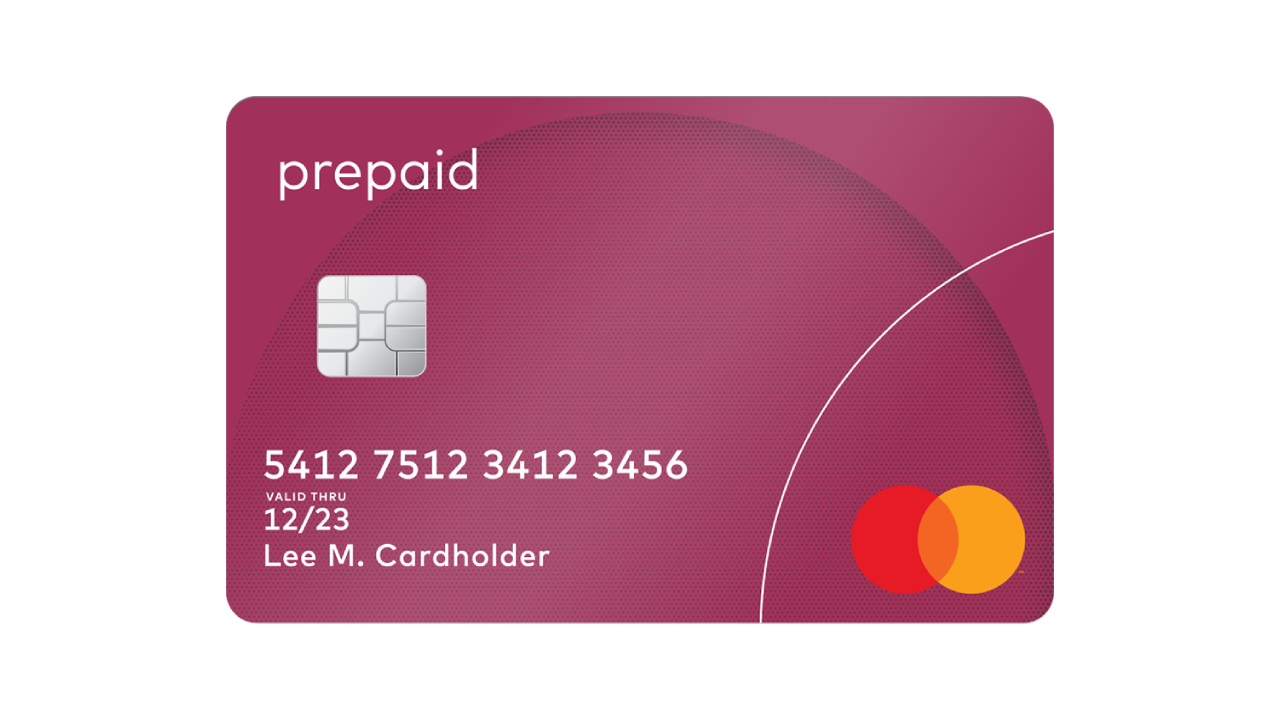
Unlike traditional credit cards, which require a credit check and involve borrowing money against a limit, prepaid cards require you to load funds onto the card in advance. Because they carry a major payment processor logo, they are accepted almost anywhere credit cards are. This guide explores the diverse avenues for purchasing these cards, the fee structures to watch out for, and the strategic roles they play in a modern personal finance portfolio.
Retail Locations: The Convenience of Physical Purchase
For many consumers, the most immediate way to acquire a prepaid card is through a brick-and-mortar retail location. These “over-the-counter” options provide instant access to a physical card that can often be used immediately for in-store or online purchases.
Big-Box Retailers and Supermarkets
The most common places to find prepaid cards are major national retailers such as Walmart, Target, and Meijer. These stores typically feature a “Financial Services” or “Gift Card” aisle where dozens of prepaid options are displayed. Walmart, in particular, has a robust partnership with several issuers, offering its own branded cards like the Walmart MoneyCard.
Supermarket chains such as Kroger, Publix, and Safeway also stock these cards. The advantage of purchasing at a grocery store is the ability to load cash onto the card right at the register. Many consumers prefer this method because it allows them to convert physical currency into a digital format without needing a traditional checking account.
Pharmacies and Convenience Stores
If you are in a hurry or need a card outside of standard banking hours, national pharmacy chains like CVS and Walgreens are reliable sources. These locations often carry “Vanilla” branded Visa or Mastercard products, which are designed for simplicity and immediate use. Convenience stores and gas stations, such as 7-Eleven or Speedway, also provide these cards, making them accessible even in rural areas where banking branches might be scarce.
Dedicated Financial Service Centers
Beyond general retail, specialized financial service centers like Western Union or MoneyGram locations sell and reload prepaid cards. These centers are often the preferred choice for individuals who frequently send or receive money internationally, as the prepaid card can often be linked to their broader remittance services.
Digital and Online Platforms: The Rise of Virtual Finance
While physical cards remain popular, the financial world is moving rapidly toward digital-first solutions. Purchasing a prepaid card online offers a different set of advantages, including lower overhead costs and enhanced management features via mobile apps.
Direct from Issuers
Many of the most popular prepaid cards, such as Netspend, Bluebird by American Express, and Akimbo, are best acquired directly through their respective websites. When you purchase or sign up for a card online, the issuer typically mails a personalized card to your home address. This card will have your name embossed on it, which is often required for certain types of transactions, such as car rentals or hotel check-ins, where “Instant Spend” cards might be rejected.
Fintech Apps and Neobanks
A new generation of financial technology companies has blurred the lines between prepaid cards and traditional checking accounts. Platforms like Chime, Current, and Revolut offer cards that function similarly to prepaid tools but come with the added benefits of an integrated mobile banking experience. While these often require a Social Security number for verification, they provide a level of digital security and spending insight that traditional “rack cards” from a grocery store cannot match.
Virtual Prepaid Cards
For consumers specifically worried about online security, virtual prepaid cards are an excellent option. Services like Privacy.com or the virtual card features offered by Netspend allow you to “purchase” a digital-only card. You can load a specific amount of money onto a unique card number used for a single merchant. This ensures that even if the merchant suffers a data breach, your primary financial accounts remain untouched.
Navigating the Costs: Fee Structures and Financial Impact
One of the most critical aspects of purchasing a prepaid card is understanding the cost of ownership. Unlike a traditional debit card linked to a free checking account, prepaid cards often come with a variety of fees that can erode your balance if you aren’t careful.
Activation and Initial Purchase Fees
When you buy a card at a retail store, you will typically pay an “activation fee” at the register. This usually ranges from $3.95 to $6.95. This is a one-time cost to initialize the card and link it to the payment network. Online cards often waive this fee to encourage sign-ups, though they may require an initial deposit to activate the account.
Monthly Maintenance Fees
Many prepaid cards charge a monthly service fee, often between $5 and $10. For frequent users, some issuers offer to waive this fee if you meet a minimum monthly deposit requirement (such as $500 via direct deposit). If you only plan to use the card occasionally, look for “pay-as-you-go” plans where you pay a small transaction fee (e.g., $1.00 per purchase) instead of a flat monthly rate.
Reload and ATM Fees
Putting money onto the card—known as “reloading”—can also incur costs. Retailers like Walmart or CVS often charge a fee (usually around $3.74 to $5.95) to load cash onto a card at the register using services like Green Dot “Reload @ the Register.” Furthermore, using an ATM to withdraw cash from your prepaid card often results in two fees: one from the card issuer and one from the ATM owner. To minimize these costs, look for cards that belong to large fee-free ATM networks like Allpoint.
Strategic Uses: Why Choose a Prepaid Card?
In a world full of credit and debit options, the prepaid card serves specific strategic purposes that make it a valuable tool in a personal finance toolkit.
Budgeting and Controlled Spending
For those struggling with overspending, a prepaid card acts as a physical boundary. By “paying yourself” a weekly allowance onto a prepaid card, you cannot spend more than what is loaded. This is a digital version of the “envelope method” of budgeting. It is also an excellent tool for college students or teenagers, allowing parents to provide funds for essentials while preventing the accumulation of high-interest debt.
Enhancing Digital Security
Data breaches have become a “when,” not an “if,” for many online shoppers. Using a prepaid card for online subscriptions or purchases from unfamiliar websites adds a layer of insulation. If the card details are stolen, the hacker only has access to the limited balance on that specific card, protecting your main savings and checking accounts from being drained.
Financial Inclusion for the Unbanked
For individuals who may not qualify for a traditional bank account due to past financial mistakes or a lack of credit history, prepaid cards offer a path to financial participation. They allow for the receipt of direct deposits (often faster than traditional banks), the ability to pay bills online, and the convenience of plastic payments without the need for a ChexSystems review.
The Distinction: Prepaid vs. Secured Credit Cards
It is vital to distinguish between a prepaid card and a secured credit card, as they serve very different financial goals.
A prepaid card does not involve credit. You are spending your own money. Consequently, payments made with a prepaid card are almost never reported to the credit bureaus (Equifax, Experian, and TransUnion). If your goal is to build or repair your credit score, a prepaid card will not help you.
A secured credit card, on the other hand, requires a security deposit that usually acts as your credit limit. However, it is a true credit product. The issuer reports your payment history to the credit bureaus. While you can purchase some secured card “starter kits” at retail locations, they generally require a more formal application process than a simple prepaid card.
Final Considerations Before You Buy
Before heading to the store or clicking “sign up,” consider the following checklist to ensure you are getting the best value:
-
Usage Frequency: Will you use this card daily or just for a one-time purchase? Daily users should prioritize cards with low monthly fees and free direct deposit. One-time users should look for low activation fees.
-
Reload Methods: If you deal primarily in cash, ensure there is a convenient retail location near you that supports your card’s reload network.
-
App Quality: In the modern era, a card is only as good as its management app. Look for features like instant transaction alerts, the ability to “freeze” the card from your phone, and easy balance checks.
-
FDIC Insurance: Ensure the card issuer holds your funds in an FDIC-insured account. Most reputable prepaid cards offer this, protecting your balance up to $250,000 in the event of a bank failure.
Purchasing a prepaid credit card is a straightforward process, but choosing the right one requires a keen eye for detail. By understanding the landscape of retail and digital providers, and by remaining vigilant about fee structures, you can leverage these tools to enhance your financial security and discipline. Whether bought at a local pharmacy or through a cutting-edge fintech app, the prepaid card remains a versatile and essential component of the modern financial journey.
aViewFromTheCave is a participant in the Amazon Services LLC Associates Program, an affiliate advertising program designed to provide a means for sites to earn advertising fees by advertising and linking to Amazon.com. Amazon, the Amazon logo, AmazonSupply, and the AmazonSupply logo are trademarks of Amazon.com, Inc. or its affiliates. As an Amazon Associate we earn affiliate commissions from qualifying purchases.