
The concept of a “livable wage” has transitioned from a niche economic theory to a central pillar of modern personal finance and corporate ethics. Unlike the “minimum wage,” which is a legally mandated floor for compensation, a livable wage is a dynamic figure representing the minimum income necessary for a worker to meet their basic needs without subsisting on public assistance. In the current economic landscape, characterized by fluctuating inflation and regional price disparities, understanding what constitutes a livable wage is essential for individuals planning their financial futures and for businesses aiming to foster a sustainable workforce.

The Fundamental Distinction: Minimum Wage vs. Living Wage
To understand a livable wage, one must first acknowledge the growing chasm between the federal or local minimum wage and the actual cost of survival. The minimum wage was originally conceived during the Great Depression as a way to ensure a “minimum standard of living necessary for health, efficiency, and general well-being.” However, over the decades, the federal minimum wage has failed to keep pace with the Consumer Price Index (CPI) and the rising costs of essential services.
A livable wage, by contrast, is not a static number defined by legislation. It is a calculation based on the actual market prices of necessities in a specific geographic area. While a minimum wage is often influenced by political compromise, a living wage is driven by the cold reality of the marketplace. For many Americans, the difference between these two figures is the difference between financial stability and a perpetual cycle of debt.
How the Living Wage is Calculated
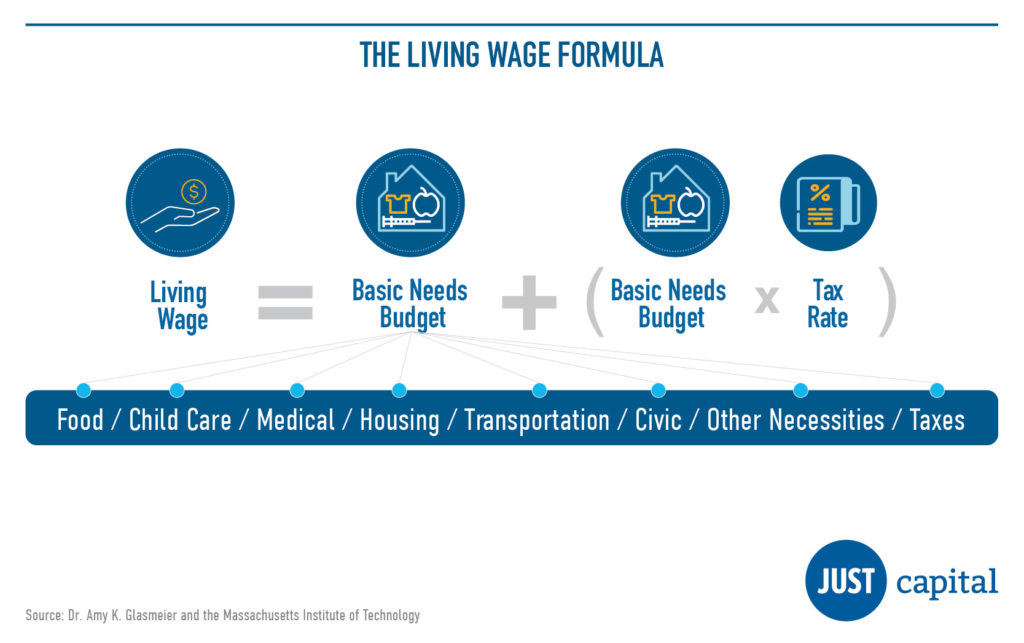
Calculating a livable wage involves aggregating the costs of several key pillars: housing, food, healthcare, transportation, and basic taxes. Most economists utilize the “Basic Needs Budget” approach. This model assumes that an individual or family should be able to afford these essentials while also setting aside a small margin for emergencies. It does not typically account for luxury goods, vacations, or significant retirement savings, which highlights a sobering reality: even a “livable wage” is often a baseline for survival rather than a gateway to true wealth.
The Economic Variables of a Livable Income
A livable wage is highly sensitive to the specific economic pressures of a household. A figure that supports a single adult in a mid-sized Midwestern city will be woefully inadequate for a family of four in a coastal metropolitan hub. To determine a personal livable wage, one must dissect the primary drivers of expenditure.
The 30% Housing Rule
In the world of personal finance, housing is the most significant variable. The long-standing rule of thumb is that housing costs should not exceed 30% of an individual’s gross income. When a worker is “rent-burdened”—meaning they spend more than 30% of their income on housing—their ability to cover other essentials like food and healthcare is severely compromised. In many high-growth tech hubs and urban centers, the market rate for a one-bedroom apartment alone exceeds the total monthly take-home pay of a minimum-wage worker, making a livable wage in these areas significantly higher than the national average.
Healthcare and Insurance Premiums
Healthcare remains one of the most volatile components of the livable wage equation. For those without employer-sponsored insurance, the cost of premiums, deductibles, and out-of-pocket expenses can consume a massive portion of net income. A truly livable wage must account for the “total cost of wellness,” ensuring that a single medical emergency does not result in total financial insolvency. This calculation must also include the cost of childcare, which in many states has surpassed the cost of a college tuition, acting as a significant barrier for parents re-entering the workforce.
Transportation and Accessibility
The cost of getting to work is often overlooked when discussing wages. In cities with robust public infrastructure, transportation costs may be low. However, in the vast majority of the United States, car ownership is a prerequisite for employment. A livable wage must cover vehicle payments, insurance, fuel, and maintenance. If an individual is forced to take out high-interest subprime auto loans just to reach their place of employment, their “nominal” wage is effectively reduced by the cost of that debt.
Geographic Disparities: A Tale of Two Cities
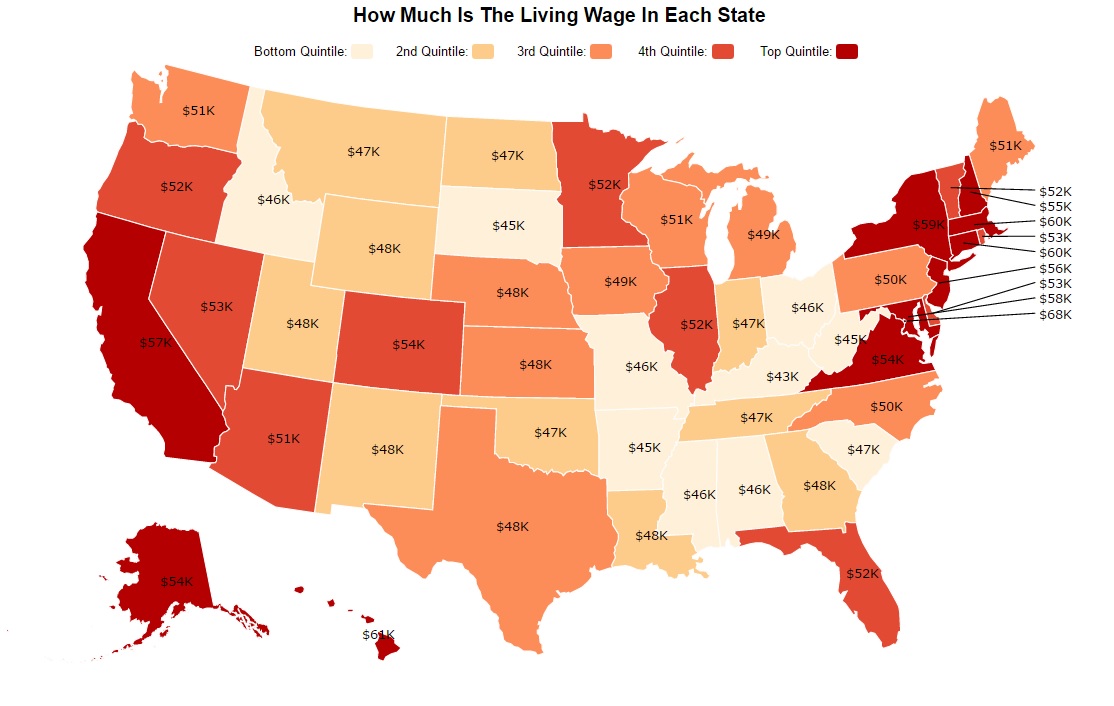
The most complex aspect of defining a livable wage is the extreme variance in the cost of living across different regions. This geographic disparity creates a “purchasing power” gap where the same salary can facilitate a middle-class lifestyle in one zip code and near-poverty in another.
Urban vs. Rural Realities
In rural areas, the cost of housing and services is generally lower, but these benefits are often offset by lower prevailing wages and increased transportation costs due to long commute times. Conversely, urban environments offer higher salary potential and better infrastructure but demand a much higher “entry price” for basic residency. This has led to the phenomenon of “geographic arbitrage,” where remote workers earn a high-tier city salary while living in a low-cost region—essentially creating their own personal livable wage surplus.
The MIT Living Wage Calculator
One of the most respected resources for understanding these regional differences is the MIT Living Wage Calculator. This tool provides a data-driven look at what individuals and families need to earn to stay above the poverty line in various counties across the U.S. For example, the living wage for a single adult in New York County (Manhattan) is vastly different from that of someone in El Paso, Texas. By analyzing these data sets, individuals can make informed decisions about relocation and career moves, ensuring their income aligns with the local economic reality.
The Role of Inflation and Diminishing Purchasing Power
A livable wage is not a “set it and forget it” figure. It is subject to the forces of inflation, which can erode the value of a paycheck in a matter of months. When the prices of “sticky” goods—such as rent and insurance—increase, the wage required to maintain a basic standard of living must rise accordingly.
Real Wages vs. Nominal Wages
In finance, we distinguish between nominal wages (the dollar amount on your paycheck) and real wages (what those dollars can actually buy). Over the last several years, many workers have seen their nominal wages increase, only to find that their real wages have remained stagnant or decreased due to the rising costs of consumer goods. To maintain a livable standard, income must be indexed to the cost of living. This is why many financial experts advocate for “Cost of Living Adjustments” (COLA) in employment contracts, ensuring that the worker’s purchasing power remains constant even as the economy fluctuates.
The Impact of “Shrinkflation” on the Basic Needs Budget
Beyond the headline inflation numbers, “shrinkflation”—where products decrease in size while prices remain the same—directly impacts the food and household goods portion of a livable wage. For a household operating on a tight budget, these incremental changes can lead to a “death by a thousand cuts” scenario, where the previously calculated livable wage no longer covers the monthly grocery bill. This necessitates a proactive approach to personal finance, where budgets are reviewed and adjusted quarterly rather than annually.
Strategic Financial Planning to Achieve a Livable Standard
If your current income does not meet the threshold of a livable wage for your area, the path forward involves a combination of expense optimization and income expansion. Achieving a livable wage is the first step toward the ultimate goal: financial independence and wealth creation.
The 50/30/20 Budgeting Framework
Once a livable wage is achieved, the goal is to move beyond it. The 50/30/20 rule is a popular financial strategy for managing income: 50% for “needs” (the livable wage component), 30% for “wants,” and 20% for savings and debt repayment. If your essential needs consume 80% or 90% of your income, you are earning a survival wage, not a livable wage. The target is to reduce the “needs” category through lifestyle changes or, more effectively, to increase the total income so that the “needs” represent a smaller percentage of the whole.
Upskilling and Income Growth
In a modern economy, the most effective way to secure a livable wage—and eventually a thriving wage—is through the continuous acquisition of high-value skills. As automation and AI reshape the labor market, the “livable” threshold for low-skill labor remains under pressure. Investing in “human capital” through certifications, specialized training, and education creates a buffer. By moving into sectors with higher barriers to entry, such as finance, technology, or specialized trades, individuals can command wages that far exceed the local livability baseline.
The Role of Side Hustles and Passive Income
For many, the gap between their primary salary and a livable wage is bridged through the “gig economy” or side hustles. While not always ideal for long-term work-life balance, diversifying income streams can provide the necessary liquidity to handle the “hidden” costs of living, such as emergency repairs or unexpected medical bills. Ultimately, the transition from a livable wage to a position of financial strength occurs when an individual can begin moving a portion of their income into income-producing assets—such as stocks, bonds, or real estate—which eventually supplement or replace earned income.
Defining what is considered a livable wage is an exercise in both mathematics and empathy. It requires an honest look at the costs of modern life and an acknowledgement that the “standard of living” is a moving target. By understanding the components of this wage, individuals can better advocate for their value in the marketplace, plan their household budgets with greater precision, and build a foundation for long-term financial security.
aViewFromTheCave is a participant in the Amazon Services LLC Associates Program, an affiliate advertising program designed to provide a means for sites to earn advertising fees by advertising and linking to Amazon.com. Amazon, the Amazon logo, AmazonSupply, and the AmazonSupply logo are trademarks of Amazon.com, Inc. or its affiliates. As an Amazon Associate we earn affiliate commissions from qualifying purchases.