
In the realm of personal finance, car insurance is often viewed as a necessary evil – a significant recurring expense that safeguards against the potentially devastating financial fallout of accidents or theft. Yet, for many, the quest for truly affordable car insurance feels like navigating a labyrinth, fraught with opaque pricing models and seemingly endless variables. The good news is that securing economical coverage doesn’t have to be a Herculean task. By understanding the intricate factors that influence premiums, strategically leveraging available options, and making informed choices, individuals can significantly reduce their insurance costs without compromising essential protection. This comprehensive guide will dissect the nuances of car insurance pricing and equip you with the insights and actionable strategies needed to uncover the cheapest car insurance that still meets your financial and security needs.
Understanding the Landscape: What Drives Car Insurance Costs?
Before diving into savings strategies, it’s crucial to grasp the fundamental elements insurers consider when calculating your premium. These factors collectively determine your perceived risk, which directly translates into the cost of your policy.
Personal Profile & Driving History
Your individual circumstances and past behavior on the road are paramount.
- Age and Experience: Younger, less experienced drivers (especially those under 25) typically face higher premiums due to statistical data indicating a greater propensity for accidents. As drivers mature and gain more experience without incidents, rates tend to decrease.
- Driving Record: A clean driving record is your most powerful ally in securing lower rates. Accidents, traffic violations (speeding tickets, DUIs), and past claims signal higher risk to insurers, leading to increased premiums. Conversely, an accident-free history for several years often qualifies you for significant “good driver” discounts.
- Marital Status: Statistically, married individuals tend to file fewer claims than single individuals, often resulting in slightly lower premiums.
- Credit Score (where permissible): In many states, insurers use a credit-based insurance score as a predictive tool for future claims. A higher credit score often correlates with more responsible financial behavior, which insurers interpret as a lower risk. Maintaining a good credit score can therefore indirectly lead to savings on your car insurance.
- Occupation and Education: Certain professions and educational backgrounds are sometimes associated with lower risk profiles, leading to potential discounts. For instance, teachers, engineers, and healthcare professionals might qualify for specific affinity discounts.
Vehicle Characteristics & Location
The car you drive and where you keep it also play a pivotal role in pricing.
- Make, Model, and Year: The type of car you own directly impacts repair costs and theft risk. Luxury vehicles, sports cars, and those with expensive parts or specialized technology typically cost more to insure. Conversely, vehicles with high safety ratings, lower theft rates, and readily available, inexpensive parts usually command lower premiums.
- Safety Features: Modern safety features like anti-lock brakes, airbags, automatic emergency braking, lane departure warning, and adaptive cruise control can reduce the likelihood of accidents or injuries, often qualifying for safety feature discounts.
- Anti-Theft Devices: Installing anti-theft systems (alarms, immobilizers, tracking devices) can significantly reduce the risk of your car being stolen, leading to potential discounts.
- Geographic Location: Where you live and park your car has a substantial impact. Urban areas with higher traffic density, greater accident rates, and elevated crime statistics (theft, vandalism) generally incur higher premiums than rural or suburban areas. Even within a city, specific zip codes can have vastly different rates based on localized claim data.
Coverage Choices & Deductibles
The specific details of your policy directly dictate its cost.
- Coverage Limits: The amount of coverage you choose for liability, collision, comprehensive, and other protections directly influences the premium. Higher limits provide greater financial protection but come at a higher cost. It’s essential to strike a balance between adequate protection and affordability.
- Deductibles: This is the amount you agree to pay out-of-pocket before your insurance kicks in for collision and comprehensive claims. A higher deductible generally leads to a lower premium because you’re taking on more of the initial financial risk. However, ensure you can comfortably afford your chosen deductible in the event of a claim.
Strategic Approaches to Uncover Lower Premiums
With a clear understanding of what drives costs, we can now explore actionable strategies to significantly reduce your car insurance expenses.
The Power of Comparison Shopping
This is arguably the most impactful step you can take.
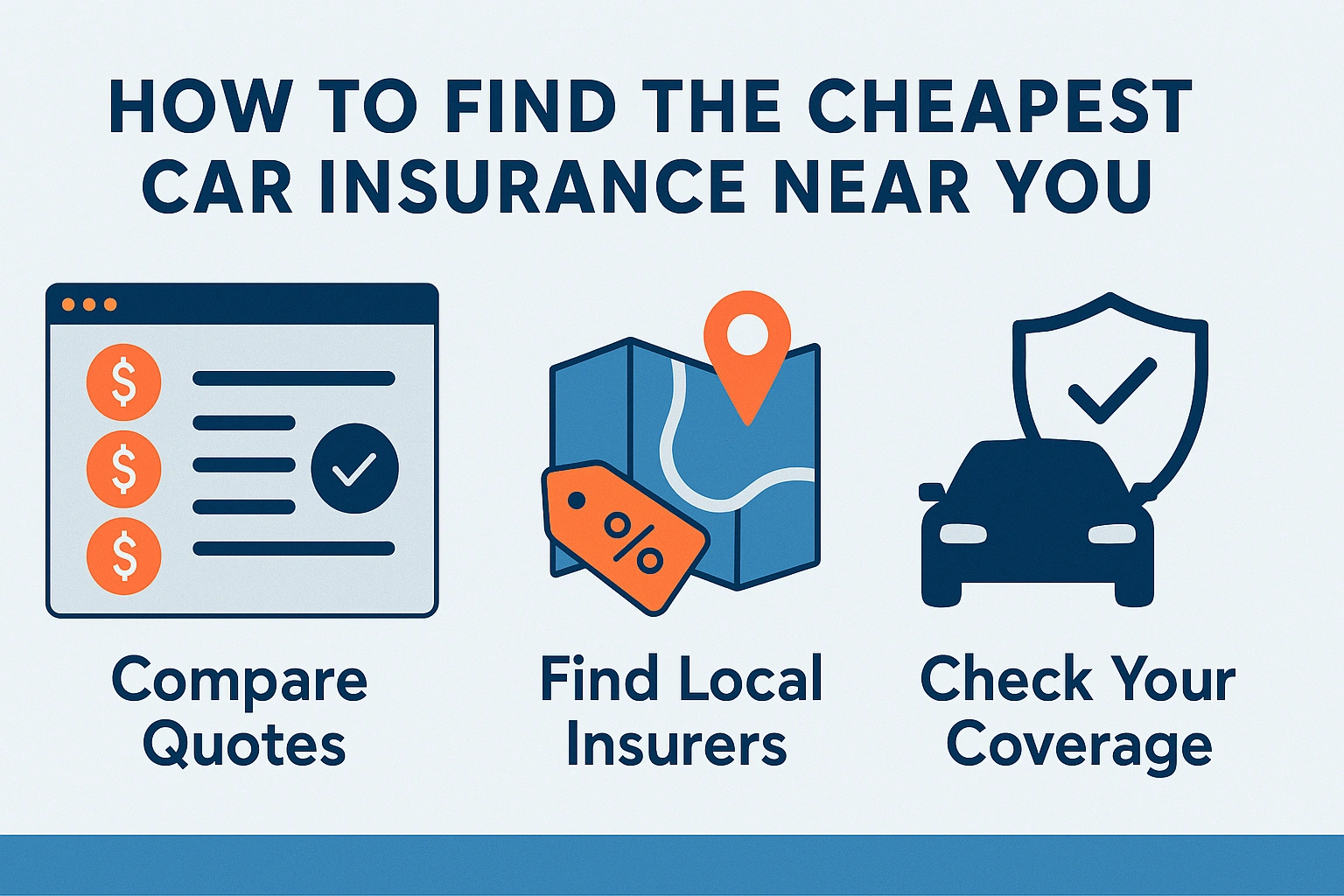
- Leveraging Online Comparison Tools: Websites that allow you to enter your information once and receive multiple quotes from various insurers are invaluable. They streamline the process and make it easy to see how different companies price the same coverage.
- Engaging Independent Agents: Unlike captive agents who work for a single company, independent agents work with multiple insurers. They can shop around on your behalf, often finding deals or niche policies that you might miss. They also offer personalized advice and can help you navigate complex coverage options.
- Direct Quotes from Insurers: Don’t hesitate to visit the websites of major insurance providers directly (e.g., GEICO, Progressive, State Farm, Allstate, Liberty Mutual, USAA for eligible members) to get quotes. Sometimes, direct quotes can be more competitive or offer exclusive online discounts. The key is to get at least 3-5 quotes to ensure you’re seeing a good range of prices.
Maximizing Discounts and Bundles
Insurers offer a plethora of discounts; your job is to identify and claim every one you qualify for.
- Bundling Policies: Many insurers offer significant discounts (often 5-25%) if you bundle your car insurance with other policies, such as home, renters, or life insurance.
- Multi-Car Discount: Insuring multiple vehicles under the same policy with the same provider almost always results in a discount.
- Good Driver/Accident-Free Discount: As mentioned, maintaining a clean driving record for a certain period (e.g., 3-5 years) can earn you substantial savings.
- Good Student Discount: High school and college students with good academic standing (e.g., a B average or GPA of 3.0 or higher) often qualify for discounts.
- Low Mileage Discount: If you drive fewer miles than average (e.g., less than 7,500-10,000 miles per year), you might be eligible for a discount, as your exposure to risk is lower.
- Telematics/Usage-Based Insurance (UBI): Many insurers offer programs (e.g., “Snapshot,” “Drivewise”) where they monitor your driving habits (speed, braking, mileage, time of day) via a device or smartphone app. Safe drivers can earn personalized discounts based on their actual driving behavior. This can be a significant saver for cautious drivers.
- Affinity/Group Discounts: Check if your employer, alumni association, professional organization, or credit union offers group rates or discounts with specific insurers.
- Payment Discounts: Paying your premium in full annually (rather than monthly installments) often waives installment fees and may even qualify you for an additional discount. Setting up automatic payments can also sometimes lead to a small discount.
Optimizing Your Coverage
Reviewing your coverage levels regularly is crucial for cost-effectiveness.
- Adjusting Coverage for Older Vehicles: For older cars with low market value, consider dropping collision and comprehensive coverage. If the cost of these coverages approaches or exceeds 10% of the car’s actual cash value annually, it might be more financially prudent to self-insure for potential damage or theft.
- Re-evaluating Deductibles: While a higher deductible lowers your premium, ensure it’s an amount you can comfortably afford out-of-pocket if you need to file a claim. Gradually increasing your deductible over time as your emergency fund grows can be a sensible strategy.
- Understanding Minimum Requirements: While you must meet your state’s minimum liability requirements, these often offer very limited protection. It’s generally advisable to carry more than the bare minimum, especially for liability, to protect your assets in case of a serious accident. However, ensure every add-on or extra coverage is truly necessary for your situation.
Lifestyle & Vehicle Choices: Long-Term Savings
Beyond immediate policy adjustments, certain lifestyle and vehicle decisions can lead to sustained savings.
The Impact of Your Driving Habits
Your daily driving choices directly influence your risk profile.
- Safe Driving Practices: Consistently driving safely and avoiding accidents or tickets is the most direct path to long-term savings through good driver discounts and lower base rates.
- Utilizing Telematics: As mentioned, usage-based insurance programs can reward safe driving. If you’re a low-risk driver, enrolling in these programs can unlock significant, personalized discounts.
- Reducing Commute/Mileage: If possible, reducing your annual mileage (e.g., through carpooling, public transport, working from home) can qualify you for low-mileage discounts.
Selecting an Insurance-Friendly Vehicle
The car you purchase has a ripple effect on your insurance costs.
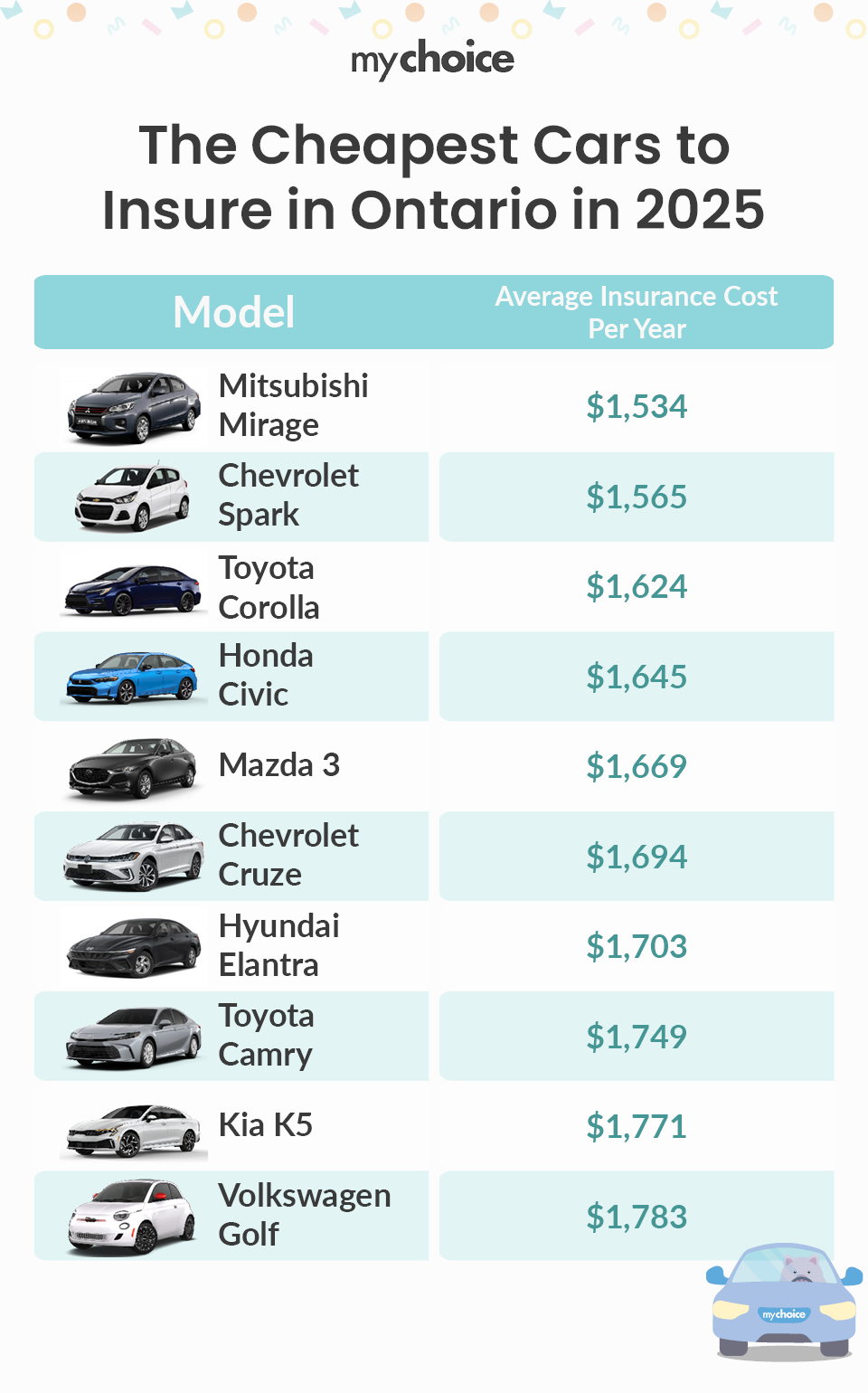
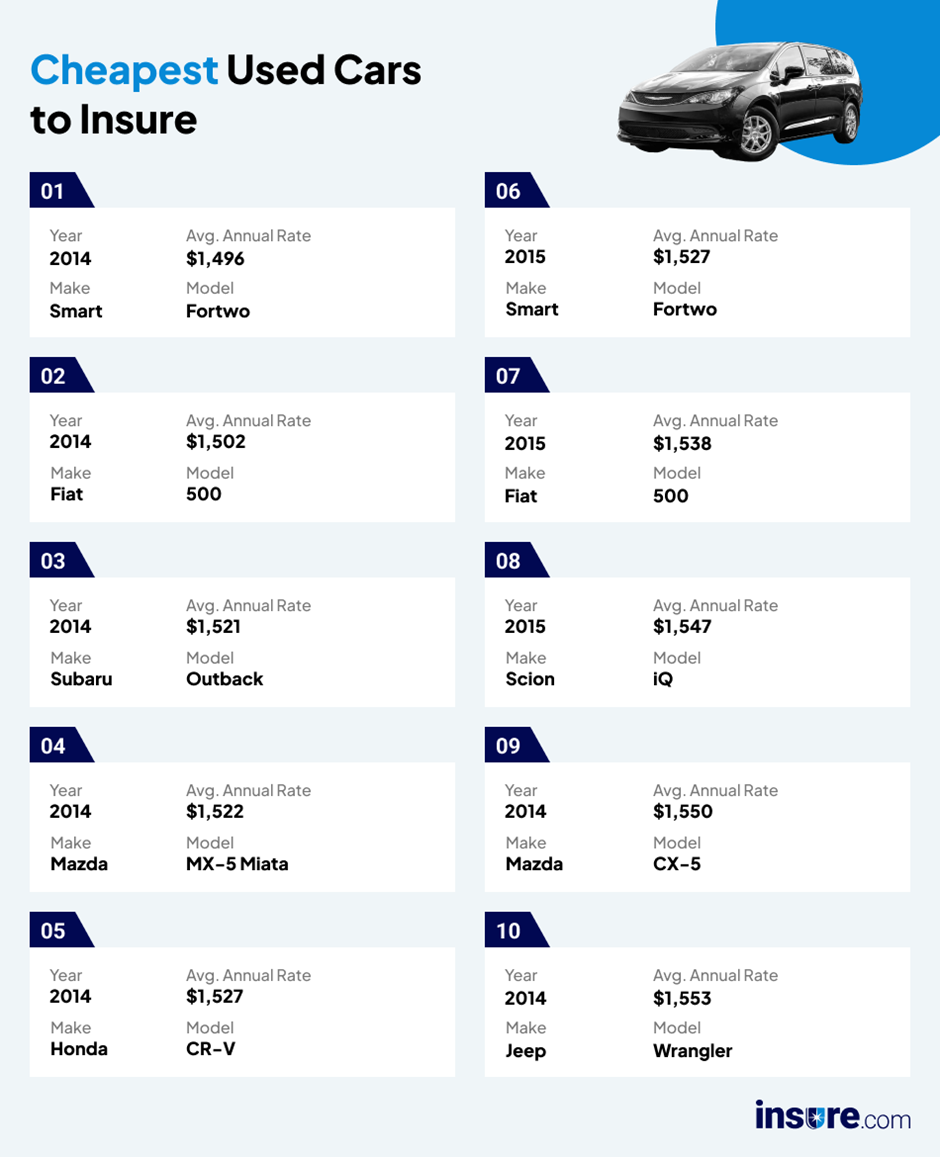
- Research Insurance Costs Before Buying: Before committing to a new car, get insurance quotes for several models you’re considering. This foresight can save you hundreds, if not thousands, of dollars in premiums over the vehicle’s lifespan.
- Prioritize Safety and Reliability: Vehicles known for their safety features, lower repair costs, and less frequent theft rates are generally cheaper to insure. Avoid high-performance or luxury vehicles if minimizing insurance costs is a priority.
Maintaining a Strong Financial Standing
Your overall financial health can subtly influence your insurance rates.
- Improving Credit Score: Regularly monitor and work to improve your credit score. Pay bills on time, reduce debt, and avoid opening too many new credit lines. A better credit score can lead to lower insurance premiums in states where it’s a factor.
- Financial Stability: Insurers may view financially stable individuals as lower risk, which can indirectly contribute to more favorable rates.
Demystifying Your Policy: Beyond the Price Tag
While price is a primary concern, understanding the components of your policy ensures you’re getting adequate coverage for your money.
Essential Coverage Components Explained
A typical car insurance policy comprises several key parts:
- Liability Coverage: This is mandatory in most states and covers damages you cause to others.
- Bodily Injury Liability: Pays for medical expenses, lost wages, and pain and suffering of people injured in an accident you cause.
- Property Damage Liability: Pays for damage to property (e.g., other vehicles, fences, buildings) that you cause.
- Collision Coverage: Pays for damage to your vehicle resulting from a collision with another car or object, regardless of fault.
- Comprehensive Coverage: Protects your vehicle from non-collision incidents like theft, vandalism, fire, natural disasters, and animal impacts.
- Personal Injury Protection (PIP) / Medical Payments (MedPay): Covers medical expenses for you and your passengers after an accident, regardless of who was at fault. PIP can also cover lost wages and essential services.
- Uninsured/Underinsured Motorist (UM/UIM) Coverage: Protects you if you’re involved in an accident with a driver who has no insurance or insufficient insurance to cover your damages.
The Deductible Dilemma
Choosing the right deductible involves a careful balancing act:
- Lower Premiums vs. Higher Out-of-Pocket: A higher deductible means you pay less monthly but more if you have a claim.
- Affordability Test: Always ensure your chosen deductible is an amount you could readily pay from your emergency fund without financial strain. It’s often better to pay a slightly higher premium for a lower deductible if it means avoiding financial hardship after an incident.
Annual Review: A Key to Sustained Savings
Your insurance needs and the market change.
- Review Your Policy Annually: Don’t just set it and forget it. Every year, especially at renewal time, review your coverage, discounts, and current rates.
- Life Changes Impact Rates: Major life events (marriage, moving, a new job, adding a new driver, buying a new car) should prompt a re-evaluation of your policy, as they can significantly affect your rates.
- Shop Around Again: Even if you’re happy with your current insurer, it costs nothing to get quotes from competitors every year or two. New discounts or more competitive rates might have emerged.
Common Pitfalls and Smart Practices
Navigating the car insurance market requires vigilance and informed decision-making to avoid common mistakes.
Avoiding Underinsurance and Overinsurance
- Don’t Skimp on Liability: While minimum liability coverage is cheaper, it often isn’t enough to cover serious accidents, potentially leaving your personal assets vulnerable. Aim for coverage that adequately protects your net worth.
- Evaluate Comprehensive & Collision: For older cars, carrying comprehensive and collision might cost more than the car is worth. Conversely, for newer, more valuable vehicles, these coverages are usually essential.
The Importance of Honesty
- Provide Accurate Information: Always be truthful on your application. Providing false information, even inadvertently, can lead to your policy being voided, claims denied, or even legal repercussions.
- Report Changes Promptly: Inform your insurer about significant changes like a new address, a new primary driver, or modifications to your vehicle.
Proactive Policy Management
- Understand Your Policy: Read your policy documents carefully. Know what you’re covered for, what your deductibles are, and what exclusions apply.
- Communicate with Your Insurer: If you have questions, want to explore discounts, or need to make changes, reach out to your insurer or agent. They are there to help you understand your options.
Your Personalized Path to Affordable Car Insurance
The quest for the cheapest car insurance is a highly personal journey, influenced by a multitude of individual circumstances, vehicle specifics, and geographical factors. There isn’t a single insurer that is universally the cheapest for everyone. Instead, unlocking significant savings requires a proactive, informed, and diligent approach. By understanding the key drivers of insurance costs, meticulously comparing quotes from multiple providers, aggressively pursuing every discount you qualify for, and periodically reviewing and adjusting your coverage, you can demystify the process. The goal isn’t just to find the lowest premium, but to secure the most affordable adequate coverage that provides peace of mind without unnecessarily burdening your personal finances. Empower yourself with knowledge, shop smart, and drive confidently knowing you’ve made the financially savvy choice for your automotive protection.
aViewFromTheCave is a participant in the Amazon Services LLC Associates Program, an affiliate advertising program designed to provide a means for sites to earn advertising fees by advertising and linking to Amazon.com. Amazon, the Amazon logo, AmazonSupply, and the AmazonSupply logo are trademarks of Amazon.com, Inc. or its affiliates. As an Amazon Associate we earn affiliate commissions from qualifying purchases.