
The quest for affordable car insurance is no longer just a matter of shopping around; it has become a sophisticated exercise in personal financial management. As inflation impacts the cost of automotive parts, labor, and medical care, insurance premiums have climbed steadily across the globe. For the savvy consumer, finding a lower rate requires an understanding of how insurance companies evaluate risk and a proactive approach to optimizing one’s financial profile. To secure the most competitive rates, one must look beyond the flashy advertisements and delve into the mechanics of policy structures, regional market variations, and the technological shifts currently reshaping the industry.

Understanding the Factors That Drive Your Premium
Before identifying where to buy insurance, it is essential to understand the variables that determine your quote. Insurance companies use complex algorithms to predict the likelihood of a claim. While some factors are beyond your immediate control, others can be managed to lower your costs over time.
The Correlation Between Credit and Risk
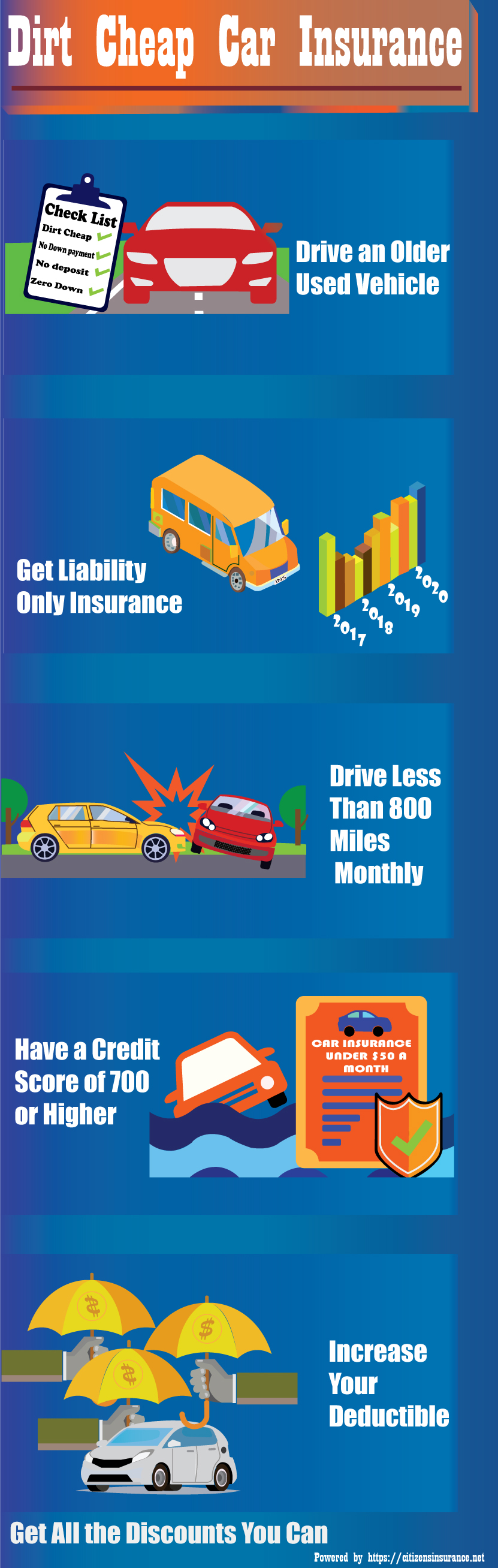
In many jurisdictions, insurance companies use a “credit-based insurance score” to help determine premiums. Actuarial data suggests a strong correlation between how a person manages their finances and how they manage risk behind the wheel. From a personal finance perspective, improving your credit score is one of the most effective long-term strategies for lowering insurance costs. By paying down debt and ensuring timely payments, you present yourself as a lower-risk individual to the underwriter, which can lead to significant annual savings.
Vehicle Selection and Loss Ratios
The type of car you drive is a primary driver of cost. It is a common misconception that only expensive cars are expensive to insure. In reality, insurance companies look at loss ratios—how much they pay out in claims for a specific model versus how much they collect in premiums. A mid-priced sedan with high-tech safety features might be cheaper to insure than a budget-friendly compact car that lacks advanced collision avoidance systems or is frequently targeted by thieves. Before purchasing a vehicle, it is financially prudent to obtain insurance quotes for various models to understand the total cost of ownership.
Demographic and Geographic Variables
Your physical location plays a massive role in your premium. If you live in a high-traffic urban area with high rates of accidents or vehicle theft, your “base rate” will naturally be higher than someone living in a rural suburb. While you might not move just to save on insurance, understanding that your ZIP code dictates the baseline allows you to focus on the factors you can change, such as your coverage limits and deductibles.
Navigating the Competitive Insurance Marketplace
The insurance market is highly fragmented, consisting of national giants, regional players, and specialized niche insurers. Finding the most affordable option requires a multi-pronged search strategy that compares these different types of providers.
National Carriers and the Power of Scale
Large national carriers often have the advantage of massive data sets and high efficiency. They invest heavily in digital interfaces, making it easy to manage policies via mobile apps. Because of their scale, they can often offer aggressive pricing for “preferred” drivers—those with clean records and high credit scores. These companies also provide the most robust “bundling” options, where you can combine auto, homeowners, and life insurance for a substantial discount.
Regional Mutual Companies
Often overlooked, regional and mutual insurance companies can be surprisingly affordable. Because they operate in a limited geographic area, they have a deeper understanding of local risks and may have lower overhead costs than national brands. Mutual companies are owned by their policyholders rather than shareholders, which can sometimes translate into lower premiums or even dividends returned to the policyholder during profitable years. For many drivers, these smaller firms provide the best balance of cost and personalized service.
Digital-First Insurers and Insurtech
The rise of “Insurtech” has introduced a new wave of competitors that utilize artificial intelligence and machine learning to streamline the underwriting process. These companies often lack the legacy costs of traditional insurers, such as brick-and-mortar offices and large sales forces. By operating primarily through apps, they pass these savings on to the consumer. For younger, tech-savvy drivers, these digital-first platforms often represent the most affordable entry point into the market.
Strategic Policy Adjustments for Maximum Savings
Once you have identified a few potential providers, the next step is to refine the policy itself. Most drivers are over-insured in some areas and under-insured in others. Optimizing your policy structure is a key component of business-minded financial planning.
The Deductible Trade-Off
The deductible is the amount you pay out of pocket before your insurance kicks in. Choosing a higher deductible is one of the fastest ways to lower your monthly or semi-annual premium. If you have a solid emergency fund, moving from a $500 deductible to a $1,000 or $2,500 deductible can reduce your comprehensive and collision premiums by 15% to 30%. From a money management standpoint, this is a calculated risk: you are essentially self-insuring for small losses to save a guaranteed amount of money on your fixed expenses.
Reassessing Coverage on Older Vehicles
As a vehicle depreciates, the utility of collision and comprehensive coverage diminishes. If your car’s market value is less than a few thousand dollars, the annual cost of these coverages plus the deductible might exceed the potential payout in the event of a total loss. Financial experts often suggest the “10% rule”: if the annual cost of collision and comprehensive coverage exceeds 10% of the car’s book value, it may be time to drop those coverages and bank the savings.
Leveraging Telematics and Usage-Based Insurance
Usage-based insurance (UBI) is transforming the industry. By allowing an insurance company to track your driving habits—either through a plug-in device or a smartphone app—you can earn discounts based on your actual performance rather than demographic averages. If you are a low-mileage driver, avoid driving late at night, and practice smooth braking, telematics can yield discounts of up to 40%. This is particularly beneficial for drivers who might otherwise be penalized by high-risk demographic categories, such as young adults or those living in high-traffic ZIP codes.
Identifying Hidden Discounts and Affinity Groups
Affordable insurance is often found in the “fine print” of professional and social affiliations. Many insurers offer “affinity discounts” that are not automatically applied unless you ask for them or seek out specific providers.
Professional and Academic Associations
Members of certain professions—such as educators, engineers, first responders, and military personnel—often qualify for specialized rates. Similarly, alumni of specific universities or members of professional organizations like the ABA or AMA may have access to group-rated insurance plans. These plans are negotiated at scale and can offer rates that are significantly lower than what is available to the general public.
Safety and Security Enhancements
Investing in your vehicle’s security can pay dividends in premium reductions. Features such as anti-theft tracking systems, dash cams (in some regions), and advanced driver-assistance systems (ADAS) can trigger discounts. Furthermore, completing a certified defensive driving course is not just for those looking to remove points from their license; it is a proactive financial move that many insurers reward with a 5% to 10% discount for several years.
The Loyalty vs. Shopping Dilemma
There is a common financial myth that staying with the same insurance company for decades is the best way to save money. While “loyalty discounts” do exist, they are often outpaced by “price optimization”—a practice where insurers gradually raise rates on long-term customers who they believe are unlikely to switch. To ensure you are always getting the most affordable rate, it is a best practice to shop your policy every 12 to 24 months. This forces the market to compete for your business and ensures you are not paying a “loyalty tax.”
The Role of Independent Agents in Cost-Saving
In an era of DIY online quotes, the value of an independent insurance agent is often underestimated. Unlike “captive” agents who work for a single brand, independent agents represent multiple carriers.
Comparative Analysis at Scale
An independent agent can run your profile through dozens of different underwriting systems simultaneously. They have access to regional players and wholesale markets that do not advertise to the general public. Because they understand the nuances of different policy forms, they can ensure you are not just getting the “cheapest” price, but the best value—avoiding “junk” policies that have high premiums and low payout reliability.
Navigating Complex Financial Needs
For individuals with unique financial situations—such as owning multiple properties, high-value assets, or a home business—a professional agent can structure a comprehensive insurance portfolio. By looking at your total financial picture, they can find efficiencies that a simple online calculator might miss, such as umbrella policies that provide higher liability limits at a lower per-dollar cost than increasing the limits on individual auto policies.

Conclusion: A Proactive Approach to Financial Protection
Securing affordable car insurance is an ongoing process of assessment and adjustment. It requires a shift from a passive consumer mindset to an active financial management mindset. By maintaining a strong credit profile, choosing vehicles with favorable loss ratios, strategically adjusting deductibles, and leveraging the latest in telematics and affinity discounts, you can significantly reduce one of your largest recurring expenses.
The “cheapest” insurance is rarely found by clicking the first link in a search engine; it is found through a combination of market research, professional consultation, and disciplined personal finance habits. In a landscape of rising costs, the most affordable policy is the one that is precisely calibrated to your specific risk profile and financial goals, ensuring that you are protected without overpaying for unnecessary overhead.
aViewFromTheCave is a participant in the Amazon Services LLC Associates Program, an affiliate advertising program designed to provide a means for sites to earn advertising fees by advertising and linking to Amazon.com. Amazon, the Amazon logo, AmazonSupply, and the AmazonSupply logo are trademarks of Amazon.com, Inc. or its affiliates. As an Amazon Associate we earn affiliate commissions from qualifying purchases.